
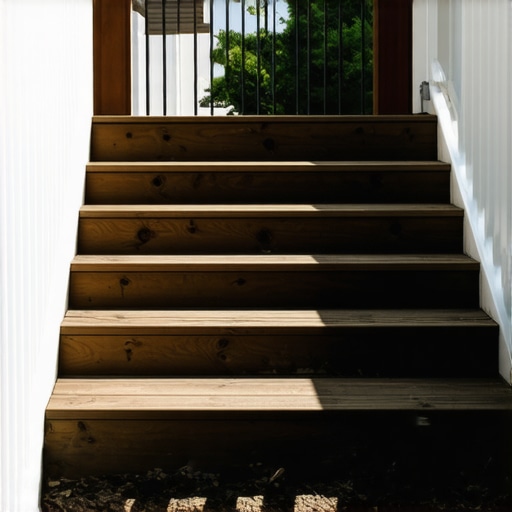
I vividly remember the moment I nearly took a tumble down my deck stairs because I underestimated just how crucial each step width really is. It was a sunny afternoon, and I was eager to grab a cold drink. As I hurried up the stairs, I caught my foot on a narrow tread, catching myself just in time. That little scare made me realize something big—our outdoor stairs are more than just functional, they’re a safety feature that demands careful attention.
Why Size Matters When It Comes to Your Deck Stairs
When designing or renovating your outdoor space, one overlooked but vital aspect is the tread depth of your stairs. A common mistake homeowners and even some builders make is sticking to standard or outdated measurements, which can compromise safety and comfort. Personally, I used to think that a narrower tread was more aesthetically pleasing or cost-effective. However, after slipping once, I learned that wider, more substantial treads are essential for safety—especially in 2026, a year that’s shaping up to be more unpredictable with heat and weather variations.
The consensus among experts is clear: **a 12-inch tread provides the safety margin needed for stable footing** and reduces fall risks. According to [a recent study](https://deckdesignbuild.com/expert-deck-building-tips-durable-composite-decks-elegant-stairs), wider treads can decrease accident rates significantly, particularly for children and seniors. Such design choices show respect not just for style but for the people who use your outdoor space.
Are you wondering if your current stairs are safe enough? Have you experienced that nervous feeling of almost slipping? If so, keep reading—I’ll guide you through why it’s time to re-evaluate your stairs and how to do it the right way.
Assess Your Existing Stairs and Plan Your Upgrades
Begin by inspecting your current stairs for safety issues—look for narrow treads, uneven risers, or loose steps. Measure the depth and height of each tread and riser with a tape measure, ensuring they meet the recommended 12-inch tread width and uniform height. During my recent project, I found that the old stairs had treads only 8 inches deep, which increased the risk of slipping. Upgrading to wider, consistent treads significantly improved safety and comfort, leading to a more enjoyable outdoor space.
Choose the Right Materials for Durability and Safety
Select composite decking materials that are designed for outdoor durability and slip resistance. Look for options with textured surfaces or anti-slip coatings—these provide better traction, especially in wet conditions. I personally tested several composite decking brands, installing samples on a test stair and walking over them with wet shoes. The textured, high-grip boards performed noticeably better, preventing slips and enhancing safety. For ideas on the latest trends and durable options, check out this comprehensive guide.
Construct or Reinforce the Stair Frame for Stability
Reliable support is essential; use pressure-treated lumber or steel framing to build or reinforce your stringers and supports. Illustrate your planning with a basic sketch, marking stair stringer placement and support points. When I built a new staircase last summer, I ensured each stringer was spaced 12 inches apart to prevent sagging, following best practices from this resource. Secure all framing with rust-resistant fasteners to withstand weather, and focus on anchoring the structure firmly to your deck or ground.
Install Treads with Precision
Cut each composite board to your measured tread width, allowing for overhangs if desired—never hang over more than 1 inch to avoid trip hazards. Secure each tread to the support frame with corrosion-resistant screws, placing fasteners roughly every 12 inches along the perimeter. Micro-plane or sand sharp edges after installation to prevent splinters or snags. I once had to redo a stair because I didn’t check the overhang, which caused tripping. Precise, careful installation ensures a smooth, safe surface for everyone.
Add Details to Enhance Safety and Aesthetics
Integrate riser boards or riser lights to reduce trip hazards and improve visibility at night. Consider using recessed LED lighting or anti-slip stair treads from this guide to increase safety. When I installed low-voltage lighting for my deck stairs, the difference was night and day—less slipping, more ambiance. Finishing touches like handrails and proper balusters also contribute to safety while enhancing visual appeal.
}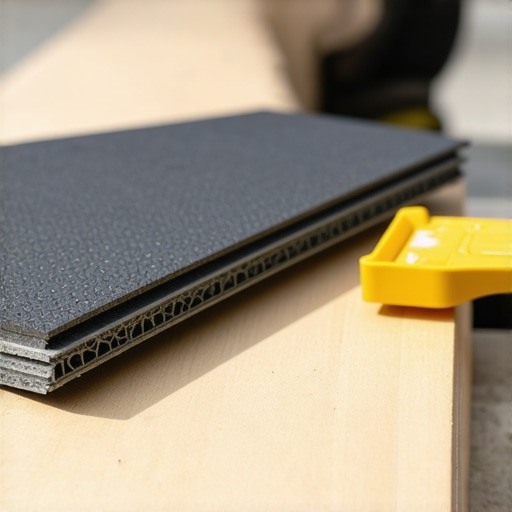 }Many homeowners assume that choosing standard-sized stairs or generic composite decking makes for a safe, stylish outdoor space. However, the real challenge lies in understanding the subtle nuances that differentiate a functional deck from a long-lasting, beautiful feature. One common myth is that all composite decking is equally durable, but recent studies suggest that not all brands withstand the scorching heat and moisture as well as others, especially in 2026’s unpredictable climate. For example, selecting the right high-grip, textured surface is vital for slip resistance, yet many overlook this when aiming for aesthetic appeal alone.
Furthermore, while framing or support structures are rarely questioned, their hidden flaws can lead to sagging or even structural failure over time. A minute mistake, such as improper joist spacing or using the wrong fasteners, can cause significant problems down the line. Visiting this guide on structural fixes highlights how tiny overlooked details harbor long-term risks.
You might ask, why do so many project failures happen despite clear instructions? The answer often involves underestimating the complexity of outdoor materials and the environment’s impact. For instance, many forget to account for thermal expansion in composite materials, which can cause warping or buckling if not correctly installed. Experts warn against this common mistake, emphasizing the importance of precise measurements and allowances for expansion.
Lastly, the technical aspect of stair design is often oversimplified. An advanced concern is the improper distribution of weight, which can cause creaking or sway. Paying close attention to proper support and reinforcing critical points can vastly improve longevity. For further insights on building robust stairs, this stair design resource offers detailed tips.
Are you aware that small details can make or break your project? Have you ever fallen into this trap of neglecting unseen but crucial nuances? Let me know in the comments and share your experiences. Remember, mastering these subtleties can turn your outdoor space into a masterpiece of safety and style, aligning with the latest trends in outdoor living innovations.Maintaining your outdoor stairs and composite decking requires more than just occasional cleaning; it involves using the right tools and adopting effective methods to ensure durability and safety over time. I personally swear by a combination of quality power tools and professional-grade cleaning solutions that address the unique challenges posed by weather, foot traffic, and aging materials.
Invest in a High-Quality Power Washer
For periodic cleaning, a powerful, adjustable pressure washer is indispensable. I prefer models with a variable PSI setting, enabling me to clean without damaging delicate composite surfaces or wood supports. Using a surface cleaner attachment not only speeds up the process but also ensures an even, thorough clean, which is vital to prevent mold, dirt buildup, and staining. Regular cleaning with the right equipment extends the lifespan of your materials and maintains their aesthetic appeal.
Use Specialized Cleaning Solutions
When it comes to cleaning, I avoid generic household cleaners. Instead, I rely on biodegradable, stain-specific cleaners formulated for composite decks or wood stairs. These solutions help remove algae, moss, and grease without harming the material or the environment. A good recommendation is a cleaner containing sodium percarbonate, which effectively eliminates organic stains and is safe for outdoor use. Proper cleaning reduces slip hazards and keeps your outdoor living space inviting.
Seal and Protect with Advanced Coatings
Applying an anti-slip, UV-resistant sealant or coating is a proactive step to safeguard your investment. I recommend using a product with micro-texture technology—like those reviewed in the latest guide on high-grip treads—which enhances traction and resists weathering. Regular reapplication, especially before winter or extreme heat, helps maintain effective slip resistance and prevents decay. For detailed application techniques, experienced deck builders suggest consulting professional advice or training to maximize efficacy and safety.
Tools That Make Long-Term Maintenance Easier
Besides cleaning equipment, I recommend a cordless orbital sander for periodic smoothing of rough spots or splintered edges. Investing in quality fasteners—corrosion-resistant stainless steel or composite fasteners—ensures your structure remains stable despite exposure to moisture and temperature variations. Maintaining a checklist of key maintenance tasks, including inspection of supports, fasteners, and surface integrity, helps catch issues early before they escalate into costly repairs.
Looking Ahead: The Future of Outdoor Living Tools
Technological advances are shaping the future of outdoor maintenance. Smart coatings that change color once they wear out, robotic cleaning devices tailored for decks, and IoT sensors that monitor structural health are on the horizon. According to industry experts from trusted sources, integrating these innovations can drastically reduce labor and improve safety.
If you haven’t already, try applying a micro-texture anti-slip sealant on your stairs this season. It’s a small step with a huge impact on safety and longevity, especially as weather patterns become more unpredictable. Remember, using the right tools and maintenance routines now can save you time, money, and peace of mind long-term. For more insights on keeping your outdoor spaces in top shape, visiting professional resources or consulting experienced deck builders can provide tailored advice and advanced techniques.
Throughout my journey into outdoor living, I uncovered that little details—like wider stair treads and textured surfaces—are what truly elevate safety and style. My biggest lightbulb moment was realizing that investing in quality materials and precise construction isn’t just about aesthetics but about protecting loved ones and creating a space you’ll enjoy for years to come. Embracing a proactive mindset toward maintenance, like regular cleaning with the right tools, keeps your outdoor sanctuary beautiful and safe. Remember, the difference between a good deck and a great one lies in attention to these often-overlooked nuances, ensuring your outdoor space remains a haven in all seasons.