
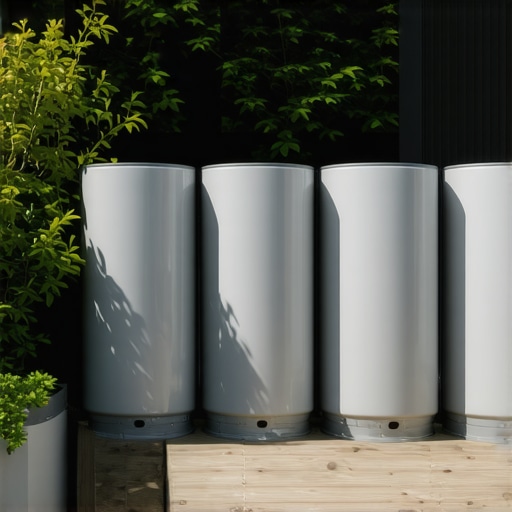
I remember the moment vividly—grabbing a hotdog and a cold drink, ready to relax on my newly completed deck, only to realize I didn’t have a good hiding spot for my propane tanks. The bulky, unattractive tank sticking out like a sore thumb. It hit me then: outdoor storage solutions often feel like afterthoughts, cluttering our beautiful spaces and raising safety concerns. If you’ve faced this frustration, you’re not alone.
Discovering the Need for Discreet and Secure Storage
When designing my deck, I wanted functionality without sacrificing aesthetic charm. That’s when I learned about the innovative world of stealthy propane tank cabinets. These aren’t just ordinary enclosures; they’re crafted to blend seamlessly into your outdoor decor while keeping safety paramount. Properly hiding your tanks not only enhances your outdoor experience but also minimizes hazards, especially if you have kids or pets around. Plus, with the upcoming trends in 2026 decks, integrating such solutions becomes a smart move for both safety and style.
Is Camouflaging Your Propane Tanks Still Worth the Hype?
Initially, I was skeptical—are these cabinets really discreet enough? Will they withstand weather or just look like another plastic box? Early mistakes taught me that choosing the right materials and design is crucial. I once bought a cheap, flimsy cover that fell apart after the first winter, making my problem worse than before. Trust me, not all storage is created equal. That’s why I turned to expert advice and found that high-quality, purpose-built cabinets are designed to pass the test of time and weather, keeping your tanks safe and your deck beautiful.
For a deeper dive into how proper storage can boost your outdoor safety and style, check out [this comprehensive guide](https://deckdesignbuild.com/creating-seamless-transitions-stairs-as-key-elements-in-outdoor-living). Up next, let’s explore what options are available and how to choose the perfect stealthy cabinet for your 2026 deck.
Choosing the Right Storage Enclosures
Select a cabinet made of weather-resistant materials like composite or treated wood to withstand the elements. During my project, I visited a local supplier and found a purpose-built propane cabinet that blended seamlessly with my deck’s design. <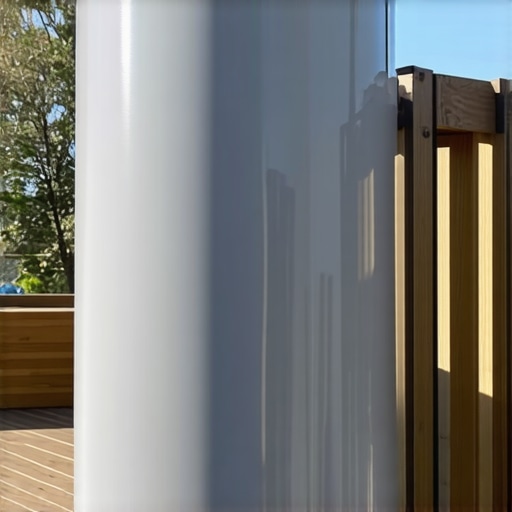 >
>
Measure and Plan Your Space
Accurately measure your tanks and available area to avoid cramped fits or unsightly gaps. I used a tape measure and sketched a layout, ensuring the enclosure wouldn’t impede access or airflow. This step is crucial to maintain safety and ease of use.
Build or Install the Cabinet Securely
If building your own, use corrosion-resistant fasteners and proper joinery for durability. For prefab options, follow manufacturer instructions meticulously. I screwed together the panels with stainless steel screws, guaranteeing longevity. Remember, a loose enclosure can be both unsafe and unattractive.
Optimize for Aesthetics and Safety
Paint or stain the enclosure to match your deck’s color scheme, and add vent panels for proper ventilation. During my installation, I painted the cabinet in a gloss black to complement my deck furniture. Adequate ventilation prevents heat buildup, reducing fire hazards.
Hide Unsightly Components Effectively
Position the enclosure behind decorative plants or privacy screens to further disguise it. I placed tall shrubs around my cabinet, which enhanced privacy and softened its appearance. Avoid blocking vents, as proper airflow is vital for safety.
Maintain and Inspect Regularly
Check the enclosure periodically for signs of damage or weathering, especially after storms. I scheduled bi-annual inspections, tightening fasteners and cleaning vents. Consistent maintenance ensures your storage remains safe and attractive for years.
For insights on integrating enclosures into your overall outdoor design, consider consulting a professional deck builder who can tailor solutions to your space and style. Following these steps will help you create an outdoor environment where safety meets style, effortlessly blending form and function.
Many homeowners believe that choosing the right materials, like composite decking, or hiring a skilled deck builder guarantees a perfect outdoor space. However, even experienced individuals often overlook subtle nuances that can lead to costly mistakes. One common misconception is assuming that standard stair designs or generic outdoor arrangements are sufficient for safety and aesthetics. In reality, nuanced details—such as proper joist spacing or advanced fastening techniques—play a crucial role in durability and safety. For instance, relying solely on superficial aesthetics without considering the underlying structural support can result in premature deck failure, especially in challenging climates. According to experts in outdoor construction, detailed attention to hidden elements like hidden lateral bracing or moisture barriers significantly extends the lifespan of your deck and stairs. Don’t fall prey to superficial solutions; understanding these advanced nuances can make all the difference in creating a resilient outdoor oasis. If you want a truly professional-quality result, consider consulting a professional deck builder who is familiar with these critical details. Have you ever fallen into this trap? Let me know in the comments.Maintaining a stunning and durable outdoor deck requires more than just quality materials; it demands the right tools and consistent upkeep. I personally swear by a cordless impact driver, such as the Milwaukee M18 Fuel, for fastening composite decking—its powerful torque ensures fasteners sit flush without stripping, making installation faster and more precise. For measuring and leveling, a laser level like the Bosch GLL 55 provides accuracy over long distances, helping me ensure my stairs and deck boards are perfectly aligned, which is crucial for safety and aesthetics.
When it comes to cleaning and early detection of issues, I rely on a high-pressure water sprayer with adjustable nozzles, like the Sun Joe SPX3000, to remove debris and mold buildup without damaging the surface. Regular inspections using a moisture meter, such as the Protimeter Aquant, help me identify areas prone to rot or moisture ingress before they become bigger problems, extending the lifespan of supports and framing.
Software tools also play a role: I use deck design applications like SketchUp with specialized plugins to plan modifications or extensions, saving time and reducing errors. Staying updated with the latest trends in [composite decking](https://deckdesignbuild.com/composite-decking-trends-2025-the-ultimate-guide-for-outdoor-enthusiasts) ensures my choices incorporate the most weather-resistant and low-maintenance options.
How do I maintain my deck’s support structure over time?
Regularly inspecting joists, post supports, and fasteners is vital. I recommend drilling small weep holes at strategic points to allow moisture escape and prevent rot, especially in enclosed or shaded areas. Applying a breathable sealant designed for wood or composite supports every few years safeguards against water penetration and UV damage. For a comprehensive approach, consider consulting a [professional deck builder](https://deckdesignbuild.com/the-benefits-of-working-with-a-professional-deck-builder-in-your-outdoor-projects), who can advise on the best tools tailored for your deck’s layout and climate.
Trend-wise, I predict that as outdoor living becomes more sophisticated, power tools integrated with IoT capabilities will offer real-time condition monitoring, alerting homeowners of potential issues before visible signs appear. This proactive approach aligns with evolving standards for safety and longevity.
Ready to elevate your maintenance routine? Try incorporating a moisture meter into your regular inspections to catch early signs of rot. It’s an investment that pays off in long-term savings and peace of mind. Keep your outdoor haven safe and gorgeous—because a well-maintained deck isn’t just beautiful; it’s built to last.
How I Stumbled and Gained Ground in Outdoor Living
One of the most profound lessons I learned was that rushing the foundational details—like proper joist spacing and weatherproofing—can lead to costly repairs down the line. Patience and meticulous planning, especially when installing stairs or hiding propane tanks, forge a safer, more beautiful environment. Sometimes, I wish I had prioritized aesthetic concealment earlier, realizing that seamless integration of function and beauty elevates the entire outdoor experience.
Tools and Resources That Changed the Game
My impact driver, the Milwaukee M18 Fuel, remains irreplaceable for quick, flush-fastening, ensuring my deck and stairs are both durable and sleek. For layout precision, the Bosch GLL 55 laser level offers outstanding accuracy, saving me from misalignments that could compromise safety. I lean on comprehensive guides from trusted sources like DeckDesignBuild’s advanced trend reports, which keep me ahead of the curve, especially with the innovative options in 2025’s composite decking. Investing in quality tools and reputable information has made all the difference in my projects.
Embracing the Passion for Craftsmanship
Creating outdoor spaces isn’t just about appearance; it’s about building lasting memories safely. I encourage anyone passionate about outdoor living to approach each project with a mindset of continuous learning and a heart full of patience. Every deck board and stair stringer is an opportunity to craft something both functional and inspiring. Remember, a well-engineered outdoor space is a gift you give to yourself and future generations—so don’t hold back on quality and care.
Have you ever faced unexpected challenges while hiding tanks or selecting the perfect stair design? Share your story below; I’d love to hear how you turned obstacles into signature features of your outdoor living space.