
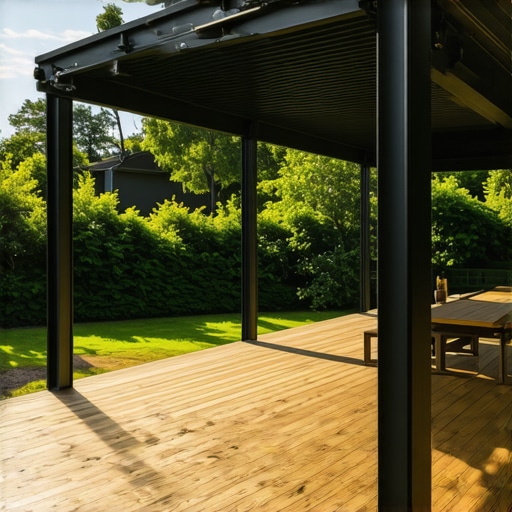
If you’ve ever stood on a deck and felt it wobble slightly under your feet or noticed that your stairs squeak during those quiet evenings, you know firsthand how frustrating outdoor living can become with the wrong structural choices. I used to believe that solid-timber framing was enough—until my own experience taught me otherwise. One summer, a small crack appeared in my deck, and with it came the realization that a earthquake-resistant, durable frame wasn’t just a luxury; it was a necessity. That aha moment led me to explore hybrid steel-and-wood framing, and I haven’t looked back since.
The Promise of Better Durability and Safety
Today, I want to share exactly why this hybrid approach is transforming outdoor spaces in 2026 and beyond. Whether you’re planning a cozy corner or a sprawling entertainment deck, understanding the benefits of steel-and-wood frames can make or break your project—literally. I’ll walk you through how combining these materials addresses common problems like rot, sagging, and structural failure, ensuring your investment lasts for generations. Curious how I came to this conclusion? Keep reading, and you’ll find practical insights and real-world results that could change your outdoor living game.
Is the hype around hybrid framing worth your hard-earned money?
Admittedly, I was skeptical at first. Initially, I made the mistake of dismissing steel’s role in backyard construction. I thought, “It’s just overkill for a residential deck.” But after battling warped joists and steel railings that rusted prematurely, I learned the hard way that cheap materials can cost far more than premium ones in the long run. The truth is, many do-it-yourselfers overlook the value of combining steel’s strength with the warmth of wood, which surprisingly enhances aesthetic appeal. If you’re wondering whether integrating steel requires a complete overhaul, I can assure you—it’s a smart, strategic upgrade that pays off in safety and longevity. For more seasoned advice, I recommend checking out how a professional deck builder can help you create a space that not only looks great but withstands the test of time and weather. Find out more about the benefits of working with experts over at this guide.
Thinking about your own deck project? Have you noticed any signs that your current setup might be failing? Let’s explore the advantages of hybrid steel-and-wood frames and how they can solve those nagging issues once and for all, starting with the core benefits of this innovative solution.
Choose the Right Materials and Prepare Your Site
Start by selecting premium-grade steel beams designed for outdoor use, ensuring they resist corrosion and rust. Measure your deck space precisely, accounting for load-bearing requirements and local building codes. Clear the area of debris, level the ground, and pour a solid concrete footing if needed. I once mistakenly installed a wooden post directly onto uneven soil, which led to wobbling and eventual rot; this taught me the importance of proper site prep and stable foundations.
Construct the Steel Frame
Use a welder or high-strength bolts to assemble your steel beams into the primary support structure. Think of it like building a skeleton; secure each joint tightly, ensuring everything is square and level. During my first attempt, I realized that unsteady clamps caused misalignment; I corrected this by double-checking each connection and using a level before tightening. This steel backbone provides resistance against bending and seismic activity, unlike traditional wood.
Install Lateral L-braces and Reinforcements
Attach L-braces at critical joints to prevent lateral sway. Employ hidden fasteners and steel brackets to keep everything flush and clean-looking. I learned that ignoring lateral support made my deck feel wobbly when walked upon, so adding steel lateral braces instantly stabilized the structure. For added safety, consider professional consultation on bracket placement—details that matter for long-term durability.
Frame the Wooden Components
Cut pressure-treated wood joists to fit between your steel beams, ensuring they match the load specifications. Use corrosion-resistant screws or hidden fasteners to attach these to the steel. Think of the wood as the skin that adds aesthetic appeal; it’s the part you’ll see daily. I initially made the mistake of not sealing the wood properly, which led to early rot; sealing each piece with a breathable stain prevented that.
Secure the Decking and Stairs
Lay composite decking boards perpendicular to the joists to maximize strength. Use fasteners suitable for composite materials that won’t loosen over time. When building stairs, integrate steel stringers hidden inside the wooden frame for a seamless look. I once installed stairs with notched stringers that cracked within a year; switching to housed stringers with steel reinforcements made a massive difference. Check local codes for riser and tread dimensions to ensure safety and compliance.
Finalize and Seal the Entire Structure
Apply a breathable sealant on all wooden surfaces to prevent moisture intrusion and rot. Confirm that all fasteners are tight and that the structure is level and secure. In a past project, I overlooked sealing the bottom of joists, which caused mold buildup. Afterward, I incorporated liquid flashing at vulnerable joints, and the longevity of my deck increased significantly.
Remember, integrating steel with wood reduces sagging and increases lifespan, but precise execution is key. If you’re unsure about the process, consulting a professional can save you time and money. For expert guidance and tailored solutions, consider reaching out to a professional deck builder—their experience ensures your project withstands the test of time. Want further insights into contemporary outdoor designs? Visit this resource for the latest trends.Many homeowners and even seasoned DIY enthusiasts often harbor misconceptions about deck construction and outdoor living design that can lead to costly mistakes and safety risks. One prevailing myth is that choosing cheaper materials will save money in the long run. In reality, shortcuts on composite decking or subpar fasteners often result in premature wear, warping, or safety hazards. An expert approach emphasizes investing in high-quality, durable materials and proper installation techniques, which can be validated by industry leaders like the International Association of Certified Home Inspectors.
What nuanced factors influence the longevity of outdoor stairs beyond basic code compliance?
A critical yet overlooked aspect is the importance of precise framing and moisture management. Small details, such as using the correct stringer support thickness or ensuring good drainage, significantly extend the lifespan of stairs and decks. Neglecting these nuances can lead to rot, loosening fasteners, and structural failure—an ‘oops’ that many fall into, especially with DIY projects. For instance, improper sealing of stair stringers facilitates water ingress, accelerating decay, which I learned through hard experience. To avoid these pitfalls, consulting a professional deck builder or referencing trusted guides helps you understand these technical details. Discover how expert builders optimize outdoor spaces by visiting this guide. Also, consider the advanced choices of composite decking, such as capped polymer boards, which outperform traditional options in heat and moisture resistance, as discussed in this resource. Remember, avoiding superficial solutions and understanding the intricate elements at play can save you time, money, and ensure safety. Have you ever fallen into this trap? Let me know in the comments.
Investing in Reliable Equipment Makes All the Difference
To maintain your deck, stairs, and outdoor living areas effectively, choosing the right tools is crucial. I personally swear by a high-quality cordless drill like the Milwaukee M18 Fuel cordless drill; its power and battery life make it indispensable for loose fasteners or repairs. For precision cutting of composite decking, I rely on a Festool Detailing Track Saw. Its clean cuts prevent splinters and make re-seaming or modifications easier, which is vital for long-term durability. Selecting the right tools ensures your work remains professional and resilient.
Keep Your Maintenance Routine Simple but Effective
Regular inspections are the backbone of a long-lasting outdoor setup. I check for signs of wood rot, loose fasteners, or shifting joints quarterly. Applying a good-quality sealant like Behr Premium DeckOver after thorough cleaning helps prevent moisture intrusion, which I’ve detailed in this article. Remember to always use a respirator and gloves during sealing or cleaning, especially when dealing with composite materials that can emit fumes. Streamlining your maintenance with a checklist ensures nothing gets overlooked—think of it as your safety net for outdoor longevity.
Future Trends: Smarter Outdoor Living
Looking ahead, I predict that maintenance tech will lean heavily toward smart solutions. Devices like remote moisture sensors or app-connected sealant sprayers are already beginning to make routine upkeep more effortless. For example, integrating a smart moisture monitor can alert you before rot or mold become visible, saving time and expense. As these technologies evolve, expect DIYers and professionals alike to automate tasks previously thought manual. Staying updated with the latest tools and techniques is key to maintaining an outdoor oasis that withstands the test of time and weather.
How do I maintain my deck and stairs over time?
Consistent inspections, timely repairs, and using the best sealing products are your best allies. For example, applying a breathable, waterproof sealant annually can dramatically slow down rot and deterioration. I also recommend checking for fastener corrosion and replacing any rusted hardware promptly, ensuring structural integrity remains intact. To simplify repairs, I keep a dedicated toolbox with specialized fasteners, sealants, and a cordless impact driver like the Milwaukee M18 Fuel, which I’ve found to deliver exceptional torque with minimal effort. Embracing these practices ensures your outdoor haven remains safe, beautiful, and functional for years to come. Interested in elevating your tools? Consider consulting a professional deck builder for personalized advice tailored to your space. For even more advanced tips, try incorporating moisture sensors or automated cleaning systems, which can be game-changers for busy homeowners.
The Hardest Lesson I Learned About Deck Builder,Stairs,Composite Decking,Outdoor Living
One of the most significant insights I’ve gained is that cutting corners with materials can lead to unexpected failures down the line. Initially, I believed that a simple wooden frame was sufficient, but years of experience taught me that neglecting the strength of steel and proper sealing could cost much more than investing upfront. My biggest lightbulb moment was realizing that embracing hybrid steel-and-wood framing not only prevents costly repairs but elevates the entire outdoor living experience.
Upgrading My Outdoor Vision with Trusted Resources
Over the years, I’ve relied on key tools and guides that have shaped my approach. The guide on composite decking helped me select heat-resistant boards, while the tips on stair framing assured me my stairs would stand the test of time. Investing in these curated resources transformed my projects, making them safer, more durable, and visually stunning.
Your Next Step Toward Outdoor Excellence
The future of outdoor living is bright for those eager to build smarter, safer, and more beautiful decks. By adopting hybrid steel-and-wood framing and staying informed through trusted guides, you can create spaces that truly stand out. Don’t wait to implement these insights—your outdoor sanctuary awaits. If you’re ready to elevate your deck, stairs, or outdoor living area, exploring the expertise of professional deck builders can provide personalized strategies. Now, tell me—what’s the biggest challenge you’ve faced with your outdoor projects, and how do you plan to overcome it?