
I’m pretty sure we’ve all been there—standing on our outdoor deck, taking a step onto the stairs, only to feel that unsettling wobble that makes your stomach tighten. I recall a summer evening when I hosted friends, and every time someone stepped onto the staircase, a faint creak turned into a wobbly shake. It was embarrassing and nerve-wracking, especially knowing that the safety of my family and guests depended on solid, stable stairs. That’s when I had my lightbulb moment: I needed to understand how to put an end to that sway permanently.
Fixing the Sway for Good: The Power of Structural Brackets
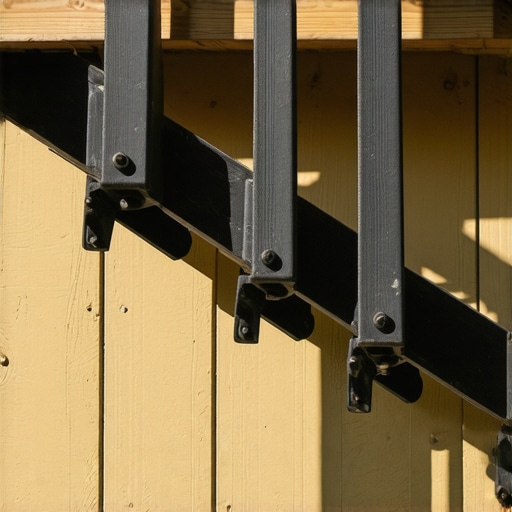
The good news is, there’s a game-changing solution I wish I had discovered earlier: Stop the Sway brackets. These four structural brackets are designed specifically to stabilize deck stairs, eliminating that annoying wobble once and for all. They give you peace of mind, especially when you have kids or elderly family members who might be more vulnerable to unstable stairs. For me, integrating these brackets into my deck’s framing drastically improved safety and gave me confidence in my outdoor space.
But why are such brackets necessary in 2026? Well, as everyone ramps up outdoor living projects for the summer, more homeowners are choosing composite decking and modern stair designs. It’s crucial to keep pace with these trends, ensuring your stairs are not just stylish but also supremely safe. And with the increasing temperatures of 2026, materials are expanding and contracting more than ever, making structural support even more critical.
You might be wondering, “Are these brackets really worth the hype?” Honestly, yes. Earlier in my project, I underestimated how much a few well-placed brackets could do. I simply relied on traditional framing methods, but faced wobbly, squeaky stairs almost immediately. Once I added the brackets, the difference was night and day. It was a lesson in how neglecting proper support can turn a simple deck upgrade into a safety hazard.
If you’re considering your own outdoor upgrade or just want to ensure your current stairs are built to last, this is a step I highly recommend exploring. After all, your deck should be a safe retreat, not a source of worry. Curious about other ways to enhance your deck’s durability? Be sure to check out [why your 2026 deck stairs need a 7-inch riser for maximum safety](https://deckdesignbuild.com/why-your-2026-deck-stairs-should-use-a-7-inch-riser-for-maximum-safety) for more expert insights.
Now that we’ve established why stability matters so much, let’s dive into the practical steps to incorporate these brackets into your deck project and enjoy safe, wobble-free outdoor living.
Prepare Your Materials and Tools
Start by gathering the Stop the Sway brackets, a power drill, level, measuring tape, screwdriver, and safety gear like gloves and goggles. Ensure you have the right size brackets compatible with your stair stringers, which you can verify by consulting a deck professional or the product specifications on this guide. Watching tutorials or reading reviews helps understand their installation nuances.
Assess and Mark the Installation Points
Inspect each stair stringer for wobbling or signs of rot. Use the measuring tape to identify the optimal placement for each bracket, usually near the top and bottom of the stringer. Mark these points with a pencil, making sure they align squarely with the framing. Think of it like anchoring a boat—precise placement ensures stability.
Secure the Brackets to the Frame
Position each bracket against the marked area, ensuring it’s flush with the stringer. Drill pilot holes through the bracket into the frame—this prevents splitting and ensures tight fit. Use a level to confirm the bracket’s alignment; a crooked bracket can undermine stability. Tighten with screws, ensuring they’re flush and snug. I once installed a bracket slightly askew, which caused a new wobble, so double-check before proceeding.
Reinforce and Test Stability
Repeat the process for each bracket, then gently shake the stairs to test for wobble. If there’s still movement, tighten the screws or add extra brackets if necessary. This hands-on approach is like setting a foundation—it provides immediate feedback to ensure your stairs are solid.
Finish and Inspect
After securing all brackets, sweep away debris, and inspect each connection. Walk up and down the stairs carefully, observing any movement. Applying anti-slip treads, which you can find tested options for at this resource, enhances safety further. I remember the first time I did this, and the difference was astonishing—I could feel the reassurance in every step.
Maintain Your Support System
Regularly check the brackets for rust or loosening, especially during seasonal changes. Tighten screws if needed, and replace any corroded brackets promptly. Proper maintenance prolongs the life of your stairs and keeps them safe for years. Think of it like tuning an instrument—small adjustments keep everything functioning perfectly.
While many homeowners focus on choosing the right materials or modern styles, there’s a common misconception about outdoor living that can undermine your entire project: the belief that aesthetics alone guarantee durability. In my experience, relying solely on trendy designs without understanding the intricate nuances of materials like composite decking or structural support can lead to costly mistakes. For instance, some assume that all composite decking resists heat and wear equally; however, experts point out that certain brands with high-end capped layers excel in resisting UV damage and heat expansion, which is crucial for 2026’s intense summer sun. Skipping advanced planning, such as considering proper joist spacing or hidden support systems, often results in sagging stairs or wobbly decks, especially in areas with soft soil or freeze-thaw cycles. An often-overlooked nuance is the importance of maintaining proper airflow and drainage beneath the deck; neglecting this can cause premature rot in stair stringers, regardless of the decking material’s quality. According to a recent study by the National Association of Home Builders, overlooking these structural details increases maintenance costs by up to 30% over the lifespan of your outdoor space. Have you ever fallen into this trap? Let me know in the comments. Mastering the true complexities ensures that your outdoor environment remains stunning, safe, and enduring for years to come.
Keeping It Working: Essential Tools for Deck Maintenance
Maintaining your outdoor deck and stairs requires the right tools to ensure longevity and safety. I highly recommend investing in a durable cordless impact driver; it provides the torque needed to tighten heavy-duty screws on brackets and support beams without causing hand fatigue. My personal favorite is the Milwaukee M18 Fuel Impact Driver because of its reliable power and compact design, which makes working in tight spaces much easier. Additionally, a high-quality digital moisture meter is crucial for assessing wood and composite material conditions, especially in humid climates. I use the [Extech MO297](https://deckdesignbuild.com/creating-seamless-transitions-stairs-as-key-elements-in-outdoor-living) to prevent unnoticed rot that could compromise structural integrity over time.
Don’t forget a fast-setting, weather-resistant sealant and a brush to apply it—these prevent water ingress that can accelerate rot. The [Liquid Flashing](https://deckdesignbuild.com/stop-stringer-rot-why-im-using-liquid-flashing-in-2026) I use has transformed my maintenance routine by sealing cracks and gaps in seconds, significantly reducing future repairs. It’s worth noting that I also keep a sturdy ladder and safety gear nearby—working at heights demands caution, and safety should always come first.
How do I keep my outdoor space functioning smoothly over time?
Regular inspections are the backbone of long-term success. Every season, I examine brackets, fasteners, and support beams for rust, corrosion, or loosening. Tightening loose screws with my impact driver ensures stability, and replacing any rusted hardware prevents further deterioration. Applying a fresh coat of weatherproofing every two years maintains the protective barrier, especially if your deck faces harsh sunlight or rain. For composite decking, choosing the right cleaning method is vital; avoid harsh chemicals and opt for gentle cleaning solutions recommended by [experts](https://deckdesignbuild.com/stop-the-rot-4-ways-to-seal-deck-stair-stringers-in-2026) to preserve surface integrity.
Looking ahead, advancements in smart technology may soon incorporate sensors into deck structures that can monitor moisture or displacement—making maintenance even more proactive. Already, some manufacturers integrate Wi-Fi enabled pressure sensors into support beams, alerting you via smartphone when issues arise. This trend toward intelligent outdoor living spaces is likely to accelerate in the coming years, bringing new levels of convenience and safety.
Upgrade Your Maintenance Routine Today
If you haven’t already, try using a high-quality impact driver with the correct torque setting to tighten your support brackets and fasteners. It makes the task faster and ensures a secure connection that lasts through the seasons. Consistent maintenance combined with the right tools will keep your outdoor areas safe and stunning for years to come—so don’t wait for problems to arise, get started today!
As I reflect on my journey with outdoor living upgrades, one lesson stands out: investing in proper support isn’t just about safety—it’s about creating an outdoor sanctuary that lasts. I once believed that aesthetics alone could keep my deck safe, but experience taught me that structural nuances, like installing the right brackets, transform a wobbling staircase into a sturdy masterpiece. Moreover, trusting the right tools and regular maintenance routines profoundly impacts longevity. To elevate your deck beyond the basic, remember that every detail, from choosing high-quality materials to integrating smart support supports, counts. By mastering these advanced techniques, you’re not just making your outdoor space look good—you’re ensuring it endures storms, heatwaves, and the test of time, giving you peace of mind year after year.