
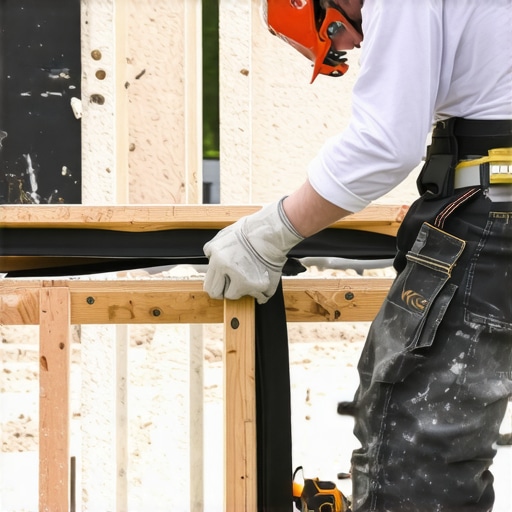
I still vividly remember the moment I realized my latest deck project was going to be a headache waiting to happen. It was a chilly Saturday, and I was inspecting the joists before installing the decking boards. I noticed tiny cracks forming around the edges of a few joists, and a wave of frustration washed over me. How had I missed this? That lightbulb moment made me rethink everything I thought I knew about building durable outdoor spaces.
The Silent Enemy: Moisture Damage and Deck Longevity
For years, I believed that choosing quality materials was enough to ensure my decks would stand the test of time. But the truth is, moisture infiltration is an insidious enemy. Water seeping into unprotected areas accelerates rot, weakens the structure, and leads to costly repairs down the line. Early in my career, I made the mistake of skipping under-joist protection, thinking that good wood and proper framing would suffice. Spoiler alert: it didn’t.
That’s when I discovered the power of Hidden Deck Joist Tape. This simple yet effective product creates a moisture barrier that shields your joists from water intrusion. After applying it in my subsequent projects, I’ve noticed a significant increase in deck durability, especially in climates with high humidity or frequent rain. The peace of mind it offers is priceless. I encourage every deck builder—whether you’re a seasoned pro or just starting out—to consider this step. It’s a small investment that yields long-term benefits.
If you’re wondering whether this is just another gimmick or genuinely worth the hype, you’re not alone. I was skeptical too at first, but the results speak for themselves. Remember, even the best materials can fail if moisture gets in and lingers.
Curious about how this simple upgrade can make a difference in your builds? Let’s dive into the specifics and see how you can implement Hidden Deck Joist Tape effectively.
Prepare Your Surface and Gather Materials
Start by inspecting your joists for any signs of damage or rot. Remove debris and dust from the surface of each joist. Gather high-quality hidden deck joist tape, scissors or a utility knife, and a clean cloth. Think of this step as preparing the foundation of a sturdy building — neglect it, and the whole structure could weaken over time.
Apply Tape to the Top of Each Joist
Unroll the tape and cut lengths sufficient to cover the entire top surface of each joist, including the edges. Peel off the backing and carefully align the tape to ensure it sits flat, avoiding air bubbles. Use the cloth to press firmly, securing good adhesion. It’s akin to sealing a leak — if water can’t seep in at the top, your deck’s longevity skyrockets.
Seal the Joist Sides and Ends
For full moisture protection, extend the tape to cover the sides and ends of the joists. Trim the tape accordingly and smooth out folds or overlaps. This comprehensive sealing blanket acts like a raincoat, shielding vulnerable spots from water intrusion. Remember, water always finds a way in — your goal is to block every entry point.
Double-Check for Gaps and Overlaps
Inspect each taped joist to confirm full coverage without gaps or overlaps that can trap moisture. Overlaps should be seamless, similar to weatherproofing a windowpane. This extra step helps prevent water from seeping below and causing rot, which can be a silent killer of outdoor structures.
Integrate the Joists with Your Deck Frame
Once all joists are protected, proceed with attaching them to your deck perimeter beams as per standard construction procedures. The tape acts as an invisible armor, allowing your deck to withstand rain, snow, and humidity. It’s like giving your outdoor space a immune boost, ensuring it remains safe and sound for years.
Observe and Maintain
After installation, periodically inspect the taped areas for signs of wear or lifting, especially after severe weather. Reapply or replace the tape if needed. Think of this as regular health check-ups for your deck, prolonging its vitality. Proper maintenance like this ensures your investment continues to pay dividends without frequent repairs.

When it comes to protecting your deck, having the proper cleaning setup is essential. I prefer a backpack-style pressure washer such as the Sun Joe SPX3000 with adjustable pressure settings, which offers the flexibility to clean surfaces gently or with more power, depending on the material. This prevents damage to composite decking while ensuring thorough cleaning. Additionally, I use a combination of stiff-bristle brushes and eco-friendly cleaning solutions tailored for composite surfaces to remove pollen, algae, and stains without relying on harmful chemicals. Regular cleaning not only maintains aesthetic appeal but significantly extends the deck’s lifespan.
For ongoing inspection and repairs, a quality digital moisture meter is invaluable. I recommend the Protimeter Surveymaster for its accuracy in detecting hidden moisture pockets that could lead to rot if unchecked. Routine checks help catch potential issues early, saving costly repairs down the line. Complementing this, an LED work light like the Neiko 40339 has boosted my productivity during late visits or shaded areas, ensuring detailed visual inspections regardless of the time of day.
Looking ahead, the trend points toward smarter, integrated maintenance systems. I foresee the development of sensor-based moisture and load monitoring embedded directly into decks, providing real-time data via smartphone apps. This technology could revolutionize outdoor maintenance, making proactive care automatic rather than reactive.
How do I maintain composite decking over time? The key is consistent cleaning, inspecting for damage or loose fasteners, and applying protective coatings as recommended by manufacturers. Also, implementing advanced sealing techniques, such as applying synthetic sealants after cleaning, can repel water and resist fading or staining, significantly increasing your deck’s effective lifespan. For example, sealing joints with high-quality, breathable sealants recommended in technical guides ensures long-term structural integrity.
One practical tip you should try today is using a high-quality impact driver combined with corrosion-resistant fasteners, which makes installing new composite boards or repairing existing structures much more manageable. This approach minimizes damage and ensures durable, long-lasting results, preserving your outdoor investment for years to come. For more insights on long-term strategies, consider consulting resources like the detailed guidelines offered by professional associations or trusted manufacturers.**Don’t skimp on proper tools and routine checks; your deck’s future depends on it!** Additionally, if you’re planning a significant upgrade or new installation, collaborating with a professional deck builder can ensure the best use of equipment and techniques, leading to flawless results.
The Hardest Lesson I Learned About deck builder,stairs,composite decking,outdoor living
One of my most valuable insights came when I underestimated the importance of moisture barriers, leading to early rot in one of my decks and prompting a reevaluation of my entire approach—proof that even seasoned builders must stay humble and continuously learn.
3 Myths About deck builder,stairs,composite decking,outdoor living That Held Me Back
I used to believe that high-end materials alone would guarantee durability, but I later realized that installation details and preventive measures like hidden deck joist tape are equally crucial—reminding me that knowledge is key to building resilient outdoor spaces.
What Experts Won’t Tell You About deck builder,stairs,composite decking,outdoor living
Many professionals keep silent about the overlooked details—such as sealing every joist end or inspecting for moisture infiltration—that can make or break your deck’s lifespan, underscoring the value of proactive maintenance and continuous learning.
My Essential Toolkit for deck builder,stairs,composite decking,outdoor living
Over the years, I’ve trusted impact drivers like Milwaukee’s M18 Fuel series for their power and precision, pressure washers like Sun Joe’s SPX3000 for effective cleaning, and moisture meters such as Protimeter’s Surveymaster for early detection, all of which have become indispensable in my deck-building arsenal—helping me deliver durable, beautiful outdoor spaces.
Where to Go from Here
If you’re committed to elevating your deck projects, I recommend exploring guides on [choosing the right composite decking](https://deckdesignbuild.com/choosing-the-right-composite-decking-for-durable-low-maintenance-outdoor-areas) and considering working with a [professional deck builder](https://deckdesignbuild.com/the-benefits-of-working-with-a-professional-deck-builder-in-your-outdoor-projects). Embracing continuous learning and adopting trusted tools will undoubtedly transform your outdoor living spaces, making them safe, stylish, and enduring for years to come.
Step Into Your Outdoor Future
Building a resilient and stunning deck isn’t just about good materials—it’s about mastering the details and caring for your space. Whether you’re repairing, upgrading, or designing anew, remember that every wise choice paves the way for outdoor spaces that inspire and endure. Your journey toward outdoor mastery starts today—so don’t hesitate to take that first step toward creating your perfect retreat.