
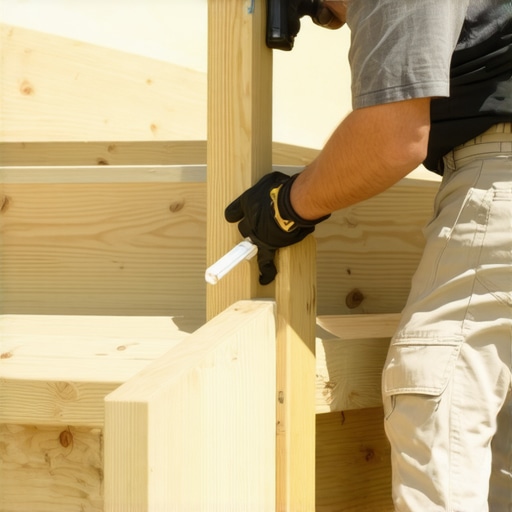
Imagine this: you’re enjoying your outdoor space, maybe sipping coffee or chatting with friends, when suddenly a loud squeak cuts through the peaceful morning. That’s exactly what happened to me with my 2026 deck stairs. At first, I thought it was just the usual creaking, but over time, the noise became relentless, cracking the calm vibe and sneaking into my conversations. That lightbulb moment made me realize — squeaky stairs aren’t just annoying; they can signal underlying structural issues that might worsen over time.
Why Fixing Squeaky Deck Stairs Should Be Top Priority
The truth is, squeaky stairs are more than just a noise nuisance. They can indicate loose connections, shifting support, or even potential safety hazards. If ignored, this minor annoyance can lead to more significant problems, like unstable footing or the sagging of your deck. My early mistake was dismissing the squeaks as minor and not addressing them promptly, which only led to increased noise and a slight wobble. Trust me, tackling these issues early with the right approach saves you headaches down the line.
Is Using Structural Adhesive Enough to Solve the Squeak?
Some skeptics worry that adhesives might not provide a long-lasting fix, especially in outdoor environments exposed to the elements. I was initially hesitant — would glue really hold up over time? The trick is choosing the right product and application method. After experimenting with a quality structural adhesive designed for exterior use, I found that it not only stopped the squeaks but also reinforced the stability of my stairs. According to experts, properly applied structural adhesives can bond well with wood and composite materials, creating a durable, silent fix (source: https://deckdesignbuild.com/why-your-2026-deck-stairs-need-a-12-inch-tread-for-safety).
My biggest early mistake was using a generic adhesive not rated for outdoor use, which peeled away after a few months. Learning from that, I now use a specifically formulated structural adhesive that can withstand weather changes and foot traffic. Ready to say goodbye to squeaks and hello to peace and stability? Let’s dive into the practical steps that transformed my deck stairs—and can do the same for yours.
Begin with a Close Inspection and Preparation
Start by carefully examining your deck stairs to identify the source of the squeak—whether it’s loose nails, warped wood, or shifting supports. Remove any debris and clear the area to get an unobstructed view. I once took apart a corner step that was so loose I could wiggle it with my hand; discovering the rotted support was a wake-up call to prioritize thorough inspection.
Tighten and Secure All Fasteners
Next, use a power drill to tighten or replace loose screws and nails. Switch to weather-resistant fasteners like stainless steel or coated screws to prevent future corrosion. While doing this, I learned that using an impact driver saved time and ensured every fastener was driven flush, reducing future squeaks.
Apply Structural Adhesive for Lasting Bonding
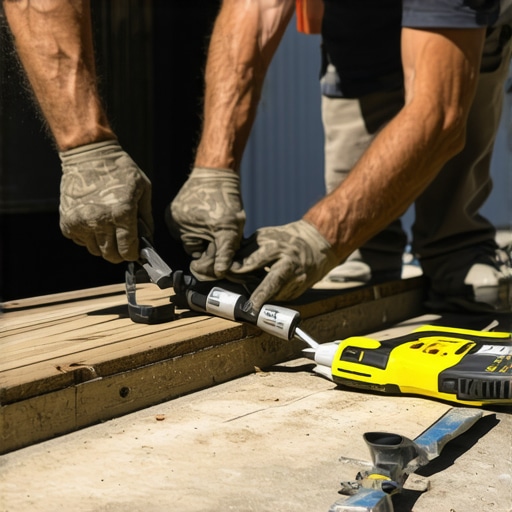
For areas prone to movement, apply a high-quality exterior-rated structural adhesive between joints—think of it as the glue that holds the pieces together, like a strong handshake. I carefully squeezed adhesive into the chatter in the stringers and treads, then clamped the parts temporarily. It’s vital to choose products designed for outdoor use, like those recommended in guides on deck safety.
Reinforce Support Structures to Prevent Future Shifts
Inspect the stringers and add additional brackets or straps if necessary. Use steel or metal braces that attach securely to the stringers and the deck frame—this prevents movement that causes squeaks. I installed steel brackets beneath my stairs, which instantly improved stability and silence.
Shim and Adjust for Optimal Fit
If some steps still wobble, use shims—thin wedges of wood or composite—to fill gaps between the stringers and supports. Carefully tap them in with a hammer until the step feels solid. Remember, tight fit equals quiet stairs, just like fitting puzzle pieces snugly together.
Seal and Protect All Connection Points
Finally, apply a weatherproof sealant or paint to all joints and exposed wood. This prevents moisture infiltration, which can lead to warping and noise. I’ve found that regular maintenance with a sealant prolongs the life of my deck stairs, keeping them quiet and secure for years to come.
For additional insights on creating safe and stylish stairs, check out designing safe outdoor stairs or explore the latest composite decking trends to upgrade your entire outdoor space.
Many homeowners and even some professionals operate under common misconceptions when it comes to outdoor stairs and composite decking. A prevalent myth is that simply choosing the right material guarantees long-term durability. However, the real challenge lies in understanding the intricate details of structural integrity and environmental impacts. For example, installing decking boards without considering expansion gaps can lead to warping and buckling over time, especially during temperature fluctuations. Ignoring these nuances means you may face costly repairs sooner than expected. Furthermore, many believe that all composite decking brands perform equally in harsh conditions. In reality, brands vary significantly in their resistance to UV rays, mold, and moisture absorption. A study by the National Association of Home Builders emphasizes that selecting high-quality, properly installed materials is critical for longevity.
Many assume that outdoor stairs can be built with generic framing techniques, but advanced design requires precise calculations for load-bearing support and compliance with safety standards. Using impact drivers and proper fasteners isn’t enough; understanding the importance of steel stringers and double rim joists can prevent wobbling and structural failure. The hidden trap here is underestimating the importance of proper spacing and reinforcement, which can cause wobbling or even collapse over time.
For those looking to elevate their outdoor living spaces, exploring innovative ideas like hidden lighting, seamless transitions, and weatherproofing techniques is essential. Check out some inspiring ideas for outdoor living in 2025 to get started.
So, what common misconceptions have led you astray in your deck or staircase projects? Remember, diving into the complexities now can save you costly headaches later. For comprehensive guidance, consider consulting with a professional deck builder who understands these hidden nuances. Have you ever fallen into this trap? Let me know in the comments.Regular maintenance is key to ensuring your outdoor decking remains beautiful, functional, and safe for years to come. I rely heavily on specific tools and methods that have proven effective in my own projects, helping me address issues proactively rather than reactively. A versatile cordless impact driver, for example, is my go-to for tightening fasteners and replacing worn-out screws quickly and securely, especially in tight spaces where manual tools just don’t cut it. I’ve found that the DeWalt DCF887 is reliable, lightweight, and powerful enough to handle heavy-duty fastening in composite and wood materials alike.
When it comes to sealing and weatherproofing, I prefer high-quality, elastomeric sealants designed for outdoor use—like Geocel Pro Flex or Sashco’s Crack-X. These sealants expand and contract with temperature changes, preventing moisture infiltration that can cause rot or warping. I avoid generic caulks because they tend to crack or peel over time, especially under the strain of freeze-thaw cycles. According to the experts at Deck Design Build, sealing all connection points regularly is a simple yet crucial step that preserves structural integrity.
For cleaning composite decking without damaging the surface, I recommend investing in a premium power washer with adjustable pressure settings—like the Sun Joe SPX3000. I set mine to a maximum of 1500 PSI to remove dirt and mold without etching the surface or stripping the finish. Using the right nozzle, like a fan tip, helps distribute pressure evenly. This approach extends the life of composite boards and keeps their appearance vibrant.
Predicting where outdoor living trends are heading, I see a move towards smart maintenance tools. Devices that monitor moisture levels or UV exposure can offer early warning signs of potential issues, preventing costly repairs later. Incorporating sensor technology into your maintenance routine ensures your deck stays protected, no matter the weather.
How do I maintain outdoor stairs over time?
Ensuring your stairs stay secure and free of squeaks involves routine inspections and targeted fixes. Regularly check the fasteners for rust and replace them with weather-resistant stainless steel screws. Applying a clear, weatherproof deck sealant annually can prevent moisture from seeping into stringers. Upgrading to composite tread covers can also reduce wear and prevent slipping. Don’t forget to inspect the support brackets and add reinforcement if you see signs of flex or movement. For a comprehensive upgrade, consider consulting a professional deck builder who can incorporate long-lasting, low-maintenance materials and design features. One advanced maintenance technique I recommend is using a dampness meter to monitor moisture levels in wooden stringers, which helps catch rot early before it becomes a safety concern. Try integrating that into your routine for peace of mind and to preserve your deck’s value.
The Unspoken Truth Behind Squeaky Stairs and Why It Matters
One of my biggest lightbulb moments was realizing that those seemingly harmless squeaks in my deck stairs were actually warning signs of deeper issues. I learned that ignoring the sounds could lead to safety hazards and costly repairs. Understanding this early on transformed my approach from reactive fixes to proactive maintenance, saving me both time and money.
Myths That Could Sabotage Your Outdoor Space Upgrades
I used to think that choosing high-quality composite decking meant I could ignore proper installation standards. Turns out, even the best materials require precise framing, reinforcement, and maintenance to perform well over time. Recognizing these misconceptions helped me avoid costly mistakes and inspired me to prioritize structural integrity alongside material choice.
Personal Secrets for Keeping My Deck Quiet and Safe
Over the years, I discovered that applying a weatherproof structural adhesive in critical joints significantly reduced squeaks and wobbling. Pairing this with regular tightening of fasteners and reinforcement of support brackets has made my deck stairs much more reliable. This tailored combination is something I’d recommend to anyone looking to ensure longevity and safety.
The Power of Proper Tools and Expert Knowledge
Investing in a versatile impact driver and selecting high-quality, weather-resistant fasteners revolutionized my repair routine. Plus, consulting reputable sources like deck safety guides and connecting with professional builders reminded me that mastery comes from combining the right tools with expert advice. This synergy has helped me achieve durable, quiet stairs I can enjoy for years.
Curated Resources to Elevate Your Outdoor Living Game
For those eager to go beyond basics, I rely on a few key sources. The guide on deck safety offers invaluable insights into structural standards, while innovative outdoor ideas inspire creative upgrades. Additionally, tools like impact drivers from brands like DeWalt have kept my projects efficient and precise. Lastly, trusted sealing products such as Geocel Pro Flex ensure my deck remains weatherproof and silent over time.
Your Next Step Begins with Confidence
Building or fixing deck stairs might seem daunting, but with the right knowledge, tools, and mindset, you can create a space that’s safe, quiet, and inviting. Think of it as investing in your home’s future—every squeak silenced and every support reinforced adds to your outdoor sanctuary. I encourage you to start small, stay consistent, and don’t hesitate to seek professional advice when needed. Your perfect outdoor retreat is within reach—ready to transform your space and enjoy it for years to come!
What has been your biggest takeaway or challenge when maintaining outdoor stairs? Share your experience below—I’d love to hear your story!
Reading this post really resonated with me because I once ignored a similar squeaking issue on my deck stairs, thinking it was just a minor annoyance. But over time, that squeak got louder, accompanied by a slight wobble, which made me realize how important it is to address these problems early. I particularly appreciate the focus on using structural adhesives; I’ve found that when applied correctly with weatherproof products, they can provide a surprisingly durable fix. One thing I’d add is to always double-check support brackets and consider adding additional reinforcements if your stairs see a lot of foot traffic. It’s interesting to see how different tools like impact drivers make the process so much easier—my impact driver from DeWalt has been a game changer in my projects. Has anyone experienced issues with moisture seeping into the joints, despite sealing? Would love to hear how others are protecting their decks in high-humidity areas.