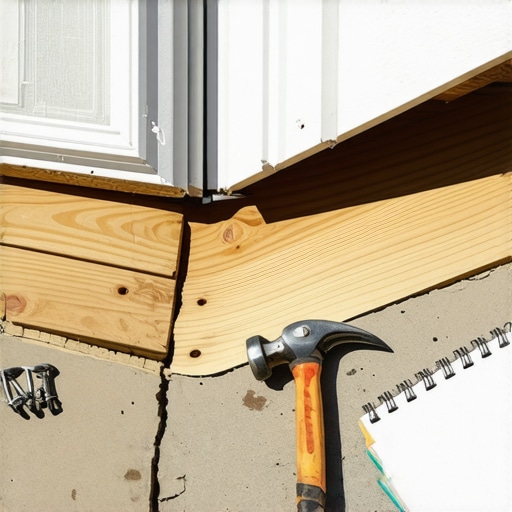
It happened suddenly. One weekend, I was sipping coffee on my deck, admiring the sunshine, when I noticed a gap forming between the deck and the siding. At first, I thought it was a minor shift, maybe just a settling issue. But when I pressed closer, I realized the deck boards were pulling away, creating a dangerous gap that could eventually lead to structural problems. That lightbulb moment made me realize—not only was my outdoor space at risk, but so was the safety of my family and friends.
Why Ignoring Deck Separation Can Lead to Bigger Problems
The truth is, a deck pulling away from the siding is more than just an aesthetic nuisance. It’s often a sign of underlying issues—such as wood rot, shifting posts, or poor construction—that, if left unchecked, can compromise the entire structure. When decks are not properly secured, movement and separation can accelerate, especially with seasonal expansions and contractions. Experts warn that such gaps can weaken the deck’s stability and make it unsafe, posing a real hazard during heavy use or storms.
Is Your Fixing Effort Actually Worth It? Common Fears Unveiled
I’ll admit, the thought of tearing into my deck and potentially causing more damage was daunting at first. I made the mistake early on of trying to patch the gap without understanding the root cause, which only bought me temporary relief. However, I learned that a comprehensive repair—done with proper tools and knowledge—was the real solution. If you’re nervous about tackling this yourself, rest assured that with careful planning, many fixes are straightforward and cost-effective. And if you’re unsure about DIY, professional guidance can make a significant difference, as discussed in resources on [working with skilled deck builders](https://deckdesignbuild.com/the-benefits-of-working-with-a-professional-deck-builder-in-your-outdoor-projects).
Ready to get your deck back in shape? Let’s dive into the practical steps you need to take to fix that troubling gap, so your outdoor space remains safe, beautiful, and welcoming for years to come.
Assess the Extent of the Separation
Start by closely inspecting the area where the deck separates from the siding. Use a tape measure or a straight edge to determine how wide and deep the gap is. During my own repair, I noticed a 2-inch gap that had developed over time, which was a clear sign of shifting posts and deteriorated framing. This initial assessment guides your repair plan and helps you identify underlying issues.
Remove Damaged Deck Boards Carefully
Next, loosen and take out any loose or rotten boards near the gap. Use a reciprocating saw or oscillating tool to cut through nails or screws without damaging surrounding boards. I once removed a section of deck boards around the problematic area, which revealed rotted joists underneath. Clearing this space gives you access to the structural components that need reinforcement or replacement.
Reinforce the Foundation and Joists
Inspect the underlying joists for signs of rot or sagging. If they are compromised, replace them with pressure-treated lumber or composite materials for durability—considering modern composite decking options. In my project, I installed new double joists and used concrete pier blocks for stable support, ensuring the deck is level and secure. Secure these with appropriate structural screws and brackets designed for outdoor use.
Secure Deck Boards and Reinforce Joints
Attach new or existing deck boards using hidden fasteners or corrosion-resistant screws. To avoid movement, install metal joist hangers and corner brackets at all connections, much like how a skilled deck builder ensures structural integrity. I learned from my experience that loose fasteners can cause further shifting, so double-check every connection.
Install Proper Flashing and Sealing
Proper flashing prevents water intrusion, which significantly reduces wood rot. Use metal or rubber flashing where the deck meets the siding, applying sealant to prevent moisture seepage. I applied a high-quality deck sealant to all raw cuts and joints to protect against weathering and extend the lifespan of the repair.
Adjust and Level the Deck Surface
Once structural repairs are secure, check the deck surface with a level tool. Use shims and adjustable post feet to align the deck properly, avoiding future shifting. When I adjusted my deck, I used shims under posts to correct a slight tilt, making the surface safe and comfortable for walking and furniture placement.
Replace or Repair Stairs as Necessary
If your stairs are affected by the gap, reinforce stringers and tread boards. Ensure the stair stringers are securely fastened and properly supported—think of them as the spine of your outdoor steps. For durable, low-maintenance options, consider composite stair solutions that resist weather and wear.
Regular Maintenance and Final Checks
After completing repairs, set a schedule for routine inspections. Tighten fasteners, clear debris, and reapply sealant as needed to maintain safety and longevity. During my last check, I discovered minor rust on certain fasteners, which I replaced promptly, preventing future issues.
Many homeowners and DIY enthusiasts assume that choosing the right composite decking or designing stairs is straightforward, but beneath the surface lie nuances that can make or break your project. One common misconception is that all composite materials are created equal; in reality, recent composite decking trends reveal significant differences in durability, flexibility, and appearance depending on the brand and formulation. Overlooking these subtleties can lead to costly replacements or unsightly maintenance. Another often-overlooked point is that many believe professional help isn’t necessary for completing a deck; however, expert guidance can ensure structural integrity, especially when integrating complex features like stairs or outdoor kitchens.
Why Do Some Decks Sag Even With Good Materials
Experts attribute sagging and warping primarily to improper framing rather than the decking material alone. An advanced mistake many make is assuming that heavier loads mean sturdier support, but in reality, precise calculation of joist spacing and proper fastening techniques play a crucial role. Modern composite decking innovations incorporate flexible composites designed to accommodate seasonal movements without cracking—yet, these benefits are wasted if the foundation isn’t properly reinforced. Misjudging these nuances can lead to years of frustration and expensive repairs.
The detail about stairs is often underestimated. Homeowners might think that standard rise and run dimensions suffice, but when steps are designed without attention to ergonomic standards and safety codes, accidents become more likely. For example, the widespread mistake of neglecting to install a middle stringer on longer stair spans can compromise stability. An advanced aspect entails calculating the exact tension and tensioning methods for railings and support posts, which prevents wobbling and enhances safety—an area where even experienced builders can slip if they don’t stay updated with modern standards.
Have you ever fallen into this trap? Let me know in the comments. Remember, a well-informed approach involving the latest trends and expert insights can significantly elevate your outdoor living experience—so don’t settle for surface-level solutions when the subtleties can make all the difference.Maintaining a beautiful and durable deck requires the right tools and methods to ensure longevity and safety. Over the years, I’ve honed a collection of equipment that makes repairs and routine inspections more precise and efficient. One indispensable tool in my kit is a high-quality digital moisture meter. Accurate moisture readings help me identify areas where water intrusion could cause rot or mold, especially in composite decking, which, despite its low maintenance reputation, still benefits from regular moisture checks. I personally prefer models like the Protimeter Surveymaster because of its reliability and ease of use, which saves me time during inspections.
Why Use a Digital Torque Wrench for Secure Fastening
When fastening deck boards or structural elements, I always rely on a digital torque wrench. Unlike standard screwdrivers or drills, a torque wrench ensures each fastener is tightened to the manufacturer’s specifications, preventing over-tightening that can damage boards or under-tightening that risks future loosening. My preferred model is the Tekton Digital Torque Adapter, which connects seamlessly to my cordless drill and provides precise torque readings. Proper fastening is crucial, especially when working with composite materials that expand and contract with temperature changes, ensuring your deck remains stable over decades.
Advantage of a Cordless Oscillating Tool for Detailing Work
For cutting through nails, trimming damaged joists, or removing old fasteners, I turn to a cordless oscillating multi-tool like the Fein MultiMaster. Its versatility and precision allow me to perform detailed cuts without harming surrounding materials. This tool is invaluable when fitting new composite boards or applying sealants in tight corners. It’s also essential for removing old flashing or caulking, which helps prevent water infiltration—a key factor in long-term deck health. I recommend investing in a model with variable speed control to adapt to different materials and job complexities.
How do I Keep Maintenance Simple Over Time?
Regular, targeted inspections combined with the right tools make ongoing maintenance manageable. Make it a habit to check for loose fasteners, deterioration, or water damage annually. Automated software like the Deck Inspection App can help document conditions and track repairs, informing your maintenance schedule. As composite decking continues to evolve, incorporating trendsetting materials outlined in the latest trends will keep your outdoor living space ahead of the curve.
Using these precise tools and methods, you can extend the lifespan of your deck and avoid costly repairs down the line. The key is consistency—pair the right equipment with routine checks, and your outdoor space will remain safe and stunning for years to come. I encourage you to try out a moisture meter on your next inspection—it’s a game changer for early detection and peace of mind.
The Surprising Complexity of a Simple Gap
One of the most unexpected lessons I encountered was realizing that even tiny gaps between my deck and siding could hide complex structural issues. What seemed like a minor repair turned into a full reevaluation of my deck’s foundation and support system, revealing the importance of inspecting beyond the visible surface.
Why Cutting Corners Can Cost More in the Long Run
I learned the hard way that rushing through repairs without understanding the root causes results in repeated fixes and escalating costs. Investing in quality materials and seeking expert advice initially can save you time, money, and frustration—especially when working with composite decking and outdoor stairs that demand precision and durability.
Universal Truths About Deck Restoration I Wish I’d Known
From my experience, one key insight is that proper flashing and sealing are vital in preventing water damage. Ignoring these details may seem insignificant but can lead to rot and structural failure over time. Remember, the little things—from the type of fasteners to the method of leveling—make all the difference in creating a safe, long-lasting outdoor space.
My Go-To Resources for Deck Revival
- Professional-grade moisture meters: Tools like the Protimeter Surveymaster have transformed how I detect hidden water intrusion, ensuring my deck stays dry and rot-free.
- Structural repair guides: Websites dedicated to deck construction, such as deck builder insights, provide invaluable tips that have enhanced my repair techniques.
- Quality fasteners and hardware: I trust brands that specialize in corrosion-resistant screws and brackets, which have proven essential in my projects for longevity and stability.
- Design inspiration and trends: Keeping up with latest composite decking trends helps me incorporate modern aesthetics and functionality into my outdoor living space.
Seize Your Outdoor Transformation Today
Taking action on your deck repair or upgrade isn’t just about fixing what’s broken—it’s about creating a safe, inviting outdoor refuge that stands the test of time. With the right tools, knowledge, and attitude, you can turn your outdoor space into a personal retreat that reflects your style and priorities. Remember, every repair is an opportunity to learn and improve for the future—so don’t hesitate to get started.
What’s been your biggest challenge when repairing or upgrading your deck? Share your experience below—I’d love to hear your story!