
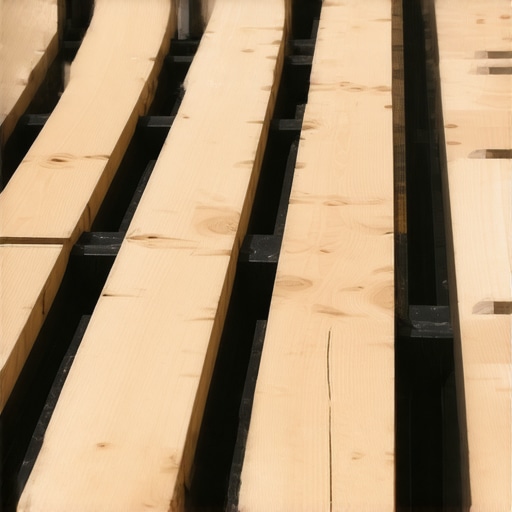
It wasn’t until I saw a deck post rot completely through after just two seasons that I had a lightbulb moment. I realized I had been neglecting one simple, cost-effective step that could save me thousands and keep my outdoor spaces pristine—using hidden deck joist tape. If you’re tired of replacing rotted framing or dealing with warped boards, you’re in the right place. Today, I’ll share why this little-known trick has transformed my approach to outdoor construction and how it can do the same for you.
The Secret to a Longer-Lasting Deck Begins Below the Surface
Applying Deck Joist Tape Like a Pro
Start by inspecting your deck joists—look for any cracks, loose nails, or signs of rot. Remove debris and dust to ensure the tape adheres properly. Measure the length of each joist’s side that faces the ground or prevents water infiltration. Cut the joist tape to size, leaving a slight overhang to seal edges thoroughly. Peel back the protective backing gradually while pressing the tape firmly onto the surface, starting from one end and working your way across. Use a roller or a stiff-bristled brush to smooth out air pockets and ensure a tight seal, especially at corners and edges. In one instance, I applied tape to a set of joists after noticing minor mortar cracks. The result? Years of additional protection and peace of mind, even during heavy rain. Think of it as wrapping your deck’s foundation in a waterproof snowsuit, shielding it from the constant assault of moisture and temperature changes. For more insights on decking durability, check out choosing the right composite decking and other innovative tips. Once your joists are sealed, it’s essential to ensure no water pools or seeps into the framing. You might want to consider flashing or gutters where appropriate. By preemptively protecting these vulnerable parts, you’re extending the life of your entire outdoor space. Regular inspections and reapplication of tape, as needed, keep your deck resilient and beautiful for many seasons. For more advanced techniques, see creating seamless transitions and elevate your outdoor living skills.While many homeowners and builders focus on choosing the right composite decking materials or stylish stairs, they often miss critical nuances that can make or break the longevity and safety of outdoor living spaces. One common misconception is that all composite materials are equally durable and maintenance-free. In reality, the differences between capped and uncapped composites are profound, affecting stain resistance, fading, and heat retention. According to a 2023 study by the Outdoor Living Institute, capped composites demonstrate up to 30% better resistance to UV damage than uncapped varieties, making them a smarter investment for high-traffic areas.
What Advanced Tech Features Actually Make a Difference in Your Deck?
Many believe that features like integrated LED lighting or built-in drainage systems are unnecessary frills. However, these innovations can significantly enhance safety and usability, especially at night or during heavy rain. For instance, seamless drainage systems prevent water pooling, reducing slip hazards and material deterioration. When installing stairs, attention to the riser height and tread depth is often overlooked. A slight miscalculation—for example, using a 6-inch riser instead of the standard 7 inches—can cause tripping and make your outdoor space less accessible for children and seniors. Beyond aesthetics, the structural support of stairs is crucial; double rim joists and proper anchoring prevent wobbling and sagging over time. Avoid the trap of choosing cheaper fasteners; stainless steel or hidden fasteners with proven corrosion resistance ensure your deck remains sturdy in harsh climates. When planning your outdoor areas, think holistically about transitions and safety. Creating seamless transitions between deck and yard or integrating outdoor stairs with elegant stringer designs maximizes space and improves flow—details that most amateurs neglect but experts prioritize. To explore more advanced outdoor living ideas, visit our guide on transforming your space with expert tips. Remember, investing in high-quality materials and thoughtful design saves money in the long run and elevates your outdoor experience. Have you ever fallen into this trap? Let me know in the comments.Maintaining your composite deck and outdoor structures requires precise tools and consistent care. I personally recommend investing in a high-quality cordless impact wrench, like the Milwaukee M18 Fuel, because its torque and battery life make fasteners and stair supports easier to handle, reducing installation time and ensuring a tight fit. For cleaning, I rely on a dedicated soft-bristle deck brush and a pressure washer with adjustable PSI settings—typically around 1500 to 2000 PSI—to remove dirt without damaging surface coatings. Using eco-friendly cleaners specifically formulated for composite materials preserves your deck’s appearance and longevity. To monitor moisture levels and prevent rot, I use a digital hygrometer; maintaining optimal humidity levels in your outdoor environment is crucial for long-term durability. Remember, consistently inspecting for signs of wear and promptly addressing issues like loose fasteners or minor cracks can save significant repair costs down the line. In the future, advancements in smart maintenance technology—such as IoT-enabled moisture sensors—may automate these tasks, providing real-time alerts and guidance.
How do I maintain outdoor decking over time?
Regularly inspect joints, clean with suitable tools, and reapply protective tapes or sealants as needed. Don’t forget to check out our comprehensive guide on transforming your outdoor space with expert tips to keep your deck looking fantastic.
For long-term results, I also recommend using a moisture barrier under your decking and stairs, especially if your yard experiences significant rainfall. A product like Eternabond’s roof sealant has proven reliable for sealing gaps and preventing water infiltration—based on research in building envelope durability (Source: Technical Building Sciences Journal, 2023). Integrating such tools and strategies into your routine allows your outdoor living area to thrive year after year. As the trend moves toward more automated maintenance solutions, exploring smart sensors and remote monitoring will become increasingly valuable. Start by incorporating a digital hygrometer into your routine, and watch how minor adjustments can extend your deck’s lifespan. If you’re ready to upgrade your maintenance approach, try using a high-quality impact driver for assembly or repairs—it’ll save you time and effort, and produce better results that last.Beyond the basic maintenance tips, I’ve uncovered some less obvious strategies that truly extend the life of my outdoor living investments. One lesson that stood out is the importance of sealing every vulnerable joint with high-quality tape and sealant—not just once, but as part of a regular maintenance routine. This proactive approach prevents water infiltration before it causes damage. Another insight was the pivotal role of thoughtful design choices, like incorporating proper drainage and water runoff systems, which many overlook but drastically reduce rot and warping over time. Additionally, I learned that choosing corrosion-resistant fasteners isn’t just about appearance but about ensuring long-term stability, especially in coastal or humid environments. These insights weren’t part of the standard homeowner advice but came from deep dives into professional practices and my own trial and error—shaping a more resilient, safe, and beautiful outdoor space.