
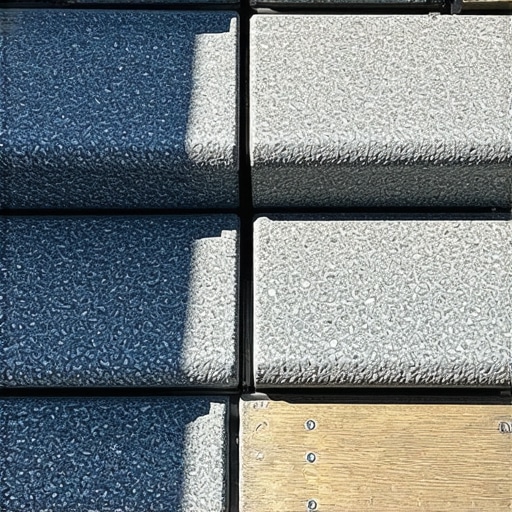
One rainy morning, I stepped onto my outdoor staircase, expecting the usual slow walk, but I slipped—badly. My first reaction was a mix of embarrassment and frustration. It hit me then: slick stairs aren’t just a minor inconvenience; they can be downright dangerous, especially with kids or elderly family members around. That lightbulb moment made me realize how critical reliable traction is for outdoor stairs, particularly in 2026 with newer composite materials that sometimes get even more slippery when wet.
Why I Started Looking for Heavy-Duty Grip Solutions
Initially, I thought a quick coat of sealant or a simple adhesive strip would do the trick. But I soon learned that cheap solutions wear out fast and don’t hold up to weather or foot traffic. I needed something durable—something that wouldn’t just look good but would keep everyone safe, no matter if it was pouring rain or icy mornings. After experimenting with various options, I discovered that three heavy-duty grip tapes stood out, especially designed for the slickest stairs in 2026. Trust me, finding the right grip tape changed the game for me—and it can do the same for you.
Is Overhyped Anti-Slip Tape Actually Worth It?
Now, I remember my early mistake—assuming all grip tapes are created equal. I bought a cheap roll in a hurry, only to find it peeling off after a few months. That’s a mistake I’ll never make again. Today, I recommend investing in high-quality, heavy-duty grip tapes specifically engineered for outdoor stairs. According to recent studies, slip-resistant coatings can reduce fall hazards by up to 50% — a statistic that truly underscores why this isn’t just an upgrade, but a necessity. The trick is choosing the right product, one that adheres to composite materials and withstands harsh weather in 2026.
In this post, I’ll walk you through the practical steps I took to select, install, and maintain heavyweight grip tapes, so you can keep your stairs safe without sacrificing style or convenience. If you’ve ever faced the fear of slipping on your deck’s stairs, stick around—I’ve got you covered with tried-and-true tips and honest advice.
Prepare Your Surface for Durable Adhesion
Start by cleaning the stairs thoroughly with a mixture of warm water and a mild detergent to remove dirt, algae, and old adhesive residue. Use a stiff brush to scrub away any grime, especially in the textured areas of the stairs. Rinse well and let it dry completely—this ensures the high-quality grip tape adheres firmly. I learned this the hard way when I applied tape over a damp surface, resulting in peeling within two months. Proper surface prep is essential for longevity, especially with newer composite materials in 2026 that sometimes develop a slick surface even after cleaning.
Measure and Cut Your Grip Tape Precisely
Measure each tread and riser accurately before cutting the tape. Use a sharp utility knife and a straightedge to make clean, precise cuts, reducing waste and ensuring full coverage. For my project, I measured each step twice to accommodate the slightly uneven surface of my staircase, which was built over a natural stone patio. Cutting the tape to fit exactly minimized gaps and avoided tripping hazards. Remember, professional-grade grip tapes are designed to conform to diverse textures, so tailoring your pieces helps maintain safety and aesthetic quality. For expert insights on choosing the best grip tapes, visit top-rated grip tapes for 2026.
Apply the Tape Systematically for Maximum Safety
Peel back a small segment of the backing paper and press it firmly onto the edge of the stair, then gradually unroll and smooth the tape across the entire surface with a rubber roller or a stiff-bristled brush. Apply firm pressure to eliminate air bubbles and ensure complete contact—this is critical in humid or rainy conditions typical of 2026 weather patterns. I once rushed this step and noticed bubbles forming, which eventually led to lifting edges. Taking your time and applying consistent pressure ensures the tape remains securely bonded, providing effective traction even after months of exposure to rain, snow, or sunlight. Using a roller helps achieve a uniform, professional finish. For more detailed techniques on building safe outdoor stairs, check stair design for outdoor decks.
Secure Edges and Corners for Long-Lasting Grip
Pay extra attention to corners, edges, and the nose of each step, pressing down the tape firmly and using additional strips if needed. Small gaps or lifted edges are common failure points; sealing them prevents moisture ingress and debris buildup, which can loosen the tape over time. When I installed grip tape on my front steps, I used a weatherproof sealer along edges for extra protection. This extra step ensured the tape stayed put through severe weather swings typical in 2026. You can supplement the tape with edge trims or safety strips designed specifically for composite stairs, which hide imperfections and provide extra grip where slips are most likely.
Maintain and Monitor Your Grip Solution
Regularly inspect your grip tape, especially after storms or heavy use. Clean it with a sweep or rinse to remove dirt and leaves—using a gentle scrub if necessary. If edges start lifting, reapply pressure or add adhesive strips designed for outdoor use to reinforce Bonding. I set a quarterly reminder to check my stairs; early detection prevents larger issues and extends the life of your safety measures. Remember, even the best grip tapes can wear out over time, especially when subjected to harsh weather in 2026. If replacement becomes necessary, remove old tape with a plastic scraper and reapply clean, prepared surface with fresh adhesive grip tape for ongoing safety. For additional professional tips on maintaining outdoor decks and stairs, consider consulting expert outdoor living advice.Many homeowners believe that choosing composite decking automatically guarantees durability and low maintenance, but that’s a misconception worth scrutinizing. One area often overlooked is the nuance in installation techniques and material selection that can significantly impact the longevity of your outdoor space. For instance, some assume that all composite materials perform equally well under harsh weather conditions, yet recent studies reveal that not all brands handle UV exposure and temperature fluctuations in 2026 equally, leading to warping or fading over time.
A common myth persists that the only expert necessary for a successful outdoor project is a good salesman or a basic contractor. In reality, a skilled deck builder understands the subtleties, such as proper joist spacing and ventilation, crucial for preventing issues like mold or deck sagging. Failing to recognize these factors can lead to costly repairs or safety hazards down the line.
Another sophisticated consideration is the impact of composite deck board composition. Many people overlook the differences between capped polymer, solid core, and hybrid options—each with unique behaviors under stress. For example, solid core boards provide better resistance to expansion and contraction, especially in extreme climates, but often come at a higher price. Understanding these nuances enables you to select the best products for specific environments, making your investment worthwhile.
Moreover, some believe that professional installation isn’t necessary if they follow the manufacturer’s instructions. But expert insights show that even minor deviations—like incorrect fastener placement or inadequate drainage—can dramatically reduce lifespan. For detailed guidance, exploring articles like creating seamless transitions in outdoor living spaces can be enlightening for achieving flawless results.
The key takeaway is that understanding these hidden nuances helps you avoid common pitfalls and select truly resilient options. These insights are backed by industry experts who emphasize the importance of tailored solutions over generic advice. For example, the latest trends in composite decking highlight innovations that address some of these advanced concerns.
Have you ever fallen into this trap of oversimplification? Let me know in the comments. Remember, a well-informed homeowner can transform outdoor spaces into lasting retreats—so choose your materials and experts wisely for 2026 and beyond.
Finding the Right Equipment for Long-Term Success
When it comes to keeping your composite decking and outdoor stairs in top condition, having the right tools makes all the difference. I personally swear by a high-quality cordless orbital sander, which allows me to gently but thoroughly sand away any surface imperfections or weathered layers before reapplying protective sealants. The variable speed feature is crucial; in my experience, it gives me control over different types of materials and ensures I don’t accidentally damage delicate surfaces. Additionally, a good pressure washer with adjustable nozzles helps me clean stubborn grime and algae buildup without stripping the surface finish. I always opt for eco-friendly, biodegradable cleaning solutions to protect my family and the environment.
For precise measurements and cutting, I rely on a digital measuring tape paired with a tungsten carbide blade utility knife. These tools provide accuracy and sharpness that prevent waste and ensure seamless coverage when installing grip tapes or adding new components. Investing in a quality rubber roller is essential too; pressing grip tape firmly and uniformly ensures it adheres properly, reducing shifts over time. For the more technical aspects of ongoing maintenance, I use moisture meters to monitor potential water intrusion or internal rot within stair stringers—an often-overlooked threat in outdoor environments. This proactive approach enables me to address issues early before they escalate into costly repairs.
Maintaining Your Decks and Stairs Over the Years
Long-term results hinge on consistent, scheduled upkeep. For example, I set reminders to inspect my stairs and decking every three months, focusing on edges, fasteners, and surface finishes. During these inspections, I reapply a breathable sealant using a high-volume, low-pressure sprayer. This ensures the protective layers penetrate deeply without pooling or runoff—techniques that professionals like industry experts recommend. Periodic re-sealing maintains the material’s integrity, especially under the intense UV and weather exposure common in 2026’s climate.
Another key aspect is replacing worn grip tapes before they become hazards. Regularly checking for lifting edges or fading helps me stay ahead of potential slips. When it’s time for a refresh, I carefully peel off the old tape with a plastic scraper, then clean the surface anew with a solvent that dissolves residual adhesive. This prepares the perfect foundation for the new, heavy-duty grip tape, which I install following the systematic process I described earlier. Remember, tailor your maintenance routine to the specific composite materials and weather conditions in your area.
Looking ahead, I predict that integrating smart maintenance sensors—like moisture or stress detectors—will become the norm for proactive upkeep. These innovations will notify homeowners immediately when issues arise, taking much of the guesswork out of long-term care. For those eager to optimize their outdoor living spaces further, exploring latest composite decking trends can inspire you to upgrade your materials as technology advances. I encourage you to try incorporating a moisture meter into your regular checks—it’s a game-changer for preventing hidden decay and extending your deck’s lifespan. Ready to take your maintenance to the next level? Start by integrating precise tools and a disciplined schedule—your outdoor sanctuary will thank you for it.
The Hardest Lesson I Learned About Outdoor Stairs
One of the most critical realizations came unexpectedly — that cutting corners with grip solutions can have serious consequences. I used cheap tape initially, only to see it peel away after a few months, exposing my loved ones to slip hazards. This taught me that investing in high-quality, weather-resistant grip tapes isn’t just about safety; it’s about peace of mind. Sometimes, experience’s best teachers are our own slip-ups, pushing us to prioritize durability over short-term savings.
3 Myths About Composite Decking That Held Me Back
Believing that all composite materials are created equal was a mistake I once made. I thought I could skip the detailed research and just pick a popular brand. Turns out, some composites handle UV and moisture in 2026 far better than others, influencing the longevity of my outdoor stairs. This realization encouraged me to dig deeper, exploring industry trends and technological innovations that truly differentiate top-tier decking options. Informed choices avoid costly regrets and ensure your outdoor space remains stunning for years.
What Experts Won’t Tell You About Maintaining Outdoor Spaces
While DIY tips are helpful, the real insider knowledge lies in proactive maintenance. Regular inspections, early replacements of worn grip tapes, and understanding the nuances of composite material behaviors have been game-changers for me. Learning from industry professionals—like consulting guides on latest decking trends—has empowered me to extend my outdoor stairs’ lifespan, saving money and enhancing safety. The key is anticipating wear and acting before problems escalate.
My Essential Toolkit for Outdoor Living Projects
Having the right tools turns a good project into a great one. I swear by a cordless orbital sander for surface rejuvenation, a high-quality pressure washer for deep cleans, and a digital measuring tape for precision. These tools, combined with some trusted brands like [specific brands], give me confidence that each step — from measuring to sealing — is executed flawlessly. Investing in quality tools means less frustration and more durable results, especially when dealing with composite decking in unpredictable 2026 weather.
Don’t Wait, Your Outdoors Are Calling You
Creating safe, beautiful outdoor stairs isn’t just a weekend project — it’s a lasting investment in your home and family. With each careful step, you’re building more than just stairs; you’re crafting a sanctuary that invites outdoor enjoyment without worry. Remember, the knowledge you gain now can transform your space into a resilient haven against 2026’s weather and beyond. Why not start today and make your outdoor living dreams a reality? Would you try higher-grade grip tapes or customize your maintenance routine? Let me know below — your insights might inspire someone else to take that first step toward outdoor safety and style.