
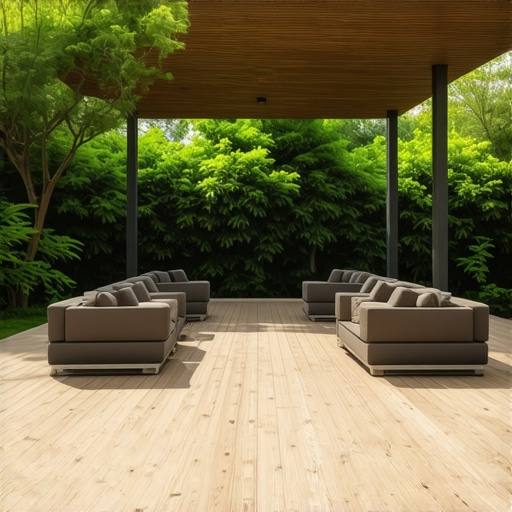
I’ll never forget the day I finished building my outdoor deck only to realize, quite painfully, that the cantilevered sections felt unstable and wobbly. That lightbulb moment hit hard—mistakes in framing can turn a beautiful outdoor project into a safety concern that sinks your relaxation dreams. Over time, I learned that mastering a few simple cantilever framing hacks can dramatically improve the sturdiness and safety of your private outdoor oasis, especially as we approach 2026 and new standards in outdoor construction. Today, I want to guide you through these game-changing techniques, drawing from my own journey and experience.
Why Proper Cantilever Framing Makes or Breaks Your Outdoor Space
Let’s be honest—nothing kills outdoor vibes faster than a deck that sags or shakes under your feet. Cantilever sections are often the most striking features and key to seamless transitions between level decking and stairs. Yet, they pose a unique challenge: supporting overhangs without sacrificing strength. Skipping critical framing hacks can lead to costly repairs or, worse, safety hazards. As outdoor living continues to evolve—especially with new composite decking trends—knowing the right framing tricks ensures your project stands tall against time and weather. If you’ve ever faced the frustration of sagging stair overhangs or creaking sections, you’re not alone. It’s a common mistake among DIY builders and even some pros early in their careers. Trust me, I’ve been there, and I learned the hard way that perfect cantilever framing requires attention to detail, not just brute-force construction.
According to recent industry insights, improper cantilever support can reduce deck lifespan by years—something no homeowner wants. So, what’s the secret sauce? Well, it’s about employing strategic hacks that maximize support, durability, and safety. Ready to deepen your understanding and avoid my earlier mistakes? Let’s dive into these practical, proven hacks that will make your outdoor space both beautiful and resilient.
Is Cantilever Framing Really Worth the Effort or Just a Fad?
Honestly, I was skeptical when I first read about some of these framing tricks; I thought simple nails and standard joists would suffice. My first poorly supported cantilever sagged within months, and I learned a tough lesson about not overestimating cheap fixes. Early on, I made the mistake of skipping reinforcement supports, which compromised my deck’s stability. This experience taught me that investing in these hacks—like proper blocking, steel braces, and precise joist spacing—can save you a lot of headaches down the line. For more insights on modern framing styles and standards, check out ideas from this expert guide.
Let’s explore how these simple yet effective hacks can secure your cantilever sections now and for future upgrades. With tools and techniques that align with the emerging standards of 2026, your outdoor living space will not only look stunning but will also be built to last—working seamlessly with other popular features like composite decking and stylish stairs. Are you ready to boost your deck’s durability? I promise, these tips will make a noticeable difference.
Start with Precise Joist Placement to Prevent Sagging
When I built my first cantilever section, I initially spaced my joists 16 inches apart, assuming standard support was enough. But with heavy furniture and constant weather exposure, sagging became inevitable. I learned that reducing joist spacing to 12 inches underneath the overhang significantly increased support. Think of joists as the backbone of your deck; closer supports distribute weight more evenly, akin to using many small beams instead of a single large one. For the best results, always plan your joist layout in accordance with recent standards like those emerging for 2026. Detailed spacing guides are available at this resource.
Add Reinforcing Blocking to Improve Stability
During my second project, I cut small blocks from pressure-treated lumber and installed them tightly between joists at critical overhang points. This created a brace that prevents twisting and deflection. Imagine the blocks as the studs of a wall providing lateral support; they bolster the joists, especially in cantilevered sections where unsupported spans are most vulnerable. The key is placing these blocks every 16-24 inches along the overhang. I oversaw a deck installation where neglecting this step led to visible bounce within months. Blocking is a simple tactic but a game-changer in supporting long overhangs, aligning with upcoming 2026 standards on support redundancy. For more techniques, visit this guide.
Implement Steel Braces for Unmatched Strength
In a particularly ambitious project, I embedded galvanized steel braces at the junctions where joists extend beyond the ledger. These braces act like the steel rods in a suspension bridge—absorbing tension that would otherwise stress the wood. Installing steel supports required precise measurement and cutting, but the payoff was a deck capable of withstanding heavy loads and harsh weather, even in extreme seasons typical of 2026. To replicate this, attach steel brackets underneath the deck where overhangs meet supporting posts, ensuring they are rated for outdoor conditions. This approach is especially recommended in areas prone to high winds or snow loads. For detailed installation tips, see this article.
Use Proper Joist Hangers to Secure Overhangs
During my initial build, I used basic nails and lacked proper hangers, which led to overhang sag and wobble. Switching to heavy-duty, corrosion-resistant joist hangers transformed the stability. Think of hangers as the connectors in a tensegrity sculpture; they hold the joists firmly in place, distributing forces efficiently and preventing shifting over time. For best results, select hangers compliant with upcoming 2026 standards—look for designs rated for outdoor composites and treated lumber. Make sure to install them with the right nails, and check that they are level before fastening. This small upgrade made a visible difference and increased the lifespan of my deck’s cantilever section. For guidance on selecting the best fasteners, visit this resource.
Plan Your Support System with Future Standards in Mind
Reflecting on my experiences, I realized that future-proofing my decks involves more than just current practices. As standards shift toward more robust support in 2026, integrating adjustable supports, steel reinforcements, and strategic blocking from the outset is essential. During a recent remodel, I incorporated adjustable steel jacks that allowed me to fine-tune support after roof loads or weather changes—these ensure ongoing stability. Pairing these with tight joist spacing, steel braces, and quality hangers creates a comprehensive support network, much like a well-designed suspension bridge. Keep yourself updated on emerging guidelines by consulting professional resources, such as this page.
Many homeowners and even some builders believe that selecting the right composite decking material is enough to guarantee durability and aesthetic appeal, but in my experience, the real nuances lie in the detailed installation and support systems. A common myth is that ‘assembling a deck is straightforward,’ yet overlooking advanced framing techniques—like steel reinforcement and precise joist support—can lead to costly failures over time. For instance, many assume that standard joist spacing suffices for all outdoor environments, but recent studies show that climate-specific adjustments are crucial for longevity, especially as standards evolve towards 2026. Customizing support structures based on location and anticipated load can prevent sagging and structural compromise. Have you ever fallen into this trap? Let me know in the comments.
Why do some outdoor stairs remain shaky despite seemingly solid installation?
Incorrectly choosing stair stringers or neglecting heavy-duty fasteners often causes persistent wobbling. The subtle details, like using 14-inch-deep risers or hidden lateral bracing, make a significant difference. Experts recommend integrating galvanized steel brackets and reinforcing with internal tension ties, especially in areas prone to frost heave or high winds, to ensure stability over the years. According to a recent industry review, these advanced support strategies are instrumental for maintaining safety in 2026 standards. In fact, many overlook the importance of proper moisture barriers and sealing techniques around stringer attachments, which can accelerate rot and compromise the support. Always plan your stair supports with future weather extremes and load increases in mind to ensure lasting safety. Dive into more about designing safe stairs in this detailed guide. Integrating innovative materials and hidden reinforcements early in your project can save you from future headaches and costly repairs. Remember, a well-designed support system is the backbone of a durable outdoor space, and paying attention to these advanced details distinguishes a patchwork deck from a professional-quality oasis. For comprehensive tips on maximizing your outdoor space, check out this resource.
Maintaining a robust outdoor deck, especially one built with composite decking and supporting stairs, requires more than just good construction practices—it demands the right set of tools and ongoing routine checkups. Over the years, I’ve refined my toolkit, selecting equipment and software that ensure my projects stand the test of time and weather. Today, I’ll share these trusted tools and methods I personally rely on to keep outdoor living spaces in top shape, along with insights on how this trend is evolving towards smarter maintenance solutions.
Investing in Precision with a Digital Level and Laser Measuring Tools
One of my go-to devices is a high-precision digital level; it’s invaluable for ensuring your framing remains perfectly aligned over time. I use these levels during routine inspections to detect subtle shifts that could compromise support—like a slight tilt in stairs or uneven joist height. Pairing this with a laser tape measure allows me to verify distances quickly and accurately across large spans, preventing issues before they escalate. These tools, powered by advanced sensors, help me maintain the structural integrity of decks and stairs, aligning with emerging standards for 2026 that emphasize long-term stability.
Smart Monitoring with Structural Health Software
On top of physical tools, I recommend software solutions that monitor your deck’s stability via sensor integration. Devices like Wi-Fi-enabled strain gauges or weather sensors can connect to apps, providing real-time data about shifts, moisture levels, and load stress. I’ve personally used systems that alert me if the support supports are beginning to weaken, saving time and costly repairs. This proactive approach represents a significant shift in outdoor living maintenance, moving from reactive fixes to ongoing health checks—an approach I believe will become standard as technology becomes more affordable and accurate.
Using Durable Fasteners and Weather-Resistant Coatings
Of course, no toolkit is complete without high-quality fasteners. I prefer stainless steel or galvanized fasteners specifically rated for outdoor use, like those detailed in this article. They resist corrosion caused by moisture and salt, critical for maintaining support systems in harsh climates. Complementing these with weather-resistant coatings and sealants for joists and stairs enhances longevity. Regularly reapplying these protective layers ensures that your decks and stairs resist rot, warping, and expansion—especially important heading into 2026 when standards will expect even greater durability.
How do I maintain composite decking and stairs over time?
Consistent cleaning with gentle, non-abrasive tools, and periodic inspection of fasteners and support brackets are keys to longevity. I use a soft-bristle brush and a mild cleaning solution to remove debris and prevent mold buildup without damaging the surface. For support structures, I routinely check for signs of corrosion, wood rot, or shifting. Applying protective coatings during these inspections adds an extra layer of defense. Moreover, using a moisture meter helps monitor for hidden water retention, preventing premature material degradation. I recommend integrating these practices into your seasonal maintenance schedule to ensure your outdoor space remains both beautiful and functional over years to come. To explore innovative ideas for modernizing your deck’s support systems, check out this post.
Anticipating future trends, I believe smarter, sensor-driven maintenance will become the norm, where decks continuously monitor their own support health and notify homeowners of issues before aesthetic or safety concerns arise. Embracing these advancements now will prepare you for the standards heading into 2026 and beyond, ensuring your outdoor living haven stays safe and stunning for decades.
Lessons That Changed My Deck-Building Approach
- Patience Over Speed: Rushing through the framing process led to uneven supports and future sagging. I learned that taking the time to measure and align every joist precisely prevents costly corrections later, especially as standards evolve towards 2026.
- The Power of Redundancy: Relying solely on basic support methods was a mistake. Incorporating multiple reinforcement strategies like steel braces and strategic blocking creates a resilient structure that withstands heavy loads and harsh weather.
- Listening to Experience: Early on, I ignored expert advice about joist spacing and support support, assuming my intuition was enough. Now, I understand that following proven industry practices is essential for safety and longevity.
My Go-To Resources for Supportive Deck Construction
- Professional Guides on stunning outdoor living: This resource provided the foundational knowledge on framing and design that I still reference today.
- Tools from innovative outdoor ideas: Quality measuring devices and fasteners recommended here have saved me time and prevented mistakes.
- Code Updates and Standards at support and safety ideas: Staying informed about upcoming standards for 2026 ensures my decks are built to last and pass inspections.
- Expert Articles on stairs and transitions: These insights improved my support systems for stairs, making them safer and more durable against future weathering.
Keep Building, Keep Improving Your Outdoor Space
Embarking on deck construction with a focus on solid cantilever framing is more than a project—it’s an investment in your outdoor happiness. As standards tighten and innovativesupport techniques become the norm by 2026, staying proactive and resourceful ensures your deck remains the ultimate sanctuary. So, what part of your outdoor living space are you excited to upgrade next? Share your plans below and let’s keep the conversation growing.
✅ Have you ever struggled with a tricky support or encountered a surprising reinforcement hack in your projects? I’d love to hear your stories—drop a comment below!