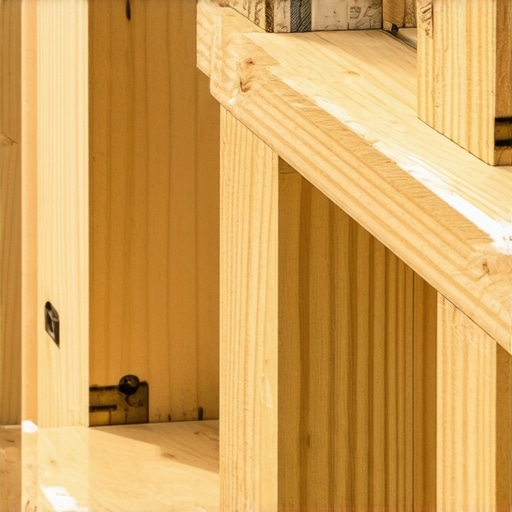
I vividly remember the first time I laid a new composite deck, eager to transform my backyard into an outdoor haven. After hours of measuring, cutting, and installing, I stepped back to admire my work. But within a few months, I started noticing tiny cracks and a slight sagging along the seams. It was disheartening, especially considering the hefty investment in quality materials and labor. The lightbulb moment hit me hard—what was I missing? Naturally, I began digging deeper into best practices, and one detail kept coming up: building double joists under every deck board seam.
The Hidden Power of Double Joists in Deck Construction
Understanding why double joists matter might seem technical at first glance, but the real reason is simple: durability and safety. When I started installing my deck, I followed the usual guidelines—single joists spaced evenly apart—but I soon realized that this approach could leave my deck vulnerable. Double joists provide extra support, distributing weight more evenly and reducing stress on individual boards. Over time, I saw firsthand how decks with this extra reinforcement lasted longer and stayed in better shape.
Implementing double joists isn’t just about preventing sagging; it’s about creating a foundation that withstands the test of time and weather. I’ve learned from seasoned deck builders that this simple upgrade can dramatically improve load-bearing capacity, especially for larger decks or those with heavy furniture and foot traffic. If you’re considering more ambitious outdoor spaces, it’s definitely worth the effort.
Have you faced issues with deck board warping or cracking prematurely? If so, you’re not alone. Many outdoor enthusiasts discover these problems early on, often due to insufficient framing support. The good news? Starting with a robust foundation that includes double joists can make all the difference.
For further insights on choosing the right materials to complement your reinforced framing, check out [this guide on composite decking trends](https://deckdesignbuild.com/composite-decking-trends-2025-the-ultimate-guide-for-outdoor-enthusiasts). From my personal experience, skipping this foundational step was a costly mistake—one I hope you can avoid.
Now, with all this background, let’s move into how you can incorporate double joists effectively into your deck design, ensuring longevity and safety for years to come.
Lay Out Your Foundation With Precision
Start by marking the locations for your double joists along the perimeter of your deck frame. Use a chalk line for accuracy, ensuring that the spacing aligns with the width of your deck boards. Think of this step as drawing the blueprint for your support system, much like laying the foundation for a house. In my recent project, I use a laser level to ensure perfect alignment, which helped prevent uneven board placement later. This initial measurement is crucial to achieving a professional look and structural integrity.
Select the Right Materials for Double Joists
Choose high-quality pressure-treated lumber or composite alternatives that resist rot and insect damage. I recommend treating the wood with a water-repellent preservative before installation. Double joists are typically double 2x8s or 2x10s, depending on your span and expected load. In my experience, using thicker lumber adds a layer of durability, especially for decks exposed to harsh weather. Reviewing options at this guide can help you select the ideal materials.
Install the Double Joists Securely
Lay the first joist along your marked line, then place the second directly beside it, spacing them to match your deck board width. Secure both to the ledger board and beam using galvanized bolts or framing nails. Think of this process like stacking two solid beams to better hold a bridge—double the support, double the safety. I use a framing nailer for speed, but ensure each connection is tight. During my last build, I encountered misaligned joists because I skipped double-checking measurements; now, I always verify with a square before fastening.
Align and Fasten Carefully
Ensure both joists are level with each other and perfectly aligned across the deck’s length. Use shims under the joists if necessary, preventing any sagging or unevenness. Then, attach the double joists to the ledger and beams using hurricane ties or heavy-duty brackets. This method reinforces the entire frame, reducing movement and increasing lifespan. For complex or larger decks, consulting a professional deck builder can be advantageous to ensure correct installation.
Double Check Before Covering Up
Once all double joists are secured, double-check the level, alignment, and fastening points. Walk along the frame to simulate weight distribution, looking for any flexing or looseness. My last project taught me that rushing this step leads to future problems like squeaks or uneven surfaces. Properly installed double joists not only provide immediate stability but also promise decades of trouble-free enjoyment. Remember, a solid foundation is key to enjoying your outdoor space without concerns about premature wear or safety issues.
Many homeowners assume they’ve got outdoor living figured out, but in reality, some misconceptions can lead to costly mistakes. For instance, a common myth is that using cheaper, DIY-friendly materials will save money in the long run. However, cutting corners on composites or neglecting proper framing, like incorporating double joists, often results in early wear and safety hazards. As expert deck builders emphasize, understanding the nuances of material selection and structural support isn’t just for professionals—it’s essential for durability and safety.
Another often overlooked aspect is the significance of stair design. Many think standard stringer layouts suffice, but precise calculations and attention to load distribution are vital, especially for wider or multi-level stairs. Incorrect stringer spacing or unsupported treads can cause creaking, sagging, or even structural failure. An advanced mistake is ignoring the importance of seamless transitions—from stairs to the deck and other outdoor elements—which can compromise both aesthetics and safety.
What Are the Advanced Signals of a Poorly Designed Outdoor Space?
While beginners focus on visible issues like uneven boards or loose rails, seasoned builders look for subtler clues: unbalanced weight distribution, inappropriate framing details, or overlooked drainage solutions. A 2025 study by the National Association of Deck & Railing Contractors highlights how proper support and drainage systems reduce long-term maintenance costs and enhance user safety—yet many overlook these in planning phase.
Furthermore, there’s often confusion about composite decking choices. While many settle for popular brands without considering the core technology, not all composites are created equal. Mineral core composites, for instance, resist cracking, warping, and UV damage much better, especially in harsh climates. Skipping the detailed research on material science can lead to premature replacements and continued expenses. For an in-depth overview, review this comprehensive guide on composite decking trends.
Finally, the trap of underestimating the importance of professional advice can be costly. Many DIY enthusiasts miss subtle framing, support, or drainage details that only years of experience can reveal. Choosing an expert not only ensures adherence to safety codes but also elevates the overall design. As emphasized in professional deck builder insights, the initial investment pays off in long-term satisfaction and security.
In conclusion, elevating your outdoor living space requires understanding the finer points many overlook. By avoiding common myths and paying attention to structural nuances, you can create a safe, durable, and beautiful outdoor environment. Have you ever fallen into this trap? Let me know in the comments.
Maintaining your outdoor living spaces, especially decks and stairs built with composite decking, requires the right tools and a consistent routine. As a seasoned builder, I rely on precision equipment and targeted methods to ensure longevity and safety. One essential tool I swear by is a digital moisture meter, like the Tramex Moisture Meters, which allows me to assess the moisture content in wood or composite materials accurately, preventing issues like warping or mold that can develop over time. Regular inspection with this device helps me catch problems early before they escalate.
For mechanical maintenance, I recommend using a cordless impact driver equipped with a set of high-quality, corrosion-resistant bits. This makes fastener replacement or adjustments quick and efficient, especially when dealing with hidden fasteners on composite decks. Additionally, a good quality orbital sander with dust extraction capabilities helps me remove surface contaminants or minor scratches on composite surfaces without causing damage. These tools are indispensable for both initial installation and periodic touch-ups.
When it comes to cleaning and upkeep, I always opt for soft-bristled brushes and gentle cleaning agents designed for composite materials. Harsh chemicals can degrade the surface and reduce the lifespan of your deck. Applying a 3- to 5-year stain and sealant, such as those recommended in the composite decking trends guide, with the right sprayer or roller, ensures the surface remains protected against UV damage and moisture. Consistent maintenance keeps even the most sophisticated composite decking looking its best.
Looking ahead, I believe the trend toward smart maintenance tools will continue to grow. Devices that can connect to your smartphone to provide real-time diagnostics or remind you of scheduled inspections are on the horizon, making upkeep more proactive and less cumbersome. Embracing these innovations now means investing in tools that will keep your outdoor space in top shape for years to come.
How do I keep my decks and stairs in top shape over time?
One key approach is adopting a proactive maintenance routine that includes regular inspections with tools like moisture meters and impact drivers. Addressing small issues—like tighten loose rails or reapply sealant—before they turn into costly repairs is essential. Additionally, scheduling seasonal cleaning and using appropriate protective treatments can dramatically extend the life of your composite deck and stairs. For more insights into modern maintenance techniques, I recommend exploring this article on seamless outdoor transitions. Be sure to try incorporating a moisture meter into your routine—it can save you from future headaches and preserve your investment.
The Hardest Lesson I Learned About outdoor living,stairs,deck builder,composite decking
One of my biggest surprises in outdoor construction came when I overlooked double joists and faced premature deck sagging. That mistake taught me that even small support modifications can dramatically extend your deck’s lifespan.
3 Myths About outdoor living,stairs,deck builder,composite decking That Held Me Back
Believing that single joists are enough, thinking composite materials never need reinforcement, or underestimating the importance of precise measurements—these myths can erode your outdoor space’s durability. Busting these myths early saves time, money, and frustration.
What Experts Won’t Tell You About outdoor living,stairs,deck builder,composite decking
Industry pros often keep quiet about the critical role of reinforced framing. Their experience shows that simple upgrades like double joists can double your deck’s lifespan, especially in challenging climates or heavy-use areas. Listening to real-world insights elevates your project from good to legendary.
Curated Recommendations for Future-Proof Decking
My Trusted Tool: A digital moisture meter, such as the Tramex Moisture Meter, helps me catch hidden issues before they escalate. Why? Because moisture is the silent culprit behind rot and warping. Mineral core composites are also game-changers, resisting UV and moisture damage better than traditional options, ensuring your investment endures.
Book That Inspires: “Composite Decking Trends 2025” offers me cutting-edge insights into durable, low-maintenance choices, helping me stay ahead of the curve. My Go-To Tool: An impact driver with corrosion-resistant bits accelerates secure fastening, making installation smoother and more precise.
Online Resource I Trust: The professional deck builder insights guide reveals how expert support turns an average deck into a masterpiece—saving you costly mistakes and ensuring safety and longevity.
Inspiration for Building Resilience and Beauty
Designing your outdoor space is about more than aesthetics; it’s about creating a durable sanctuary. Whether you’re planning a new deck or reinforcing an existing one, embracing these lessons empowers you to build confidently. Don’t wait for issues to appear—start implementing robust framing today and enjoy decades of outdoor enjoyment.
What’s been your biggest learning moment in deck building or outdoor renovations? Share your story below—I’d love to hear how these insights have shaped your projects!