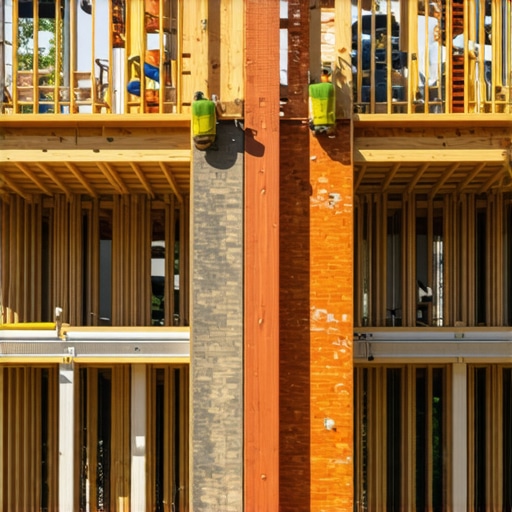
I remember the first time I built a deck, and I was eager to complete the project quickly. I skipped the center beam, thinking, “It’s just a short span; I probably don’t need one.” But after a few months of enjoying my outdoor space, I noticed some warping and slight bouncing when I walked across it. That’s when I had my lightbulb moment: even a seemingly small span can benefit from proper support, like a center beam. This realization changed how I approach deck construction today.
Why Overlooking the Center Beam Can Cause Long-Term Problems
Many homeowners and even some builders assume that if the span of their deck is under a certain length, additional support isn’t necessary. However, this overlooks the importance of load distribution and structural integrity. A center beam helps evenly distribute weight, reducing stress on joists and preventing sagging over time. Early in my career, I made the mistake of skipping a center beam on a modest-sized deck, only to see it develop noticeable bounce after a year. That experience taught me a valuable lesson about proactive support.
For those planning outdoor living spaces, understanding the role of a center beam is crucial. Not only does it enhance durability, but it also improves safety and lifespan of your deck. If you’re curious about how to properly support your deck, I recommend checking out [this resource](https://deckdesignbuild.com/elevate-your-home-top-stairs-designs-for-modern-outdoor-spaces) for more ideas on designing sturdy, stylish structures.
Are you facing issues with your current deck’s stability or worried about future damage? You’re not alone. Many overlook the importance of support beams in their initial designs, only to encounter costly repairs down the line. Let’s explore why adding a center beam—even for short spans—is a smart move, backed by expert insights and real-world experience.
Mark Your Deck Layout Precisely
Begin by measuring the span of your deck to determine if a center beam is necessary. Use a tape measure and chalk line to mark the locations for beams and joists. In my own project, I carefully jotted down measurements twice to avoid errors, which saved me from costly mistakes later. Accurate layout ensures the beam aligns perfectly with joists and posts, creating a stable foundation.
Choose the Right Materials for Support
Select high-quality pressure-treated lumber for your beam and joists, ensuring durability against weather. I recommend opting for dimensional lumber like 2×10 or 2×12 for the beam, depending on load requirements. When I built my deck, I used 2x12s for the main support, which provided extra strength and peace of mind. Choosing the right decking materials is equally important for longevity.
Construct the Support Frame
Build the ledger board attached to your house, then install the outer rim joists and the center beam supports. Use galvanized steel post bases to anchor posts securely to concrete or into the ground. I made sure to double-check vertical alignment with a level during assembly; a small misalignment can compromise the entire structure. Remember, the support posts must be properly spaced—usually 6 to 8 feet apart—depending on your deck’s size.
Secure the Center Beam
Place the chosen beam atop the support posts and secure it with steel brackets or lag bolts. For higher stability, I installed metal beam hangers, which lock the beam in place firmly. Ensuring tight connections prevents shifting over time and maintains even load distribution.
Connect Joists to the Support Beam
Attach joists perpendicularly to the center beam using joist hangers. Space them at 16-inch intervals for typical decks. I used a framing square to ensure perfect alignment, which made laying the decking boards much easier. Proper spacing allows for optimal drainage and prevents the boards from warping or buckling.
Inspect and Reinforce the Structure
Walk across the completed deck to identify any bounce or creaks. If necessary, reinforce weak joints with additional fasteners or blocking. During my build, I added extra blocking between joists, which significantly improved stiffness. Regular inspection and maintenance prolong your deck’s lifespan and ensure safety.
For further details on supporting your deck effectively, check out the joist span rule to prevent bounce or building supportive privacy screens that add stability.
While many assume that selecting the right composite decking material and building stairs are straightforward tasks, the reality is far more intricate. The common myth that all composite materials behave similarly under the sun, rain, or heavy foot traffic can lead homeowners and even some professionals astray. In my experience, understanding the subtle differences between brands—like PVC versus wood-polymer composites—and how they respond to environmental stressors is crucial for long-term durability. For instance, some composites may stain or discolor faster if not specified for UV resistance, leading to unexpected maintenance issues. Moreover, relying solely on standard fasteners without considering expansion rates can cause unsightly warping or buckling over time.
Why Do Some Outdoor Spaces Fail Despite Proper Materials?
Recent studies, including findings from the Forestry Products Laboratory, indicate that improper installation practices and failure to account for climate-specific behaviors are primary culprits. For example, in areas with high humidity or salt-laden air, certain composite brands deteriorate faster if not installed with corrosion-resistant hardware. Many mistakenly believe that once the decking is laid, little else is needed—this oversight can result in costly repairs down the line. Instead, collaborating with a seasoned deck builder can help you navigate these nuances, ensuring your outdoor living space is both stylish and resilient. To get started on your project with expert guidance, check out this resource about the advantages of hiring a professional deck builder. Stepping beyond basic material selection, paying attention to details such as proper stair design, railing height, and drainage solutions can make a significant difference. For instance, contemporary outdoor stairs aren’t just functional—they’re a part of your aesthetic. Visiting this guide on stylish stairs for decks can inspire safer, more appealing designs. Remember, the devil is in the details; minor oversight can compromise safety and beauty. So, are you considering how environmental factors might impact your outdoor upgrades? Recognizing these hidden nuances will save you time and money and help you create a truly enduring outdoor oasis. Have you ever fallen into this trap? Let me know in the comments.
Keeping your outdoor space in top shape requires more than just initial construction; it demands consistent maintenance using the right tools and methods. Over the years, I’ve refined my toolkit to include specific equipment that ensures longevity and safety. One of my top picks is a quality cordless impact driver. Its power and portability make it indispensable for tightening fasteners and replacing hardware without the hassle of cords, especially when working on elevated decks or stairs. I personally prefer models with adjustable torque settings, like the Makita XDT16, because they prevent over-tightening that can damage composite material or pressure-treated wood.
For cleaning, I rely on a good pressure washer equipped with a variable nozzle tip. I avoid the cheapest options because they often lack the control needed for delicate composite surfaces. My favorite is the Simpson Multi-Paste Pressure Washer, which combines adjustable pressure control with corrosion-resistant components. Regular cleaning with a gentle pressure helps prevent mold and algae buildup, particularly under shaded areas or near saltwater environments.
When inspecting my deck, I use a digital moisture meter, such as the General Tools MMD4E, to identify any hidden water intrusion that could compromise structural integrity. This non-invasive device helps catch issues early before they escalate into costly repairs. I recommend incorporating this into your routine at least twice a year, especially if you live in a region with high humidity or salt air.
To safeguard the deck’s appearance and durability, I apply a high-quality sealant with a sprayer designed for even coverage, like the Wagner Control Spray Max. Proper sealing not only preserves the wood and composite but also simplifies future cleaning and maintenance routines. Remember, choosing a sealant approved for your specific material, whether composite or pressure-treated wood, is crucial for long-lasting results. You can find detailed guidance on selecting the right finishing products in this article.
How do I keep my deck working over time?
Beyond the right tools, establishing a maintenance schedule is key. Inspect your deck at least biannually, focusing on fasteners, supports, and visible signs of wear. Tighten loose screws with your impact driver, replace rusted hardware, and reapply sealants as needed. For stairs and handrails, check for wobbling or cracking, and reinforce with specialized hardware—this can prevent accidents and prolong lifespan. Adopting these proactive habits ensures your outdoor space remains safe and inviting for years to come.
Looking ahead, I predict that advancements in smart technology may soon integrate sensors into deck components, providing real-time alerts about moisture, movement, or structural stress. Such innovations will make maintenance more predictive and less reactive. Until then, pairing quality tools with regular inspections remains your best strategy. For comprehensive support, collaborating with a professional deck builder can be invaluable; they can help you develop a tailored maintenance plan that addresses your specific climate and usage patterns. To explore how to keep your deck in prime condition, consult this resource. Spend a little time now, and your outdoor sanctuary will reward you with long-lasting performance and beauty. One advanced tip I suggest trying is investing in a digital moisture meter—you’ll be amazed how much early detection can save you in repairs.
What I Didn’t See Coming About Deck Support
One of the most eye-opening lessons I’ve learned in deck building is that even small oversights—like skipping a center beam—can ripple into long-term problems. I once built a compact deck without a center support, and within a year, I noticed bounce and slight sagging. That experience taught me that proper load distribution is essential regardless of span size, a principle I now apply diligently in every project.
Furthermore, understanding how environmental factors influence material performance has been crucial. I discovered that high humidity and salt-laden air accelerate composite deterioration if hardware isn’t chosen carefully. These insights reminded me that supporting a deck isn’t just about initial design but also about anticipating future challenges, guiding me to select corrosion-resistant fasteners and UV-stable materials.
Tools and Tips That Keep My Decks Solid
Over the years, I’ve curated a toolkit centered around durability and precision. A digital moisture meter, like the [General Tools MMD4E](https://deckdesignbuild.com/), has become indispensable for early detection of potential issues. For sealing and finishing, I rely on high-quality sealants compatible with composite and pressure-treated wood, detailed in this guide.
Never underestimate the power of an impact driver—models with adjustable torque, such as the Makita XDT16, make assembly faster and prevent over-tightening, ensuring the longevity of your support structures. Additionally, using levelers and shims, especially beneath support posts, guarantees stability, prolonging the life of the entire deck.
Your Next Step in Creating Resilient Outdoor Spaces
If you’re eager to elevate your outdoor living, embrace the lessons learned from experience and trusted tools at your disposal. Remember, building a deck with sound support not only ensures safety but transforms your backyard into a lasting sanctuary. Curious about how professional assistance can streamline your project? Visit this resource to discover the advantages of collaborating with seasoned experts.
So, what are you waiting for? Take the time to review your deck plans and consider adding that center support—you’ll thank yourself later. Have you ever faced unexpected issues with deck bounce or sagging? Share your experiences below and let’s learn together!