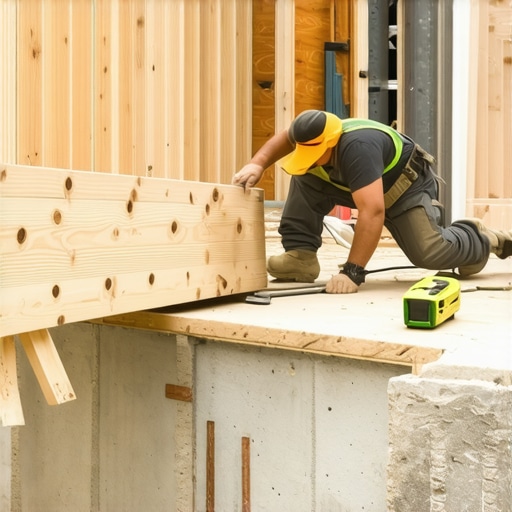
I remember the first time I built a deck with outdoor stairs, and I thought attaching the stringer to a concrete landing would be straightforward. But after a few failed attempts—squeaking, wobbling, and some unsettling cracks—I realized I was missing a crucial piece of the puzzle. That lightbulb moment made me dive deep into the world of outdoor stair construction, and now I want to share what I learned to save you from the same headaches.
Cracking the Code: Why Attaching a Stringer to Concrete Matters
Your outdoor stairs are more than just a way to access your backyard—they’re a key element of your home’s curb appeal and safety. When a stringer isn’t properly secured to a concrete landing, it can lead to instability, dangerous wobbling, or even structural failure over time. Ensuring a solid connection not only extends the life of your stairs but also provides peace of mind. I’ve seen DIY projects falter because of shortcuts in this connection, which is why understanding the proper method is essential for every homeowner aiming for durable, safe, and attractive outdoor steps.
It’s surprising how many focus solely on the aesthetic aspects of decking without considering the foundational connections. Did you know that improper attachment can cause premature rot, loosening, or worse—accidents? According to industry experts, using the right hardware and technique can double the lifespan of your stairs and prevent expensive repairs later on. I learned early on that a little extra effort pays huge dividends.
Is the Fancy Connector System Actually Worth the Hype?
When I first started researching, I found a plethora of options—from epoxy anchors to specialized brackets. My initial mistake was opting for a quick fix—using standard anchors without considering the specific demands of outdoor environments. That led to wobbling and, ultimately, replacement costs that I hadn’t budgeted for. It’s easy to be swayed by flashy products, but the key lies in understanding the structural requirements and choosing the right hardware. If you’re facing similar doubts or concerns about lasting results, stick around—I’ll guide you through proven techniques to attach your stringer securely, using methods that stand the test of time.
Mark Your Drilling Spots Precisely
Begin by positioning the stringer against the concrete landing where it will be attached. Use a pencil to mark the pilot holes through the stringer’s pre-drilled holes onto the concrete surface. I once overlooked this step, resulting in misaligned bolts and a wobbly stair once installed—don’t make that mistake. Ensuring precise marks saves time and frustration during drilling.
Drill Anchors Into the Concrete
Next, select an appropriate masonry drill bit matching your anchors’ size. Drill holes at the marked spots, applying steady pressure and letting the drill do the work. I learned early that using high-quality, carbide-tipped bits makes a difference, especially on hard concrete. Keep the holes clean from dust, as debris can weaken the anchoring process.
Choose the Right Fasteners for Outdoor Durability
Opt for stainless steel or hot-dipped galvanized anchors designed for outdoor use. These resist corrosion and maintain strength over time. I once replaced galvanized anchors with cheaper options, only to see rust develop in less than a year, compromising stability. When in doubt, investing in quality fasteners pays off.
Secure the Stringer with Anchors
Insert the anchors into the drilled holes and tighten them firmly using a torque wrench or socket driver. Be cautious not to over-tighten, as this can crack the concrete or strip the anchors. During my first installation, I over-tightened and cracked the concrete near the bolt, leading to costly repairs. Proper tension ensures a solid bond without damage.
Verify Stability and Alignment
Once attached, test the stability by applying gentle pressure to the stringer. It should feel solid, with no wobbling or movement. Use a level to double-check that the stringer is perfectly aligned with the rest of your stairs. This step is crucial, as even minor misalignments can cause uneven steps and tripping hazards.
Finish with Protective Measures
Seal the bolt heads with a weatherproof compound or caps to prevent water ingress that accelerates corrosion. I recommend inspecting these seals annually, especially if your stairs are exposed to harsh weather. Proper sealing extends the lifespan of your connection and maintains safety.
When planning your outdoor living space, it’s common to focus on aesthetics and initial installation, but seasoned deck builders know that the real challenge lies in mastering the nuances that ensure long-term durability and safety. One prevalent misconception is that all composite decking materials are created equal; in reality, many enthusiasts overlook the critical differences that can make or break their project. For instance, some assume that a darker composite board will stay cooler in the sun, but recent studies highlight that capped composites with special formulations, like those improved by newer polymer blends, actually stay cooler and resist heat buildup better—making them a smarter choice for sunny climates. Mixing the right type of fasteners is another overlooked detail. Many rely on standard stainless steel nails or screws, but advanced installation techniques recommend hidden fasteners that reduce thermal expansion gaps, which are essential for preventing buckling over time. These fasteners, such as the tight-lock systems, are designed specifically to accommodate the slight movement of composite boards, ensuring a level, smooth surface—something that traditional fasteners often compromise. A common trap I see is blending different composite brands or mixing capped with non-capped boards, which can lead to uneven discoloration, warping, or premature wear, especially in diverse outdoor environments. Experts like those at [Decks.com](https://deckdesignbuild.com/composite-decking-trends-2025-the-ultimate-guide-for-outdoor-enthusiasts) warn that mismatched materials can create hidden weak points, invisible at first but prone to failure under mechanical stress or weather changes.
Why Do Some Materials Fail Even When They Seem Perfect?
Advanced homeowners often ask why their composite deck edges or stairs show signs of deterioration despite following all the recommended steps. This is where the subtle science of environmental factors comes into play. For example, prolonged exposure to UV light can degrade certain formulations, causing brittleness or color fading, which is why choosing high-quality, UV-stabilized composites is crucial. Additionally, inadequate drainage around stairs causes water pooling, accelerating wear—yet many skip proper slope grading. Understanding these hidden factors can save you from costly repairs down the line. For an in-depth look, take a moment to review my guide on designing safe and stunning stairs, where I cover advanced materials and installation tactics that stand the test of time. Remember, even with top-tier materials, a well-executed installation is essential. Avoid shortcuts like ignoring detailed flashing or improper anchoring, which are often the silent culprits behind deck failure. To enhance your next outdoor project, consider consulting a professional deck builder who can navigate these complexities seamlessly—avoiding pitfalls that can compromise safety and aesthetics. Curious about elevating your backyard? Check out our comprehensive guide on [Top Stair Designs for Modern Outdoor Spaces](https://deckdesignbuild.com/elevate-your-home-top-stairs-designs-for-modern-outdoor-spaces). Have you ever fallen into this trap? Let me know in the comments.
To keep your outdoor decking, stairs, and outdoor living features functioning perfectly over time, investing in the right tools and adopting a disciplined maintenance routine are crucial. From selecting specialized equipment to leveraging modern software, the right approach ensures durability and beauty for years to come.
Tools That Make Deck Maintenance Easier and More Precise
One of my go-to tools is the cordless oscillating multi-tool. I use it extensively for detailed tasks like removing old sealant or tightening hidden fasteners on composite decking. Its versatility allows me to switch attachments quickly, making repairs more efficient. For example, cleaning out debris from between decking boards with a flexible blade drastically improves drainage and prevents mold buildup. Additionally, I rely on a digital moisture meter to assess wood and composite condition, especially for hidden areas where moisture intrusion can cause rot or warping. Using a moisture meter consistently helps me determine if my maintenance routines are effective or if further intervention is needed.
Another invaluable device is the cordless impact driver. Its high torque simplifies fastening tasks, especially when securing heavy-duty fasteners or installing new hardware. I prefer models with brushless motors for longer battery life and less heat during prolonged use. Furthermore, a laser level ensures that stairs and deck surfaces stay perfectly aligned, which is essential for safety and aesthetics. Investing in a quality laser level, like the Leica Geosystems model, guarantees precision that traditional bubble levels can’t match, especially over larger spans.
Software and Planning Tools for Better Deck Designs
Modern software such as SketchUp or 3D deck design programs has transformed the planning phase. I use these tools to visualize projects, experiment with materials, and plan structural details before breaking ground. This prep work minimizes errors and surprises, saving time and money. For more complex projects, I recommend consulting structural analysis software that can simulate load stresses, helping you optimize joist spacing and support placement for long-term stability. Companies like Simpson Strong-Tie offer engineering resources integrated with design software, simplifying calculations for load capacity and span limitations.
Establishing a Routine for Long-Term Results
Regular inspections are fundamental. I schedule quarterly checks to look for loose fasteners, chipped sealants, or signs of wear. Cleaning the deck surface with gentle, eco-friendly solutions—while avoiding high-pressure washers that damage composite materials—helps maintain appearance and prevents issues like algae growth. Applying protective sealants or stains designed specifically for composite and treated wood, as described in this guide, extends the deck’s lifespan. Additionally, replacing worn hardware promptly prevents small problems from escalating into costly repairs.
How Do I Maintain Composite Decks and Outdoor Stairs Over Time?
Keeping your decking in top shape involves routine cleaning, inspections, and timely repairs. Use soft-bristle brushes and gentle cleaning agents to avoid damaging surfaces. Regularly inspect joist hangers, post bases, and fasteners for corrosion or loosening; replacing with high-quality, weather-resistant hardware ensures safety. Protect vulnerable areas with sealants or caps, and ensure proper drainage around steps to prevent water pooling. Staying proactive with these practices will help your outdoor space look stunning and function flawlessly for years. For advanced techniques, consider implementing hidden fastening systems like the one discussed in this article to achieve a seamless deck surface. Don’t hesitate to try out these tips—your future self will thank you for your effort!
What the Tough Lessons Taught Me About Durability
One of my most valuable realizations came when I overlooked the importance of using corrosion-resistant fasteners in my outdoor stair project. I initially relied on standard stainless steel, but after a harsh winter, rust signs appeared, compromising stability. It became clear that investing in high-quality, weather-resistant hardware is essential for long-term success and safety. I also learned that proper sealing of bolt heads and joints can prevent water ingress, dramatically extending the lifespan of your stairs and deck.
Tools and Resources I Swear By for Lasting Results
For any outdoor decking project, a hidden fastener installation tool is a game-changer, ensuring a smooth surface and quick work. I also count on a reliable laser level to achieve perfect alignment—saving time and preventing uneven steps. Reading expert guides on composite decking has helped me select materials that resist heat and fading, making my outdoor space inviting for years.
Your Next Step Starts Now
Building durable outdoor stairs and decks isn’t just about materials—it’s about applying knowledge with patience and care. Every project is an opportunity to create a safe, beautiful space that enhances your home’s value and your lifestyle. Don’t let hesitation hold you back; take the plunge and start transforming your outdoor area today. For inspiration on elevating your designs, check out modern stair ideas. Remember, your backyard paradise is within reach—just a few well-placed steps away.