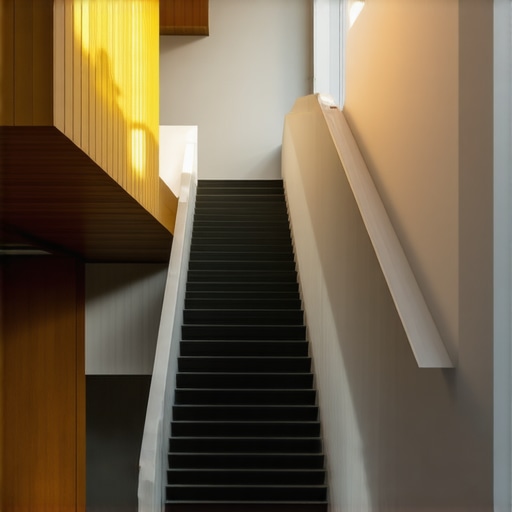
It was a sunny Saturday afternoon when I watched my toddler cautiously step onto the deck stairs, her little hand gripping the railing. Suddenly, her foot slipped through the open riser—an empty gap that seemed harmless to the seasoned eye but was a potential hazard for a curious, wobbly kid. In that moment, I realized something. The open riser design, once a popular choice, might not be the safe and stylish forever-home for outdoor stairs as I once thought.
The Day I Learned Open Risers Are Fading Out
When I first tackled building my deck, I loved the open riser look—airy, modern, and sleek. But after that incident, a lightbulb went off. Could what was once trendy actually be risking my loved ones’ safety? I dug into the research and found that many in the outdoor design community are shifting away from open risers. The reasons? Safety concerns, building codes tightening restrictions, and even durability issues that I’d overlooked. Soon, I was pondering whether I should rip out my open risers and consider more secure, enclosed options.
If you’re like me, maybe you’ve faced the same dilemma. The aesthetics vs. safety debate is real. Luckily, I discovered there’s a whole world of possibilities that blend style with security, especially with the latest advancements in composite decking and stair design. Together, we’ll explore why open risers are going out of style and how you can upgrade your outdoor steps without sacrificing that crucial curb appeal.
Is Modern Safety Just a Fad, or Is It Really Worth It?
Admittedly, I made a rookie mistake early on—choosing my deck stairs based solely on looks rather than safety standards. That oversight was a hard lesson, and I understand many homeowners hesitate to make changes out of concern for cost or aesthetic compromise. But the reality is, recent building standards increasingly favor enclosed risers for good reason. The American Society of Civil Engineers reports that stairs with closed risers significantly reduce tripping hazards, especially for children and older adults (source). Prioritizing safety doesn’t mean you have to sacrifice style, and I’ll walk you through the options that prove it.
As we dive into this topic, I’ll share not only why times are changing but also practical tips for updating your stairs with durable, low-maintenance materials—like the latest in composite decking. Ready to make your outdoor space safer and more appealing? Let’s turn those open risers into a thing of the past with confidence.
–>
Assess Your Existing Stairs Carefully
Start by examining your current stair setup; note the riser heights, tread depths, and overall stability. Use a carpenter’s level and tape measure to check for unevenness or wobbling. For example, I once used a chalk line to mark inconsistent riser heights on my deck stairs, revealing that some were off by as much as half an inch—causing trips. Fixing this early helps prevent future issues.
Choose the Right Materials that Last
Select durable, low-maintenance materials like composite decking designed for outdoor use. These materials resist rot, warping, and insect damage, much like a plastic toy that withstands rough play without deteriorating. I opted for a modern capped composite board after reviewing this guide, ensuring my steps stay attractive and safe for years.
Reframe the Stair Structure for Safety
Remove suspect framing and re-build with error-free support. Use proper joist spacing—ideally 16 inches on center—to ensure even weight distribution. When I replaced my old, uneven supports, I used a string line to ensure levelness across the stringers, which made installation smoother and the stairs firmer.
Install Enclosed Risers to Improve Safety
To prevent accidental slips and enhance safety, enclose the risers. Think of it like closing the gaps in a ladder—adding side panels that block gaps and trap debris. I installed pre-cut panels using corrosion-resistant screws; it turned my open stairs into enclosed beauties that felt safer and more polished. For more detailed techniques, check out this article.
Use Non-Slip Treads and Edging
Apply slip-resistant strips or textured paint on each tread. I bought specialized outdoor non-slip tape and applied it across the width of each step. It’s like adding a grip to a skateboard—crucial for wet or icy days, reducing slips significantly. This small addition makes a noticeable difference in safety.
Ensure Proper Riser and Tread Dimensions
Follow building codes: risers should ideally be 7-8 inches high, and treads 10-12 inches deep. I used spacers to verify these measurements during installation. Consistent dimensions create a comfortable, natural step, preventing trips and fatigue. Remember, even a small deviation can lead to stumbling, especially for kids and elders.
Secure Connections and Continuous Support
Fasten all joints tightly with corrosion-resistant hardware. Use metal brackets or screws designed for outdoor conditions, like hidden fasteners for a clean look. I learned firsthand that loose screws can cause creaks and wobbling—annoying and dangerous. For expert tips on fastener selection, see this resource.
Add Finishing Touches for Safety and Style
Paint or stain the side panels for weather protection but avoid coating the treads with paint, as it can be slippery—read this article for reasons. Incorporate lighting along the steps for visibility at night, like I did with weatherproof LED strips tucked into the riser sides. These steps not only look inviting but also prevent accidents after sunset.
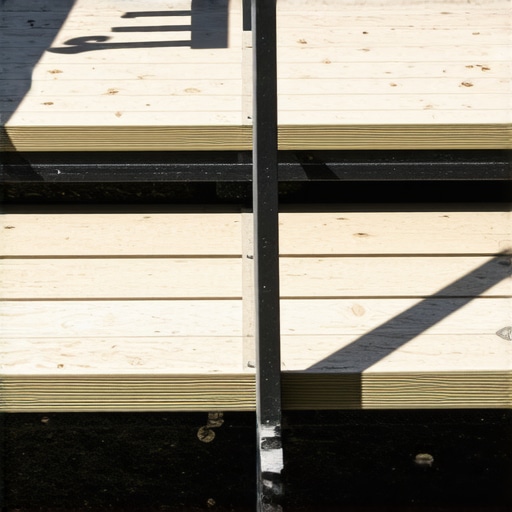 While most homeowners focus on selecting the right composite decking and ensuring basic safety, many overlook nuanced design choices that can significantly impact durability, aesthetics, and safety over time. One common misconception is that building codes alone ensure long-term stability; however, subtle framing errors, such as improper joist spacing or inadequate support at critical points, can lead to sagging or even structural failure, especially under heavy use or harsh weather conditions. For example, using 16-inch on-center joist spacing is standard, but in high-traffic or load-heavy areas, shifting to 12-inch spacing can provide appreciably better support, reducing bounce and extending the lifespan of your outdoor surface.
Another overlooked nuance involves the finishing details—like the importance of proper drainage at stair landings or ensuring that flashing techniques prevent water infiltration at ledger boards. Small oversights here can lead to water pooling, rot, or mold buildup, which are costly and hazardous to repair. To sidestep these pitfalls, it’s crucial to consult detailed resources on professional framing techniques, such as the 12-inch joist rule and proper flashing methods.
A frequent myth is that all composite decking brands perform equally well in high-heat conditions. In reality, some inexpensive capped composites can absorb and radiate heat, leading to uncomfortable, hot surfaces and faster material degradation. Reviewing latest trends and expert insights can help you select materials better suited for your climate, combining safety, style, and longevity.
For the advanced outdoor enthusiast or seasoned builder, understanding these nuances can make the difference between a temporary fix and a lasting masterpiece. Do not let small oversights turn your project into a future headache. When unsure, collaborating with a professional deck builder can be an investment that pays off in peace of mind and quality craftsmanship.
Have you ever fallen into this trap? Let me know in the comments! Discover more about how precision and knowledge elevate outdoor living projects at creating seamless transitions.
Invest in Quality Tools for Long-Term Success
Maintaining a durable, attractive outdoor deck starts with having the right tools at hand. I personally swear by a **cordless oscillating multi-tool**, which makes cleaning tight corners and delicate surface repairs effortless without over-scratching the composite material. Its versatility allows for sanding, grout removal, and even light stripping—saving time and preventing damage. For measuring and level checks, a **digital laser level** ensures absolute accuracy, especially on uneven terrain, helping me to install or re-energize stairs with confidence. These tools streamline the process, reduce errors, and ultimately extend the lifespan of your investment.
Utilize Specialized Software for Planning and Tracking
When managing complex outdoor projects, I recommend using project-specific software like **Buildertrend** or **CoConstruct**. These platforms help organize schedules, materials, and budgets while providing a digital blueprint that evolves with your project. I use Buildertrend to track progress on stair framing, order supplies, and assign tasks—preventing costly delays. For ongoing maintenance, apps that offer weather alerts and UV exposure tracking are invaluable for scheduling protective treatments and inspections. Staying organized with the right software ensures your project remains on track and mitigates future issues.
Follow a Routine for Maintenance Checks
Consistent inspections are key for **long-term results**. I perform a visual assessment every six months, looking for loose fasteners, signs of water pooling, or minor surface cracks. A simple checklist and a torque wrench allow me to tighten or replace hardware proactively, preventing small issues from escalating into costly repairs. Enclosing risers and adding slip-resistant strips, as previously mentioned, also become more effective when regularly checked and maintained. Regular upkeep keeps your deck safe, clean, and inviting year-round, reducing the need for extensive repairs down the line.
Plan for Future Scaling and Upgrades
Thinking ahead about how your outdoor living space might grow allows you to adopt scalable methods. For example, choosing modular railing systems and deck boards that are easy to replace or add onto can save time later. Incorporating features like built-in lighting outlets or drainage upgrades during initial construction makes future enhancements smoother. I also recommend staying updated on trends through resources like composite decking trends, which inform smarter choices that withstand the test of time and evolving outdoor lifestyles.
How do I maintain my deck over time?
To keep your outdoor decks functioning beautifully for years, establish a routine that includes cleaning, inspecting, tightening hardware, and applying protective finishes when necessary. Investing in quality tools like a cordless multi-tool and digital laser level will make these tasks more manageable and precise, reducing the risk of damage. Additionally, leveraging project management software keeps you organized and proactive. Remember, a well-maintained deck isn’t just about appearances; it’s about safety and longevity. For continued inspiration and expert insights, explore creating seamless transitions and stair safety. Take the time to refine your maintenance routine and tools—you’ll thank yourself in the seasons to come.
The Guesswork I Left Behind in My Outdoor Stair Journey
One overlooked detail was verifying the stability of my existing support framing; I assumed it was sound because it looked solid. However, subtle shifts in support or uneven footing often sneak in over time, especially in outdoor environments. Conducting thorough inspections early on can save unforeseen expenses and safety headaches later.
Choosing materials purely based on aesthetic appeal can be a trap. I’ve learned that prioritizing durability and low-maintenance features—like capped composite options—ensures my stairs stay attractive and safe without constant upkeep. Dive into this guide for insights into selecting the right materials.
My Unexpected Revelation About Continuity and Detailing
In my experience, small details like proper drainage proved to be game-changers. Poor water flow around the stairs leads to deterioration and safety hazards. Simple additions, such as integrated drainage channels, significantly extend the lifespan of outdoor stairs—less worry, more outdoor living enjoyment.
Enclosing risers and adding slip-resistant surfaces are crucial upgrades I underestimated initially. These features offer peace of mind, especially during rain or winter months. For a comprehensive understanding, check out this article.
Conversations That Shaped My Approach to Deck Safety and Style
Discussing with professionals revealed that implementing the 12-inch joist rule and proper flashing techniques can prevent long-term water damage—less costly repairs, more enjoyment.
Also, involving experts in project planning and execution not only accelerates progress but ensures safety standards’remet. My journey has shown that investing in expert advice is an investment in peace of mind.
Your Next Step Toward Safer, Stylish Outdoor Living
Remember, every upgrade—from choosing the right composite decking to sealing every gap—makes a meaningful difference in your outdoor experience. Embrace the lessons learned, use trusted resources, and don’t hesitate to take action now. Your outdoor sanctuary awaits—safer and more beautiful than ever.
What’s one safety upgrade on your deck or stairs you’re excited to tackle next? Share your plans below—I’d love to hear your story!