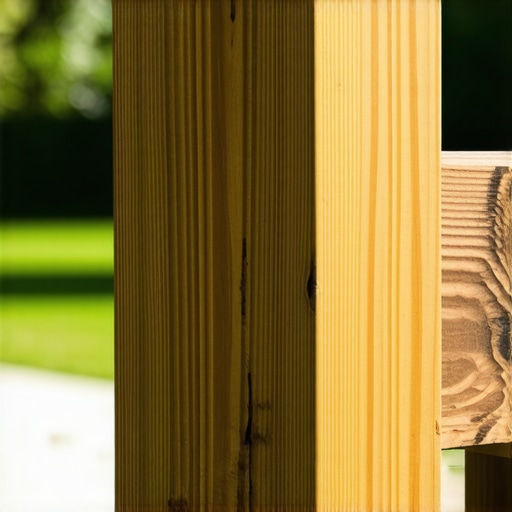
I’ll never forget the moment I looked out at my freshly stained porch and winced. The pressure-treated posts, the foundation of my outdoor space, looked dull and faded just a few months after I applied what I thought was a durable stain. It was a lightbulb moment for me—something was off. That frustration prompted me to dig deeper, and I discovered a common frustration among homeowners and DIY enthusiasts alike: how to make stain last on pressure-treated wood, especially on those stubborn posts that seem to resist all efforts.
Why Your Stain Isn’t Lasting on Pressure-Treated Posts
Pressure-treated posts are designed to withstand the elements, but they’re also notoriously tricky when it comes to stain adhesion. Early on, I made the mistake of thinking any generic stain would do. I didn’t realize that the treatment used to preserve pressure-treated wood can affect how the stain bonds. In fact, pressure-treated wood has a high moisture content and chemical residues that can cause stains to peel, crack, or fade faster than on untreated wood. This realization was eye-opening and made me more intentional about prepping and choosing the right products for longevity.
Skeptical About the Stakes? You’re Not Alone
Many think all stains are created equal, but the truth is, not all products are designed for pressure-treated wood. I used a cheap stain early on, and it only lasted a couple of seasons. The key is selecting a stain formulated for pressure-treated or composite materials. According to the ultimate guide to outdoor decking, using the wrong stain can significantly shorten the lifespan of your investment. If you’re tired of re-staining every year, keep reading. I’ll share the tried-and-true methods that worked for me and how you can achieve a long-lasting, beautiful finish.
Now, let’s dive into the practical steps you can take to ensure your stain adheres better and lasts longer. Whether you’re a seasoned deck builder or a DIY homeowner, these tips will help protect your pressure-treated posts from the relentless march of time and weather.
Start with Proper Cleaning
Before applying stain, I remember a time I used a stiff brush and deck cleaner to scrub my posts thoroughly, removing dirt, mold, and old peeling stain. This step is crucial because lingering debris prevents proper adhesion. For pressure-treated wood, use a specialized cleaner with sodium percarbonate and rinse well, allowing the wood to dry completely for at least 48 hours. This ensures moisture doesn’t trap under the new stain, preventing peeling later.
Choose the Right Stain for Pressure-Treated Wood
Not all stains are created equal, especially for pressure-treated posts rich in chemicals. I opted for an extra-penetrating, oil-based stain designed for high-moisture and chemically treated wood, like a solid or semi-transparent stain formulated for pressure-treated surfaces. According to expert advice, these penetrate deeper, creating a stronger bond and resisting cracking or peeling over time. I tested a sample on one post first to see how well it absorbed and dried.
Apply a Primer or Wood Conditioner
On my second staining project, I used a penetrating primer or wood conditioner beforehand, which acted like a primer on concrete before painting. It reduces surface absorption and evens out porosity, making the stain last longer. I applied it with a brush or sprayer, following the manufacturer’s instructions, and waited for the recommended time before staining. This step is akin to sealing a porous sponge to prevent uneven soaking — crucial for pressure-treated wood with variable moisture levels.
Create a Protective Environment During Application
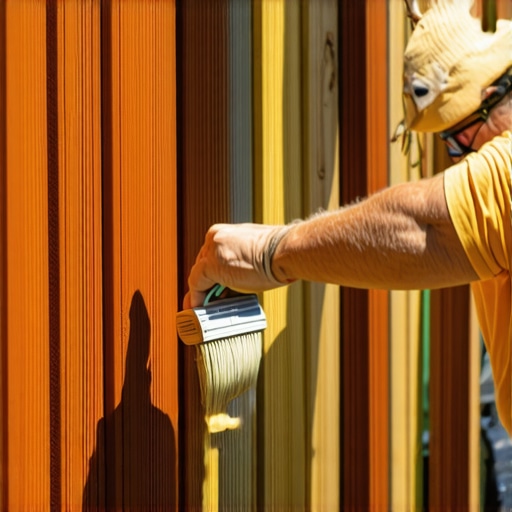
On a cool, overcast day, I opted to stain my posts late in the afternoon, avoiding direct sun and wind. This prevented the stain from drying too fast and forming surface bubbles. I used a high-quality brush and roller, working from the bottom up to avoid drips, and kept a wet edge to prevent lap marks. This mechanical approach is like painting a wall; keeping a wet edge ensures an even, durable coat, especially on vertical surfaces prone to streaking.
Maintain the Finish Over Time
One year later, I noticed some areas losing their luster, so I gently cleaned and spot-stained those sections without stripping the old stain. Regular maintenance, such as washing with a mild soap solution and reapplying stain every 2-3 years, extends longevity. Using products with UV protection also helps prevent fading. Think of it as protecting your car’s finish with wax — a little upkeep goes a long way in preserving your investment.
Leverage Advanced Techniques for Better Results
When I wanted a seamless, professional look, I experimented with airless sprayers for quick, even coverage. I masked adjacent surfaces to prevent overspray, much like a decorator taking care with delicate edges. This method saves time and ensures a consistent coat, especially on multiple posts or large areas. For detailed work, brushing still offered control over tricky corners or textured surfaces, ensuring every inch was protected from the elements.
 Many homeowners believe that constructing stairs and outdoor living spaces is straightforward, but this misconception can lead to costly mistakes and safety hazards. A prevalent myth is that traditional wood stairs are sufficient for outdoor use, yet advanced analysis shows that improper framing or insufficient support can compromise structural integrity over time. According to expert deck builders, investing in properly engineered stairs with correct stringer spacing and weather-resistant materials is essential for longevity. Another misconception involves composite decking, where many assume all brands perform equally in heat and UV resistance. In reality, not all composites are created equal; some tend to become uncomfortably hot or fade faster, especially if moisture management isn’t considered. An advanced detail often overlooked is the hidden support needed beneath wide stairs or multi-level decks. Without proper mid-span supports or adequate joist spacing, sagging and bouncing can develop, posing safety risks. For example, a lack of reinforcement at critical stress points can cause deck boards to crack prematurely, which is why working with a skilled deck builder is invaluable. Think about choosing the right fasteners for composite boards; cheap screws can rust or pop out, damaging your surface. This is a common mistake that could turn into a costly repair down the line. Remember, proactive considerations like sealing end grain or installing proper drainage are subtle yet crucial details that often get ignored but make a significant difference in your outdoor space’s durability. Have you ever fallen into this trap? Let me know in the comments.
Maintaining a durable outdoor deck requires the right tools and methods to ensure longevity and safety. I personally rely on a few proven pieces of equipment that make the upkeep manageable and effective.
Power Washers for Deep Cleaning
Nothing beats a commercial-grade power washer when it comes to removing dirt, algae, and old stain residue from deck surfaces and support posts. I prefer a model with adjustable pressure settings, like the Sun Joe SPX3000, because it allows me to control water intensity, preventing damage to composite or wooden materials. Regular cleaning with a power washer helps maintain the surface’s appearance and prevents mold accumulation, which can degrade the material over time.
Bailey’s Decking-Specific Tools
For minor repairs and maintenance, I recommend using specialized tools such as a ProPlug Fastener Removal Tool. This is invaluable when replacing fasteners or fixing squeaks in composite boards. A high-quality torque wrench is also essential — I use a DeWalt Digital Torque Wrench that ensures consistent tightening of fasteners to manufacturer specifications. Proper fastening prevents loosening and reduces the risks of bouncy or rattling surfaces, especially important on wide stairs and large decks.
Efficient Staining Equipment
Applying stain is easier and more uniform with an airless sprayer like the Graco Magnum. I choose a sprayer capable of adjusting flow rate, which allows me to cover large surfaces quickly without sacrificing quality. For detail work around edges and corners, I switch to a high-quality brush or roller. Using these tools correctly not only saves time but also guarantees an even coat that adheres better and resists weathering.
Look Ahead: The Future of Deck Maintenance Tools
Advancements such as cordless, battery-powered equipment are making maintenance easier and less cumbersome. I anticipate more integrated systems that combine cleaning, sanding, and sealing into single devices, drastically reducing turnaround times and improving results. Staying updated with these innovations can save you money and effort in the long run.
How do I keep outdoor living spaces in top shape over time?
One effective strategy is investing in high-quality, long-lasting tools combined with regular maintenance routines. For instance, applying a penetrating stain with a quality sprayer and then sealing with UV-protective products ensures your deck remains vibrant and durable through seasons. Don’t shy away from seeking professional advice to select the best equipment tailored to your specific project. For expert deck builders, upgrading your toolkit might include experimenting with advanced sprayers or smart cleaning devices. I highly recommend trying out a professional-grade power washer with adjustable settings to achieve excellent results every time. Visit our stair design guide for tips on combining style with durability, ensuring your outdoor space remains inviting for years to come.
The Hidden Lessons Behind a Lasting Finish
- One of the biggest surprises I encountered was realizing how chemical residues in pressure-treated wood can hinder stain adhesion. That lightbulb moment taught me to always research wood types before painting or staining, especially when aiming for longevity.
- My attempt to skip proper prep—like cleaning and conditioning—cost me dearly. Now, I see that thorough cleaning and using the right primer are non-negotiable steps. They act like a bridge, ensuring the stain bonds deeply and lasts longer.
- Staining in perfect weather conditions is often overlooked. I learned to wait for overcast days, lower wind speeds, and moderate temperatures to achieve an even, durable coat. It’s a small adjustment with a huge payoff.
- Using only the best tools, such as high-quality sprayers and brushes, significantly impacts the final look and lifespan. Investing in good equipment has saved me time and money in the long run, providing a professional finish every time.
My Arsenal of Go-To Resources
- Expert Deck Builders: Their articles on proper staining techniques and material selection have guided my projects and saved me from common pitfalls. Trustworthy insights make all the difference.
- Specialized Products: Brands like Penetrating Pressure-Treated Wood Stains and Wood Conditioners have proven their worth for my pressure-treated posts, showing that quality products matter for durability.
- DIY Forums and Community Blogs: Sharing experiences with fellow homeowners has introduced me to tips I wouldn’t find elsewhere, expanding my knowledge base and boosting my confidence.
- Professional Workshops: Attending local deck and staining workshops has been invaluable. Hands-on learning really cements proper techniques, especially for tricky surfaces like pressure-treated wood.
The Promise of Your Outdoor Oasis
Embarking on the journey to enhance your outdoor space with durable, beautiful staining is both rewarding and achievable. Remember, every step—from thorough cleaning to choosing the right products and tools—builds towards a lasting finish that elevates your property’s charm. Dive in, embrace the learning process, and don’t hesitate to seek expert advice; your outdoor sanctuary deserves nothing less. Have you ever struggled with getting stain to last on pressure-treated posts? Share your stories below, and let’s grow together in this outdoor adventure!