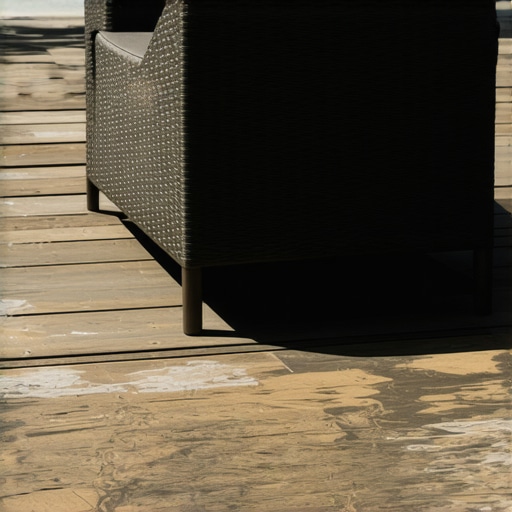
I remember the moment vividly: I was dragging a heavy outdoor dining set across my deck, confident that I could just shuffle it into place without a second thought. Suddenly, I heard that dreaded screech and saw a long, ugly scratch appear across my brand-new composite decking. It was a lightbulb moment for me—realizing that I had made a costly mistake that could have been avoided with a bit of knowledge and planning.
One of the biggest pitfalls many outdoor enthusiasts fall into involves heavy furniture or equipment—especially heavy-duty items—that can damage the very surfaces we aim to enjoy. This mistake isn’t just about scratches; it can lead to structural damage, warping, and even the need for costly repairs or replacements down the line. In my case, I learned the hard way how crucial proper protection and strategic planning are for maintaining a pristine deck surface.
Today, I want to share my personal journey from frustration to enlightenment, so you don’t have to go through the same ordeal. We’ll explore practical strategies to prevent furniture damage, protect your investment, and ensure that your outdoor space remains beautiful and functional for years to come.
Why Heavy Furniture Can Be Your Deck’s Worst Enemy
Many deck owners overlook the impact of heavy furniture—think lounge chairs, tables, or even grill stations—on their surfaces. Composite decking, which many now prefer for its durability and low maintenance, is generally resistant to wear. However, it isn’t invincible. Heavy objects can cause indentations, scratches, or worse, compromise the integrity of the material if not handled properly.
A common mistake I made early on was assuming that all furniture pads or simple protectors could shield my deck adequately. Unfortunately, not all pads are created equal. Some can slip or fail to distribute weight evenly, creating pressure points that lead to dents. Additionally, moving heavy items without proper techniques can cause gouges or cracks.
One effective approach I discovered was using specialized furniture protectors designed for composite surfaces. These pads are made of high-density polymer that absorbs weight and prevents scratches. Also, placing large outdoor rugs or heavy-duty furniture feet covers underneath these items can significantly prolong the lifespan of your deck.
If you’re contemplating outdoor furniture arrangements or planning a new setup, it’s worthwhile to consider how heavy items will interact with your deck surface. For more ideas on how to optimize your outdoor space, check out these inspiring deck ideas.
Have you ever faced damage from heavy outdoor furniture? Or are you just starting to plan your outdoor layout? Drop a comment below—I’d love to hear about your experiences and help you avoid the costly mistakes I made.
Use High-Quality Protective Pads and Rugs
Start by outfitting your heavy furniture with high-density rubber or polymer pads designed specifically for composite decking. I learned this the hard way when I applied inexpensive plastic pads, which slipped and caused scratches. Replace them with dense rubber pads that stay in place and distribute weight evenly. Additionally, placing large outdoor rugs under your furniture acts as a barrier, absorbing impact and preventing direct contact with the deck surface. This simple step made a noticeable difference on my deck’s condition.
Strategically Position Furniture and Avoid Dragging
Position your furniture carefully to minimize movement. When reconfiguring or cleaning, lift rather than drag heavy items across the surface. I once tried to slide a bulky table into place; the scratch was unavoidable because I underestimated the force required. To avoid this, I used furniture moving straps and a dolly to lift and transport heavy pieces. This practice preserves your deck and saves you from future repairs.
Plan Layout with Weight Distribution in Mind
Visualize your deck layout focusing on weight distribution. Think of your deck as a bridge—placing too much weight on one area can cause sagging or damage. Distribute heavy furniture evenly across the space, avoiding clustering items. When I set up my outdoor kitchen, I stagger heavy appliances and seating to prevent stress points. Incorporating this planning phase helps maintain the integrity of your decking over time.
Select Durable and Appropriate Furniture Materials
Opt for furniture made of lightweight composite or aluminum with protective feet. Metal furniture with rough or sharp edges can gouge the surface, especially if moved frequently. I replaced my heavy wooden bench with a powder-coated aluminum one, which reduced weight and risk. Choosing materials that are both durable and lightweight makes daily maintenance easier and reduces accidental damage.
Implement Proper Moving Techniques and Tools
Always lift heavy items instead of dragging them. When moving furniture, it’s best to use straps or dollies designed for heavy loads. I purchased a furniture dolly with rubber wheels, making it simple to shift heavy pieces without scraping the deck. Additionally, clear the area of obstacles, wear gloves for grip, and plan your route to minimize turns and forced movements. Mastering these techniques ensures your deck remains intact during rearrangements.
Regular Inspection and Maintenance Strategies
Conduct routine inspections to catch early signs of damage or wear. Check the pads, feet, and areas where furniture contacts the surface. I schedule bi-annual reviews, tightening pads or replacing worn ones. This proactive approach prevents minor issues from escalating into costly repairs and keeps your outdoor space pristine.
Leverage Expert Advice and Resources
Consult with professional deck builders for customized solutions, especially if you’re planning a significant furniture upgrade. They can recommend the best protective measures tailored to your deck’s material and layout. For advanced tips and updates on decking trends, visit these trends. Their insights help you make informed decisions to extend your deck’s lifespan.
Many outdoor enthusiasts and even seasoned deck builders hold onto misconceptions about stairs, deck design, and composite materials that can hinder project longevity and aesthetic appeal. A prevalent myth is that all composite decking is maintenance-free, but in reality, not all brands and styles resist staining, scratching, or fading equally. According to an industry study by the 2025 Composite Decking Trends Report, selecting the right capped polymer composite significantly impacts long-term performance.
One trap I see often is oversimplifying stair safety, assuming that standard riser and tread dimensions suffice without considering nuanced design aspects. Proper stair design involves meticulous attention to rise and run ratios, which directly affect safety and comfort. Builders sometimes overlook the importance of consistent riser heights, leading to dangerous, uneven stairs. An advanced mistake I advise avoiding is neglecting the edge detailing of stair treads—serrated or textured edges can prevent slipping, especially in outdoor conditions involving snow or rain—as detailed in this comprehensive guide.
A common misconception among DIYers is that more expensive fasteners guarantee longer-lasting decking. While quality fasteners matter, improper installation techniques—such as over-tightening—can cause boards to buckle or split, especially with composite materials that expand and contract. Experts recommend pre-drilling holes and following manufacturer installation instructions to avoid such pitfalls. For advanced guidance, visit this detailed article.
When considering outdoor living enhancements, many prioritize aesthetics over function. For example, integrating lighting or built-in features requires an understanding of hidden drainage and ventilation pathways. Failing to plan for these can lead to water pooling or mold issues beneath decks, causing costly repairs down the line. A smart approach involves designing with proper gaps and drainage slopes, a technique emphasized in this article.
From an advanced perspective, the hidden nuance lies in understanding how environmental factors interact with composite materials over time. For instance, darker composite boards absorb more heat, leading to warping or glass-sticking effects, which are often overlooked in initial selections. Research published by the National Association of Deck Contractors warns that color choices and climate considerations directly influence longevity.
Failing to recognize these subtleties can turn a beautiful outdoor project into an ongoing maintenance headache. Therefore, investing in professional consultation and thorough planning is essential. A skilled deck builder can identify potential pitfalls specific to your environment and material choices, ensuring your outdoor space remains functional and stunning for decades. For inspiration and expert tips, explore these transformation ideas.
Have you ever fallen into this trap? Let me know in the comments. Remember, by understanding the nuances and debunking myths, you can elevate your outdoor living space beyond basic expectations and safeguard your investment against avoidable issues.Maintaining a beautiful and durable outdoor deck requires more than just initial installation. Over time, regular upkeep, the right tools, and strategic planning are essential to ensure your deck and outdoor living area stay in top condition. As a seasoned builder and enthusiast, I’ve discovered specific tools and methods that make long-term maintenance manageable and even scalable for larger projects. In this article, I’ll share the equipment I swear by, how to leverage technology for upkeep, and where I see this trend heading.
Invest in Quality Power Tools for Routine Maintenance
One of my most valuable investments has been a professional-grade cordless orbital buffer. I use it to clean and restore composite decking surfaces, which can develop stains or minor discoloration over time. Brands like Makita or DeWalt offer models with variable speed controls, allowing gentle cleaning without damaging the surface. For particularly stubborn spots, I turn to a handheld scrubbing brush with nylon bristles, attached to a drill, to target textured areas. These tools save me hours and dramatically extend the lifespan of my deck surfaces.
Utilize Smart Monitoring and Software
As outdoor living spaces become more complex, embracing technology is the way forward. I recommend installing moisture sensors beneath the deck to monitor potential water pooling or wood rot—especially in areas prone to snow and rain, such as in the northern U.S. regions. Software that aggregates these data points can alert you to issues early, preventing costly repairs. Additionally, using project management apps like Trello or specialized software like Deck Designer helps plan renovations, scale projects, and keep track of maintenance schedules, ensuring your outdoor oasis stays pristine for years to come.
Prioritize Protective Measures with Advanced Materials
Scaling a deck or outdoor space often involves adding features like stairs or privacy walls. My recommendation is to incorporate composite materials with advanced protective coatings, which resist fading, staining, and scratching. For instance, capped polymer boards have proven to be more long-lasting than traditional composites. Also, I always reinforce steps with slip-resistant nosing and consider future scalability by designing modular structures that can be expanded or reconfigured as needed.
Plan for Long-Term Results with Professional Guidance
The future of outdoor living points toward intelligent design and maintenance solutions. Partnering with professional builders can provide insights into materials that age better and techniques that reduce upkeep burdens. Companies are increasingly offering maintenance packages that include periodic inspections using drone technology or 3D scanning, which detect even tiny structural shifts before they become obvious problems. These innovations allow you to maintain an elegant outdoor space with minimal hassle.
What’s Next for Outdoor Living Maintenance? Prediction and Preparedness
I believe the trend will shift further towards automation and integrated monitoring systems. For example, some builders already recommend solar-powered LED lighting with sensor controls that adjust brightness based on ambient light—extending bulb life and reducing energy costs. Long-term, I see robotic cleaners inspired by pool vacuums becoming common for decks and patios, keeping surfaces spotless with minimal human intervention. Staying ahead involves embracing these emerging tools and techniques now.
If you want to implement a proven strategy today, start with investing in a quality orbital buffer and pairing it with moisture sensors to proactively maintain your deck—this combination will save money and headaches down the road. Remember, long-term results depend on consistent care and smart planning. For more insights on elevating your outdoor projects, visit these inspiring ideas or consult with professionals at these expert services. Don’t wait until minor issues become costly repairs—start today with these advanced tools and techniques.
Three Surprising Truths I Only Learned Through Hard Knocks
One of my most eye-opening moments was realizing that even the sturdiest-looking composite decking can be surprisingly vulnerable to careless furniture handling. I once underestimated the power of proper protective measures and paid the price with costly repairs. That taught me that investing in quality pads and strategic arrangements is not an extra—it’s essential. Additionally, I discovered that all fasteners aren’t created equal; some can destabilize your deck over time if not installed with care. And perhaps most importantly, I learned that patience during construction and maintenance pays off immensely—rushing nearly always leads to overlooked details and future problems.
Tools and Resources That Transformed My Outdoor Projects
For me, a cordless orbital buffer was a game-changer, making maintenance faster and more effective. I trust brands like Makita for their reliable power and durability. Moisture sensors became my silent watchdog beneath the deck, alerting me to issues long before they turned catastrophic. When planning renovations or upgrades, I lean on deck design software that helps visualize space and prevent weight imbalance. And for expert insights, I consult comprehensive guides on composite decking trends in 2025, which keep me ahead of the curve regarding materials and techniques ensuring longevity and style. These tools and resources empower DIYers and professionals alike to craft outdoor spaces that stand the test of time.
Carving Your Own Path in Outdoor Living Excellence
Embarking on your outdoor living journey means stepping beyond the hype and embracing continual learning. The future promises smarter, more automated solutions—like robotic cleaners and integrated monitoring—that can make maintenance almost effortless. Now is the perfect time to start experimenting with quality protective gear, plan your layout thoughtfully, and stay informed with the latest trends. Remember, every obstacle you overcome not only enhances your skills but also deepens your connection to your outdoor space. So, take that first step confidently and transform your backyard into a haven of beauty, functionality, and resilience.