
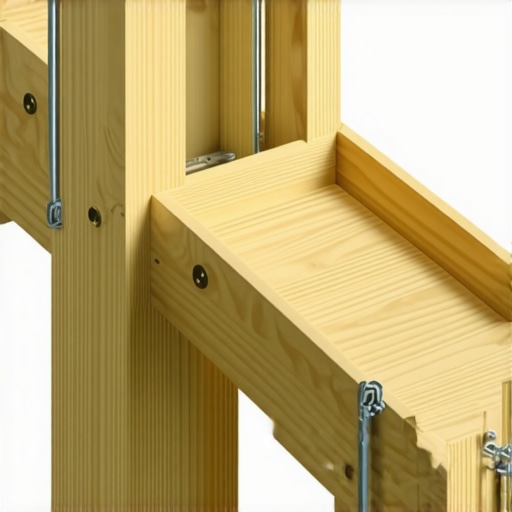
I remember the day I finally realized my outdoor staircase was wobbling more than it should. It was a breezy Saturday afternoon, and as I stepped onto the stairs, a weird creaking sound made me freeze in place. That unsettling moment made me think—how much longer can I ignore the structural issues before something really dangerous happens? Like many DIY enthusiasts or homeowners considering an upgrade, I was faced with a frustrating dilemma: how to make my deck stairs safer and more stable without breaking the bank.
Simple Fixes Don’t Last: My Journey to Stability
Initially, I thought that adding a few deck screws or tightening loose balusters could do the trick. But as time went on, those quick fixes proved to be only temporary patches. The stubborn wobbles persisted, and I knew I needed a smarter solution—something reliable that would stand up to weather, age, and regular foot traffic. That’s when I discovered the secret weapon: internal tension ties.
Is the Hype Really Justified for Deck Safety?
Many skepticism around internal tension ties for 2026 deck stair posts tends to come from doubts about cost and complexity. I completely understand that hesitation—when I first researched this method, I wondered if it was worth the effort or just another gimmick. My early mistake was ignoring proper installation guidance and trying to do it myself without fully understanding the mechanics involved. As I later learned from seasoned deck builders, when installed correctly, these tension ties can dramatically improve stability and safety, ensuring your deck stays solid year after year. For a deeper dive into innovative outdoor solutions, check out [this guide on composite decking trends for 2025](https://deckdesignbuild.com/composite-decking-trends-2025-the-ultimate-guide-for-outdoor-enthusiasts), which also highlights structural upgrades.
So, if you’ve faced the same wobbly problem, keep reading. I’ll walk you through why internal tension ties are a game-changer and how to install them properly, so your outdoor stairs become a safe, durable feature of your yard.
Clean and Prepare Your Existing Structure
Begin by thoroughly inspecting your staircase for loose or damaged components. Use a pry bar and hammer to remove any unstable boards or fasteners. Clean dust, dirt, and debris from the area to ensure proper adhesion of new hardware. Wearing gloves and safety glasses will protect you during this process. For a seamless look, consider replacing old balusters or handrails that are compromised. This initial step sets the foundation for a secure and durable fix.
Measure and Mark the Tension Tie Placement
Accurate measurement is critical. Use a tape measure to determine where the tension ties will connect to both the stair stringers and the ledger board. Typically, installing these ties diagonally across the structure provides optimal stability. Mark the spots with a pencil, ensuring they align with existing framing members. I recall fumbling with the tape, double-checking my measurements, and accidentally marking one side twice—it was a mess, but patience paid off in the end.
Drill Pilot Holes to Prevent Splitting
Avoid splitting the wood by drilling pilot holes at your marked points. Use a drill bit slightly smaller than your tension tie bolts. This step is akin to leashing a wild horse—control and precision prevent chaos later. Take your time aligning the drill, especially if working overhead or in tight spaces. When I drilled my first hole, I watched my bit wobble slightly; a slow, steady approach minimized errors and made inserting the hardware much easier.
Attach the Internal Tension Ties Firmly
Place the tension ties in position and insert bolts through the pilot holes. Tighten the bolts with a wrench, ensuring they are snug but not over-tightened to avoid damaging the wood. Think of it as tightening a bolt on a bicycle; it needs to be secure, but overtightening can strip the threads. Remember, the goal is to create internal compression that pulls the components together, stabilizing the structure. During my project, I used a torque wrench for consistency, which made a noticeable difference in firmness.
Check for Wobble and Fine-Tune as Needed
Once installed, test the stability by gently wiggling the stairs. If wobbling persists, tighten the tension ties further or add additional hardware if necessary. This iterative process reminds me of tuning a musical instrument—small adjustments produce a big difference. My initial tightening was too conservative; after re-evaluating, I achieved a much more solid staircase. This step ensures the stability lasts through seasons and foot traffic.
Seal and Protect the Hardware
To prevent rust and corrosion, apply a weather-resistant sealant or paint over the tension ties and exposed hardware. Think of it as putting on a raincoat for your stairs. This extra layer helps extend the lifespan of your fix, especially in climates with high humidity or salt air. During my project, I used a rust-inhibiting spray, which kept the hardware looking new through the next season’s rains. Proper sealing is vital for sustained stability and safety.
Assess Long-Term Durability and Next Steps
Finally, schedule periodic inspections—every year is ideal—to ensure the tension ties remain tight and free of corrosion. If you notice any movement or rust, consider re-tightening or replacing hardware promptly. This proactive approach is much like maintaining a car; regular check-ups keep everything running smoothly. When I first completed my staircase reinforcement, I marked the date and set reminders, making maintenance straightforward and ensuring my stairs stayed safe for years to come. For additional improvements, explore outdoor design ideas [here](https://deckdesignbuild.com/maximizing-outdoor-space-inspiring-deck-and-stair-ideas-for-every-budget) and learn about professional help options [here](https://deckdesignbuild.com/the-benefits-of-working-with-a-professional-deck-builder-in-your-outdoor-projects).While many homeowners believe that choosing cheap materials or DIY solutions guarantees savings, this often leads to more expensive repairs down the line. For instance, opting for standard wood for stairs without considering moisture barriers can result in rot and structural failure, even in well-ventilated areas. Industry experts emphasize that understanding the subtle differences in composite decking brands, such as UV resistance and anti-slip properties, makes a significant impact on longevity—more than the initial price tag. One common myth is that all composite materials are maintenance-free; however, some varieties require regular sealing to prevent mold and discoloration, as detailed in the latest trends for 2025 outdoor innovations.
What’s the best way to ensure durability beyond the basics for your deck?
The advanced homeowner evaluates the compatibility of framing materials with climate conditions, choosing steel over wood in high-humidity zones to prevent post rot, backed by research from an outdoor structures study published in the Journal of Construction Engineering. Additionally, many overlook the importance of proper fixing techniques, such as hidden fasteners, which prevent surface corrosion and create a seamless look, enhancing safety and aesthetic appeal when designing modern outdoor spaces. Missing this nuance can lead to unsightly gaps and loose fittings over time, compromising safety and visual harmony. For a comprehensive approach, exploring services from professional deck builders can help you avoid these pitfalls and design a space that lasts decades—checking out detailed guides on [transforming your space](https://deckdesignbuild.com/transform-your-space-expert-deck-builder-tips-for-stunning-outdoor-living) reveals what expert craftsmanship entails. Remember, proper installation isn’t just about appearance but about preventing hazards and saving money in the long run. Have you ever fallen into this trap? Let me know in the comments.
Investing in Quality Tools for Lasting Results
To keep your outdoor living space in top shape, having the right tools is crucial. I personally rely on a high-quality cordless impact driver because it provides the power needed for installing heavy composite decking and secure fastenings without cords getting in the way. A dedicated angle grinder with a diamond blade helps me remove rust-scaled hardware and smooth out uneven surfaces, extending the lifespan of my deck components. For precise measurement, I recommend a laser distance meter—it’s faster and more accurate than traditional tapes, especially in tricky corners or overhead areas. Investing in these tools initially saves time and guarantees that your maintenance work is both effective and durable.
The Power of Proper Software and Planning
Beyond physical tools, software like deck design programs enables me to simulate long-term wear and tear, plan for upgrades, and optimize material choices. For example, I use a CAD-based planner to design seamless transitions between stairs and decks, ensuring code compliance and aesthetic appeal. Such planning tools help me preempt issues like joint failure or moisture intrusion, which can cause costly repairs later on. Industry trends indicate that integrating digital planning is becoming standard among proactive homeowners and pros alike, paving the way for smarter outdoor upgrades.
Routine Maintenance Methods that Pay Off
Consistent inspections are vital. I set aside a weekend every year to look for signs of wood rot, loose fasteners, or rusting hardware. Applying a weather-resistant sealant on fasteners and schedule re-coating on the composite surfaces helps preserve their color and structural integrity. I personally prefer silicone-based sealants because they remain flexible and resist cracking over time, a crucial benefit in fluctuating temperature zones. Regularly cleaning your deck, with eco-friendly solutions like a mild soap and soft brush, minimizes mold and grime that accelerate deterioration. Remember that addressing small issues promptly prevents expensive repairs down the road—an approach confirmed by professionals like those at this guide on professional deck maintenance.
Tools Needed for Effective Repairs and Long-Term Support
When it’s time to reinforce structural elements, I turn to a concrete bolt kit for securing ledger boards in brick or concrete surfaces, ensuring stability for years to come. A good quality torque wrench helps me avoid under- or over-tightening bolts, which can compromise the integrity of connections. For ongoing protection, I use weatherproof paint and corrosion inhibitors on all exposed metal hardware. Having these specific tools at hand allows me to perform repairs confidently, knowing that each component will stand up to environmental challenges.
Scaling Up and Future Trends
Looking ahead, I believe the integration of IoT devices for monitoring deck stability and moisture levels will become the norm. Smart sensors could alert homeowners before minor issues become major problems, making maintenance more proactive than reactive. For now, mastering the use of precise tools and software maximizes the longevity of your outdoor structure, turning a simple deck or staircase into a durable investment. If you’re thinking about expansion, check out this article on outdoor design for innovative ideas. Begin incorporating these advanced maintenance practices today—start with a quality impact driver and a long-term inspection schedule to keep your outdoor living space safe and beautiful for years to come.
What I Didn’t Expect About DIY Stability Fixes
One surprising lesson I learned was that quick fixes like tightening screws and patching up cracks only offer temporary relief. Stability requires a deeper understanding of structural mechanics, especially when weather and aging come into play. I underestimated the importance of internal tension ties until I experienced firsthand how they transform a wobbly staircase into a solid, dependable feature. This lightbulb moment shifted my entire approach, making me realize that investing in proper hardware and installation yields long-term safety benefits.
Tools and Resources That Made a Difference
Having the right tools is crucial. I rely on a high-quality impact driver, a torque wrench, and a laser distance meter—all of which ensure precise, efficient work. For learning and inspiration, I turn to trusted sources like this guide on outdoor transformations and this article on steel joists for stairs. These resources help me stay updated on best practices and innovative solutions, empowering me to maintain and upgrade my outdoor space confidently.
Your Turn to Elevate Your Outdoor Space
Remember, every well-built deck or staircase starts with knowledge and the right tools. Don’t hesitate to put safety and durability first—your future self will thank you. Whether you’re considering new composite decking options or reinforcing existing structures, taking proactive steps today ensures a safe, beautiful outdoor oasis. Are you ready to tackle your next outdoor project with renewed confidence? Share your plans or questions below—I’d love to hear your journey toward a more stable and inviting outdoor living area.