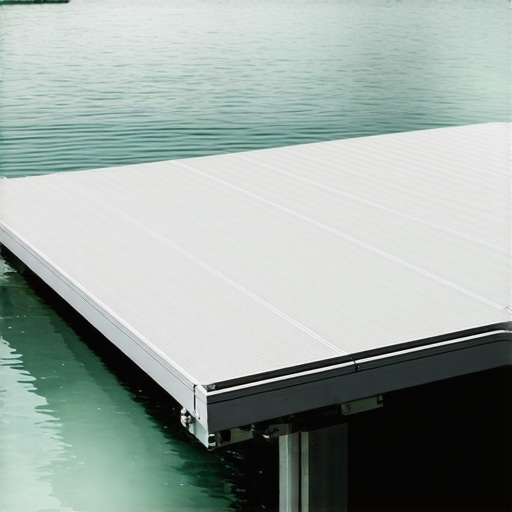
I remember the first summer after building my deck near the lake. It was a beautiful weekend, kids splashing around, friends laughing, the perfect scene. But then, I noticed something alarming—some of my wooden joists showing signs of warping and rot just after a couple of seasons. It hit me that my outdoor oasis was fighting against nature’s relentless assault. That moment was a real lightbulb for me. I started questioning my material choices and wondered if there was a better way to ensure my deck stays sturdy and beautiful.
Discovering the Aluminum Advantage for Water-Adjacent Decks
Since then, I’ve become a dedicated supporter of using aluminum joists for decks near water. Aluminum’s resistance to moisture, corrosion, and rot offers peace of mind that traditional wood simply can’t match. In my experience, this switch has transformed my outdoor space into a maintenance-light retreat, giving me more time to enjoy the view instead of repairing it. Today, I want to share why this choice can be a game-changer for anyone with a deck in a challenging environment and how it might just be the upgrade you’ve been searching for.
Is Aluminum Really Worth the Hype?
I confess, I was skeptical at first. I’d heard aluminum was expensive and maybe overkill. But early on, I made a costly mistake—installing a deck with pressure-treated wood and ignoring the harsh realities of a lakeside setting. Within a few years, I was patching rot and replacing joists more often than I’d like to admit. If you’ve faced similar struggles, you’ll appreciate how aluminum’s durability and low-maintenance properties make it a worthwhile investment. For more tips on transforming your outdoor space, check out expert deck-building tips that can help you turn your backyard into a stunning oasis.
Secure the Foundation with Precise Measurements
Start by measuring your deck layout meticulously. Use a chalk line to mark the positions where your aluminum joists will sit, ensuring they align perfectly with your supports. I remember a time I mistakenly misaligned the first row, which caused subsequent boards to hang unevenly. Double-check measurements and use a laser level for accuracy to prevent costly adjustments later.
Prepare the Support Structure Correctly
Before placing the aluminum joists, reinforce your support posts and beams. Use corrosion-resistant brackets and fasteners compatible with aluminum. When I built my last deck by the lake, I welded a galvanized steel subframe that resisted moisture better, but aluminum brackets are even better at preventing rust and require less maintenance. Focus on ensuring all supports are firmly anchored to withstand weather and water exposure.
Spacing Matters: Optimal Joist Distance
Maintain manufacturer-recommended spacing, typically 16 inches on center, to support composite or wood decking adequately. Too wide, and the decking may warp; too narrow, and you’ll waste materials. I once installed decks with 24-inch spacing, leading to bounce and sag over time—never again. Use adjustable spacers during installation to stay precise.
Anchor Aluminum Joists Securely
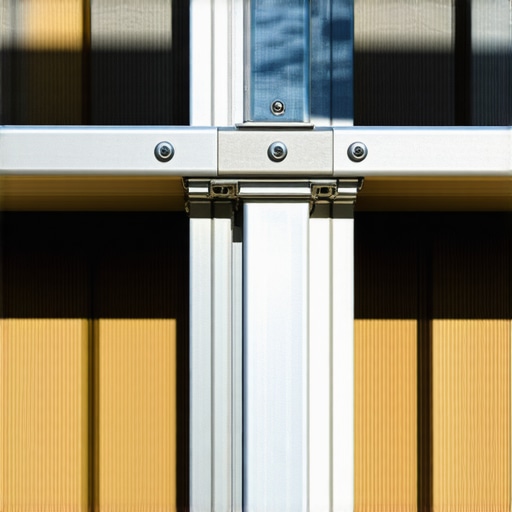
Fasten the aluminum joists with stainless steel screws or clips designed for outdoor use. Avoid nails, as they tend to loosen, especially under water-related stress. In my experience, pre-drilling small pilot holes reduces the risk of deformation or cracking of the aluminum, especially when working in cold weather. Ensure screws are driven flush to prevent hindering deck surface installation.
Use Weatherproof Fasteners to Prevent Rattling
Because aluminum expands and contracts, select fasteners that accommodate slight movements without losing grip. I recommend high-quality clips that clip onto the joists and deck boards, reducing noise and vibrations. During a recent project, I used anti-rattle clips that kept my deck quiet even during temperature changes, enhancing comfort and durability.
Protect Joints and Edges with Sealant
Apply a marine-grade sealant or protective coating around joints and fasteners. This prevents moisture intrusion, which can cause corrosion or degradation over time. I learned this lesson the hard way when unsealed joints began to rust within a year—seal everything meticulously for longevity.
Incorporate Proper Drainage Systems
Design your deck with a slight slope—about 1/4 inch per foot—so water flows away from the structure. Install gaps between deck boards to facilitate water runoff, especially if using composite decking, which can trap moisture. I also installed an under-deck drainage system, inspired by outdoor living innovations, to keep the area beneath dry and usable.
Routine Inspections and Maintenance
Regularly check fasteners and joint seals, especially after severe weather, to catch early signs of corrosion or looseness. Cleaning aluminum components with soap and water keeps the surface looking new and prevents buildup that attracts moisture. These simple steps can extend your deck’s lifespan significantly.
 Many homeowners and even some DIY enthusiasts believe that choosing the right materials or following basic guidelines is enough to build safe, attractive outdoor stairs and decks. However, there are nuanced pitfalls and misconceptions that can compromise safety, longevity, and aesthetics. One common myth is that composite decking requires no maintenance. While it’s low-maintenance, it still demands proper installation techniques to prevent issues like warping or mold growth, as highlighted in recent [expert studies](https://deckdesignbuild.com/choosing-furniture-that-wont-leave-rust-rings-on-your-deck). Another misconception is underestimating the importance of precise stair stringer calculations; incorrect measurements can lead to wobbling or uneven steps, creating safety hazards and calling for costly repairs.\n\nMany assume that stair handrails are purely decorative, but they are essential for safety and must meet specific codes, including proven load-bearing capacities. Inaccurate installations often cause handrails to become loose or fail under stress, especially over time. Always consult a trusted [deck builder](https://deckdesignbuild.com/deck-builder-insights-designing-your-dream-outdoor-space) to ensure compliance and durability.\n\nFor advanced builders, understanding the hidden biomechanics can make a real difference. For example, the subtle difference between using structural #fasteners versus regular nails impacts the overall stability of the stair stringers. Proper anchoring with corrosion-resistant, high-strength bolts prevents loosening due to water exposure and thermal movement. Incorporating smart drainage solutions, like a slight slope or spacing between the boards, is often overlooked but critical to preventing water pooling and wood rot.\n\nA common mistake is neglecting the nuances of stair rise and run ratios. Following standard guidelines such as the 7-11 rule (7 inches rise, 11 inches run) isn’t enough; variations caused by uneven terrain require custom scribing techniques to ensure safety and comfort. Installing stairs on sloped ground without adjustment can lead to trip hazards and uneven footing. For cutting-edge techniques, see specialized guides from seasoned [deck professionals](https://deckdesignbuild.com/innovative-stairs-solutions-for-safe-outdoor-deck-access).\n\nThe ‘oops’ factor becomes even more critical when considering wind or snow load impacts on outdoor stairs and decks. Using oversized fasteners, integrating cross-bracing, and selecting materials with proven resilience, like aluminum or composite, can drastically reduce risks. Remember, the most overlooked detail often relates to the anchoring of posts and supports: inadequate footing or improper concrete curing can cause shifting or settling over time. Always verify your foundations carefully — a detail that [most builders] miss during rush jobs.\n\nSo, what does all this mean for practical outdoor living? The truth is that building safe, durable stairs and decks requires a blend of proper material selection, meticulous measurement, and nuanced understanding of structural behaviors. Do not fall into the trap of thinking basic rules are enough. Instead, invest in precise planning and expert guidance. Want to explore more on elevating your outdoor space with these insights? Check out tips from [top deck builders](https://deckdesignbuild.com/transform-your-space-expert-deck-builder-tips-for-stunning-outdoor-living). Have you ever fallen into this trap? Let me know in the comments.When it comes to maintaining your composite decking and outdoor stairs, having the right tools is crucial for ensuring safety, durability, and a beautiful finish. Personal experience has shown that investing in quality equipment not only saves time but also extends the lifespan of your project. A reciprocating saw with precision blades is invaluable for making clean cuts through composite boards, especially when customizing stairs or fitting deck components around existing structures. I personally prefer models with orbital action, like the Milwaukee Hackzall, because they provide smooth cuts and minimal splintering. For joint integrity, I use a high-quality cordless drill fitted with a torque control feature, which helps prevent over-tightening fasteners and damaging the material. For fastening, I’ve found that stainless steel screws designed for outdoor use—such as TimberTech’s E601 Series—resist corrosion and provide a secure, long-term hold. To prepare surfaces properly, I recommend a handheld oscillating tool equipped with carbide-grit attachments to clean groove edges or remove stubborn sealant residues. Additionally, a digital angle finder helps maintain precise stair stringer cuts, ensuring safety and comfort over time.
How do I maintain my outdoor stairs and decks over time?
Regular inspections are vital. I set a quarterly schedule to check for loose fasteners, signs of corrosion, or areas where sealant has degraded. Applying a high-quality marine-grade sealant around joints and fasteners from brands like 3M Marine Adhesive Sealant 5200 enhances water resistance and prevents wood rot or metal corrosion, aligned with expert guidelines from industry standards. For deep cleaning, a soft-bristle scrubbing brush combined with environmentally friendly composite cleaners keeps the surface free of mold and algae without damaging the finish. To make this process more efficient, I use a garden sprayer to apply cleaning solutions evenly and a microfiber cloth to wipe away loosened debris. As our designs evolve towards integrated lighting and drainage systems, tools like a laser level and a masonry bit become indispensable for installation accuracy. Embracing these specialized pieces of equipment streamlines the process, boosts safety, and prolongs the life of outdoor living spaces.< >Looking ahead, advancements like smart sensors embedded into decking components could provide real-time health monitoring, alerting homeowners to structural issues before they become apparent. I encourage you to try upgrading your fasteners with corrosion-resistant stainless steel or aluminum clamps, as these simple improvements make a significant difference in long-term performance. If you’re interested in more expert insights, visit our [deck builder tips page](https://deckdesignbuild.com/transform-your-space-expert-deck-builder-tips-for-stunning-outdoor-living). Investing in the right tools today ensures your outdoor spaces remain safe, beautiful, and low-maintenance for years to come.
What I Wish I Knew Before Building My First Outdoor Deck
One of the most valuable lessons I learned was the importance of precise measurements and spacing—skipping this step costs time and money later. I also realized that choosing materials like aluminum for water-exposed areas isn’t just a trend but a game-changing decision that saves on maintenance. Moreover, I discovered that understanding the subtle biomechanics of stair stringers prevents wobbling and safety hazards, making a huge difference in durability and peace of mind. Lastly, I learned that investing in the right tools from the start—like a laser level and quality fasteners—makes the entire process smoother, safer, and more satisfying.
Tools and Resources That Transformed My Deck Building Experience
For anyone serious about outdoor projects, I recommend checking out high-quality stainless steel screws designed for outdoor use, which resist rust and ensure longevity. A laser level is indispensable for accurate measurements, preventing uneven decks and stairs. I trust the comprehensive guides available at deck builder insights to understand the nuances of structural integrity. Additionally, innovative fasteners like hidden clips not only enhance aesthetic appeal but also improve stability. Lastly, consulting trusted industry standards from seasoned professionals helps avoid common pitfalls and ensures compliance with safety codes.
Your Next Step Toward Outdoor Excellence
Building a stunning and durable outdoor space is within your reach, especially when you incorporate these insights into your planning and execution. Whether upgrading your existing deck or starting fresh, remember that attention to detail and quality materials make all the difference. Don’t let misconceptions or shortcuts undermine your effort—invest in knowledge and the right tools. Ready to transform your outdoor living area into a safe, beautiful retreat? Your journey begins now—take that first step and craft an outdoor space that truly meets your needs and dreams.
What’s the most challenging aspect you’ve faced in building or maintaining your outdoor stairs or deck? Share your story below—I’d love to hear how you’re making your outdoor space work for you!