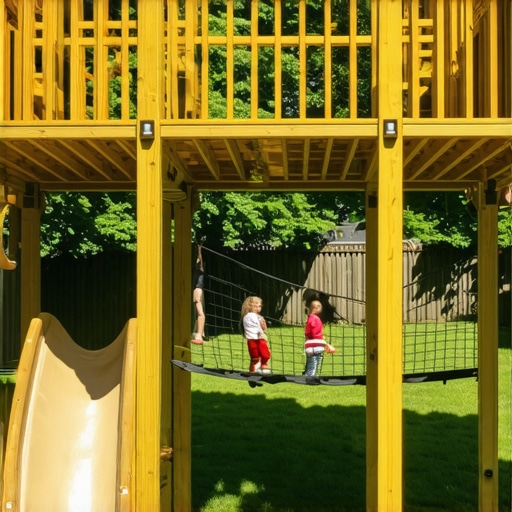
I remember the moment vividly—my kids were eagerly climbing the deck stairs, laughter ringing out, when I suddenly caught a glimpse of a near-miss. One of them almost toppled over the edge, and it hit me hard: the safety features we often overlook can be life-saving, especially on decks over 30 inches high. That lightbulb moment made me reevaluate my outdoor setup, realizing that what seemed like a minor oversight could have serious consequences.
The Hidden Danger of Unprotected Decks
Many homeowners assume that a sturdy railing is enough, but what about the critical gaps or the overall height that can turn a fun outdoor gathering into a risky situation? When your deck exceeds 30 inches, the stakes get higher—literally. Falls from this height can cause injuries ranging from minor bruises to serious fractures or head trauma. As a seasoned deck builder, I’ve seen firsthand how a small safety oversight can lead to big problems. That’s why I’m passionate about sharing this essential safety feature that every deck over that height needs.
Today, I promise to guide you through why this feature matters so much, how to identify the potential hazards on your deck, and the simple steps you can take to protect your loved ones. Trust me, implementing this could be the difference between a safe outdoor retreat and a preventable accident.
Is Overengineering Necessary? My Early Mistake
When I first started building decks, I underestimated the importance of solid safety measures—particularly for higher decks. I thought a basic railing would suffice, but I quickly learned that gaps, improper heights, and weak attachments could spell disaster. The mistake I made early on was assuming that all railings are built equally, which isn’t true. Properly designed safety features do more than meet code—they provide peace of mind. If you want to dive deeper into professional design principles, check out how working with an expert can make your deck safer and more durable.
Now that we’ve covered the why, let’s explore the critical safety features that will keep your deck secure and enjoyable for years to come.
.
Secure Your Railings Properly
Start by checking your current railing system. Use a level to ensure the top rail is at the recommended height—generally 36 to 42 inches for decks over 30 inches high. If your railing wobbles or has large gaps, tighten or replace fasteners with galvanized or stainless steel hardware to prevent loosening over time. I once visited a client’s deck where the railings kept wiggling; after tightening all connections and installing additional fasteners, the stability improved dramatically, eliminating the risk of your kids climbing or leaning dangerously.
Choose the Right Materials
Opt for durable, low-maintenance materials like aluminum or composite rails. These resist weathering and reduce upkeep, maintaining safety year after year. For instance, I recently replaced an old wooden railing with aluminum ones, which required minimal maintenance and stayed sturdy despite harsh weather. For guidance on selecting quality composite decking options, see this guide.
Create Enclosed Gaps to Prevent Accidents
Gaps in the railing can be a hazard, especially for small children. Measure the spacing—most codes recommend no more than 4 inches between balusters. If gaps are larger, add additional balusters or install a spacer. I recall installing a safety barrier on a deck where the gaps were too wide; after tightening and adding vertical panels, the risk of nudging a child through was eliminated, creating peace of mind. Consider using composite balusters that match your deck for seamless aesthetics.
Design Stairs for Safety and Style
Stairs are often overlooked but are critical for safety. Ensure stair treads are at least 11 inches wide with a depth of 36 inches if possible. Install handrails on both sides—height should be between 34 and 38 inches from the stair nosing. When I built a stairway for a family’s deck, I designed wider treads and added LED lighting beneath the handrails, dramatically improving visibility at night and reducing trip hazards. For a modern look, explore creative stair designs that combine safety with style.
Ensure Proper Attachment and Support
Use lag bolts or corrosion-resistant fasteners to attach stairs securely to the deck frame. Regularly inspect for loose connections, especially after storms or seasonal changes. I once corrected a wobbly staircase by re-fastening the stringers with high-quality hardware—this simple step prevented potential falls and extended the lifespan of the stairs. Reinforcing stringers with blocking between joists adds stability and prevents shifting over time.
Incorporate Safety Lighting
Install low-voltage LED lights along stair tread edges and handrails. Use weatherproof fixtures, and position the lights to minimize glare. I added lights to a deck I built last summer, which illuminated the stairs effectively without blinding nighttime visitors. Proper lighting not only beautifies your space but significantly reduces trip hazards and enhances overall safety. For lighting installation tips, see this article.
Regular Maintenance and Inspection
Schedule annual inspections to tighten fittings and replace any damaged components. Clean your railings and stairs—use gentle cleaners to avoid stripping protective finishes. I recommend setting reminders to check your safety features before winter; snow and ice can loosen fittings or cause slips. Keeping your deck well-maintained ensures long-lasting protection for your loved ones, especially in high-traffic areas.
 While composite decking offers many advantages over traditional wood, it’s a common misconception that choosing the right material solves all your outdoor design challenges. Many homeowners assume that once they select a high-quality composite board, they’ve addressed durability, aesthetics, and safety. However, this overlooks the subtle nuances that can make or break your outdoor space’s longevity and beauty. For instance, not all composite boards are created equal—some have better UV resistance, while others excel in heat dissipation, which is crucial for comfort and safety. Understanding these differences requires deeper expertise than just touring the sales showroom. As a seasoned deck builder, I often see clients rave about composite, yet forget about proper installation techniques like joist spacing and support framing, which are vital for preventing warping or sagging over time. To truly maximize your investment and create a space that stands the test of time, you need to delve into the advanced considerations—like ventilation for hidden support structures or integrating stair safety features that blend seamlessly with modern designs. Many believe that adding more fasteners or thicker boards is the key, but in my experience, mastering the subtle details—such as proper flashing for waterproofing or selecting the optimal fastening system—can drastically improve performance and lifespan. According to a study by the Hardwood Information Center, installation quality accounts for up to 70% of decking durability issues, underscoring the importance of expert insight. So, before you embark on your outdoor living project, ask yourself: am I paying attention to these critical nuances? If not, you might be missing opportunities to enhance safety, style, and durability. Want to see some real-world examples? Check how professional deck builders incorporate these advanced techniques to elevate outdoor spaces. Remember, the details—like correct stair support, precise framing, and ventilation—are the secret ingredients making all the difference. Have you ever fallen into this trap? Let me know in the comments.
Keep It Working with Precision Tools and Expert Methods
Maintaining your outdoor living area, especially a composite deck, demands more than just regular cleaning—it requires the right tools and techniques to ensure longevity and safety. As a professional in deck construction and maintenance, I rely on specific equipment that delivers consistent results and saves time. One indispensable tool I recommend is the Cordless Rotary Tool, equipped with a soft brush attachment. It’s perfect for detailed cleaning of the gaps between composite boards and around fasteners, preventing dirt buildup that can lead to mold or rot over time. For larger cleaning tasks, I turn to high-pressure garden sprayers with adjustable nozzles, which let me rinse decks thoroughly without risking damage from excessive pressure.
When it comes to repairs or adjustments, I swear by stainless steel screwdrivers and impact drivers. These tools allow me to tighten or replace loose fasteners quickly, maintaining the structural integrity of stairs and railings. For more delicate work, such as sealing or applying protective coatings, I prefer the airless paint sprayer. Its precise application ensures even coverage on textured surfaces, which is crucial for maintaining appearance and weather resistance of composite materials. Using the right safety equipment, like gloves and eye protection, is essential when operating power tools, especially during long-term maintenance cycles.
Software also plays a role in planning and tracking maintenance tasks. I utilize project management apps that help schedule inspections, record repairs, and order replacement parts proactively. This approach minimizes surprises and keeps the deck safe and beautiful year-round.
How do I keep my outdoor structures in top shape over time?
Regular inspections combined with the right tools are key. Check for loose fasteners, cracks, or signs of wear, and address them promptly. Using joist tape on support beams helps prevent water intrusion and rot, extending the lifespan of your deck’s foundation. For stairs, routinely test the stability of handrails and treads, tightening fasteners or replacing worn components before they become safety hazards. Incorporate preventive measures, such as installing LED lighting along stair edges, to improve nighttime safety—an essential feature I recommend when you want long-term value from your outdoor space.
Looking ahead, trends in maintenance are gravitating towards smart technology—think moisture sensors or automated cleaning systems—that will streamline upkeep and increase safety. For now, mastering manual tools and routine inspections remains the most practical and cost-effective approach. If you’re interested in elevating your outdoor living space, consider consulting expert advice or industry-leading guides like those available through professional deck builders. Remember, consistent care paired with the right equipment offers the best long-term results, so pick your tools wisely and stay vigilant!

Enhance your maintenance routine by investing in a high-quality impact driver—it’s a game changer for tightening those hard-to-reach fasteners and ensuring your deck stays safe and sturdy for years to come. For detailed guidance on fixing common issues, visit this resource.
Over the years, I’ve learned that the smallest safety details can make the biggest difference in your outdoor oasis. One lightbulb moment for me was realizing that, despite installing sturdy railings, neglecting to reinforce the gaps or misjudging the proper heights can lead to potential hazards that threaten loved ones’ safety. It’s one thing to build a beautiful deck, and another to ensure it’s a safe retreat—your family deserves both.
What the Experts Keep Quiet About
- Funny how I thought a simple railing was enough—until a near-mishap opened my eyes to unseen gaps that could have proved dangerous. The real lesson? Never underestimate the importance of detailed measurements and proper fasteners—small tweaks here prevent big accidents.
- Choosing materials isn’t just about aesthetics. I’ve learned that premium composites with UV resistance and heat dissipation properties aren’t just trendy—they’re vital for safety and longevity. Trust me, the extra investment pays off with peace of mind.
- Lighting isn’t just ambiance; it’s safety. Installing LED lights along stairs and handrails has transformed night-time usability—making sure everyone, incluindo kids and seniors, moves safely after sunset.
- Regular inspections are your first line of defense. I schedule annual check-ups to tighten fittings, replace worn parts, and clear debris—simple habits that keep your outdoor space secure and inviting.
Tools That Save the Day
From impact drivers to joist tape, the right equipment makes all the difference. I swear by impact drivers for tightening those tricky fasteners and high-pressure sprayers to cleanse stubborn dirt, ensuring your deck remains solid and slip-free. Aligning your toolset with your safety goals isn’t just smart—it’s essential. Curious about how these tools come together? Check this resource for expert insights.
Secrets From the Field You Won’t Find in Manuals
- Don’t assume material choice alone guarantees safety—pay attention to framing, ventilation, and support supports. I’ve seen beautiful decks warped or sag because the structural details were overlooked. Precision in every step extends your deck’s life and your peace of mind.
- Personal experience taught me that integrating safety features like stair lighting and using proper fasteners isn’t optional—it’s integral. For instance, wider treads and LED accents not only add style but reduce trip hazards significantly.
- Develop a maintenance routine that’s more Lifestyle than chore. My trick? Using reminders through an app to inspect and care for my deck, catching issues early before they escalate—saving time, money, and potential injuries.
Elevate Your Outdoor Sanctuary
A deck is more than wood and screws—it’s an extension of your home and a stage for memories. Prioritize safety without compromising style; invest in proper materials and routine inspections, and you’ll create a space where family and friends gather confidently. Remember, the true value lies in the details—those subtle touches that turn a good deck into a legendary one.
If you’ve ever overlooked a safety feature and paid the price, share your story below. Let’s learn from each other’s experiences and build better, safer outdoor living spaces together!