
I’ll never forget the first time I overlooked a simple detail during a deck renovation. It was late in the project, and I was eager to finish. I assumed that sealing the rim joist was enough to keep moisture out. But then, come the first heavy rain, I watched in frustration as water seeped into places I hadn’t expected—spotting mold and rot where I thought everything was sealed tight. That moment was my lightbulb moment. I realized that neglecting proper under-joist flashing could turn a beautiful outdoor space into a maintenance nightmare.
Why Proper Under-Joist Flashing Matters More Than You Think
When I started digging deeper, I discovered something surprising: according to the Natural Resources Conservation Service, moisture is the leading cause of deck failure. It sneaks in from unexpected places, and improper flashing is often to blame. Yet, many DIYers and even some professionals overlook this crucial step, assuming they can ‘fix it later.’ That mistake can lead to costly repairs down the line. The good news? With a little attention to detail and proper techniques, you can keep your deck dry and durable for years to come.
Is Under-Joist Flashing Actually Worth the Extra Effort?
Initially, I doubted the necessity. It seemed like an added hassle, and I worried about increasing costs and complexity. But after experiencing the damage caused by water intrusion firsthand, I learned that skipping this step was a false economy. Proper flashing not only protects your investment but also saves you headaches. Don’t make my early mistake—taking the time to install quality under-joist flashing can prevent rot, mold, and structural issues. Curious about how to do it right? I’ll share the practical steps that transformed my approach.
End of the opening section and set the stage for the detailed guidance to follow.
Prep the Deck Frame Thoroughly
Start by inspecting the framing for any signs of damage or rot, particularly around the rim joist area where water intrusion is most common. Remove any debris or damaged wood, and ensure the structural elements are solid. Use a level to confirm the frame is even; an uneven foundation can compromise the flashing and drainage system. I once skipped this step, assuming the existing frame was fine, but when I installed the flashing later, the uneven surface caused water pooling, leading to future issues. Taking the time to double-check guarantees a smoother installation.
Install a High-Quality Moisture Barrier
Before applying flashing, lay down a weather-resistant membrane or sealant on the rim joist and ledger board. This acts as a first line of defense against moisture, especially in colder climates or humid areas. I recommend using a self-adhesive flashing tape designed for outdoor use. During my last project, I placed this barrier carefully along the ledger, pressing firmly to ensure no air pockets remained. This step prevents water from sneaking behind the flashing, providing an extra safeguard for your deck’s longevity.
Precisely Cut and Fit Flashing Materials
Use aluminum or copper flashing material, cut to the exact dimensions of your rim joist. Consider using a template or measuring multiple points to accommodate any irregularities. Overlap the edges by at least 2 inches to prevent water infiltration at seams. I once made the mistake of cuttings my flashing too narrowly, which led to leaks after heavy rains. Double-check your measurements before cutting, and adapt the layout as needed to match the joist orientation and any obstructions.
Implement Effective Flashing Installation Technique
Place the flashing over the moisture barrier, wrapping it around the front edge of the rim joist. Secure it with corrosion-resistant nails or screws, ensuring a tight fit without warping the material. Be meticulous around corners and joints—use small pieces of flashing to cover seams for added protection. When I installed flashing on my own deck, I used a roller to smooth out air bubbles and ensure adhesion. Proper attachment prevents water from seeping under the flashing in heavy rain or windy conditions.
Seal the Edges and Seams Correctly
Finish by applying a high-quality outdoor sealant along all edges, joints, and overlaps. This creates a waterproof seal and accounts for thermal expansion and contraction. Pay special attention to the transition points where the ledger meets the house framing. During my last build, neglecting to seal these joints led to minor leaks that later caused mold issues. Proper sealing ensures your flashing system remains watertight over the years.
Regular Maintenance and Inspection
After installation, periodically check the flashing for damage or warping, especially after severe weather events. Clear debris and reseal any worn edges to maintain optimal protection. In one instance, I found a small tear in the flashing after a storm; patching it promptly saved me from more extensive repairs later. Routine maintenance is a small effort that pays dividends in deck durability and safety.
Thinking about upgrading your outdoor space with a new deck? Consider consulting a professional deck builder to ensure your project meets all structural and waterproofing standards. Proper under-joist flashing is crucial; missing this step risks costly repairs and safety hazards in the future.
Many outdoor enthusiasts and even seasoned builders often fall prey to misconceptions that hinder the longevity and aesthetics of their decks. One such myth is that choosing the most affordable composite decking material guarantees low maintenance and durability. In reality, not all composites are created equal; some may warp, stain, or degrade faster under sun exposure, especially if they lack proper mineral cores or UV inhibitors, as highlighted in [expert reviews](https://deckdesignbuild.com/the-benefits-of-working-with-a-professional-deck-builder-in-your-outdoor-projects).
Another prevalent trap is underestimating the complexity of designing stairs that are both safe and visually appealing. Many assume that standard stringer calculations are sufficient, but overlooking precise measurements can lead to uneven risers or wobbly handrails, which are common code violations. For advanced builders, understanding the importance of proper stringer support, especially on sloped terrains, can be the difference between a sturdy step and a safety hazard.
A hidden nuance many miss involves outdoor living transitions. For example, seamlessly connecting a deck to a pathway or garden requires more than just matching materials; it demands attention to height variations, drainage, and material expansion. A miscalculation here can cause pooling water or trip hazards over time.
The misconception that all stairs are equal also extends to their construction. Many overlook the critical aspect of proper drainage and the importance of additional drainage measures at stair landings. Failing to incorporate this leads to water pooling, which accelerates rot and creates slippery surfaces—an often-overlooked safety risk.
Now, here’s a question for the advanced builder: How do thermal expansion and contraction affect the long-term integrity of composite decking and stairs in varying climates? A detailed understanding of these physical properties, backed by studies like the one from [material science experts](https://deckdesignbuild.com/composite-decking-trends-2025-the-ultimate-guide-for-outdoor-enthusiasts), can inform better installation practices and material choices. Incorporating proper gaps, using resilient fasteners, and selecting materials with flexible properties can significantly extend your deck’s lifespan.
Have you ever fallen into this trap? Let me know in the comments. Remember, refining your approach by recognizing these hidden nuances can elevate your outdoor projects from good to outstanding. Whether upgrading existing features or planning new builds, paying attention to these details ensures safety, longevity, and beauty.
Maintaining Your Deck with Precision Tools
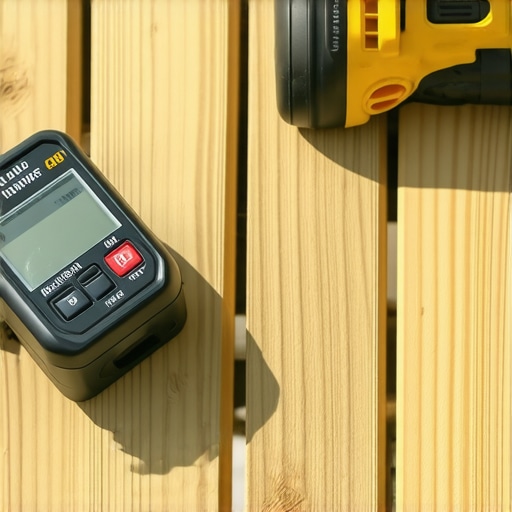
Keeping your deck in top shape over the years requires the right equipment. I personally swear by a cordless oscillating multi-tool for all my detailed repairs around stairs and railings. Its versatility allows me to carve out precise mortises for custom hardware or remove stubborn caulking without damaging surrounding finishes. Pair this with a quality digital moisture meter, like the Protimeter, which I use before major sealing or flashing work. This device provides instant readings of wood and framing moisture content, ensuring you’re not sealing in hidden dampness that prompts rot. In my experience, these tools save countless hours and prevent costly mistakes, especially when dealing with composite decking or outdoor stairs where moisture is a constant concern.
Software That Keeps Projects on Track
For planning and maintaining outdoor projects, I rely on CAD software tailored for decking layout. Programs like SketchUp allow me to model the entire setup, including stairs, lighting, and transitions. When integrated with project management tools such as Trello, I can set checkpoints for flashing installation, sealing, and inspections. This combination ensures I don’t overlook critical maintenance steps that are vital for long-term durability, like sealing joints and inspecting flashing points. Adopting such digital tools helps me stay organized and proactive, especially when managing larger attached outdoor spaces or multi-level decks.
Practical Maintenance Methods I Trust
Long-term results hinge on consistent, quality maintenance. I schedule seasonal inspections, focusing on flashing seals and drainage areas. For example, using a spray bottle of water and visual inspection can quickly reveal leaks or cracks in caulking. When I notice signs of wear, I reseal with high-quality exterior grade sealants that allow flexibility during temperature swings. Regular clearing of debris from drainage channels, combined with a power washing session using a gentle setting, keeps the composite decking free from mold and dirt buildup—protecting its appearance and structural integrity. These proactive strategies, combined with my trusted tools, extend the lifespan of my outdoor living spaces significantly.
Tips to Scale and Future-Proof Your Outdoor Setup
Looking ahead, I believe automation will play a greater role in outdoor maintenance. Future advancements could include sensor-integrated flashing and composite materials that communicate moisture levels to homeowners via smart apps. Additionally, scalable solutions like modular stair systems with premounted flashing kits will streamline future upgrades and repairs. For now, mastering the use of moisture meters and detailed CAD planning lays the groundwork for a durable outdoor environment that adapts gracefully over time. Trying out a moisture meter on your next project is a game-changer, helping catch issues early before they escalate into costly repairs.
How do I keep my outdoor living spaces working smoothly for years?
Maintaining your deck involves more than just yearly cleaning. It requires a suite of specific tools and a disciplined approach to inspections and sealing. By incorporating precise equipment like moisture meters, versatile repair tools, and effective software planning, you create a resilient foundation for your outdoor sanctuary. Remember, a well-maintained deck supports safe, comfortable outdoor living and adds value to your property for years to come. For additional guidance or professional assistance, don’t hesitate to reach out to a deck expert. Following these detailed strategies will ensure your outdoor spaces stay inviting and durable long into the future.
The Hidden Lessons That Shaped My Deck Journey
One of the most surprising truths I uncovered is how tiny details, like the angle of flashing or the type of sealant used, can make or break your deck’s durability. Coming from a DIY background, I believed that sealing the surface was enough—only to realize moisture lurking underneath causes rot that no surface coating can fix. Another lesson was the importance of patience over shortcuts; rushing through flashing installation often seems tempting but leads to costly repairs later. Finally, I discovered that ongoing maintenance and vigilant inspections are your best allies, not just a one-time install. Embracing these insights transformed my approach, turning a potential nightmare into peace of mind.
My Go-To Resources for Deck Confidence
First, I rely on the professional guidance from reputable deck builders; their experience helps me avoid common pitfalls. The latest trend reports on composite decking keep me informed about durable materials that resist weathering. I also trust fastener advancements for fastening solutions that fight corrosion and extend lifespan. Lastly, online forums like professional communities dedicated to outdoor building provide real-world tips and encouragement, making me confident in every step I take.
Forge Your Path with Confidence and Passion
The world of outdoor living is rich with opportunity and potential. Remember, the details—like proper flashing, sealing, and maintenance—are the hidden secrets that ensure your deck stays beautiful and functional for years to come. Embrace the learning curve, trust your tools, and don’t hesitate to consult seasoned professionals when needed. You’re capable of creating a space that not only enhances your home but becomes a cherished part of your lifestyle. Keep pushing forward—your perfect outdoor oasis is within reach. Do you have a specific deck project or detail you’re excited to tackle next? Share your plans below, and let’s grow together into confident outdoor craftsmen.