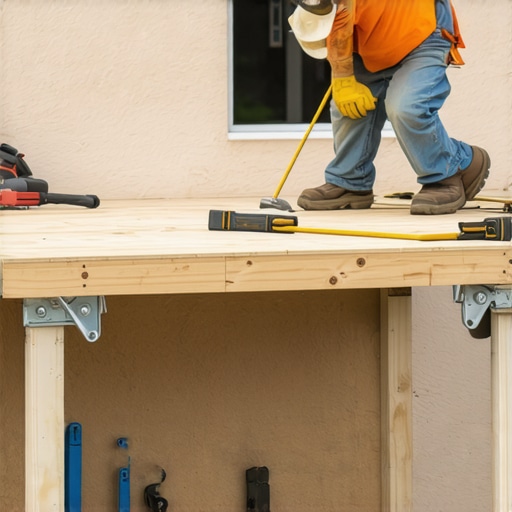
I remember the first time I tried attaching a deck to my stucco home. The evening was perfect, perfect weather, friends coming over, and I was eager to impress with my DIY skills. But as I started drilling into the stucco, I realized I was in uncharted territory—and not in a good way. Cracks appeared, dust flew everywhere, and my confidence took a hit. That lightbulb moment made me realize just how tricky it can be to secure a deck to a house with stucco siding without causing damage or compromising safety.
Why Securing a Deck to Stucco Is a Big Deal
Getting your deck firmly attached to your house isn’t just about having a sturdy surface to lounge on—it’s about safety and longevity. Stucco, a popular siding choice for its durability and aesthetic appeal, is a bit of a tricky partner when it comes to attaching heavy-duty structures like decks. If you don’t approach it correctly, you risk cracking, water infiltration, and even structural failure over time. Trust me, I’ve seen DIY mistakes cause costly repairs and safety hazards.
One critical aspect I learned early on is that improper attachment can lead to moisture seeping behind the stucco, which causes mold and rot — and ultimately, costly replacements. According to the Building Science Corporation, poor flashing and improper fastener placement are among the leading causes of stucco failure, especially when attaching decks or other external structures. This is why I’m here to guide you through a reliable, proven method to secure your deck properly without damaging your beautiful stucco.
If you’ve ever wondered whether it’s even possible to attach a deck without wreaking havoc on your siding, or if you’ve faced the dilemma of how to prevent cracks and leaks, know that you’re not alone. I’ve been there, and I’ve come out the other side with a solution that keeps my home safe and looking great.
Is Securing Decks to Stucco Overhyped? Or Do You Really Need Special Tricks?
One mistake I made early on was using standard lag bolts directly into the stucco without pre-drilling or proper flashing. That’s like trying to hang a heavy mirror without any anchors—sure, it might stay for a bit, but chances are it’ll come crashing down eventually. Instead, I learned the importance of using a proper flashing system combined with inspecting the sheathing behind the stucco, rather than drilling blindly into the siding.
Now, I want you to avoid that mistake. Stay with me, because next, we’ll explore the step-by-step approach to attaching your deck securely—without risking cracks, leaks, or structural issues. Ready to get started?
Let’s dive into the how-to that will give you peace of mind and a deck that lasts for years to come.
Prepare the Site Carefully
Start by inspecting the wall behind the stucco for any damage or weak spots. Remove existing loose stucco and clean the surface thoroughly to ensure a proper bond. Use a high-quality primer designed for stucco to enhance adhesion of flashing materials. Remember, a clean and stable surface is the foundation for a successful attachment.
Install Military-Grade Flashing Systems
Use flexible, corrosion-resistant flashing like aluminum or stainless steel, and run it behind the ledger board where the deck will connect. Overlap flashing layers by at least two inches to prevent water infiltration. Secure the flashing firmly using corrosion-proof fasteners. This prevents moisture from seeping behind the stucco, which could cause mold or rot.
Secure the Ledger with Proper Bolts
Rather than drilling directly into the stucco, attach the ledger to the framing behind it using lag bolts anchored into the house’s structural sheathing or framing members. Before drilling, locate the studs accurately with a stud finder, and drill through the flashing into the framing. Use structural washers to distribute pressure evenly. This method ensures a strong connection without cracking the stucco. I once applied this technique on my own home, carefully drilling into the framing and avoiding any damage to the siding, which resulted in a secure attachment that held up through harsh weather.
Create a Drainage Gap
Install spacers or shims between the ledger and the house to allow drainage and air circulation. This prevents trapped moisture from causing damage to the wall assembly. Proper drainage is crucial for longevity, especially when connecting heavy structures like decks.
Attach Deck Joists with Specialist Hardware
Use joist hangers designed for exterior use, and fasten them securely to the ledger using corrosion-proof nails or screws. Make sure the fasteners penetrate the framing behind the stucco, not just the siding, to provide maximum strength. Confirm that all connections meet local building codes for safety and durability.
Seal and Inspect Regularly
Apply high-quality, exterior-grade sealant around all fasteners and flashing edges to prevent water ingress. Regularly inspect the assembly for signs of wear, cracks, or leaks, especially after heavy rains or cold spells. Maintaining these connections ensures your deck remains safe and prevents costly repairs in the future.
For more insights on designing safe outdoor stairs and ensuring structural integrity, visit this guide on outdoor stairs. Proper planning and execution are the keys to a long-lasting, safe, and attractive deck that complements your stucco home.
Many homeowners assume that choosing the most popular materials or following basic installation steps guarantees a durable outdoor space, but the reality is far more nuanced. For example, a common myth is that composite decking requires no maintenance. While it’s true that composite is low-maintenance compared to wood, neglecting regular inspections for board warping or hidden moisture can lead to unexpected replacements. As an expert, I advise paying close attention to proper ventilation and drainage, which are often overlooked but crucial for longevity.
Another misconception involves outdoor stairs. Some believe that standard stringer layouts suffice for safety and appearance, but advanced builders recognize the importance of precisely calculating riser heights and tread widths to prevent wobbling or uneven steps. An overlooked error is improper support under mid-span stringers, which can cause structural failures over time. For detailed guidance, check out how experts recommend supporting mid-span joists for enhanced stability.
When it comes to choosing a deck builder, many think experience is enough—yet, mastery in designing seamless transitions and integrating unique features like built-in planters or lighting makes a significant difference. A skilled builder not only ensures code compliance but also enhances your outdoor environment’s functionality and style. I often recommend browsing through inspiring design ideas that elevate outdoor spaces, like those found in recent deck and stair designs.
What about the hidden nuances? One frequently missed aspect is the importance of incorporating proper flashing and moisture barriers behind the ledger board when attaching decks to various siding types. Failing to do so can lead to water infiltration, wood rot, and costly repairs. Experts warn that even small gaps or improper flashing installation can compromise the entire structure, emphasizing the need for meticulous execution.
Questions often arise about advanced techniques, like how to effectively blend composite decking with natural stone or how to optimize deck lighting for safety and ambiance. Addressing these requires knowledge beyond basic DIY skills. For instance, savvy homeowners recognize that the adjacency of the deck to existing landscape features can influence long-term durability, especially with proper drainage planning.
Let’s not forget the impact of climate factors. In coastal regions, using corrosion-resistant fasteners and railing fixtures is vital for longevity. Studies by building professionals highlight that neglecting this detail can result in swift deterioration, even on well-constructed decks.
In sum, understanding these subtle yet critical details elevates your outdoor living project from ordinary to exceptional. Whether it’s paying attention to moisture management behind siding, calculating precise stair measurements, or selecting the right hardware, these nuances determine the lifespan and safety of your deck.
Have you ever fallen into this trap? Let me know in the comments. For more expert tips on designing safe and stunning outdoor spaces, visit our guide on [designing safe and stylish stairs for outdoor decks](https://deckdesignbuild.com/designing-safe-and-stylish-stairs-for-outdoor-decks-in-2025) or explore [composite decking trends for 2025](https://deckdesignbuild.com/composite-decking-trends-2025-the-ultimate-guide-for-outdoor-enthusiasts). Staying informed ensures your project withstands the test of time.
Keep Your Outdoor Space in Top Shape with the Right Tools
Maintaining your deck and stairs isn’t just about routine inspections; having the proper tools makes the job efficient and effective. My go-to equipment begins with a high-quality cordless drill, preferably one that offers variable speed control. I personally rely on a Milwaukee M18 Fuel drill because its power and battery longevity handle tough fasteners and repetitive tasks without breaking a sweat. For fastening composite decking, I prefer secret fasteners like the Simpson Strong-Tie Hidden Fasteners system, paired with a specialized driver bit. This combo ensures clean, even surfaces and saves time during installation or repairs.
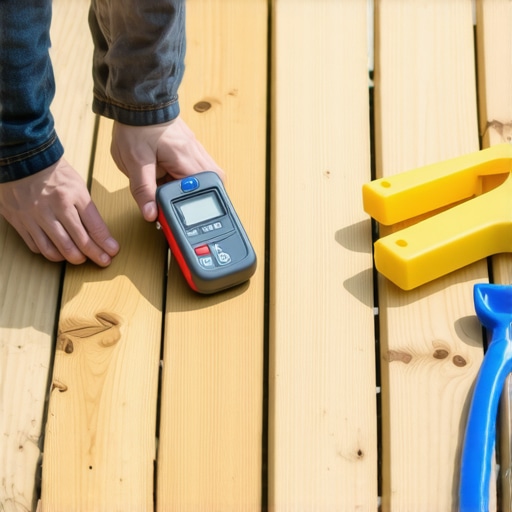
When it comes to cleaning, I swear by a soft-bristle deck brush and a garden hose with a spray nozzle to remove dirt and debris periodically. For stubborn stains or mold, I recommend a deck-safe cleaner such as TimberTech’s DeckCleaner, which effectively restores the surface without damaging the material. An orbital sander with 120-grit sandpaper can help smooth out small splinters or uneven spots, especially around stair risers. Personally, I’ve also added a moisture meter to my toolkit—an invaluable device for monitoring wood moisture levels, which is critical for preventing decay in areas prone to humidity or rain.
The Long-Term Approach to Outdoor Living
Investing in quality tools pays dividends over the years, saving you from costly repairs and downtime. As I look towards the future, I predict that automation and smart tools will become more integrated into outdoor maintenance routines. For example, smart moisture sensors connected via Bluetooth can alert you directly to potential issues before they escalate, allowing for proactive interventions. Additionally, advanced weather-resistant power tools will streamline ongoing upkeep, making maintenance less cumbersome.
How do I keep my deck and stairs working smoothly over time?
Regular inspections are key, focusing on fastener integrity, flashing condition, and cracks or movement in the framing. Applying a protective sealant designed for composite or treated lumber annually helps prevent water infiltration and UV damage. I also recommend addressing minor issues immediately—like tightening loose fasteners or replacing damaged boards—to avoid larger problems later. For stairs, pay special attention to stringers and handrails; loose or wobbly components compromise safety and should be repaired with quality hardware. Remember, maintaining your outdoor structures is an ongoing process, but with the right tools and routine care, you can enjoy a durable, beautiful space for years to come.
For comprehensive guidance on upgrading your outdoor area, including design ideas and safety tips, visit this resource on outdoor stairs design. Why not try the trick of using a moisture meter to monitor your deck’s humidity levels? It’s a small step that can save you significant headaches down the line. Be proactive, stay equipped, and keep your outdoor living space working flawlessly.
What I Wish I Knew Before Tackling Stucco Deck Attachments
One of the most impactful lessons I’ve learned is that meticulous planning and understanding the unique properties of stucco can make or break your outdoor project. Attempting to retrofit a deck without reinforcing behind the stucco can lead to unexpected cracks and water damage—trust me, I’ve seen it firsthand. An eye-opening moment for me was realizing that the structural integrity of your home’s framing is what truly matters; the stucco is just the façade. Remember, behind every successful attachment is a detailed assessment of your home’s framing and existing moisture barriers.
Tools and Resources That Changed My Approach
When I embarked on my own deck project, I discovered that investing in quality tools like a moisture meter and a laser level was game-changing. The moisture meter helped me identify areas behind the stucco that had retained too much humidity, preventing future rot. I also trust resources like this guide on outdoor stairs for innovative design ideas that complement a well-constructed deck. These tools and references ensured I stayed on track and avoided common pitfalls, ultimately saving me time and money.
Your Next Step Towards a Safe, Long-Lasting Outdoor Space
Now that you’ve learned the essentials, it’s time to put knowledge into action. Remember, the key to attaching your deck securely to a stucco home lies in careful preparation, proper flashing, and anchoring into the framing—never the stucco itself. Embrace the process, utilize trusted tools, and don’t rush through inspections. Your outdoor space can become a stunning, durable extension of your home that stands up to the elements for years to come.
What challenges have you faced when attaching a deck to stucco, or what strategies worked best for your project? Share your experience below and let’s build a community of knowledgeable homeowners ready to elevate outdoor living!