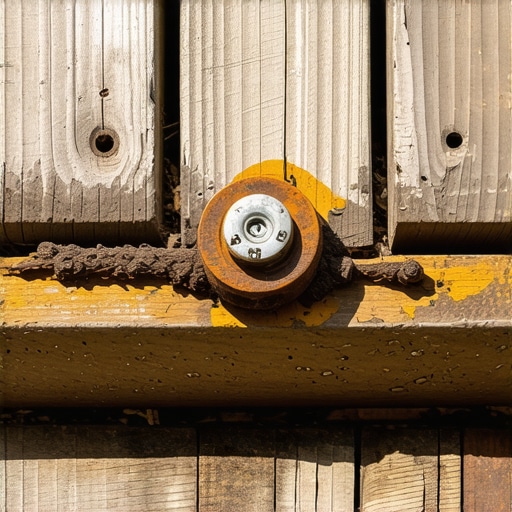
I remember the exact moment I realized I’d made a rookie mistake with my deck. It was just six months after finishing a beautiful outdoor space, ready to host BBQs and lazy Sunday afternoons. I noticed some areas around the frame that looked… questionable. A few screws looked rusty, and I could feel a slight wobble when walking across certain spots. That’s when it hit me: my fasteners, the tiny hardware I thought were just a small part of the entire project, were actually the Achilles’ heel.
Most folks don’t pay much attention to the screws or nails holding their deck together until it’s too late. But trust me, what seems like a minor oversight early on can snowball into major structural issues in a matter of months. The culprit? Using the wrong type of fasteners—those vulnerable to corrosion and designed for indoor projects—was a mistake I made early in my decking journey. And let me tell you, that mistake didn’t just degrade the look; it threatened the very stability of my entire outdoor living space.
Today, I want to share the insights I’ve gathered from years of deck-building experience—so you can avoid the same costly pitfalls and ensure your deck stays secure and beautiful for years to come. We’ll dive into the specific fastener choices that stand the test of time and how to spot signs of early corrosion before it’s too late.
Why Fastener Selection Can Make or Break Your Deck’s Longevity
Choosing the right fasteners isn’t just about preventing rust; it’s about safeguarding your investment. Salt, moisture, and temperature fluctuations accelerate corrosion, especially when non-rated fasteners are used. According to the Composite Decking Trends 2025 guide, improper fastener material is one of the leading causes of deck failure. Making the right choice from the start can save you hundreds, if not thousands, in repairs down the line.
Have you ever faced the frustration of loosening screws or rust-stained boards? If so, you’re not alone—and that’s exactly what prompted me to reevaluate my fastener strategy. The good news? With a few simple tips, you can significantly extend your deck’s lifespan.
Let’s explore how to pick fasteners that withstand the test of time and weather in the next section. But first, do you recall that one time your screws just… failed? Drop a comment below or check out the tips in [Creating Seamless Transitions](https://deckdesignbuild.com/creating-seamless-transitions-stairs-as-key-elements-in-outdoor-living) for practical advice on maintaining your deck’s integrity.
Select the Right Fasteners for Durability
Start by evaluating your deck’s environment. If you live near the coast or experience heavy rainfall, opt for stainless steel or hot-dip galvanized fasteners, as these resist corrosion effectively. I recall installing stainless steel screws during my last deck rebuild, which prevented rust stains on the boards even after a harsh winter.
Match Fastener Material to Your Climate
To prevent premature degradation, don’t mix different metals—aluminum and steel fasteners can trigger galvanic corrosion. Instead, choose fasteners made from the same material as your joists and framing components to ensure long-term stability. When I replaced my deck’s rusty screws, I used marine-grade stainless steel, which significantly extended the deck’s appearance and strength.
Prioritize Proper Installation Techniques
Don’t just focus on the fastener type—correct installation is crucial. Use a variable-speed drill with a torque setting; overdriving screws can weaken the decking material, while underdriving leaves the fastener loose. I learned this the hard way when skipping a torque adjustment, resulting in some boards squeaking under foot. Watching the boards settle into place securely is key.
Use the Right Fastener Length and Spacing
Fasteners should penetrate at least ¾ inch into the joist for grip, especially with composite decking. For example, if you’re installing 1-inch thick boards, 2½-inch screws are ideal. Proper spacing—typically 16 inches on-center for joists—ensures the fasteners support the load evenly, preventing bouncy or sagging areas. When securing a recently built deck, I verified spacing with a tape measure and used appropriate screws to minimize movement.
Apply Sealants and Protective Coatings
After installation, consider applying a protective sealant specifically designed for outdoor fasteners. It adds an extra layer of corrosion resistance, especially under harsh weather conditions. I sprayed a clear rust-proof coating onto my deck fasteners, which kept them looking new for years. Remember, the right fasteners are only part of the solution—their protective treatment is equally vital.
Inspect and Replace as Needed
Regular inspections can catch early signs of corrosion or loosening. Check for rust, discoloration, or loose screws every season. If you notice any deterioration, replace affected fasteners immediately with similar or higher-rated materials. In one instance, I replaced a few corroded screws before they compromised the joists, saving me costly repairs later.
By choosing the proper fasteners and adhering to these installation steps, you’ll significantly extend the life of your deck, creating a safe, sturdy outdoor space for years to come. For additional insights, visit how a skilled deck builder elevates outdoor projects.
Many DIY enthusiasts and even seasoned pros often get caught up in the basics of outdoor living projects, but the real pitfalls are usually in the nuances that are less obvious. Contrary to the common belief that selecting the right materials and following standard installation steps suffices, there are subtle traps that can compromise your deck’s longevity and safety. For example, a prevalent misconception is that all composite decking is maintenance-free—that’s true only if you choose high-quality brands and install them correctly, including knowing how to prevent thermal expansion and contraction issues. Moreover, a common mistake involves underestimating the importance of proper framing and support spacing; for instance, structural bounciness can become evident only after months of use if joist spans are too long or not properly spaced, which experts like those behind the joist span rule emphasize. An often-overlooked aspect is the choice of fasteners, where using inappropriate screws or nails can accelerate corrosion, especially in coastal climates, leading to costly repairs—something I learned through my own mistakes. Another hidden nuance is the significance of seamless transitions between different outdoor elements. Many overlook how poorly designed stairs or inconsistent levels can not only detract from aesthetic appeal but also pose safety hazards, a point thoroughly discussed in creating seamless transitions. Advanced builders understand that a tiny detail, like how the ledger board is flashed or whether low-voltage wiring is concealed properly, can prevent severe structural damage or fire hazards, respectively. This attention to detail goes beyond the basics, requiring knowledge of the latest industry standards and expert consultations. For example, studies show that improper flashing around the ledger board is the leading cause of interior water damage and rot, a critical concern that experts continually highlight. So, why do so many still overlook these critical details? It’s often because the focus remains on the visible aesthetics rather than the underlying structural integrity. I urge you to approach your outdoor projects with a comprehensive mindset—don’t just look at the big picture but pay attention to the little things that can make or break your space. Have you ever fallen into this trap? Let me know in the comments. For more insights into shaping safe and stunning outdoor spaces, check out our expert tips.Maintaining your outdoor living space is essential for ensuring its longevity and safety over time. Investing in the right tools and adopting effective methods can make all the difference. For example, I personally swear by a high-quality cordless impact driver, like the Milwaukee M18 FUEL, which provides the power and precision needed for securing fasteners without stripping or overdriving. Its ergonomic design reduces fatigue during extended sessions, making routine inspections and repairs more manageable. Additionally, a digital moisture meter can prevent potential issues by helping identify hidden moisture problems beneath decks before they escalate, saving you costly repairs down the line. I regularly use a model like the Wagner Meters Orion 950 for this purpose.
For cleaning and surface maintenance, I recommend a power washer with adjustable pressure settings—especially models like the Sun Joe SPX3000—which allows for gentle cleaning of composite decking without damaging the material. Proper cleaning routines, combined with annual inspections, help maintain the appearance and structural integrity of your outdoor spaces.
Looking ahead, I predict that smart tools equipped with IoT capabilities will become standard in outdoor maintenance. Devices that provide real-time data on moisture levels, temperature fluctuations, and structural soundness could revolutionize how we care for decks and stairs, enabling proactive repairs and avoiding major failures.
How do I maintain my outdoor structures over time?
Regularly check for loose fasteners, apply protective coatings to prevent corrosion, and consider investing in advanced tools that give you early warnings of issues. For instance, utilizing a moisture meter periodically can alert you to potential rot or water intrusion issues before visible signs appear, which is crucial for decks, stairs, and composite surfaces.
If you’re serious about keeping your outdoor living spaces functioning flawlessly, I encourage you to try using a digital moisture meter combined with your existing maintenance routine. It’s a small investment that pays off by catching problems early, ensuring your deck remains a safe, beautiful area for years to come. For detailed guidance on designing safe and stylish stairs or adding seamless transitions, check out our related posts for expert tips and ideas.
What I Wish I Knew When I Started Deck Building
One of the most valuable lessons I learned was the importance of paying attention to every detail, no matter how small it seems—especially fasteners. Initially, I underestimated how much the wrong screws could compromise the entire structure, leading to costly repairs and lost time. That experience taught me to always prioritize quality materials and proper installation techniques, which has saved me countless headaches since.
How Misjudging the Climate Changed My Approach
Experience showed me that understanding my local climate is crucial when choosing fasteners. In coastal areas, stainless steel fasteners are non-negotiable—they resist corrosion and maintain their integrity for years. Realizing this early on shifted my perspective from DIY convenience to Professional-grade durability, ultimately ensuring my decks remain sturdy and beautiful over time.
The Lightbulb Moment About Regular Inspections
Through years of building and maintaining outdoor structures, I discovered that periodic inspections are lifesavers. Spotting early signs of corrosion or loosening fasteners can prevent minor issues from turning into major failures. Setting an inspection routine—seasonally checking fasteners and applying protective coatings—has become an essential part of my outdoor maintenance protocol, preserving my investment significantly better than reactive repairs.
Curated Resources That Elevated My Deck Creations
There are a few tools and references that have genuinely made a difference in my projects. The Choosing the Right Composite Decking guide helped me select low-maintenance materials that look great for years. A quality digital moisture meter, like the Wagner Orion 950, has been invaluable for early detection of hidden issues. And books on advanced framing techniques, such as “Building Stronger Decks,” provided insights I couldn’t find elsewhere. These resources have truly transformed my approach to outdoor living spaces.
Your Next Step to Perfect Outdoor Spaces
Remember, the most successful outdoor projects come from attention to detail, continuous learning, and a willingness to adapt. Whether you’re building a new deck or maintaining an existing one, applying these lessons will help ensure your outdoor haven is safe, durable, and stunning for years to come. Don’t hesitate to dive deeper into expert tips and innovative ideas by exploring our articles, like maximizing your outdoor space or designing safe stairs for 2025.