I was standing under my deck with a burger in one hand and a beer in the other, watching a summer thunderstorm roll in. I thought I was being clever. I had built this massive second-story retreat, spent a fortune on the latest composite decking trends, and even installed some sleek stairs for modern outdoor spaces. Then it happened. A stream of muddy, grit-filled water poured through the gaps in the boards above, splashing directly into my plate. My “protected” patio was essentially a giant shower for dirt. That was the moment I realized that building a tall deck without a plan for the water is like buying a convertible with a top that does not close.
Your Dream Patio Should Not Be a Splash Zone
If you have a second-story deck, you basically have a roof. The problem is that most of us treat it like a sieve. We focus so much on the outdoor living aesthetics that we ignore the physics of gravity. Today, I want to show you the secret to creating a truly dry, usable space underneath your deck. We are not just talking about hanging some ugly plastic gutters. We are talking about integrated systems that disappear into the structure, allowing you to install finished ceilings, lighting, and even electronics without fear of a short circuit. Working with a professional deck builder can help, but you need to know what to ask for before the first board is screwed down.
Is a hidden drainage system actually worth the investment?
I get it. Your budget is already stretched thin. You are looking at the cost of durable composite decking and wondering if you really need to spend more on “invisible” plumbing. But here is the reality: without it, the space under your deck is dead air. It is a place for spiders and damp leaves. By installing a system like Trex RainEscape or a similar trough-style setup, you effectively double your square footage. You are not just building a deck; you are building a two-story addition. Plus, you are protecting your investment. According to the USDA Forest Products Laboratory, moisture trapped in deck framing is the leading cause of rot, and a drainage system keeps those joists bone-dry.
The Messy Mistake That Taught Me Everything
When I first started out, I made a classic amateur move. I tried to “waterproof” my deck by just stapling some heavy-duty plastic sheeting to the bottom of the joists. I thought I was a genius. Within six months, the plastic had sagged under the weight of trapped debris, and the joists were starting to grow mushrooms. I had created a petri dish, not a dry patio. This is why I never use standard wood for under-deck drainage setups without a proper over-the-joist system now. If you want to hide the ugly underside of a second-story deck, you have to do it from the top down, not the bottom up. Have you ever tried a “quick fix” for deck drainage only to have it backfire? I would love to hear your horror stories as we prepare to dive into the right way to build this.
Stop the Rot Before It Starts
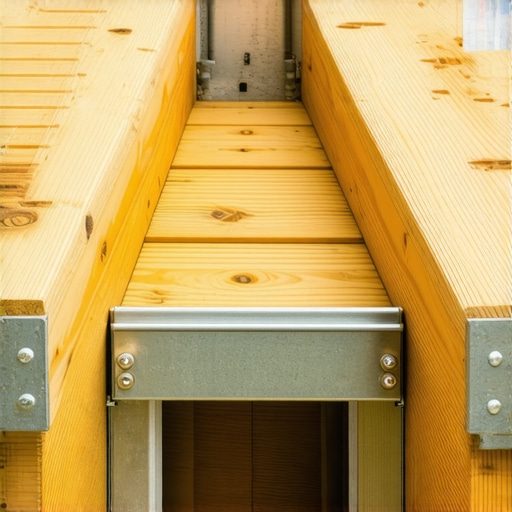
To turn that muddy cavern under your deck into a high-end lounge, you have to think like a plumber. The most effective method is a top-side trough system. Unlike my failed plastic-sheeting experiment, these systems involve flexible, waterproof membranes that are draped over the joists before the deck boards are installed. This creates a series of parallel valleys that catch every drop of rain. Think of it like a series of bathtubs that collect water and funnel it toward a main gutter. By using the drainage trick for creating a dry storage space under your deck, you ensure that the framing stays bone-dry. This is critical because it prevents moisture from sitting on top of the wood, which is exactly how to keep your deck joists from rotting under the boards for decades. If you are following composite decking trends 2025, you know that hidden fasteners are the gold standard, and these drainage systems are designed to work perfectly with them without puncturing the waterproof seal.
The Slope Is Your Best Friend
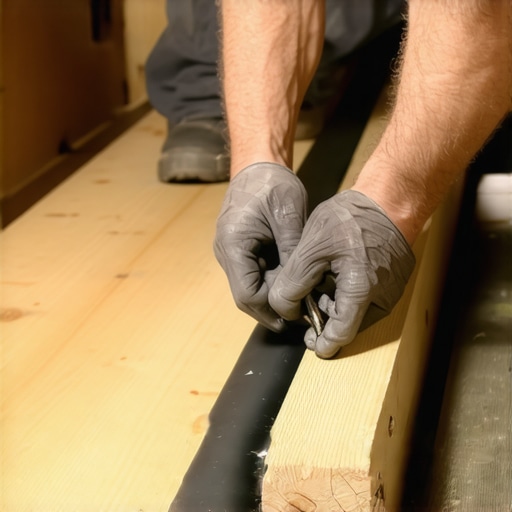
Gravity is either your partner or your worst enemy in this process. Every trough must have a slight pitch—at least 1/4 inch per foot—leading away from the house and toward the outer gutter. I learned this the hard way on a project in a hilly area where I was trying to figure out how to level a deck frame on uneven ground without using a laser. I focused so much on the frame’s levelness that I forgot the drainage troughs needed their own independent slope. A week after we finished, a heavy storm hit, and the troughs turned into mosquito-breeding swimming pools. I had to rip up three rows of boards just to adjust the tension. Now, I always use a string line to verify that every single channel is tilted. This keeps the water moving so fast that debris and silt don’t have a chance to settle and clog the system.
Seal the House Connection Tight
The most vulnerable part of any deck is the ledger board where the structure meets your siding. This is where most catastrophic failures happen. You must use a high-quality butyl flashing tape to bridge the gap between the drainage system and the house wall. This creates the secret to a waterproof connection where the deck meets the wall that resists even the most intense wind-driven rain. When you are driving fasteners through this membrane, choosing the best fastener for building a deck in a high-moisture area is non-negotiable. You want something with a coating that won’t react with the chemicals in the pressure-treated wood or the rubberized tape. If this seal fails, you’re not just looking at a wet patio; you’re looking at potential structural damage to your home’s rim joist.
Integrating Stairs into the Dry Zone
Water does not just fall through the main deck area; it also flows down the stairs. If you don’t plan for this, you’ll end up with a waterfall at the base of your patio. When designing safe and stylish stairs for outdoor decks in 2025, you need to extend your drainage system or use specialized flashing to direct water away from the stair stringers. I always recommend that homeowners look into the benefits of working with a professional deck builder specifically for these complex transition points. A pro knows how to wrap the tops of the stair carriages so the water bypasses the wood entirely, keeping the structural integrity intact while ensuring the path below stays clear and dry for your guests.
Most people think that switching to composite means they can throw away their tools forever. That is the first trap. I often hear homeowners say, “I am going with composite so I never have to think about it again.” But here is the contrarian truth: a high-end composite deck actually requires *more* precision during the build than a traditional wood deck. Wood is forgiving; composite is a scientist. If you do not account for thermal expansion, those beautiful boards will buckle and warp, potentially tearing your expensive drainage membrane in the process. I have seen massive projects ruined because the builder did not understand the spacing secret for installing composite decking in winter. Have you ever fallen into this trap where a “low-maintenance” material ended up causing high-stress repairs? Let me know in the comments.
Why does your brand-new composite deck still feel like a trampoline?
If you walk across your deck and feel a slight “give” or bounce, it is not because the boards are weak; it is usually because the joists are spaced too far apart. Most DIYers and even some pros stick to the standard 16-inch on-center spacing used for wood. However, composite is more flexible. For a truly “stiff” feel, especially when you are maximizing space with modern designs for composite decks, you should be at 12 inches on-center. According to the North American Deck and Railing Association (NADRA), structural integrity isn’t just about total collapse; it is about serviceability and how the structure performs under daily foot traffic. Failing to tighten up that framing is why your deck feels bouncy and the affordable fix to stiffen it up usually involves adding more blocking after the fact, which is a nightmare once the drainage system is in place.

The Hidden Danger of Trapped Heat
Here is another nuance: the color of your deck is not just an aesthetic choice; it is a climate control decision. I once worked with a client who insisted on a deep obsidian finish to match their modern home. By July, you could practically fry an egg on the surface. This heat does not just hurt your feet; it accelerates the expansion of the boards. This is why your composite boards are expanding more than expected and pushing against your house siding. If you do not leave enough of a gap, the boards will literally bow upward. When transforming your outdoor living with custom composite decking ideas, you have to balance style with the physics of your specific micro-climate. I now strongly advise against certain dark shades for south-facing decks because why dark brown decking gets significantly hotter than light gray boards is a factor that affects the longevity of the entire system, including the seals on your drainage troughs.
Don’t Ignore the Bottom-Up Inspection
One of the biggest mistakes I see is neglecting the area underneath once it is “finished.” Just because it is dry does not mean it is maintenance-free. Dust, pollen, and the occasional spider web can still accumulate in the gutters of your drainage system. While the benefits of working with a professional deck builder include getting a system that is mostly self-cleaning, you still need to flush the gutters once a year. If you do not, that “dry” storage space will eventually start to smell like a swamp. It is the “oops” factor that catches people five years down the road. They spent all this money on choosing the right composite decking for durable low-maintenance outdoor areas but forgot that even the best systems need a quick garden hose rinse to stay functional. Always ensure you have access points—like the best way to frame a trap door for crawl space access—to keep an eye on the infrastructure that keeps your patio dry.
Why I Never Start Without a 3D Walkthrough
I have seen enough botched layouts to know that your tape measure is not your best friend—your computer is. In the old days, we used to sketch on a napkin and hope the stairs did not end up in a flower bed. Now, I refuse to break ground until we have a digital model. This is why I never start a complex deck project without a digital 3d walkthrough first. It allows you to see exactly how those stylish stairs for outdoor decks will interact with your existing landscape. More importantly, it helps you spot structural clashes with your drainage system before you buy a single board. If you are aiming for maximizing space with modern designs, the precision of a 3D render is non-negotiable.

How do I keep my composite deck looking brand-new for years?
Maintenance is the part everyone wants to skip, but even the best durable composite decking needs a little love. You do not need a pressure washer—in fact, I recommend staying away from them as they can mar the surface. Instead, focus on specific issues as they arise. If you had a summer BBQ and dropped a burger, you need to know how to clean grease stains off composite without ruining the finish. For those of us with overhanging trees, you also need the best way to clean bird droppings off dark brown composite boards to prevent long-term etching. A simple annual scrub with soap and water keeps the grain looking deep and rich.
The Ledger Connection That Saves Your House
If there is one technical detail I obsess over, it is the connection between the deck and your home. Most DIYers still use old-fashioned lag bolts, but I have completely moved away from them. This is why I use structural screws instead of lag bolts for ledgers. They provide superior shear strength and do not require pre-drilling, which means less chance of water seeping into the pilot holes. According to technical bulletins from Simpson Strong-Tie, lateral load connections like the DTT2Z tension tie are now essential for preventing a deck from pulling away from the house during high winds or heavy snow. This is the ultimate secret to a waterproof connection where the deck meets the wall that separates a pro build from a weekend hack job.
The Future of Outdoor Living is Smart
Looking ahead to the next few years, I predict we are going to see a massive shift toward “Smart Decks.” We are already seeing composite decking trends 2025 leaning heavily into integrated tech. I am talking about built-in sensors that can detect moisture levels in your framing or automated lighting that adjusts based on the sunset. If you want to stay ahead of the curve, start thinking about how to wire a deck for sound without leaving visible cables right now. Your outdoor space should feel like an extension of your smart home, not a separate wooden island. My advice? Go ahead and build a deck bench with hidden storage today to house the future batteries and controllers you will inevitably need. It is much easier to plan for power now than to tear up boards later.
The Hard Truths About Dry Patios That Saved My Projects
After years of fixing botched drainage jobs, I have realized that the system you choose is the backbone of your entire outdoor investment. First, never assume “waterproof” means maintenance-free. Even the most expensive membrane requires you to check for debris occasionally. Second, skipping joist tape is the fastest way to invite rot into your life—it is a small expense that saves thousands. Third, always remember that why your composite boards are expanding more than expected is often linked to ignoring the ambient temperature during installation. If you do not account for that movement, your beautiful drainage system will eventually fail under the pressure of shifting boards.
The Pro-Level Gear I Always Keep in My Truck
If you are serious about a DIY build or vetting a professional deck builder, these are the specific tools and resources you need. First, I only use Butyl Flashing Tape for joist protection; asphalt-based tapes just do not hold up to the heat. Second, for the structure itself, the Simpson Strong-Tie DTT2Z is the industry standard for ensuring your deck ledger stays secure against the house. Finally, I recommend using digital modeling software like SketchUp or hiring a designer to visualize the stairs as key elements in outdoor living before you commit to a layout. These tools take the guesswork out of complex water-diversion slopes.
Build a Space That Lasts Decades
Your deck is more than just a platform; it is where your family will gather for years to come. By prioritizing moisture management and structural integrity today, you are creating a worry-free environment for the future. Whether you are following the latest composite decking trends 2025 or building a simple retreat, remember that the best designs are the ones that keep the water out and the fun in. What is the biggest hurdle you have faced when trying to keep the area under your deck dry? Let me know in the comments!