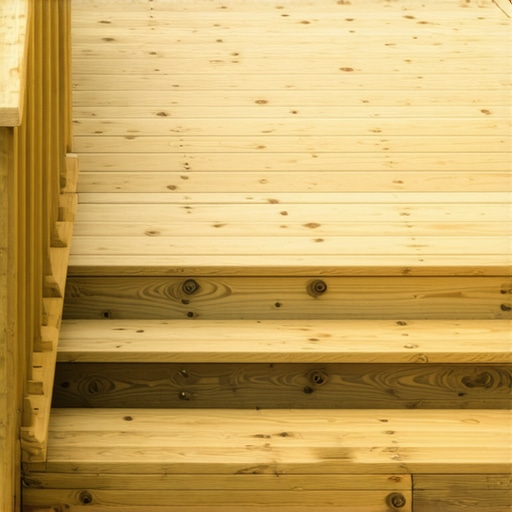
I still remember the day I nearly took a tumble on my own deck stairs. It was a bright Sunday afternoon, and I was rushing to grab drinks for a backyard gathering. As I hurried up the steps, I instinctively reached for the handrail—only to find it wobbling under my grip. That’s when I realized—my stairs were dangerously inconsistent, and I had no idea why. Years of DIY projects and countless renovations had masked a critical detail: the riser height. That moment was a lightbulb for me, and I knew I wasn’t alone.
The Hidden Danger of Ill-Fitting Stairs
Deck stairs are often overlooked in the design process, yet they play a vital role in safety and accessibility. If the riser height—the vertical distance between one step and the next—isn’t just right, it can cause trips, slips, and worse accidents. The frustrating part? Many deck builders and homeowners assume that all stairs are created equal, blindly following common standards without paying attention to the little details. That oversight can lead to uneven steps, increased risk, and even code violations.
What I want to do today is share a little-known secret that can significantly improve the safety of your outdoor stairs—the riser height adjustment—and help you build a staircase that’s both beautiful and safe. Trust me, after my early mistake of ignoring this detail, I made it my mission to master this aspect of deck design. You can read more about how a skilled deck builder can transform your space and incorporate this crucial element seamlessly.
Is Riser Height Adjustment Overhyped?
Let me be honest: I thought I knew everything about building stairs early on. I followed generic building codes, and it seemed fine at the time. But I learned the hard way that small miscalculations—like a deviation of just a quarter of an inch—can make a huge difference. In fact, a study published by the Centers for Disease Control and Prevention highlights that uneven stairs are a leading cause of falls among homeowners. That was a wake-up call for me, and it’s a lesson I want to share with you.
So, if you’ve ever wondered whether focusing on riser height is worth the extra effort, I say absolutely. Properly calibrated risers can prevent accidents, make your stairs more comfortable, and adhere to safety standards that protect your loved ones. Ready to avoid my early mistake and learn the key to safe, comfortable outdoor stairs? Let’s dive into how you can achieve the perfect riser height for your deck stairs.
Measure Ground Levels Precisely
Start by marking the ground at the intended stair location with stakes and string. Use a carpenter’s level or a laser level to determine any slopes or irregularities. Take note of the highest and lowest points to plan for an even rise. I once encountered an uneven patch that threw off my entire measurements; I had to redo the framing, which taught me to double-check all ground conditions first.
Determine the Ideal Riser Height
Consult your local building codes—typically between 7″ and 8″—but also consider comfort and safety. Use a tape measure to mark the string or stake with the desired riser height. Make small marks every few feet to visualize the step pattern. When I built my first outdoor staircase, I initially set my riser at 8″ but found it felt steep. Adjusting it to 7.5″ made a noticeable difference in comfort and safety.
Calculate Total Number of Steps
Measure the total vertical height from ground level to the deck surface. Divide this by your chosen riser height to find the number of steps needed. Always round up to avoid gaps. For example, if your total height is 36″ and your riser is 7.5″, you’ll need six steps (6 x 6″ = 36″). I once miscalculated and ended up with one extra riser, which threw off the entire visual flow; precise calculation avoids this pitfall.
Adjust Stringer Lengths Accordingly
Mark the stringer cuts based on your riser calculations. Use a framing square to trace the step rise and run. Cut the stringers carefully with a saw, ensuring the top meets the deck frame securely. I used a jig saw for intricate cuts, which minimized errors and gave a clean finish. Precision here is vital to ensure all steps are level and safe.
Set the Stringers and Verify Levelness
Secure the stringers temporarily, then check each with a level or carpenter’s level. Verify that the risers are uniform, and the treads sit evenly. I once used shims to correct minor inconsistencies, which emphasized the importance of perfect initial cuts. Once satisfied, permanently fasten the stringers with framing bolts or brackets.
Install Treads and Final Checks
Attach the steps using corrosion-resistant screws. Ensure each tread overhangs slightly for safety and aesthetics. Double-check the uniformity of riser heights after everything is installed. Applying a level across multiple steps revealed slight deviations I had to fix preemptively. A well-calibrated staircase not only looks professional but also significantly improves safety, especially in an outdoor setting.
Apply Finishing Touches for Safety and Style
Add anti-slip strips or textured paint to the treads, and install handrails that comply with local codes. After completing my stairs, I realized that lighting along the steps enhanced safety and ambiance. Proper riser adjustment combined with thoughtful finishing touches creates an inviting, secure outdoor space that stands the test of time.
Even seasoned DIY enthusiasts often fall prey to misconceptions when it comes to outdoor living spaces, particularly decks and stairs. One widespread myth is that decking materials are interchangeable, but in reality, choosing the wrong material can lead to costly maintenance or safety issues. For instance, many assume that composite decking requires no regular upkeep, but improper installation or neglect can cause discoloration, warping, or even structural failure over time. It’s crucial to understand the nuances of different materials and their specific care requirements, such as the benefits of mineral-core composite boards that resist expansion and contraction better than traditional options.
Is There a Hidden Trap in Choosing the Cheapest Materials for Outdoor Stairs?
A common mistake is prioritizing upfront cost over long-term durability, leading homeowners to select inexpensive woods or non-compliant components. These shortcuts often result in wobbly, unsafe stairs that might seem fine initially but deteriorate quickly, especially under exposure to weather. *Experts recommend* working with a qualified deck builder who can advise on materials suited for your climate and usage, ensuring your investment stands the test of time. For example, incorporating proper fasteners and frame support can prevent issues like squeaking, wobbling, or even deck failure, which are often attributed to poor craftsmanship rather than the materials themselves. Moreover, advanced techniques like precise riser height adjustment and secure stringer attachment can significantly enhance both safety and aesthetics—a detail many overlook until an accident occurs. **Have you ever fallen into this trap**? Let me know in the comments. Incorporating the latest safety standards and proactive maintenance routines is essential. For example, understanding code intricacies and customizing your design accordingly can prevent hazards. This attention to detail underscores the importance of working with skilled professionals, as they are well-versed in local building codes and best practices. When planning your outdoor project, consider how innovative solutions—like seamless transitions between stairs and decks—can elevate both safety and style. For inspiration, check out posts on [designing safe and stylish stairs](https://deckdesignbuild.com/designing-safe-and-stylish-stairs-for-outdoor-decks-in-2025) or [transforming outdoor spaces](https://deckdesignbuild.com/transform-your-space-expert-deck-builder-tips-for-stunning-outdoor-living). Remember, outdoor living isn’t just about aesthetics; it’s about creating a space built to last and safe for everyone who uses it. With careful planning, expert guidance, and attentiveness to detail, you can avoid these common pitfalls and enjoy your outdoor oasis for years to come.
To ensure your outdoor living space remains beautiful and safe over the years, investing in the right tools and adopting effective maintenance routines are crucial. Personally, I swear by a set of specialized equipment that simplifies the maintenance process and extends the lifespan of my deck and stairs. One indispensable tool I rely on is a high-quality digital moisture meter. This device helps me monitor wood and composite materials for hidden moisture, which can lead to rot or decay if left unchecked. Regular moisture checks, especially in humid climates, allow me to catch early signs of deterioration before they become costly repairs.
Upgrade Your Maintenance Routine with Precision Tools
In addition to moisture meters, I recommend using a power wash system with adjustable pressure settings. This keeps your deck look fresh without damaging the surface. I prefer a model with a variable nozzle, enabling me to switch between gentle cleaning for composite surfaces and more vigorous spray for stubborn grime on wood. Proper cleaning prevents buildup, mold, and staining, preserving the integrity of your materials. After cleaning, I always follow up with a thorough inspection, paying attention to loose or damaged fasteners. Using a impact driver with a star tip socket makes tightening or replacing screws quick and effective, especially in tight spots.
The Future of Outdoor Maintenance
As technology advances, I foresee smart sensors embedded into decking materials, giving real-time updates on moisture and structural health. This trend could revolutionize how homeowners monitor their outdoor spaces, making maintenance proactive rather than reactive. Embracing such innovations now ensures your outdoor living areas stay safe and attractive for decades.
How do I maintain outdoor stairs and decks over time?
Regular maintenance hinges on routine inspections, timely cleaning, and periodic sealing with durable, weather-resistant finishes. Using guided tutorials and professional advice, such as from skilled deck builders, helps in selecting the best products and methods tailored to your climate and materials. Remember, addressing minor issues early can prevent significant failures later on. For example, a quick application of a high-quality composite-specific cleaner can remove stubborn stains and bring back your deck’s vibrancy. Choosing the right sealant, like those with UV protection and water repellency, will keep your wood and composite safe from weather-induced damage. Consider scheduling professional inspections or applying preventive treatments at least once a year; doing so aligns with best practices and saves you money in the long run.
For continued safety and beauty, I suggest trying a power cleaning combined with a sealing regimen. These combined efforts significantly extend the life of your outdoor structures. Also, pay attention to critical connection points, like stair stringers and railings; reinforcing these with proper fasteners can prevent wobbling or failure. Want to make your maintenance routine more effective? Incorporate moisture detection tools or schedule seasonal checkups. For an in-depth guide, check out this article on maintenance techniques. Regular upkeep not only preserves your investment but also ensures safety and peace of mind for everyone enjoying your outdoor space.
Through my journey of building and maintaining outdoor stairs, I’ve uncovered secrets that often go unnoticed but can make all the difference in safety, aesthetics, and longevity. One of the most profound lessons was realizing how something as simple as riser height precision can alter the entire feel of your stairs—making them comfortable and secure or awkward and hazardous. This insight only came after my own missteps, reminding me that even small details carry immense importance when crafting outdoor spaces that last. Paying attention to these nuances not only elevates your craftsmanship but also ensures your family and guests move safely and confidently near your deck. So, embrace the process of measurement, adjust with care, and don’t underestimate the power of expert guidance. By doing so, you’ll create outdoor stairs that are both stunning and dependable, transforming your outdoor living into a true retreat.
Comments are closed.