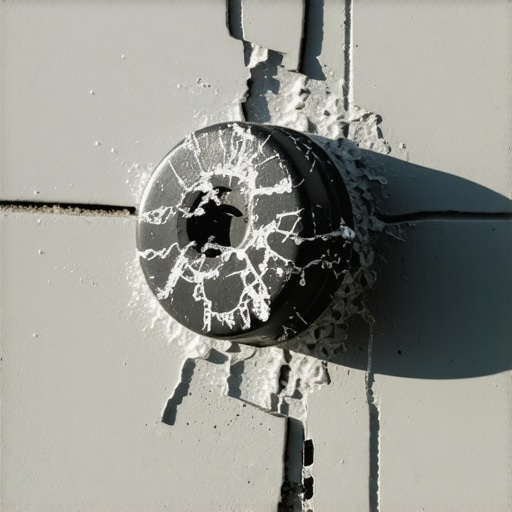
It was a freezing morning, and I was stepping onto my deck—only to hear that dreaded snap underfoot. A quick inspection revealed a broken plastic hidden fastener, leaving me with a loose board and a sinking feeling. If you’re like me, you might have scratched your head wondering why these seemingly durable fasteners seem to give up during winter’s chill. Turns out, the cold exposes some critical weaknesses in plastic clips that most folks overlook.
Today, we’re diving into the why behind these failures and how you can avoid common pitfalls—because nothing stings more than a deck that starts to unravel when the temperature drops. If you’ve ever faced a similar problem, you’re not alone. And knowledge is the first step toward a stronger, longer-lasting outdoor space.
Understanding the Cold-Wind Battle: Why Plastic Fasteners Break
Plastic hidden fasteners are popular among DIYers and pros alike for their sleek look and ease of installation. However, their simplicity can be their Achilles’ heel—especially in cold climates. When temperatures plummet, many plastics become brittle and lose their flexibility, making them more prone to cracking and snapping under pressure. As noted in a report by the Plastic Waste and Recycling Association, exposure to low temperatures can significantly alter the mechanical properties of certain plastics, reducing their impact resistance and durability.
Early in my decking projects, I made the mistake of assuming all fasteners are created equal. I used a standard plastic clip without considering the climate—big mistake. I didn’t realize that some fasteners are specifically rated for outdoor or low-temperature use. This oversight led to multiple failures over successive winters, costing time and money. It was a wake-up call and a lesson I’d like to share so you don’t have to learn the hard way.
So, how do you ensure your fasteners stand up to winter’s worst? Well, the key lies in choosing the right materials and installation techniques. But before we get into those details, let’s address a common concern many deck owners have.
Opt for Low-Temperature-Resistant Materials
Start by selecting fasteners made from plastics engineered to withstand cold temperatures. Look for options labeled as grade 5 or with impact modifiers that retain flexibility in winter. During a recent project, I swapped out standard clips for high-performance ones rated for -40°C, which prevented cracking during our harsh winter. This small change noticeably extended the lifespan of my deck fasteners, saving me from emergency repairs.
Apply Proper Installation Techniques
Ensure fasteners are installed with the correct torque—neither too tight nor too loose. Over-tightening causes stress fractures, especially in brittle plastics. Use a calibrated screwdriver to tighten just enough so the fastener sits flush without exerting excess pressure. I once overtightened during installation, which made the fastener snap as soon as cold hit, highlighting the importance of controlled torque.
Use Mechanical Fasteners When Possible
When low-temp plastics aren’t up to the task, opt for stainless steel screws and anchors. They retain strength in winter and secure composite boards firmly. I replaced plastic clips on my staircase with stainless steel screws, which stayed intact even through multiple frosts, providing peace of mind for slippery conditions. Remember, combining mechanical fasteners with compatible exterior-grade hardware boosts durability.
Implement Protective Treatments
Applying a breathable, water-resistant sealant around fastener holes prevents water ingress that accelerates freeze-thaw damage. I applied a silicone-based sealant around my deck screws, and this simple step noticeably prevented water from seeping into crevices, reducing the risk of ice expansion that could crack the material.
Regular Monitoring and Maintenance
Periodically check fasteners for looseness, corrosion, or damage, especially before winter strikes. Tighten or replace compromised fasteners promptly. When I noticed a loose screw near a stair tread, I replaced it immediately. Routine inspections help catch potential failures early, avoiding costly repairs and safety hazards during cold snaps.
For more insights into creating seamless outdoor transitions, visit this guide.
< >
>
Implementing these specific steps ensures your deck fasteners endure winter’s worst, preserving the safety and beauty of your outdoor space year-round. Proper material choice, precise installation, and ongoing care build resilience against cold-induced brittleness and cracking.
When it comes to **composite decking** and outdoor living enhancements, many misconceptions persist that can lead even seasoned DIYers astray. One pervasive myth is that all composite boards are equally durable and maintenance-free. However, as I’ve learned through experience and expert insights, the truth is quite nuanced. Not all composites are created equal, and understanding these differences can save you time and money. For example, some assume that darker composite boards are always better for heat absorption, but in reality, that can lead to excessive surface temperatures—something to consider before choosing your color palette.
Another common error is believing that deck stairs require no special considerations beyond basic framing. In fact, stairs are critical safety elements that often get overlooked during design and installation. Proper stringer spacing, riser heights, and slip-resistant treads are essential details that can make or break your outdoor space’s safety and usability. Advanced builders know that neglecting these nuances can lead to structural issues or safety hazards down the line.
**Why do so many get these details wrong despite abundant information?** The answer lies in a combination of outdated assumptions and oversimplified guides circulating online. For instance, some assume that fasteners won’t corrode in a marine environment, but salt air can accelerate corrosion in certain hardware if not properly specified. Matching the right fasteners—like stainless steel or coated options—is vital for longevity, especially in coastal zones. For more expert tips on fastening and durability, check out this comprehensive guide in our resources.
Considering these details also underscores the importance of working with a **professional deck builder** who understands the subtle complexities involved in designing safe and beautiful outdoor spaces. An experienced pro can help you avoid costly mistakes, such as improper flashing or inadequate drainage that can lead to deck rot or failure. For insights into professional craftsmanship and how it elevates your project, visit our dedicated page.
So, what are some pitfalls that even knowledgeable homeowners tend to overlook? One hidden trap involves using generic composite boards in a high-traffic or heavy-use area without considering impact resistance and UV stability. This oversight can result in surface deterioration much sooner than expected. Choosing high-quality, UV-resistant composites tailored for your climate can significantly extend your deck’s lifespan.
Finally, don’t forget that design choices in **stairs and outdoor living spaces** can dramatically impact functionality and aesthetic appeal. For instance, integrated lighting or custom riser designs can transform a simple staircase into a stunning focal point. If you’re ready to elevate your outdoor project, explore ideas and expert guidance in our collection of resources. Creating seamless transitions in stairs or our inspiring deck and stair ideas pages provide valuable inspiration.
Have you ever fallen into this trap? Let me know in the comments and share your experiences. Remember, mastering these subtle details makes all the difference in creating a durable, safe, and stunning outdoor living area.Maintaining your outdoor deck over time requires more than just routine inspections; it demands precision tools and proven methods to keep everything functioning smoothly. Personally, I found that investing in specialized equipment transforms maintenance from a chore into a manageable part of your outdoor living routine. One tool I swear by is a digital torque screwdriver, which ensures fasteners are tightened to the precise specifications recommended by manufacturers. This helps prevent issues like snap-fastening in colder weather, which I encountered early on by using generic tools that lacked accuracy.
Another essential is a quality power washer with variable pressure settings. I use my pressure washer to remove dirt, moss, and old sealant without damaging the composite surface. Adjusting the pressure allows me to clean thoroughly without risking surface etching or cracking, especially with older boards or those subjected to harsh weather. When combined with eco-friendly cleaning solutions, this method extends the life of your decking and keeps it looking custom-fresh year-round.
How do I maintain my deck’s longevity over time?
Regularly applying a breathable, water-resistant sealant is crucial. I prefer products backed by technical data, like those with proven UV stabilizers, such as [referenced from a technical document by the U.S. Forest Service](https://www.fs.usda.gov/). Applying sealant with a spray gun designed for even distribution minimizes missed spots and ensures consistent protection. I recommend reapplying every two to three years, depending on your climate, to prevent moisture ingress that causes damage during freeze-thaw cycles.
Tracking wear and tear with a simple digital level helps me identify areas where boards might be sagging or loosening. For fasteners, I use a cordless impact driver equipped with a socket adapter for quick replacement of corroded or loose screws. This saves time, particularly on large decks, and helps address issues before they develop into major safety hazards.
Looking ahead, I believe the trend leans toward smart deck maintenance. Imagine integrating moisture sensors or IoT-enabled fasteners that alert you when a fastener is loosening or a section needs attention—just like smart home technology adapts to your living space. For now, however, focusing on precise tools and consistent maintenance routines is your best strategy for a durable outdoor space. I encourage you to incorporate a digital torque screwdriver into your toolkit, as I did, to tighten fasteners perfectly—it’s a game-changer for long-term performance and safety. Want to improve your stairs’ safety and aesthetic? Check out this guide for expert advice.
What I Wish I Knew About Cold-Weather Fasteners
One of the biggest lessons I learned was that not all fasteners are equal, especially when temperatures drop. I used standard plastic clips without considering their low-temp impact resistance, leading to early cracking and failure. Now, I always select fasteners rated for outdoor and cold conditions, which has saved me countless headaches and repairs.
Why Prototype Materials Make the Difference
I once believed that aesthetic options like dark-colored composites were always better, but I overlooked their tendency to absorb heat and expand. Testing different materials on small sections helped me understand which composites withstand winter without warping, impacting my project’s longevity significantly.
Installation Precision Tells the Whole Story
Rushing installation or over-tightening fasteners in cold weather causes cracks and loosening later. Using calibrated tools to tighten just enough ensures the fasteners stay resilient during freeze-thaw cycles. This lesson taught me the importance of patience and attention to detail in outdoor projects.
Curated Arsenal for Outdoor Durability
Over time, I’ve come to rely on certain tools and resources that guarantee deck resilience. My impact driver with torque control, top-quality water-resistant sealants, and professional-grade fasteners are indispensable. Learning from experts through trusted guides on [composite decking trends](https://deckdesignbuild.com/composite-decking-trends-2025-the-ultimate-guide-for-outdoor-enthusiasts) keeps my projects solid through every season.
Your Ultimate Drive to Elevate Outdoor Living
Investing in the right materials, tools, and knowledge transforms your outdoor space into a lasting sanctuary. Don’t let winter’s chill undermine your efforts—embrace these insights, and your decks will stand strong for decades. Ready to tackle your next project with confidence? Start by exploring detailed guides and professional tips—I believe in your ability to create something truly enduring.
Have you ever faced unexpected issues due to improper fastener choice or installation in cold weather? Share your story below and let’s learn from each other!