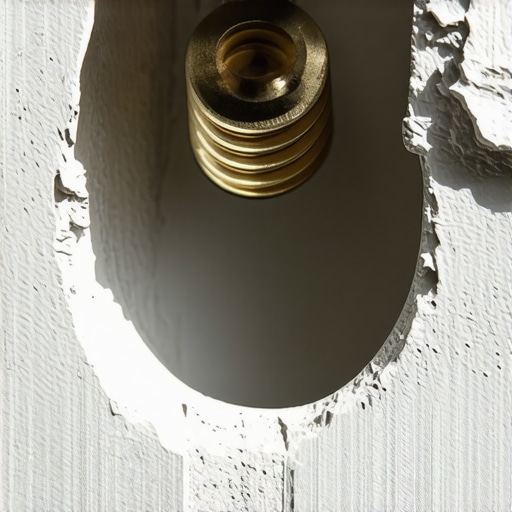
I vividly remember the first time I installed a new composite deck, eagerly admiring the sleek, light-colored boards stretching expansive and bright. But within just a few months, that pristine look was marred by unexpected dark streaks and uneven patches—an infuriating sight that I hadn’t anticipated. It wasn’t due to dirt or mildew but a simple, yet often overlooked mistake with the bronze screws I used during installation. Little did I know, those tiny fasteners could cast a shadow over my entire project’s aesthetic, turning my dream outdoor space into a frustrating eyesore.
The Common Culprit: How Bronze Screws Can Ruin Light Composite Colors
When I dove into the world of outdoor decking, I was drawn to the idea of low-maintenance, stylish composite boards. Light hues promised a modern, breezy vibe—perfect for gatherings and family fun. However, my inexperience led me to choose bronze screws, thinking they would blend seamlessly with the light-colored boards. It seemed like a good idea at the time, but I soon discovered that these seemingly innocuous fasteners could cause chemical reactions, leading to discoloration and staining on my deck surface.
The problem hinges on the metal’s interaction with the composite material. Bronze, though charming for its antique look, contains alloys that react with the pigments or resins in light composite boards when exposed to weathering over time. The result? Unsightly dark spots, color bleeding, and a loss of that bright, airy feel I so cherished. This mistake early in my outdoor living journey taught me a crucial lesson—what you fasten your deck with matters as much as the boards themselves.
Have you ever faced similar issues with fasteners marring your outdoor project? If so, you’re not alone.
Is It Really Worth the Hype to Worry About Screw Materials?
Initially, I thought all deck screws were created equal—just fastening tools, right? Not quite. I learned that the choice of screw material can make or break the appearance and longevity of light-colored composites. Using incompatible metals can lead to galvanic corrosion or staining that ruins your deck’s natural beauty. Early on, I made the mistake of trusting low-cost bronze screws without researching their long-term effects, which cost me dearly in both time and aesthetic quality.
For more insights into the latest trends and how to keep your outdoor space pristine, check out [composite decking trends 2025](https://deckdesignbuild.com/composite-decking-trends-2025-the-ultimate-guide-for-outdoor-enthusiasts). It’s packed with expert advice to help you avoid pitfalls like the one I faced.
As we move forward, I’ll share the practical steps I took to rectify and prevent this issue, ensuring my deck stays beautiful for years to come. But first, let’s explore why choosing the right fasteners is crucial for preserving light composite colors in outdoor environments.
Opt for Compatible Metal Fasteners from the Start
When I replaced a few boards on my deck, I immediately switched to stainless steel screws because I knew they wouldn’t react with my light-colored composites. Using corrosion-resistant, non-reactive metals prevents staining and dark spots from forming, especially in humid environments. Think of it as picking the right shoes for a hike—quality materials keep your journey smooth, preventing unnecessary setbacks.
Identify Non-Reactive Materials: The Key to Longevity
Before buying screws, check labels for labels like ‘stainless steel’ or ‘silicon bronze.’ These are less likely to cause discoloration compared to traditional bronze or common steel. I learned this the hard way when I used inexpensive bronze screws, which eventually left dark streaks on my light boards. A quick research session saved me from later headaches.
Use Proper Installation Techniques for Best Results
Proper fastening isn’t just about material choice; it involves correct pre-drilling and tightening to avoid stressing the composite. I used a drill with a clutch to prevent overtightening, which can cause the board to crack or stain. Imagine screwing a bolt: overtightening can distort the material, leading to visible damage and unevenness.
Pre-Drill for Uniformity and Reduced Damage
Pre-drilling holes aligned perfectly with the screw shank helps prevent cracking and ensures a flush finish. When I installed my deck, I measured and marked each location, then pre-drilled before screwing in. This step made my surface smooth and avoided splitting, preserving the deck’s aesthetic and structural integrity.
Apply Fastener Innovations and Techniques
Consider using hidden fastener systems designed for composite decking. These eliminate visible screw heads and reduce surface staining. During my project, I temporarily removed some surface screws and replaced them with clip systems that lock into the substructure, giving a cleaner look and reducing thermal expansion issues that sometimes lead to discoloration.
Utilize Seamless Fastening for a Uniform Surface
Switching to clip systems not only improved appearance but also minimized movement-induced staining. It was a straightforward process: unscrew, attach clips, and re-screw the boards. This method keeps the surface neat and prevents the dark streaks caused by movement and heat buildup around exposed screws.
Maintain and Inspect Regularly
Regular checks for loose fasteners or corrosion keep your deck in pristine condition. I schedule biannual inspections, tightening screws and replacing any that show signs of rust. Think of it as maintaining a car—you keep it clean and in tune to prevent bigger problems down the road. This routine has helped me retain the light color and overall beauty of my composite deck for years.
Clean Fasteners to Prevent Staining
Cleaning around fasteners with a gentle brush and soap prevents dirt buildup that can accelerate staining. I use an aluminum-safe cleaner to gently scrub the fasteners and surrounding areas, which keeps my deck looking bright and uniform. Regular maintenance is a simple yet effective way to extend the lifespan of your color and appearance.
Many enthusiasts believe that choosing the right composite decking and straightforward installation techniques guarantee perfect results. However, the reality is far more nuanced. One prevalent misconception is that premium materials alone can compensate for poor craftsmanship. In fact, even the most durable boards can fail prematurely without proper installation, aligning with the expert emphasis on meticulous technique highlighted in [how-a-skilled-deck-builder-can-turn-your-garden-into-a-private-oasis](https://deckdesignbuild.com/how-a-skilled-deck-builder-can-turn-your-garden-into-a-private-oasis).
Another overlooked aspect is the complexity of outdoor stairs. Many assume standard stringers suffice, yet subtle miscalculations in riser height or tread depth can lead to safety hazards and aesthetic inconsistencies. This is why investing in [designing safe and stylish stairs](https://deckdesignbuild.com/designing-safe-and-stylish-stairs-for-outdoor-decks-in-2025) is crucial.
One common myth is that all fasteners age equally. In truth, selecting incompatible metals accelerates corrosion and staining, which is a nuanced detail that can significantly impact the longevity and appearance of your deck. Experts recommend opting for stainless steel or silicon bronze fasteners to avoid the ‘oops’ factor of premature stain and damage, aligning with the guidance in [why-dark-deck-boards-are-a-nightmare-for-southern-exposures](https://deckdesignbuild.com/why-dark-deck-boards-are-a-nightmare-for-southern-exposures).
Are you aware that the layout and orientation of your outdoor living space can influence weather-related wear? For instance, decks exposed to heavy sun or moisture require tailored design solutions to prevent warping, fading, or mold buildup. Incorporating [innovative outdoor living ideas](https://deckdesignbuild.com/innovative-outdoor-living-ideas-with-composite-decking-in-2025) can help you plan a space that remains stunning year-round.
Let’s not forget the significance of drainage and ventilation under elevated decks. Neglecting this can lead to water accumulation, mold growth, and structural decay—nuances often missed by DIY builders. A proper understanding of these details, as discussed in [why-every-stair-landing-needs-proper-drainage](https://deckdesignbuild.com/why-every-stair-landing-needs-proper-drainage), preserves your investment.
Have you ever fallen into this trap? Let me know in the comments. Mastering these subtle aspects ensures your outdoor project not only looks great but also stands the test of time.
Keep Your Deck in Top Shape with the Right Tools and Maintenance Routine
Maintaining a beautiful, durable deck requires more than just choosing quality materials; it hinges on using the right tools and adopting effective upkeep practices. Personally, I recommend investing in a high-quality cordless impact driver, such as the Makita XDT131. Its lightweight design and powerful torque make pre-drilling and fastening composite boards much easier, especially when working on large surfaces or intricate staircases. I’ve found it speeds up the process significantly and reduces hand fatigue, allowing for more precise work.
Pair this with a good set of precision screwdriver bits to avoid stripping fasteners, which is a common mistake leading to loose or damaged fasteners over time. For cleaning and inspection, a garden hose with adjustable pressure becomes your best friend. Regularly rinsing the surface and around fasteners helps prevent dirt buildup, which can accelerate staining and corrosion, especially if you’re using compatible fasteners like stainless steel screws.
In terms of long-term results, I recommend periodically applying a high-quality sealant designed for composite materials. While most composite decking is marketed as low-maintenance, applying a product like SealOnce Nano+ PolyHybrid every few years maintains its vibrant look, especially in areas exposed to harsh weather. Additionally, inspecting the fasteners with a flashlight and mirror can reveal hidden issues—loose or corroded fasteners that need tightening or replacing before they cause more damage.
How do I maintain my outdoor stairs over time?
Stairs undergo a lot of wear, especially in snowy or rainy climates. I’ve found that installing hidden fastener clips and regularly checking for loose treads keeps the stairs safe and looking sharp. Using a power drill with a torque control setting allows you to tighten fasteners adequately without risking cracks or stains, which can happen if overtightened—an issue I faced early in my projects. For more precise work on stairs, consider a corner contouring tool to ensure your cuts are clean and uniform, especially around tricky edges.
Looking ahead, I predict that smart maintenance tools embedded with IoT technology will become standard, providing real-time monitoring and alerts for fastener health or sealant wear. For now, however, adopting a disciplined routine—regular inspections, cleaning, and timely fastener upgrades—is your best path to a long-lasting outdoor space.
Try integrating a photo-illustrated maintenance checklist into your annual deck care. It’s a game-changer for catching small issues early and preserving your investment. Remember, a well-maintained deck not only looks better but also provides years of safe, enjoyable outdoor living. For tailored advice, don’t hesitate to reach out to an expert.
Reflecting on my journey with outdoor decking, I realize that the smallest details—like fastener choices—can make or break the entire aesthetic. One of my most enlightening lessons was discovering how incompatible metals, such as bronze screws, can cause dark streaks and discoloration on light-colored composite boards. This experience underscored the importance of doing thorough research before investing in materials, as even tiny fasteners can significantly impact your project’s longevity and visual appeal.
Lessons That Changed My Decking Approach
- The surprise of chemical reactions: Using bronze screws seemed harmless at first, but weathering revealed ugly dark spots, teaching me that material compatibility is crucial for maintaining bright, pristine surfaces.
- Personal value of expert guidance: Consulting resources like composite decking trends 2025 helped me understand the significance of selecting non-reactive fasteners, steering me away from costly mistakes.
- The power of proper installation techniques: Pre-drilling and using the right torque saved my boards from cracking and staining, extending their vibrant appearance and lifespan.
- Maintenance is a game-changer: Regular inspections and gentle cleaning around fasteners preserve the deck’s brightness, making me appreciate routine upkeep as part of the overall project care.
- My growth as a DIYer: This learning curve strengthened my confidence, pushing me to embrace advanced fastening systems like hidden clip fasteners, which deliver both beauty and durability.
Tools and Resources That Elevated My Decking Skills
Investing in quality tools has been transformative. The 2-bolt fix for wobbly railing posts taught me the importance of secure fastening, while a robust impact driver simplified pre-drilling and screwing. I trust brands like Makita for their reliability, and a good set of bits prevents stripping fasteners, prolonging the integrity of my deck.
Besides tools, subscribing to expert blogs and guides, especially composite decking trends 2025, keeps me ahead of the curve with innovative practices and product innovations that extend my deck’s lifespan and appearance.
Your Outdoor Transformation Starts Now
Building a stunning, enduring light composite deck isn’t just about selecting the right materials—it’s about understanding the nuances of fastener chemistry, mastering installation techniques, and committing to ongoing maintenance. Every project brings new lessons, and embracing these insights transforms your space into a beautiful, inviting outdoor sanctuary. Remember, careful attention to detail today ensures a deck that remains vibrant and functional for years to come.
What has been your biggest challenge with fastener choices or installation techniques? Share your experiences below—I’d love to hear your story!