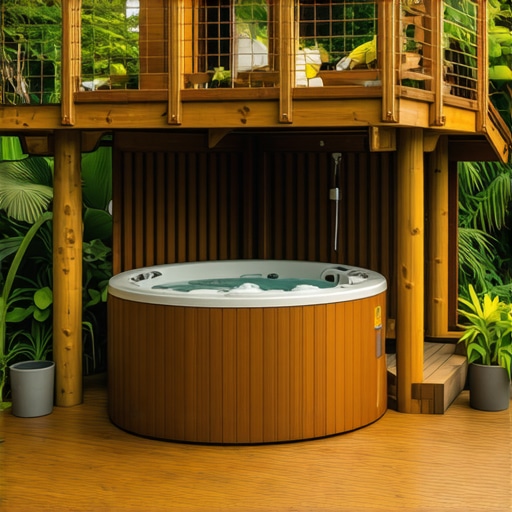
Walking out onto my deck one summer evening, I was hit with the unmistakable scent of chlorine and a nagging thought—how can I enjoy the luxury of a hot tub without sacrificing my outdoor aesthetics? I had spent countless hours selecting the perfect composite decking and designing stylish stairs, but hiding that bubbling oasis became a challenge I didn’t anticipate. It struck me that many deck owners face this dilemma: how to incorporate a hot tub seamlessly into a multi-level deck without it turning into an eyesore or losing privacy.
The Art of Concealment: Making Your Hot Tub Disappear with Style
Let’s face it—hot tubs are fantastic. They elevate your outdoor experience, offering relaxation and entertainment. But their bulky size often clashes with sleek decking or disrupts the visual harmony of your space. Early on, I made a critical mistake by simply building a box around my hot tub, which ended up looking cumbersome and uninviting. I learned that creating a hidden enclosure isn’t just about hiding—it’s about enhancing your design.
Instead, consider integrating your hot tub into your deck’s structure using custom features like built-in privacy screens, decorative panels, or cleverly designed storage units. These elements can blend your hot tub into the overall aesthetic, making it feel like a natural part of your outdoor oasis. For inspiration and practical ideas, check out this [transform your outdoor living](https://deckdesignbuild.com/transform-your-outdoor-living-with-custom-composite-decking-ideas) article, which discusses innovative ways to elevate your space.
Is Concealing a Hot Tub Really Worth the Effort? Or Just a Waste of Space?
From my own experience, hiding a hot tub isn’t just about aesthetics; it’s about privacy, safety, and functionality. A well-designed enclosure can shield you from wind, provide extra insulation in colder seasons, and prevent unwanted eyes from peeking in. But, it’s crucial to plan meticulously to avoid making your deck feel cramped or unsafe.
Remember, one mistake I made early on was neglecting proper support under the hot tub area, leading to sagging and structural issues down the line. Investing a little extra time and resources in designing a sturdy foundation and considering safety features like proper railing and slip-resistant surfaces can make all the difference.
As we move forward, I’ll guide you through practical steps and design tips to hide that hot tub beautifully without compromising your deck’s integrity or style. Ready to turn your outdoor space into a private retreat? Let’s dive into the details.
Build a Sturdy and Supportive Foundation
Start by evaluating your existing deck structure to determine if it can support the additional weight of a hot tub. Use a professional assessment if needed. Reinforce the framing with double joists, especially under the hot tub area, to prevent sagging. Support beams should be anchored securely to prevent shifting. Consider using steel supports for extra strength, similar to how heavy-duty components are essential in coastal decks.
Design Hidden Enclosures That Blend Into Your Deck
Use composite decking to create decorative privacy screens or lattice panels that conceal the hot tub. Attach these panels with hidden fasteners, which are more challenging to install on angled surfaces but yield a cleaner look. For a cleaner and safer approach, pre-drill and countersink the fasteners, as explained in hidden fastener tips. Incorporate planters or built-in storage units adjacent to the hot tub to act as natural barriers and aesthetic elements, adding a bespoke touch.
Enhance Privacy with Custom Screens
Install sliding louvered panels or retractable curtains that can be opened for a view or closed for privacy. These elements can be built from composite materials to withstand outdoor elements. They serve a dual purpose: shielding your space and adding visual interest. When designing these, consider seamless transitions that unify your design.
Integrate Stylish Stairs and Pathways
Stairs leading to your hot tub should be safe, slip-resistant, and in harmony with the deck’s style. Use composite treads with embedded non-slip surfaces, following guidelines from stair design insights. If your hot tub is elevated, consider adding a landing with a decorative riser, ensuring proper drainage and safety. This creates a cohesive flow from your deck into the hot tub area, much like connecting modules in a well-crafted structure.
Plan for Utility and Safety Features
Electrical wiring should be concealed within weatherproof conduit, avoiding visible cables that clutter the look. Install GFCI outlets for safety, following best practices from electrical safety tips. Incorporate lighting that highlights pathways and steps, blending functionality with style. Proper drainage systems under stairs and around the hot tub prevent water pooling and structural damage, ensuring longevity and safety.
Finish with Aesthetic and Functional Details
Add outdoor-friendly lighting fixtures to create an inviting atmosphere after sunset. Use composite fascia boards to cover cut ends and maintain a clean look, drawing from fascia finishing ideas. Incorporate plants and landscaping around privacy screens to soften the look and increase privacy without sacrificing airflow. Properly sealing and treating all touchpoints will prevent weather-related deterioration, ensuring your integrated hot tub remains a pristine focal point for years to come.
While understanding the basics of composite decking and deck construction is essential, many often overlook the subtler aspects that elevate a project from good to exceptional. One common misconception is the belief that choosing the highest-grade materials alone guarantees durability and aesthetic appeal. In reality, the installation process, proper support, and nuanced details like drainage and ventilation are equally critical and can make or break your outdoor space. For example, neglecting adequate airflow beneath the deck can lead to moisture buildup, warping, and even mold, despite using premium materials. I recommend exploring how proper material selection combined with smart installation techniques ensures longevity.
One particularly tricky myth is that all composite decking behaves identically in different climates. This couldn’t be further from the truth. Some brands, especially those with mineral-filled cores, perform significantly better in humid or salt-air environments, reducing expansion, contraction, and fading over time. Skipping this nuance often results in cracking or discoloration — mistakes that can be avoided by consulting a skilled deck builder who understands regional challenges.
Advanced builders know that the hidden costs often lie in details like fastener choice, edge finishing, and stair safety. For instance, overlooking the importance of proper stair riser heights and slip-resistant treads can compromise safety and comfort. Many presume that a quick fix with standard screws suffices, but this shortcuts durability and aesthetic coherence. Instead, utilizing hidden fasteners and precise measurements, as described in up-to-date stair design practices, prevents noise, wobbling, and uneven steps.
How Deep Do Your Foundations Need to Be to Last Decades?
A common oversight among DIYers is underestimating the importance of soil assessment and foundation support. Shallow footings or poorly supported posts can lead to uneven settling, causing your deck to tilt or develop cracks over time. Expert-level construction involves detailed soil testing to determine frost lines and load-bearing capacity, ensuring stable long-term performance. According to industry standards, proper support depth is essential, especially in climates with freeze-thaw cycles, as highlighted in professional advice on structural integrity.
The value of proactive drainage solutions cannot be overstated. Neglecting to incorporate gutters, gravel layers, or weep holes underneath and around your deck can result in water pooling, which accelerates wood rot or composite deterioration. These nuanced details often require consulting with an experienced deck builder who understands the interplay of moisture and airflow, ensuring your investment remains sound for decades.
As you consider your next outdoor project, remember that paying attention to these subtle yet impactful details will help you avoid costly repairs and ensure a stunning, durable outdoor living space. Have you ever fallen into this trap? Let me know in the comments and share your experiences with overlooked nuances in outdoor design.Maintaining your outdoor deck and hot tub setup requires precise tools and a strategic approach that ensures longevity and safety. One essential piece of equipment I personally rely on is a high-quality cordless power drill fitted with multiple bits, especially a set of countersink attachments. This allows me to pre-drill holes and set fasteners flush, preventing surface damage, which is critical when working with composite decking to avoid unnecessary splits. I also recommend using a digital moisture meter—like the Tramex MRH10—to monitor humidity levels beneath your deck framework, helping prevent mold and wood rot over time.
For ongoing cleaning, a pressure washer with a gentle spray setting — ideally not exceeding 1500 PSI — is invaluable. I prefer models with adjustable pressure controls, such as the Sun Joe SPX3000, because they let me precisely remove dirt without damaging the composite surface. Regularly inspecting and cleaning your deck not only maintains its appearance but also identifies early signs of wear or structural issues.
When it comes to long-term care, applying a high-quality, UV-resistant sealant designed for composite surfaces—like DEFY Ultimate Waterproof—creates a protective barrier against sun damage and moisture intrusion. Remember, composite decking isn’t maintenance-free; periodic cleaning and sealing preserve its aesthetic appeal and structural integrity.
Looking ahead, I believe advancements in smart outdoor monitoring will become more prevalent. Devices equipped with IoT connectivity can alert homeowners about excessive moisture build-up, structural stress, or even pest activity, enabling proactive maintenance. These innovations will streamline upkeep and extend the lifespan of outdoor structures.
How do I keep my outdoor living space functioning smoothly?
To keep your deck and hot tub area performing optimally, regular inspections combined with the right tools are key. Checking fastener tightness, cleaning surfaces before grime buildup, and applying protective coatings are routine yet vital tasks. For example, using a specialized composite deck cleaner—like Star brite’s Teak & Deck Brightener—can restore color and surface cleanliness, extending its lifespan.
For stairs, ensure non-slip treatments are refreshed periodically; I recommend a textured slip-resistant tape applied to treads, especially in wet conditions, as discussed in this resource. Always keep a close eye on structural components, like support beams and joists, and consider annual professional inspections, particularly if your area experiences harsh weather.
In your journey to create a stunning, durable outdoor space, don’t underestimate the value of proper tools and proactive maintenance. Experiment with smart moisture sensors or automated irrigation controls to simplify long-term care. Take one tip from this guide—perhaps investing in a moisture meter—and watch your outdoor living space thrive for years to come.
Lessons From My Decking Journey That No One Tells You
One of the most impactful lessons I learned was the importance of supporting structures—initially, I underestimated how much weight and stability my deck needed when accommodating a hot tub. Ensuring a reinforced foundation has prevented costly fixes down the line. Additionally, I discovered that blending concealment with functionality, such as custom privacy screens, not only hides the hot tub but also elevates the overall aesthetic. Lastly, I realized attention to detail—like proper drainage and slip-resistant stairs—makes the difference between a good setup and an enduring masterpiece, which you can explore more at this inspiring article.