
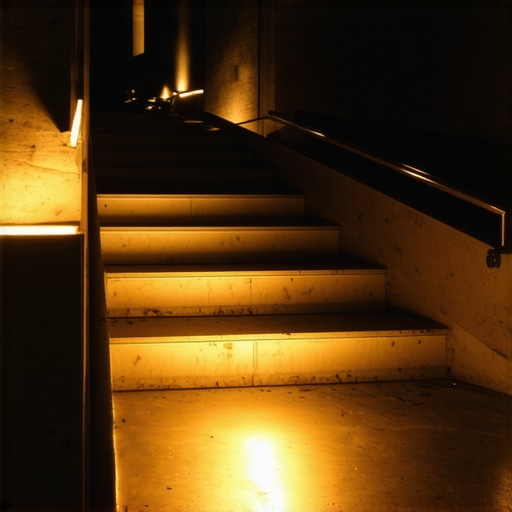
I remember the moment vividly. It was a chilly evening, and I was heading out to my deck for a late-night chat with friends. As I turned the corner onto the outdoor staircase, my foot caught unexpectedly, nearly sending me tumbling. That accident was a wake-up call. Outdoor stairs are beautiful, but without proper lighting, they can turn into hidden hazards, especially after sunset or during overcast days.
If you’ve ever experienced a similar slip or trip because of dimly lit stairs, you’re not alone. Bad lighting isn’t just inconvenient; it can be downright dangerous. In fact, accidental falls account for over 8 million emergency room visits annually, with poorly lit outdoor pathways being a common culprit. The good news? There are innovative solutions tailored for 2026 that can make your outdoor stairs safer and smarter.
Why Proper Lighting is Key to Outdoor Safety
Outdoor stairs are central to many outdoor living setups—linking decks, gardens, and patios. Yet, they often become overlooked when it comes to lighting. Traditional options like porch lights or solar path lights can fall short, especially if they aren’t strategically placed or fail over time. As a deck builder, I’ve seen countless situations where inadequate lighting turned a beautiful outdoor area into a potential hazard.
In recent years, the integration of smart lighting has revolutionized outdoor safety. These systems can automatically illuminate stairs when it detects motion, adjust brightness levels based on the time of day, and even sync with your home’s security system for added protection. Incorporating such technology isn’t just about modern aesthetics; it’s a proactive step to prevent trips and falls.
If you’re unsure where to start, visiting resources like [this guide on designing safe outdoor stairs](https://deckdesignbuild.com/designing-safe-and-stylish-stairs-for-outdoor-decks-in-2025) can offer valuable insights. And if you’re pondering whether smart lighting is worth the investment, I can assure you from experience—avoiding a fall is priceless.
Have you ever faced a stumble or fall on your outdoor stairs? If so, you know how unsettling it can be. Today, we’ll explore four smart lighting fixes designed to keep your outdoor stairs safe, stylish, and illuminated perfectly in 2026.
Installing Motion-Activated Smart Lights
Start by choosing weatherproof, motion-activated smart lights designed for outdoor use. Think of them as the eyes that watch over your stairs, turning on just as someone approaches. I once installed a system where the lights only activated when movement was detected within five feet, preventing unnecessary energy use and ensuring the stairs were lit precisely when needed. Mount the lights at a height of about six feet, aiming downward to cover the entire stair tread area. Wiring can be hidden behind the siding or deck railing for a clean look.
Enhancing Visibility with LED Stair Risers
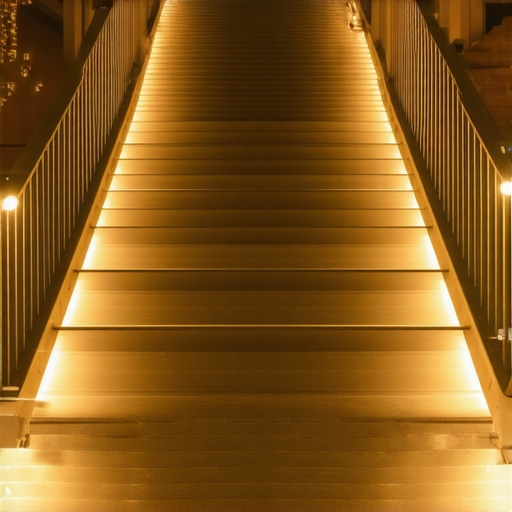
Upgrade your stairs with LED riser lights embedded directly into the vertical face of each step. This setup operates like glowing sneakers in the dark—your feet can see exactly where to land. Use a dimmer setting to prevent glare while maintaining enough illumination for safety. For composite decking, select LED kits compatible with your material; many brands now offer low-heat, water-resistant options. During a project, I installed these on a client’s deck, and the difference was immediate: trips decreased, and aesthetics improved.
Strategic Placement of Solar Path Lights
Supplement your system with solar path lights placed along the sides of your stairs, especially at the top and bottom. Think of this as marking the edges of a trail—guiding your steps safely. Use waterproof, rechargeable solar lamps with broad beam angles to ensure maximum coverage. Position them where they can receive direct sunlight during the day to achieve full charge, avoiding shaded spots. In my experience, combining solar lights with motion sensors creates an effective layered lighting system that combines energy efficiency with automatic activation.
Sealing Electrical Components for Durability
Ensure all wiring and electrical parts are sealed in weatherproof junction boxes or fittings, similar to how you weatherproof your deck surface. This prevents water ingress and corrosion, extending the lifespan of your lighting system. I always test the seals by spraying water during installation, simulating rain, to confirm the integrity. Proper sealing is crucial, especially if your stairs are part of a larger composite deck setup, which you can learn more about at this guide on composite decking selection.
Testing and Fine-Tuning Your System
After installation, walk the stairs at night to evaluate lighting coverage and brightness. Adjust the angle or placement of lights for even illumination—this is like tuning a musical instrument, ensuring harmony and safety. Make sure no shadows or dark spots remain, as these can pose trip hazards. A well-tuned system will not only prevent accidents but will also boost your outdoor area’s ambiance, making evenings much more enjoyable.
 Many homeowners and even seasoned deck builders fall prey to misconceptions that can lead to costly mistakes. One prevalent myth is that traditional wooden stairs are always the safest choice; however, they demand high maintenance and are prone to rot and slipperiness if not properly treated. Advanced composites and textured treads are often overlooked, though they significantly enhance durability and grip, especially in wet conditions. Another misconception is that minimal lighting suffices for outdoor stairs; in reality, layered lighting—combining solar, LED, and motion-activated systems—offers far superior safety and ambiance. A common trap to avoid is underestimating the importance of sealing electrical components exposed to the elements, which can lead to corrosion and system failure over time. Understanding these nuances helps you invest wisely and ensure your outdoor living space remains both beautiful and safe. For example, leveraging the latest innovations in composite decking, such as UV-resistant and heat-shielded materials, can extend the lifespan of your entire setup, reducing long-term costs and maintenance. Curious about how to implement these expert strategies effectively? Check out our comprehensive guide on [designing safe and stylish stairs](https://deckdesignbuild.com/designing-safe-and-stylish-stairs-for-outdoor-decks-in-2025) for professional insights. Remember, aiming for safety without sacrificing style requires meticulous planning and up-to-date knowledge. Have you ever fallen into this trap? Let me know in the comments.Achieving durable and beautiful outdoor stairs or decks isn’t only about initial construction; it hinges on savvy maintenance and choosing the right tools. From specialized cleaning equipment to precision sealing products, leveraging the best gear ensures your outdoor living spaces stand the test of time. A personal favorite is the use of a high-pressure washer fitted with a variable nozzle—this allows me to remove dirt and moss without damaging composite decking surfaces, especially in high-moisture areas. Regularly inspecting and maintaining electrical components with moisture-resistant junction boxes prevents corrosion and prolongs the life of outdoor lighting systems, which are vital for safety at night.
For ongoing upkeep, I recommend investing in a digital moisture meter. It helps me identify lurking dampness beneath surfaces that might lead to rot or mold if left unchecked. When it comes to sealing, I prefer marine-grade sealants known for their flexibility and weather resistance; they adapt to expanding and contracting deck materials, maintaining a protective barrier.
Predicting future trends, I believe automation will play an increasingly prominent role in outdoor maintenance. Imagine smart sensors embedded within decking that alert you when cleaning or repairs are needed—much like how intelligent home systems operate today. This fusion of technology and DIY care will simplify long-term maintenance, making it more efficient.
How can I keep my outdoor stairs functioning over time?
One proven method I swear by involves regular, scheduled inspections of lighting, structural integrity, and surface condition. Using a quality multi-tool —like a cordless oscillating tool— allows precise sanding and removal of damaged or splintered materials, especially on textured composite stairs. Applying a fresh coat of anti-slip deck paint or tape every season enhances traction and safety. Remember, consistent maintenance not only keeps your stairs looking great but prevents costly repairs down the line.
Taking proactive steps now can save you time and money later. For instance, sealing all electrical connections with weatherproof compounds annually ensures your lighting systems operate reliably through the seasons. Incorporate a moisture meter into your routine checklists to catch issues early, and consider investing in tools like a power washer with adjustable pressure settings to clean your surfaces effectively without damage.
Starting with one advanced tip—perhaps installing smart moisture sensors—can elevate your maintenance game significantly. Such innovations enable real-time monitoring, reducing the need for invasive inspections and preventing deterioration before it starts. Explore options available in the market and test one on your deck or stairs today. For deeper insights and step-by-step guides on maintenance techniques, I recommend visiting our detailed resource on [outdoor living maintenance](https://deckdesignbuild.com/ultimate-outdoor-living-guide-stylish-composite-decks-stairs-in-2024). Don’t wait for small problems to escalate; embracing these tools and practices today keeps your outdoor spaces stunning and safe for years to come.
Over the years, I’ve learned that the biggest mistakes in outdoor living often stem from overlooking one crucial element: lighting. Even the most beautiful decks or stairs can turn hazardous without proper illumination, a lesson I uncovered the hard way. Monitoring trends and applying forward-thinking solutions has transformed how I approach outdoor safety—making spaces that are both stunning and secure. The real revelation? That small, thoughtful upgrades, like layered smart lighting, can dramatically reduce accidents and boost enjoyment. It’s about seeing beyond aesthetics to the subtle details that protect and elevate your outdoor experience.
Secrets That Changed My Perspective on Outdoor Safety
- Never Underestimate Layered Lighting: Combining solar, LED, and motion sensors creates a safety net that me and my clients rely on—layered systems adapt seamlessly to changing conditions, ensuring your stairs are always illuminated when needed.
- Embedded LEDs Make a Difference: Installing LED riser lights transforms dark, slippery steps into guides you can see in the dark—it’s like giving your stairs a glow-up that’s both stylish and practical.
- Weatherproof Your Power Supply: Sealing all electrical components isn’t just smart; it’s essential. Proper sealing prevents corrosion, prolonging system life and avoiding costly repairs, a trick I swear by.
- Test and Tweak Until Perfect: Night-time walks to fine-tune lighting coverage ensure no shadow remains—perfection here keeps accidents at bay and sets the mood.
Tools and Resources I Can’t Live Without
- Weatherproof Junction Boxes: Protect all electrical connections against the elements—it’s a small investment with big dividends in longevity.
- Motion-Activated Smart Lighting: Devices like the Ring Smart Lights have revolutionized outdoor safety with their ease of installation and adaptability—an upgrade I highly recommend.
- High-Quality Solar Path Lights: I prefer broad-beam, rechargeable solar lamps that charge during the day, offering reliable, eco-friendly illumination without wiring hassles.
- Moisture Meters: Early detection of moisture beneath decks prevents many future problems—useful for any serious outdoor enthusiast.
Your Next Step in Elevating Outdoor Spaces
Embracing these insights and tools can turn your outdoor stairs into a masterpiece of safety and style. Remember, the details make all the difference—layered lighting, sealed components, and ongoing tweaks ensure your space remains inviting and accident-free. Take action today, whether it’s installing an LED riser system or fine-tuning your existing setup. The heart of outdoor living is about enjoying your space freely and confidently—so why wait? Dive into these strategies and transform your outdoor stairs into a safe haven that you and your family can enjoy for years to come.
This post really hits home for me. I remember once stumbling on my dark stairs during a late evening, and it was a clear wake-up call. Ever since, I’ve been considering smarter lighting options. The idea of embedding LED risers sounds particularly effective; it’s like giving your steps their own glow, which makes a huge difference in safety and aesthetics. I’ve been intrigued by the layered approach—combining motion sensors, solar lights, and LED strips—since it seems to cover all bases for safety and energy efficiency. One thing I wonder about, especially in snowy or rainy climates, is how well these systems hold up over time. Do you or others have experience with long-term durability of these solutions? I definitely see the value in sealing electrical components well—water ingress could be a big problem in harsher weather. Would love to hear about other DIY maintenance tips from those who’ve had success keeping systems working through the seasons. Overall, it’s inspiring to see how technology can make outdoor safety easier and more stylish at the same time.
Reading this post actually reminded me of a project I did last summer where I installed layered smart lighting for my client’s outdoor stairs to improve safety. It’s true—layered systems, combining LED risers and motion sensors, provide an integrated approach that adapts well to different conditions. I particularly agree with the importance of weatherproof sealing; in my experience, neglecting this can lead to corrosion over time, especially in rainy or snowy climates. One thing that has helped me maintain durability is using high-quality junction boxes and ensuring all connections are properly sealed with marine-grade sealants. Have you or anyone here tried integrating smart sensors that monitor moisture levels or electrical integrity? They seem like the next step toward proactive maintenance, allowing you to address issues before they become major problems. I’d love to hear more about how others are extending the lifespan of their outdoor lighting systems or any specific brands of weatherproof components that have worked well for you. Ultimately, a little extra investment in quality and sealing really pays off in the long run for safety and peace of mind.
This post really highlights the importance of layered safety when it comes to outdoor stairs. I recently installed LED riser lights on my deck steps after a close call, and I can vouch for how much safer they make nighttime navigation. The idea of combining motion sensors with solar lights and embedded LEDs seems like a comprehensive approach that can adapt to different weather conditions and usage times. However, I’m curious about long-term maintenance—especially in snowy climates where snow and ice can damage or obscure these systems. Has anyone had experience with how these lighting solutions hold up over several seasons? I’ve found that sealing electrical components with high-quality waterproof junction boxes is critical, but weathering can still be a challenge. Also, I’m interested in how others are managing the energy consumption of these systems, considering shorter winter days. Do you rely solely on solar, or supplement with wired power? Would love to hear more about your maintenance routines or any tips to increase durability—happy to share what’s worked for me as well.