
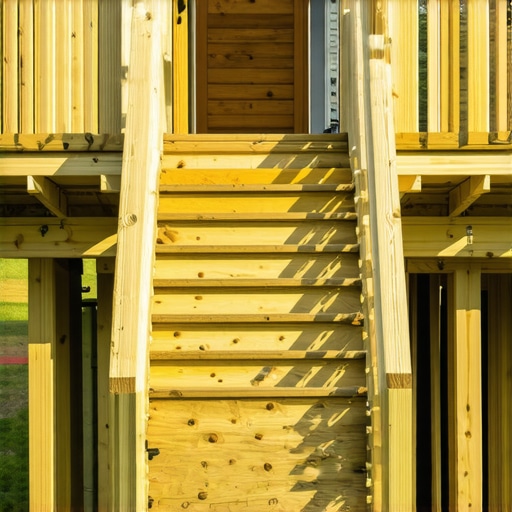
I remember the first time I noticed that my deck stairs were starting to sag, just a few years after I thought I had built a sturdy outdoor space. It was a slow, sneaky drop, almost like the stairs were quietly protesting beneath my feet. That moment was a lightbulb for me—if I didn’t address the underlying structural issues, I might be looking at dangerous, uneven stairs sooner than I expected.
Why Sagging Stairs Can Be a Real Safety Concern
It’s common for homeowners to dismiss slight dips or wobbles as minor problems, but over time, these issues can escalate into safety hazards. Loose or sagging stairs can cause trips and falls, especially for kids, elderly family members, or guests unfamiliar with your outdoor setup. And truthfully, neglecting foundational issues can lead to costly repairs down the line. That’s when I started digging into solutions and discovered a simple but effective trick involving triple-joist support that can make a real difference.
Skeptical About the Triple-Joist Approach? Here’s Why It’s Worth Your Attention
I’ll admit, at first, I was skeptical. I’d seen flimsy fixes and heard friends complain about their decks sagging despite regular maintenance. But a mistake I made early on was trying to patch things up without understanding the root cause—namely, insufficient joist support. Without proper reinforcement, even premium composite decking fails to maintain its integrity over time. Instead, a well-structured triple-joist system distributes weight evenly, greatly reducing the risk of sagging and ensuring your stairs stay stable for years to come. According to deck construction experts, adding extra support is one of the most effective ways to prolong your deck’s lifespan and safety (source: https://deckdesignbuild.com/4-structural-fixes-to-stop-2026-composite-decks-from-sagging). Now, let’s get into how you can implement this approach yourself, or better yet, work with a professional to ensure durability and safety.
Prepare Your Materials and Tools for Reinforcement
Begin by gathering pressure-treated lumber, especially 2×10 or 2×12 joists suitable for outdoor use, and heavy-duty fasteners such as galvanized or stainless steel lag bolts. Ensure you have a circular saw, drill, level, and tape measure handy. I once started without a proper measuring tape, leading to misaligned joists; I had to redo parts, costing extra time, but now I always double-check before cutting.
Assess and Mark the Sagging Areas
Carefully inspect your stairs to identify the exact points of sagging. Use a level to gauge deviation from vertical. Mark these spots clearly with chalk or a pencil. This step ensures your reinforcement focuses precisely where needed, preventing over-material use and unnecessary labor. Remember, precision here means fewer adjustments later, saving you time and effort.
Remove and Replace Old or Damaged Joists
If existing joists are rotten or cracked, carefully detach them using a reciprocating saw or pry bar. Before installing new support, double-check the existing ledger and support beams for stability. Replacing damaged joists prevents future sagging and provides a solid foundation. I once skipped inspecting the ledger, which led to persistent movement; a thorough check saves headaches.
Install the Triple-Joist Support System
Position the new joists perpendicular to the main support beams, aligning them level with the existing structure. Use a carpenter’s level to confirm accurate placement. Secure each joist with galvanized lag bolts through pre-drilled holes, spaced evenly along the ledger and support beams. This creates a triple-layer support that distributes weight evenly—think of it like adding extra legs to a table for stability. Remember: tight, secure fasteners are key; loose bolts compromise support and safety. For detailed guidance, check the [decking structural fixes](https://deckdesignbuild.com/4-structural-fixes-to-stop-2026-composite-decks-from-sagging).
Reinforce Connections and Finishing Touches
After installing the new joists, reinforce the connections by adding blocking between joists for lateral stability. Ensure all fasteners are tightened to prevent movement. If your stairs are exposed to weather, apply a weatherproof sealant or protective coating to prevent rot and corrosion. I once failed to seal my newly installed joists; a year later, some areas showed signs of moisture damage. Sealing is an easy step with long benefits. Once done, test the support by gently applying weight to ensure stability. The result? Solid, level stairs that stand the test of time and weather, maintaining safety for everyone. To upgrade your outdoor living area further, consider professional enhancements through a [skilled deck builder](https://deckdesignbuild.com/how-a-skilled-deck-builder-can-turn-your-garden-into-a-private-oasis).Many homeowners assume they understand everything about selecting a deck builder or choosing the right materials for outdoor living, but in reality, there’s a lot of nuance often overlooked. One common misconception is that all composite decking is created equal; however, many fall for the myth that cheaper brands or unverified suppliers will deliver the same durability and quality, risking costly replacements down the line. According to industry experts, not all composite materials handle thermal expansion, UV exposure, and moisture equally — a crucial factor for longevity in variable climates. This misunderstanding can lead to choosing products that warp, fade, or break apart sooner than expected, sabotaging your outdoor oasis.
Why Do We Overlook the Importance of Structural Details in Stair Design?
A frequent mistake is underestimating the significance of proper stair framing. Many assume that standard framing suffices, but advanced safety standards recommend specific dimensions—like wider treads and secure risers—that greatly reduce tripping hazards. Neglecting these details can cause instability and compromise safety, especially for children and seniors. Skilled deck builders understand that meticulous attention to such nuances enhances both safety and aesthetic appeal; for example, seamless transitions between stairs and decks elevate the overall outdoor experience. To learn more about aesthetic and functional integration, check out [creating seamless transitions](https://deckdesignbuild.com/creating-seamless-transitions-stairs-as-key-elements-in-outdoor-living).
Common Mistakes When Choosing Materials for Outdoor Living Spaces
Homeowners often focus on appearance while neglecting environmental factors. For instance, selecting a decking color or finish based solely on personal preference without considering heat absorption can result in scorching hot surfaces during summer. Modern trend reports emphasize that lighter colors and textured surfaces not only keep feet comfortable but also resist fading and mold, extending the life of your deck. An advanced tip is to consider material properties such as low thermal expansion and high resistance to weathering; this knowledge helps prevent premature aging of outdoor structures. Experts recommend reviewing specific [composite decking trends for 2025](https://deckdesignbuild.com/composite-decking-trends-2025-the-ultimate-guide-for-outdoor-enthusiasts) to stay ahead of design and durability discussions.  digital laser level. Its precision helps me maintain perfect alignment during reinforcement, ensuring safety and aesthetics go hand in hand. For fasteners, I trust the stainless steel impact driver—it handles heavy-duty tasks effortlessly and resists corrosion in outdoor conditions.
The expert articles from trusted sources guide me through complex reinforcement strategies. Additionally, investing in safe cleaning products helps keep my deck looking pristine without risking material damage. These resources combined have transformed my DIY approach into professional-grade craftsmanship.
Your Next Step into Safer Outdoor Living
Remember, enhancing your deck’s safety and durability isn’t just about fixing what’s broken—it’s about embracing a proactive mindset. The more you learn and invest in quality tools and trusted advice, the more you’ll build an outdoor space that stands the test of time and weather. Don’t wait until sagging stairs become a hazard—take action today and enjoy peace of mind knowing your outdoor sanctuary is as safe as it is beautiful.
What’s been your biggest lesson in maintaining or improving your outdoor space? Share your story below and inspire others to create safe, stunning decks for years to come.
,