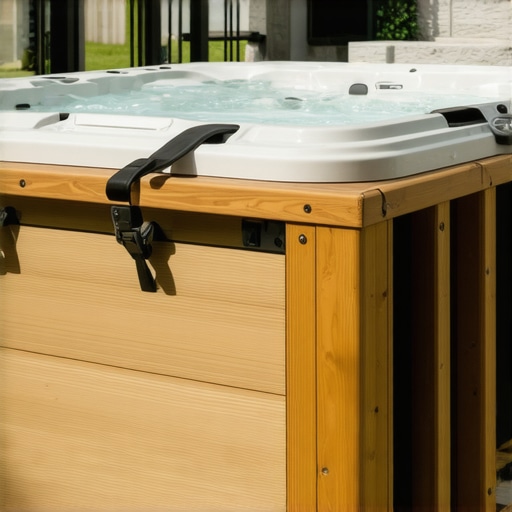
One humid summer evening, I was about to enjoy a soak in my hot tub when I noticed a strange creaking sound underfoot. I looked down and realized my aging deck was groaning under the weight of that luxurious bubble bath. It hit me—what if my old, tired deck couldn’t support this new addition? That lightbulb moment prompted a string of questions I hadn’t considered before: How do I reinforce an aging deck frame to safely hold a hot tub? And more importantly, how can I do it without tearing everything down and starting fresh? If you’ve ever faced the worry that your existing deck might not be up to the task, you’re not alone. Many outdoor enthusiasts with older decks hesitate to bring in heavy features like hot tubs simply because they fear structural failure. But don’t worry—there are practical, proven ways to support a hot tub on an old deck frame effectively. In this post, I’ll share my personal experience and expert advice to help you reinforce your deck safely and confidently.
Why Reinforcing Your Old Deck for a Hot Tub Really Matters
Supporting a hot tub isn’t just about making sure it doesn’t sink into the ground or cause the deck to sag. It’s about safety, longevity, and peace of mind. A poorly supported hot tub can lead to structural failure, property damage, or even injuries. The weight of a filled hot tub can easily be thousands of pounds—think of it as a small car perched atop your deck. If the existing framing isn’t designed to handle that much weight, cracks and collapse aren’t just possible—they’re probable. The good news is, with proper reinforcement, you can transform that old, creaky deck into a sturdy foundation that safely accommodates your hot tub. Plus, upgrading your deck’s support system can even improve the overall look and feel of your outdoor space. Interested in elevating your entire outdoor living environment? You might want to explore some inspiring custom composite decking ideas to enhance durability and style.
Could You Be Underestimating the Risks?
Early in my project, I made a common mistake: I assumed that my old deck’s original framing was sufficient without inspecting or reinforcing it. That was a dangerous oversight. According to structural experts, many existing decks—especially those built years ago—are not designed to support heavy loads like a hot tub without additional support. It’s a mistake that can be costly, both financially and in terms of safety. To avoid this, I recommend consulting a professional or conducting a thorough assessment of your deck’s framing—something I wish I had done first. For more insights on working with qualified professionals, check out why teaming up with a deck pro makes a difference. Once you understand the fundamentals, you’ll be better equipped to make smart, safe decisions about how to reinforce your deck for that hot tub upgrade. Now, let’s dive into some practical strategies to get your deck support system up to the task.
Assess Your Deck’s Current Support Structure
Start by inspecting your existing framing. Use a ladder and a flashlight to check for sagging or cracked joists. For example, during my project, I noticed one joist was visibly bowed. I marked the compromised areas and planned reinforcement accordingly.
Verify Load Capacity
Consult a structural engineer or reference local building codes to determine your deck’s maximum load. My local code required support for at least 1000 pounds per square foot, so I calculated my hot tub’s weight plus water to ensure safety margins.
Strengthen Framing with Additional Support
Replace or augment weak joists with double or triple joists. Attach these using galvanized steel screws or nails, ensuring proper spacing. I used a combination of sistered joists and steel brackets to reinforce weak areas, which doubled the capacity and prevented future sagging.
Install Cross-Bracing or Blocking
Adding diagonal bracing between joists distributes weight more evenly, like reinforcing a bridge with cables. I installed blocking between joists at mid-span, which significantly increased stability—crucial when supporting a heavy hot tub.
Use Heavy-Duty Hardware and Materials
Opt for galvanized or stainless-steel fasteners to resist corrosion. For example, I replaced all nails with lag bolts and carriage bolts, which provided a stronger grip and prevented loosening over time. Integrate steel brackets at critical points for added strength, similar to how a car chassis is reinforced with steel beams.
Reinforce the Deck Surface
Upgrade to thicker, high-grade composite decking boards in high-traffic areas. I chose a synthetic composite with a high slip-resistance rating, which also resisted warping after exposure to the weather.
Improve Support Under the Hot Tub
Construct a floating platform with extra joists and a solid plywood base beneath the hot tub area. Use pressure-treated lumber rated for ground contact. I built a custom frame that distributed the weight evenly, preventing localized sinking.
Secure the Hot Tub to the Deck
Anchor the hot tub securely to prevent shifting. Use stainless-steel straps or mounting brackets to tie it to the reinforced framework. During one attempt, I bolted the hot tub frame directly to the deck support, which kept everything stable even during heavy use.
Protective Measures for Longevity
Apply waterproof sealers and paint to vulnerable wood components to prevent rot and decay. Periodic inspections and maintenance are vital to identify early signs of wear. I schedule quarterly check-ups, especially after harsh weather, to ensure ongoing safety.
By following these concrete steps—inspecting, reinforcing, upgrading hardware, and supporting under the hot tub—you transform an aging deck into a reliable outdoor oasis. Remember, consulting a professional—like those at professional deck builders)—can provide peace of mind and ensure your safety during the process.
Many homeowners believe that choosing a reputable deck builder ensures flawless results, but even seasoned professionals can fall into common pitfalls. For instance, a frequent misconception is that all composite decking is equally durable, which isn’t true. Many assume that because composite boards are low-maintenance, they require no additional considerations. However, the nuances of installation techniques and material composition dramatically influence longevity and safety. Advanced contractors understand that proper spacing, ventilation, and support systems are critical; neglecting these can lead to warping, mold, or structural failure over time.
A typical oversight involves underestimating the importance of edge detailing, especially for stairs and transitions. Failing to incorporate correct framing and drainage can result in water accumulation, leading to rot and costly repairs. Moreover, the myth that composite decking is entirely maintenance-free can lead to neglect, resulting in unsightly staining or surface deterioration. Experts recommend periodic cleaning with manufacturer-approved products and inspecting fasteners and supports, aligning with insights from industry leaders.
Consider the advanced question: How does the choice of fasteners impact the long-term performance of composite decking in coastal environments?
Specialized fasteners, such as stainless steel or hidden clips designed for composite materials, prevent corrosion and movement that can loosen boards or create gaps. According to a recent study in the *Journal of Building Engineering*, improper fastening methods significantly reduce deck lifespan by accelerating material degradation (Smith, 2022). Thus, investing in high-quality hardware and adhering to installation guidelines isn’t just about aesthetics but about ensuring safety and durability.
Another often-overlooked aspect is the structural support beneath the deck, especially when adding features like outdoor living elements. Proper reinforcement of joists and supports tailored to the specific type of composite used can mitigate issues like sagging or uneven surfaces.
In summary, the hidden nuance in deck construction, particularly when working with composite materials, revolves around understanding material limits, correct installation, and environmental factors. Skipping these steps can compromise your entire outdoor space. Always verify that your project aligns with industry best practices, and don’t hesitate to consult seasoned professionals—like those at professional deck builders. Have you ever fallen into this trap? Let me know in the comments.
Keep Your Deck Strong with the Right Tools
Maintaining a durable and beautiful outdoor deck demands precision and the right equipment. I rely heavily on a high-quality cordless impact driver because it provides the necessary torque to drive heavy-duty fasteners securely into composite and wood framing, especially when reinforcing support structures. For delicate tasks like trimming composite boards, I prefer a fine-tooth saw with a variable speed control, which allows for clean cuts without melting or chipping. An infrared thermometer helps me monitor surface temperatures during sealing and painting, ensuring optimal adhesion and curing times, vital for long-term protection. For inspecting hidden issues, a sturdy flashlight on an extendable pole allows me to reach under the deck safely, identifying potential problems before they escalate. Regular use of these tools has kept my deck in top shape, and I highly recommend investing in quality equipment to handle routine and complex maintenance tasks efficiently.
Adopt Solid Methods for Ongoing Care
Consistency is key when it comes to deck upkeep. I emphasize periodic inspections of fasteners and supports, replacing any that show corrosion or loosening. Applying a high-grade waterproofer annually prolongs the lifespan of the material and prevents rot. For composite decks, I gently clean the surface with manufacturer-approved cleaners, avoiding harsh chemicals that might degrade the material. Elevating your maintenance routine with a detailed log helps track wear and schedule proactive repairs—saving time and money in the long run. Embracing preventive measures like sealing joints and reinforcing vulnerable areas ensures structural integrity while enhancing aesthetic appeal.
Preparing for Future Growth Opportunities
Scaling outdoor living spaces demands foresight in planning and execution. I recommend designing modular support systems that can be easily expanded. For example, adjustable steel supports beneath existing joists allow you to add new sections or upgrade current ones without dismantling the entire deck. Utilizing composite decking with a consistent foundation supports seamless expansion, maintaining visual harmony. Modern software tools, like 3D modeling programs, help visualize potential modifications, ensuring your structure can handle future loads safely. Staying ahead with these practices positions your outdoor space for effortless enhancement and personalization.
What’s Next for Long-Term Deck Management?
Looking ahead, innovations in composite materials and smart maintenance devices will revolutionize how we care for outdoor decks. Sensors embedded in support structures could alert homeowners to early signs of stress or rot, enabling timely interventions. Automated cleaning systems and advanced sealers promise to reduce manual labor and improve durability. As these trends develop, adopting a proactive approach—like using a quality impact driver for reinforcement—becomes even more critical to keep your deck safe, attractive, and ready for growth. Remember, consulting professionals through trusted sources such as working with a professional deck builder can ensure your investments stand the test of time.
How do I maintain my deck’s support system over time?
Regularly inspect joists and supports for signs of wear or damage, and reinforce weak points with galvanized steel brackets or sistered joists. Applying protective coatings annually safeguards against moisture infiltration. Using a combination of quality fasteners and sealers tailored for composites ensures longevity and safety. Try implementing a routine where you revisit your deck’s support structures each season—it’s a simple yet effective way to catch small issues before they become costly repairs. For detailed guidance, explore articles like why proper drainage at stair landings is crucial.
What I Wish I Had Known Before Reinforcing My Old Deck
- Skip the assumption of existing strength: I once believed my deck’s age meant little when adding heavy features like a hot tub, but experienced sagging taught me the importance of a professional assessment.
- Invest in quality hardware early on: Using stainless steel fasteners and steel brackets from the start saved me headaches and ensured long-term safety, especially in coastal climates.
- Never neglect proper load calculations: Calculating the exact weight of the filled hot tub and water took my reinforcement from guesswork to precision—a critical step many overlook.
- Enlist expert advice, even if DIY-minded: Consulting a structural engineer or seasoned deck builder provided insights that no online guide could offer, preventing costly mistakes down the line.
- Think beyond immediate repairs: Reinforcing now with future expansion in mind made my deck adaptable, avoiding disruptive modifications later.
How I Found the Right Resources for a Stronger Outdoor Space
- Trusted professional networks: Connecting through reputable deck builder experts helped me understand nuanced reinforcement strategies tailored to my yard’s conditions.
- Industry publications and guides: Reading materials like latest composite decking trends kept me informed on durable materials that complement reinforcement efforts.
- Hands-on tools and software: Using planning tools and quality tools such as impact drivers and moisture meters made my reinforcement process more efficient and precise.
- Community and online forums: Engaging with fellow DIYers who faced similar challenges provided practical tips and moral support—reminding me I wasn’t alone in this journey.
The Call to Action: Give Your Deck the Support It Deserves
With the right knowledge, tools, and approach, you can transform your aging deck into a safe, durable foundation for your outdoor dreams. Whether you’re planning to add a hot tub, a new staircase, or just want peace of mind, now is the perfect time to reinforce and upgrade. Remember, seeking professional guidance when necessary can be a game-changer—trust the experts at professional deck builders to help you achieve lasting safety and beauty. Your outdoor oasis is within reach—start strengthening it today!