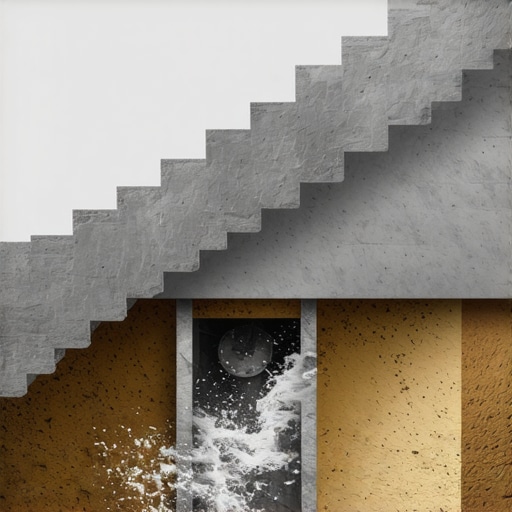
It happened on a rainy spring morning—water pooling at the base of my new deck stairs, causing the wood to swell and loosen. I had just finished building what I thought was a perfect outdoor staircase, only to realize that neglecting underground drainage was turning my pride into a soggy liability. That lightbulb moment hit hard: if I didn’t fix the drainage problem beneath the stair landing, I was setting myself up for ongoing repairs and safety hazards.
Protect Your Investment Before It’s Too Late
When I first designed my outdoor staircase, I focused on choosing the right composite decking and perfecting the railings. Yet, I overlooked a critical component—the drainage system beneath the stair landing. Without proper underground drainage, water doesn’t have a clear path to escape, leading to pooled moisture that causes wood rot, mold, and structural instability. The longer I waited, the more obvious it became: good drainage isn’t just about keeping things dry; it’s about preserving the entire structure.
Did you know that improper drainage can reduce the lifespan of your deck and stairs by up to 50%? According to building experts, inadequate water runoff management is a leading cause of deck failure, especially in regions prone to heavy rainfall or snowmelt. This startling statistic underscores the importance of proactive drainage solutions. Don’t make the mistake I did—trust me, ignoring this can cost you more than money in the long run.
Is Underground Drainage Really Necessary for My Stairs?
Early on, I thought I could get away with a simple sloped landing and surface-level drainage, but that proved insufficient. Water found its way into gaps, seeped through small cracks, and pooled beneath the surface. My oversight was a classic beginner mistake—assuming that surface drainage alone would suffice. Now, I understand that an effective drainage plan involves directing water away from the landing and into proper outlets.
Implementing a reliable underground drainage system might seem daunting, but it’s straightforward once you understand the basics. From installing gravel beds under the landing to adding perforated pipes that channel water away, these strategies form the backbone of a resilient outdoor structure. For detailed guidance on designing such systems, I recommend visiting [Transform Your Outdoor Space with Expert Deck-Building Tips](https://deckdesignbuild.com/transform-your-space-expert-deck-builder-tips-for-stunning-outdoor-living). It’s worth investing the time and effort now to prevent costly repairs later.
If you’re tired of battling standing water after every storm or simply want peace of mind knowing your stairs can handle the elements, that’s where proper underground drainage comes in. Over the next sections, I’ll walk you through practical steps to ensure your stair landing stays dry, durable, and safe for years to come. Have you already faced water damage or instability with your outdoor stairs? Sharing your experience could help others avoid the same pitfalls.
Set the Foundation with Gravel Beds
Start by excavating beneath your stair landing to a depth of at least 6 inches. Fill this space with coarse gravel, similar to the base of a fish tank filter, which provides excellent drainage and prevents water from pooling against the wood. Remember, this gravel acts as a sponge, soaking up excess moisture and directing it away from your stairs. I learned this the hard way when I accidentally left the gravel too shallow during my first attempt—water still seeped in, proving the importance of proper depth and consistency.
Install Perforated Drain Pipes
Lay perforated drain pipes in the gravel bed, ensuring the holes face downward. Use landscape fabric around the gravel to prevent soil embankments from infiltrating and clogging the pipes. Connect these pipes to a slope directing water away from your foundation and towards an outdoor drain or natural runoff area. When I added these pipes, I was surprised at how much water was channeled away during the next rainfall, saving my stairs from flooding and rot.
Create Compact Backfill and Cover
Cover the pipes with more gravel, then layer on compacted soil to lock everything in place. Top with a layer of crushed stone or pavers, which creates a durable surface that promotes runoff. This step ensures the drainage system remains intact and functional over time. During my project, I used a plate compactor to firmly settle the soil, avoiding future subsidence that could crack or misalign the stairs. This step is crucial for stability and longevity.
Seal All Gaps and Joints
Seal any cracks or gaps around your stairs with waterproof caulk or sealant to prevent water from seeping into the structure. Additionally, consider installing a drip edge or flashing at the juncture of the stairs and landing for extra protection against water intrusion. I found that sealing these areas dramatically reduced moisture ingress, helping maintain the structural integrity of my composite decking. This proactive sealing is simple yet highly effective in preventing ongoing moisture issues.
Maintain and Inspect Regularly
Periodically check your drainage system, especially after heavy storms. Clear out debris from gravel beds and ensure pipes remain unobstructed. Proper maintenance keeps water flowing away from your stairs and prevents blockages that could cause flooding. I schedule a quick inspection every season, which only takes a few minutes but saves me from costly repairs later. Consistent upkeep is the best way to safeguard your investment.
Additional Tips for Success
In regions with heavy rainfall, consider adding a sump pump or extension to your drainage system for extra capacity. When choosing materials, opt for corrosion-resistant pipes and filters, particularly if your climate is humid or salty. Remember, integrating effective underground drainage isn’t just about performance—it’s about peace of mind, knowing your outdoor stairs will stay safe and durable over years of wear and weather. For more insights on optimizing your outdoor space with expert guidance, explore modern composite deck designs or transforming your outdoor living area. Regular attention to drainage now will undoubtedly save you time and money in the future.While many folks believe that choosing durable composite decking or trusting a professional deck builder guarantees a lasting outdoor structure, the reality is more nuanced. One critical oversight often overlooked is understanding the hidden complexities of stairs and outdoor living design. Many assume that straightforward solutions suffice, but advanced builders know that nuances—such as precise riser heights and the importance of seamless transitions—have a significant impact on both safety and longevity. For instance, neglecting the intricacies of proper support and drainage can lead to premature wear or structural failure, despite using top-quality materials. Expert insights suggest that even minor miscalculations in staircase pitch or unsupported cantilevered sections can cause wobbling or cracks over time. According to a recent study by the National Association of Home Builders, even small advanced mistakes can reduce lifespan by up to 30%, emphasizing that DIY shortcuts often come at a costly price. Many people also assume that surface treatments are enough to protect composite decking, but in my experience, neglecting subsurface drainage and ventilation can trap moisture, accelerating deterioration. When considering your outdoor space, it’s essential to think beyond surface aesthetics and focus on the detailed engineering that underpins durable construction. For example, incorporating proper ventilation behind stairs helps prevent mold buildup, a detail overlooked by many amateurs. Don’t fall into the trap of superficial fixes; instead, invest in a comprehensive plan—consult a knowledgeable professional for insights on maximizing space and safety, especially when dealing with complex transitions or features that demand precision. For more advanced guidance, check out creating seamless transitions or innovative stairs solutions. Remember, small oversights now can lead to major repairs later—so prioritize understanding these advanced nuances to protect your outdoor investment. Have you ever fallen into this trap? Let me know in the comments.
Keeping your outdoor stairs and composite decking in top shape requires more than just quality materials; it demands the right tools and consistent maintenance practices. Over the years, I’ve found that investing in specialized equipment not only speeds up the repair process but also ensures long-term durability. For instance, a high-quality cordless impact driver, like the Makita XDT16, has become my go-to tool for securing fasteners tightly without damaging the composite surface. Its lightweight design and powerful torque help handle stubborn screws and bolts, particularly when installing or replacing stair components.
Another essential piece of equipment is a laser level, such as the Bosch GTL3. Precise level alignment is critical for stairs and decks to prevent wobbling or uneven surfaces. Using a laser level cuts down installation time and guarantees that every step and platform is perfectly aligned, reducing future safety hazards. I’ve learned the hard way that minor mistakes in levelness can lead to significant issues down the line, including water pooling or fastener loosening.
Maintenance also hinges on proper cleaning tools. A deck brush with nylon bristles, coupled with a garden hose or pressure washer (set to low pressure to avoid damaging the surface), helps keep the decking free of debris and mold. Regularly clearing away dirt and organic matter prevents moisture retention, which is a primary culprit in rot and mold growth. For stubborn stains or bird droppings, I rely on eco-friendly cleaners specifically formulated for composite materials, such as the Simple Green Deck and Fence Cleaner, which is gentle yet effective.
Predicting the future, I see a trend toward automated maintenance solutions. Robotic cleaners designed for decks are emerging, promising to keep surfaces spotless with minimal effort. While these are still developing, adopting smart tools early can save time and extend the lifecycle of outdoor structures. For example, integrating moisture sensors with your drainage system can preemptively alert you to pooling issues before they become costly repairs.
Wondering how to sustain your decking over the long haul? Ensuring routine inspections and addressing minor issues early can prevent major problems. Regularly check fasteners, sealants, and drainage efficiencies to prolong the lifespan of your stairs and deck. Consider scheduling seasonal reviews, especially after harsh weather events, to catch any damage before it worsens.
If you’re eager to take your outdoor space to the next level, I recommend trying the advanced drainage setup outlined earlier—integrating gravel beds and perforated pipes. This approach not only protects your investment but also reduces ongoing maintenance by keeping water where it should be. Remember, a little effort now saves substantial repairs later. Curious about how professional deck builders maintain their structures? You can learn more about the benefits of working with experts here.
The Hardest Lesson I Learned About Outdoor Stairs and Drainage
One of my biggest mistakes was overlooking underground drainage, which led to swollen, creaking stairs after heavy rain. It taught me that even the finest composite decking won’t save you from structural failures if water isn’t managed beneath the surface.
How Small Details Make or Break Your Outdoor Investment
I used to believe surface drainage was enough. Now I realize that proper gravel beds and perforated pipes are essential, turning a soggy, rotten stair into a fortress against the weather. The devil truly is in the details—like sealing gaps and maintaining pipes.
The Unexpected Lessons from DIY Deck Building
My DIY approach often skipped advanced drainage solutions, assuming basic slopes would suffice. The lightbulb moment? Integrating underground drainage systems dramatically extended the lifespan of my stairs, saving money and frustration in the long run.
Resources That Transformed My Outdoor Upgrades
- Impact Driver: The Makita XDT16 has been a game-changer for securing fasteners tightly on composite boards, preventing wobbling.
- Laser Level: Bosch GTL3 ensures every step is perfectly aligned, avoiding future safety hazards caused by uneven stairs.
- Eco-friendly Cleaners: Simple Green Deck and Fence Cleaner keeps my deck pristine without damaging materials—crucial for longevity.
- Online Guides: Transform your outdoor space offers expert tips that saved me from costly mistakes.
Seize the Moment and Elevate Your Outdoor Space
Taking the time to understand and implement advanced drainage solutions has been pivotal in my outdoor living journey. The difference it makes—not just in durability but in peace of mind—is truly inspiring. Whether you’re building anew or upgrading your existing stairs, remember: a well-protected deck is a lasting investment. Don’t wait for water damage to force your hand; be proactive, stay educated, and turn your outdoor space into a resilient oasis.
What challenges have you faced with outdoor drainage or stairs? Share your experiences below—I’d love to hear your stories and tips!