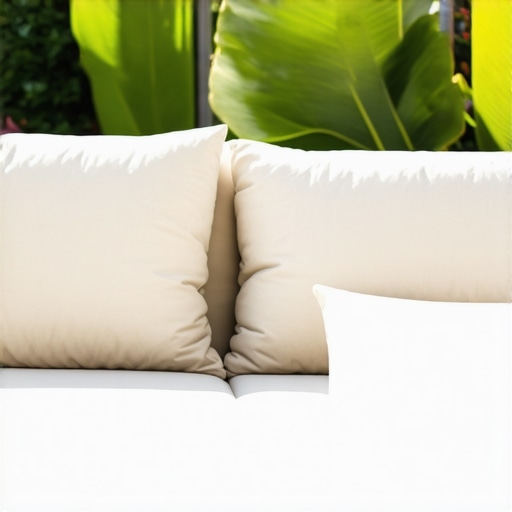
I remember walking out to my deck last June, coffee in hand, ready for a quiet morning. The sun was just hitting the planks. I sat down on my favorite sun-drenched cushion and felt it—that unmistakable, cold, damp squish against my lower back. I’d spent nearly three thousand dollars on a ‘weatherproof’ sectional, thinking I’d finally achieved peak outdoor living, only to find a fuzzy green colony of mold thriving in the deep seams. It was humiliating. I’m the guy my friends call for professional deck builder advice, yet I’d been defeated by a little humidity. If you’ve ever felt that same pang of regret while looking at a black-spotted cushion, you aren’t alone. Today, I’m pulling back the curtain on how I finally stopped the rot, so you can actually enjoy your deck without the constant ‘cushion commute.’
Stop Treating Outdoor Fabric Like a Magic Shield
For years, I made the classic mistake of thinking ‘water-resistant’ meant ‘invincible.’ I figured that because my deck used high-end innovative outdoor living ideas, the furniture would simply take care of itself. I was wrong. The reality is that even the best fabrics trap organic matter—pollen, dust, and skin cells—which act as a five-star buffet for mold spores. I once left my cushions out through a light misty week, thinking they’d dry out. Instead, they turned into a science project. According to the American Cleaning Institute, mold can begin to grow in as little as 24 to 48 hours in the right conditions. This is especially true if you have a poorly vented area that keeps humidity trapped near the floor. I’ve learned that prevention isn’t about buying the most expensive gear; it’s about managing the environment. Drop a comment below and tell me—have you ever had to throw away a set of cushions because that musty smell just wouldn’t leave no matter how much you scrubbed?
Is It Really Possible to Leave Cushions Out All Summer?
I know what you’re thinking: ‘I’ll just buy a plastic bin and move them every night.’ But a deck should be a place of relaxation, not a chore list. If you’re constantly hauling foam back and forth, you’ll eventually stop using the space altogether. I want to help you find that sweet spot where you can leave things out and still have them look brand new. We’re going to look at the secrets to making furniture last and why some common setups are actually mold-magnets in disguise. We’ll even touch on how your deck’s underlying structure—like why keeping your joists from rotting is essential for the whole ecosystem of your patio—actually affects the air quality around your seating area. Let’s get into the specifics of airflow and why your current furniture placement might be the real enemy.
Give Your Furniture Enough Room to Breathe
Airflow is the only natural enemy mold has, and most people accidentally kill it by hugging their furniture too close to walls or corners. Think of your deck like a radiator; for it to work, air needs to circulate around the entire unit. When you push a heavy sofa directly against a siding wall, you’re creating a ‘dead zone’ where humidity hangs out like an uninvited guest. I learned this the hard way with a gorgeous set of teak chairs. I tucked them tight into a corner of my wrap-around porch to save space, but three weeks later, the backrest fabric looked like a petri dish. To fix this, I now keep at least three inches of space between any fabric and the house. This small gap allows the breeze to whisk away moisture before it settles. This is even more critical if you have low-maintenance outdoor areas made of composite, as the boards themselves don’t absorb water, leaving the droplets with nowhere to go but up into your foam cushions.
The Stack and Suffocate Mistake
One summer, I thought I was being a genius by stacking all my sectional cushions into a neat, tight pyramid and throwing a heavy ‘breathable’ tarp over them before a thunderstorm. I figured the tarp would do the heavy lifting. When I pulled it off two days later, the middle cushions were actually warm to the touch—the trapped heat and moisture had created a literal incubator. Now, if I’m storing them temporarily, I stand them up on their sides like books on a shelf. This increases the surface area exposed to the air. If you are maximizing outdoor space, don’t sacrifice the health of your furniture just to keep things tidy. 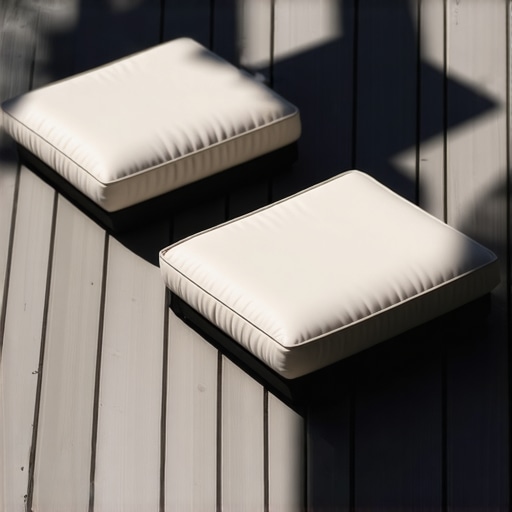
Why Your Deck Boards Dictate Your Cushion’s Life
Most people don’t realize that the gap between their deck boards is actually a functional ventilation system. If you’ve followed a joist spacing secret for a solid-feeling floor, you know that stability is key, but so is the drainage happening beneath your feet. If your furniture has solid flat bases, it’s blocking that upward airflow. I always recommend furniture with legs—even just two inches of lift makes a massive difference. If your current set sits flush on the floor, you might find chair legs catching in the gaps, but those same gaps are providing the vertical draft needed to dry out the bottom of your cushions.
Use the Natural Draft from Your Stairs
Stairs aren’t just for moving between levels; they are massive air intake valves for your deck. When designing safe and stylish stairs, the open space between the treads (if you haven’t used solid risers) allows a cross-breeze to flow under the deck and up through the boards. I’ve noticed that furniture placed near the top of a stairwell stays significantly drier than pieces tucked into a shielded corner. It’s all about working with the architecture of your outdoor living space rather than fighting it. To ensure long-term health, make sure you protect your deck frame from rot, because a moldy frame will eventually release spores that find their way into your expensive Sunbrella fabrics above.Most people think that the more expensive the furniture cover, the better the protection. I am here to tell you that this is often a dangerous myth. In my years of consulting as a professional deck builder, I have seen more cushions ruined by ‘high-end’ waterproof covers than by the rain itself. The problem is the sauna effect. When you trap moisture between a heavy vinyl sheet and a deck surface, you are creating a high-pressure humidity chamber. According to research from the Forest Products Laboratory, moisture trapped in semi-enclosed spaces can lead to localized humidity levels exceeding 90%, which is the ‘sweet spot’ for rapid fungal colonization. Unless your covers have heavy-duty, screened vents, you are better off letting your cushions face the elements and drying them out naturally with proper sun exposure.
Does Your Deck Color Choice Accelerate Fabric Decay?
You might not think that the color of your floor affects the life of your sofa, but the physics of heat transfer says otherwise. I have noticed that clients who choose a dark brown decking often report faster cushion degradation. This happens because the darker boards absorb immense amounts of UV energy, radiating that heat directly into the underside of your furniture. This constant ‘baking’ from below dries out the internal foam, making it brittle and more prone to holding onto moisture once it finally does get wet. If you are currently transforming your outdoor living space, consider how your color palette interacts with your seating. Have you ever fallen into this trap? Let me know in the comments. 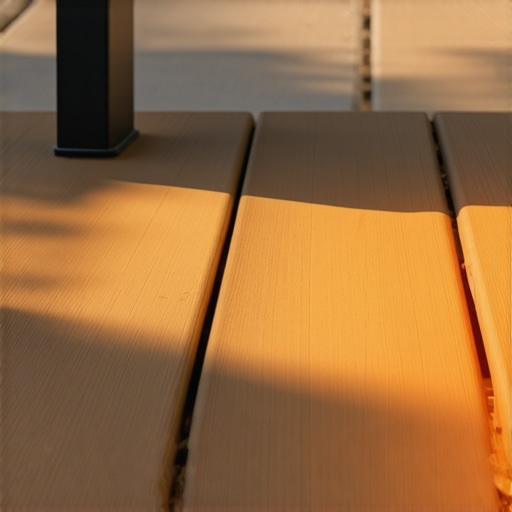
The Expansion Gap Trap Most Homeowners Ignore
Another advanced mistake I see involves the thermal movement of the deck itself. If your boards were installed too tightly, you might notice composite boards expanding more than expected during the peak of July. When those boards swell and close the gaps, you lose the vertical ventilation we discussed earlier. This effectively turns your deck into a solid, non-porous slab that forces all ground moisture to escape through the only remaining exits: the spaces directly under your heavy furniture. It’s a subtle ‘oops’ factor that can lead to a musty smell even if you’ve been diligent about cleaning.
Why Your Stairs Are Secretly Rotting from Within
We often focus on the main platform, but the stairs are where the real structural drama happens. A common advanced error is failing to provide adequate drainage and airflow at the stringer level. If you see that stair stringers are cracking at the throat, it is often due to repeated moisture cycles where the wood never fully dries out between the treads. This moisture then migrates upward. When you are designing safe and stylish stairs, you must ensure that the framing isn’t acting as a dam. Without proper venting, your stairs become a breeding ground for spores that the wind then carries right onto your furniture. Always double-check your stair stringer measurements to ensure you haven’t over-cut the wood, leaving it vulnerable to both weight stress and rot. To stop this cycle, you must vent the space under your deck properly, ensuring that air can move freely from the bottom step all the way to the ledger board.
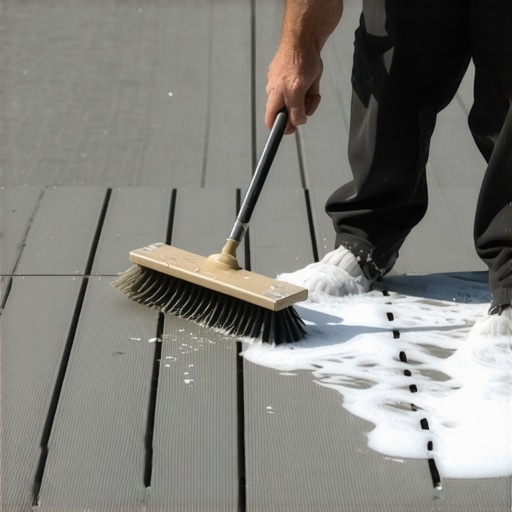
After a decade of consulting as a professional deck builder, I have realized that the tools you don’t use are often just as important as the ones you do. I never touch a pressure washer on my composite boards. Instead, I swear by a specific dual-action soft-bristle brush. The stiff nylon side is specifically for the gaps where chair legs might catch, and the soft side is for the surface of the innovative outdoor living ideas I have spent thousands of dollars to install. Most homeowners use tools that are too abrasive, which micro-scratches the protective cap of the composite, making it a magnet for the very pollen and dirt they are trying to remove.
Why Stainless Steel Hardware is the Hill I will Die On
Let us talk about the literal backbone of your deck: the fasteners. Most DIYers go cheap here to save a few hundred bucks, but I only use 305 or 316-grade stainless steel hardware. Why? Because the copper-based chemicals in modern pressure-treated wood eat standard zinc-coated screws for breakfast. According to the North American Deck and Railing Association (NADRA), a staggering percentage of deck failures are caused by corroded fasteners at the ledger board or the stair stringers. I have personally inspected deck frames that looked perfect from five feet away, but the screws holding the ledger to the house had the structural integrity of a wet cracker. If you want to protect your deck frame from rot, you have to stop the chemical reaction between your wood and your metal.
Looking toward the future, I predict that by late 2025, we will see a massive shift toward ‘intelligent’ deck systems. We are talking about integrated sensors tucked into the joist spacing that detect moisture levels and beam a warning to your phone before the rot even starts. This is where composite decking trends of 2025 are heading—moving from passive surfaces to active, smart structures that manage their own health. Until those are affordable, your best bet is a manual inspection routine and high-quality joist tape.
How do I keep everything looking brand new for twenty years?
It comes down to a simple quarterly ritual. Every three months, I crawl under my deck with a high-lumen headlamp and a small inspection mirror. I am looking for two things: moisture stains and signs of pests. Even if you have followed the best maintenance reality of an Ipe deck or a composite setup, the frame remains vulnerable. I check for blocked drainage channels and ensure no organic debris is matted in the gaps between the boards. For my own home, I use a thin putty knife to clear the gaps between the boards twice a year. It sounds tedious, but it prevents the ‘organic dam’ effect that leads to joist rot. Try this next weekend: grab a simple putty knife and clear the debris from just a ten-foot section of your deck gaps. You will be shocked at how much organic ‘mud’ has collected there, just waiting to trap moisture against your structural timber.
The Hard Truth About Why My First Deck Failed
Looking back, my biggest ‘lightbulb moment’ was realizing that moisture is an ecosystem, not just a weather event. I used to think that as long as I bought high-end cushions, I was safe. The reality is that moisture moves in upward cycles from the ground, through the boards, and into your seating. If you ignore the foundation, you are basically building a luxury house on a swamp. Working as a professional deck builder taught me that the spaces you can’t see are the ones that dictate how long your furniture lasts. Another lesson? Cheap ‘waterproof’ covers are often the primary cause of rot because they trap condensation. It is almost always better to let a high-quality fabric breathe in the sun than to suffocate it under heavy plastic.
Gear That Actually Earned a Permanent Spot in My Truck
I have tested dozens of products, but only a few stay in my kit year after year. First, a high-lumen LED headlamp is non-negotiable for those quarterly inspections under the joists. Second, I recommend every homeowner keep a simple stainless steel putty knife handy for clearing organic debris from gaps before it turns into a mold-feeding sludge. To really take care of your investment, I suggest following specific seasonal furniture care routines rather than relying on one-size-fits-all sprays. For the deck structure itself, I exclusively trust joist tape and 305-grade stainless hardware to prevent the chemical reactions that cause wood to fail prematurely.
Start Your Next Season With Zero Regrets
You have worked hard to create a space for your family to gather, and you shouldn’t have to spend every Saturday scrubbing black spots off your sectional. By prioritizing airflow, choosing the right materials, and staying ahead of composite decking trends of 2025, you are doing more than just cleaning—you are preserving a lifestyle. Whether you are implementing innovative outdoor living ideas or just trying to get one more season out of your favorite chair, remember that prevention is always cheaper than replacement. Focus on protecting your frame for thirty years, and the rest of your patio experience will naturally follow suit. What is the one piece of furniture you are most worried about leaving out this year? Let me know in the comments below!