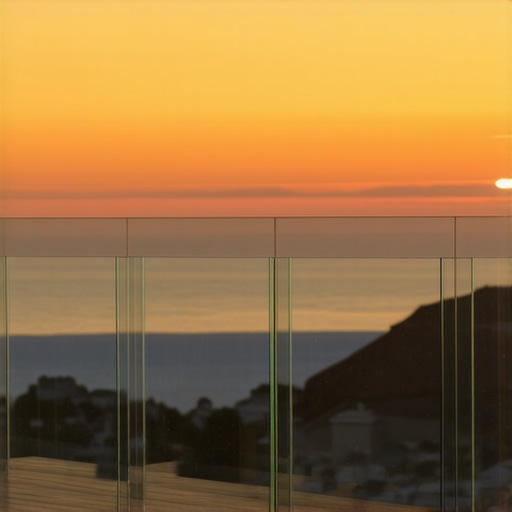
I remember the exact moment I realized my deck railing was ruining my cherished sunset view. It was a breezy evening, and I eagerly stepped outside to unwind. As the sky turned shades of orange and pink, I gazed out, only to be met with a barrier of vertical posts that seemed to cut the horizon in half. Frustrated, I wondered why I hadn’t noticed sooner how railing design could block such a simple pleasure. That eye-opening experience sparked my quest to find the perfect railing that balances safety, style, and unobstructed vistas.
Why Your Railing Choice Can Make or Break Your Sunset Experience
Choosing the right railing isn’t just about compliance or aesthetics—it’s about preserving the view that made you want an outdoor space in the first place. A poorly chosen railing can turn a stunning sunset into a fleeting moment of disappointment every evening. I’ve learned from my early mistakes that the key lies in understanding how various railing styles, materials, and installation techniques influence sightlines. This realization transformed my approach, and I want to share what I’ve discovered to help you enjoy your outdoor moments without compromise.
Are You Falling for the Popular Optical Illusions That Block Views?
Initially, I thought that taller, sturdier railings would always be safer and more stylish. Turns out, I overlooked how certain designs—like solid panels or bulky balusters—can be eye-sores that obstruct your horizon. Early on, I made the mistake of trusting aesthetics over function, choosing thicker materials without considering sightline transparency. I wish I had more guidance then—so I want to help you avoid the same pitfalls. For instance, exploring innovative styles like glass or cable railings can be game-changers, allowing for an open feel that keeps your view front and center. For a comprehensive look at modern railing solutions, check out [this guide](https://deckdesignbuild.com/innovative-outdoor-living-ideas-with-composite-decking-in-2025) for ideas that merge style and function seamlessly.
So, if you’re tired of blocking your sunsets or feeling limited by your current railing, don’t worry. We’re about to dive into practical strategies that will help you pick a railing designed not just for safety, but also for spectacular views. Ready to see your sunset without a barrier? Let’s get started.
,
Assess Your Space and Goals
Begin by visualizing your outdoor area and how you want it to feel. Consider the main purpose of your railing—safety, aesthetics, or maintaining views. I once measured my deck multiple times, drawing sketches to see how different railing styles could impact sightlines. This step prevents costly mistakes later. Use a tape measure to record exact dimensions and identify potential obstructions when selecting materials.
Select Transparent or Minimalist Materials
Opt for Glass or Cable Rails
Replacing traditional balusters with glass panels or stainless steel cables transforms your deck into an open-air sanctuary. I installed glass panels with a DIY kit, which involved precise measurements and careful leveling. The outcome? Stunning sunsets without visual barriers. When choosing glass, ensure it’s tempered for safety and UV-resistant to withstand weather. Cable rails require tensioning tools and specific hardware; reviews highlight their durability and minimal visual impact.
Avoid Solid Panels and Bulky Elements
Solid composite panels or thick wooden balusters can block your view. During my upgrade, I replaced a solid privacy panel with a thin, frosted glass section, which subtly increased privacy while preserving sightlines. Consider the overall aesthetics—thin profiles or transparent materials provide a sleek, modern look that helps your horizon stay uninterrupted.
Measure and Plan for Proper Height and Spacing
Code-compliant railing height is usually 36 to 42 inches, but adjustable based on local regulations. I used a level and ruler to mark height points, ensuring consistency across the entire railing perimeter. Proper spacing between balusters is critical—most codes recommend less than 4 inches apart to prevent small children from slipping through. Use spacers during installation to verify uniform gaps, preventing awkward quirks or dangerous gaps.
Invest in Quality Installation Techniques
Secure furniture-grade fasteners that won’t rust or degrade over time. During my project, I used structural screws designed for outdoor use, per recommendations from a deck builder guide. Proper tensioning of cables or precise sealing of glass panels prevents wobbling or leaks. Measure twice, drill once—that old adage saves time and avoids rework.
Layer in Safety, Style, and Maintenance
Apply sealants or protective coatings suitable for your chosen materials. For glass, I kept the surface clean with non-abrasive cleaners. For metal cables, periodic tightening is necessary to maintain tension. I also added LED lighting along the top rail for ambiance, which requires planning for wiring—embed conduit during installation for a clean look. This approach ensures longevity and safety without sacrificing aesthetics.
Consult Local Regulations and Professional Help
Always check with local building codes before construction. I contacted city hall online to verify my planned height and material use, avoiding future fines. For complex or large projects, hiring a professional deck builder ensures compliance and safety. They can also recommend innovative solutions you might not have considered, like integrated lighting or custom privacy screens.
Even seasoned outdoor enthusiasts often believe that choosing the right composite decking or designing perfect stairs is straightforward. However, popular myths and overlooked details can sabotage your project. For example, many assume that all composite decking is maintenance-free, but in reality, different brands and grades require tailored care to prevent warping or discoloration. As I delved into the intricacies of deck materials, I realized that understanding the subtle differences—like the role of quality additives—can significantly extend your deck’s lifespan. Similarly, when designing stairs, the misconception that standard tread dimensions fit all structures can lead to unsafe or uncomfortable access. Properly sizing and securing stair components, especially for outdoor spaces exposed to weather, demands meticulous attention to detail. Additionally, many overlook the importance of correct framing techniques, such as using structural screws instead of nails, which can prevent long-term wobbling or failure. Advanced builders know that the hidden key lies in balancing aesthetic choices with structural integrity and material properties. According to experts, failure to account for thermal expansion in composite decking can cause boards to buckle over time, emphasizing the importance of proper spacing and fastening methods. For those planning to upgrade their outdoor space, integrating a seamless transition between stairs and decks enhances safety and visual flow—details often ignored by DIY projects. Remember, the devil is in the details, and mastering these nuances ensures your outdoor living area stands the test of time and nature. Have you ever fallen into this trap? Let me know in the comments.
Maintaining a beautiful, durable outdoor deck or stairs requires the right tools backed by solid methods. One of my go-to items is a high-quality cordless power drill with variable speed control. I personally prefer the DeWalt 20V Max XR Cordless Drill because its lightweight design and powerful motor make it easy to drive screws quickly during repairs or upgrades, especially when installing new composite decking or securing railings. Pair it with a set of structural screws to prevent loosening over time, ensuring your structure remains safe and stable.
Another indispensable tool is an angle grinder with a flap disc attachment. I use this for cleaning and preparing the surface of composite boards or metal components before sealing or applying protective coatings. This step helps extend the lifespan of your materials by removing surface grime or oxidation, which can lead to warping or deterioration if left unattended. Regular surface prep using the grinder is a best practice I recommend to every outdoor builder or maintenance enthusiast.
For precise measurements, a digital laser distance meter has revolutionized my maintenance routines. I use the Bosch GLM 50 C because it provides quick readings, reducing measurement errors that commonly occur with traditional tapes—especially on uneven or hard-to-reach spots. Accurate sizing is crucial when fitting new stairs, railings, or custom privacy screens, ensuring everything aligns perfectly and reduces future repair needs.
Investing in a quality sealant applicator helps me achieve neat, even coats of sealant around joints, fasteners, or end grains. I use a Ryobi Electric Caulk Gun because its consistent pressure prevents over-application, which can cause mold or water ingress leading to rot. Regular sealing with proper tools keeps your deck and stairs resilient against weather and daily wear.
How do I maintain outdoor stairs and decks over time?
Establishing a maintenance schedule is vital. I recommend inspecting your structure every six months, especially after harsh weather. Check for loose fasteners, surface cracks, or signs of rot. Use a specialized screw remover to replace any worn fasteners without damaging the surrounding material. Regular cleaning with a deck-specific pressure washer helps prevent dirt buildup, which can accelerate decay. Additionally, applying a professional-grade composite deck cleaner, like those described at this resource, preserves the vibrancy of your boards and prevents mold growth.
Looking ahead, advancements like automated moisture monitoring sensors embedded in decking materials are on the horizon, promising predictive maintenance capabilities. These innovations could alert homeowners to potential issues before they develop, saving time and money. Embracing technology now ensures you stay ahead of problems, maintaining your outdoor space’s beauty and safety for years to come.
Take one advanced tip from this guide—try using a laser guide for accurate stair riser and tread measurements. This small investment pays off by ensuring your stairs are level and safe, reducing trip hazards, and minimizing rework. Start with this approach today to elevate your outdoor DIY skills!
One of the most valuable lessons I learned about outdoor spaces is that design choices can either elevate or diminish your experience. I once installed a railing with decorative metal balusters, thinking their intricate pattern added style. However, during my evening sunset routine, I realized they subtly blocked the horizon, turning a breathtaking view into a daily disappointment. That moment was my wake-up call to prioritize sightlines over aesthetic embellishments when designing outdoor features.
Secrets Manufacturers Won’t Share About Clear Views
- Assumption about Safety vs. Sightline: I used to believe taller railings always meant safer, but I discovered that modern cable and glass systems can offer safety without compromising views. Cutting-edge materials like tempered glass or stainless steel cables can be both resilient and visually light, giving you security and openness.
- Overlooking Material Transparency: Choosing thick wooden posts for a rustic look often meant sacrificing visibility. My lightbulb moment was realizing that slim-profile metal or glass options can blend seamlessly with traditional aesthetics while keeping sightlines crystal clear.
- Installation Mistakes: Rushing the setup led me to install railings without considering the importance of proper spacing and tension. Ensuring that each component is precisely measured and secured is vital—otherwise, your view might be obstructed by sagging or misaligned parts.
- Ignoring Local Codes: I learned the hard way that compliance is key. By consulting local regulations and working with knowledgeable professionals, I avoided costly reworks and ensured my designs safely balanced style and unobstructed vistas.
My Top Picks for Effortless Outdoor Joy
- Composite Decking with Hidden Fasteners: For durability and seamless appearance, I rely on [this guide](https://deckdesignbuild.com/choosing-the-right-composite-decking-for-durable-low-maintenance-outdoor-areas) to select low-maintenance, weather-resistant materials that keep your deck looking like new.
- Glass and Cable Railings: My favorite tools for transparent views include tempered glass panels and stainless steel cables. They create an open environment that invites the outdoors in and keep sightlines uninterrupted.
- Precision Measuring Devices: Investing in a laser distance meter, like Bosch’s GLM 50 C, revolutionized my planning process, helping me achieve perfect alignment and eliminate guesswork—crucial for maintaining unobstructed vistas.
- Quality Fasteners and Sealants: Using rust-proof screws and weatherproof sealants prolongs your railing’s life without sacrificing clarity or style, ensuring your outdoor sanctuary remains pristine for years.
Your Turn to Achieve Outdoor Perfection
Designing outdoor spaces that honor your view isn’t just about choosing the right materials—it’s about understanding how subtle decisions impact your everyday experience. Don’t settle for views blocked or compromised—embrace innovative solutions that keep Mother Nature front and center. Whether you’re upgrading your deck or constructing new stairs, every detail matters. Ready to transform your outdoor living? Explore more ideas with expert insights at this resource, and share your plans in the comments below. How have you ensured your outdoor views remain unobstructed during your projects? Let’s discuss!”}#}#}#}#}#}#}#}#}#}#}#}#}#}#}#}#}#}#}#}#}#}#}#}#}#}#}#}#}#}#}#}#}#}#}#}#}#}#}#}#}#}#}#}#}#}#}#}#}#}#}#}#}#}#}#}#}#}#}#}#}#}#}#}#}#}#}#}#}#}#}#}#}#}#}#}#}#}#}#}#}#}#}#}#}#}#}#}#}#}#}#}#}#}#}#}#}#}#}#}#}#}#}#}#}#}#}#}#}#}#}#}#}#}#}#}#}#}#}#}#}#}#}#}#}#}#}#}#}#}#}#}#}#}#}#}#}#}#}#}#}#}#}#}#}#}#}#}#}#}#}#}#}#}#}#}#}#}#}#}#}#}#}#}#}#}#}#}#}#}#}#}#}#}#}#}#}#}#}#}#}#}#}#}#}#}#}#}#}#}#}#}#}#}#}#}#}#}#}#}#}#}#}#}#}#}#}#}#}#}#}#}#}#}#}#}#}#}#}#}#}#}#}#}#}#}#}#}#}#}#}#}#}#}#}#}#}#}#}#}#}#}#}#}#}#}#}#}#}#}#}#}#}#}#}#}#}#}#}#}#}#}#}#}#}#}#}#}#}#}#}#}#}#}#}#}#}#}#}#}#}#}#}#}#}#}#}#}#}#}#}#}#}#}#}#}#}#}#}#}#}#}#}#}#}#}#}#}#}#}#}#}#}#}#}#}#}#}#}#}#}#}#}#}#}#}#}#}#}#}#}#}#}#}#}#}#}#}#}#}#}#}#}#}#}#}#}#}#}#}#}#}#}#}#}#}#}#}#}#}#}#}#}#}#}#}#}#}#}#}#}#}#}#}#}#}#}#}#}#}#}#}#}#}#}#}#}#}#}#}#}#}#}#}#}#}#}#}#}#}#}#}#}#}#}#}#}#}#}#}#}#}#}#}#}#}#}#}#}#}#}#}#}#}#}#}#}#}#}#}#}#}#}#}#}#}#}#}#}#}#}#}#}#}#}#}#}#}#}#}#}#}#}#}#}#}#}#}#}#}#}#}#}#}#}#}#}#}#}#}#}#}#}#}#}#}#}#}#}#}#}#}#}#}#}#}#}#}#}#}#}#}#}#}#}#}#}#}#}#}#}#}#}#}#}#}#}#}#}#}#}#}#}#}#}#}#}#}#}#}#}#}#}#}#}#}#}#}#}#}#}#}#}#}#}#}#}#}#}#}#}#}#}#}#}#}#}#}#}#}#}#}#}#}#}#}#}#}#}#}#}#}#}#}#}#}#}#}#}#}#}#}#}#}#}#}#}#}#}#}#}#}#}#}#}#}#}#}#}#}#}#}#}#}#}#}#}#}#}#}#}#}#}#}#}#}#}#}#}#}#}#}#}#}#}#}#}#}#}#}#}#}#}#}#}#}#}#}#}#}#}#}#}#}#}#}#}#}#}#}#}#}#}#}#}#}#}#}#}#}#}#}#}#}#}#}#}#}#}#}#}#}#}#}#}#}#}#}#}#}#}#}#}#}#}#}#}#}#}#}#}#}#}#}#}#}#}#}#}#}#}#}#}#}#}#}#}#}#}#}#}#}#}#}#}#}#}#}#}#}#}#}#}#}#}#}#}#}#}#}#}#}#}#}#}#}#}#}#}#}#}#}#}#}#}#}#}#}#}#}#}#}#}#}#}#}#}#}#}#}#}#}#}#}#}#}#}#}#}#}#}#}#}#}#}#}#}#}#}#}#}#}#}#}#}#}#}#}#}#}#}#}#}#}#}#}#}#}#}#}#}#}#}#}#}#}#}#}#}#}#}#}#}#}#}#}#}#}#}#}#}#}#}#}#}#}#}#}#}#}#}#}#}#}#}#}#}#}#}#}#}#}#}#}#}#}#}#}#}#}#}#}#}#}#}#}#}#}#}#}#}#}#}#}#}#}#}#}#}#}#}#}#}#}#}#}#}#}#}#}#}#}#}#}#}#}#}#}#}#}#}#}#}#}#}#}#}#}#}#}#}#}#}#}#}#}#}#}#}#}#}#}#}#}#}#}#}#}#}#}#}#}#}#}#}#}#}#}#}#}#}#}#}#}#}#}#}#}#}#}#}#}#}#}#}#}#}#}#}#}#}#}#}#}#}#}#}#}#}#}#}#}#}#}#}#}#}#}#}#}#}#}#}#}#}#}#}#}#}#}#}#}#}#}#}#}#}#}#}#}#}#}#}#}#}#}#}#}#}#}#}#}#}#}#}#}#}#}#}#}#}#}#}#}#}#}#}#}#}#}#}#}#}#}#}#}#}#}#}#}#}#}#}#}#}#}#}#}#}#}#}#}#}#}#}#}#}#}#}#}#}#}#}#}#}#}#}#}#}#}#}#}#}#}#}#}#}#}#}#}#}#}#}#}#}#}#}#}#}#}#}#}#}#}#}#}#}#}#}#}#}#}#}#}#}#}#}#}#}#}#}#}#}#}#}#}#}#}#}#}#}#}#}#}#}#}#}#}#}#}#}#}#}#}#}#}#}#}#}#}#}#}#}#}#}#}#}#}#}#}#}#}#}#}#}#}#}#}#}#}#}#}#}#}#}#}#}#}#}#}#}#}#}#}#}#}#}#}#}#}#}#}#}#}#}#}#}#}#}#}#}#}#}#}#}#}#}#}#}#}#}#}#}#}#}#}#}#}#}#}#}#}#}#}#}#}#}#}#}#}#}#}#}#}#}#}#}#}#}#}#}#}#}#}#}#}#}#}#}#}#}#}#}#}#}#}#}#}#}#}#}#}#}#}#}#}#}#}#}#}#}#}#}#}#}#}#}#}#}#}#}#}#}#}#}#}#}#}#}#}#}#}#}#}#}#}#}#}#}#}#}#}#}#}#}#}#}#}#}#}#}#}#}#}#}#}#}#}#}#}#}#}#}#}#}#}#}#}#}#}#}#}#}#}#}#}#}#}#}#}#}#}#}#}#}#}#}#}#}#}#}#}#}#}#}#}#}#}#}#}#}#}#}#}#}#}#}#}#}#}#}#}#}#}#}#}#}#}#}#}#}#}#}#}#}#}#}#}#}#}#}#}#}#}#}#}#}#}#}#}#}#}#}#}#}#}#}#}#}#}#}#}#}#}#}#}#}#}#}#}#}#}#}#}#}#}#}#}#}#}#}#}#}#}#}#}#}#}#}#}#}#}#}#}#}#}#}#}#}#}#}#}#}#}#}#}#}#}#}#}#}#}#}#}#}#}#}#}#}#}#}#}#}#}#}#}#}#}#}#}#}#}#}#}#}#}#}#}#}#}#}#}#}#}#}#}#}#}#}#}#}#}#}#}#}#}#}#}#}#}#}#}#}#}#}#}#}#}#}#}#}#}#}#}#}#}#}#}#}#}#}#}#}#}#}#}#}#}#}#}#}#}#}#}#}#}#}#}#}#}#}#}#}#}#}#}#}#}#}#}#}#}#}#}#}#}#}#}#}#}#}#}#}#}#}#}#}#}#}#}#}#}#}#}#}#}#}#}#}#}#}#}#}#}#}#}#}#}#}#}#}#}#}#}#}#}#}#}#}#}#}#}#}#}#}#}#}#}#}#}#}#}#}#}#}#}#}#}#}#}#}#}#}#}#}#}#}#}#}#}#}#}#}#}#}#}#}#}#}#}#}#}#}#}#}#}#}#}#}#}#}#}#}#}#}#}#}#}#}#}#}#}#}#}#}#}#}#}#}#}#}#}#}#}#}#}#}#}#}#}#}#}#}#}#}#}#}#}#}#}#}#}#}#}#}#}#}#}#}#}#}#}#}#}#}#}#}#}#}#}#}#}#}#}#}#}#}#}#}#}#}#}#}#}#}#}#}#}#}#}#}#}#}#}#}#}#}#}#}#}#}#}#}#}#}#}#}#}#}#}#}#}#}#}#}#}#}#}#}#}#}#}#}#}#}#}#}#}#}#}#}#}#}#}#}#}#}#}#}#}#}#}#}#}#}#}#}#}#}#}#}#}#}#}#}#}#}#}#}#}#}#}#}#}#}#}#}#}#}#}#}#}#}#}#}#}#}#}#}#}#}#}#}#}#}#}#}#}#}#}#}#}#}#}#}#}#}#}#}#}#}#}#}#}#}#}#}#}#}#}#}#}#}#}#}#}#}#}#}#}#}#}#}#}#}#}#}#}#}#}#}#}#}#}#}#}#}#}#}#}#}#}#}#}#}#}#}#}#}#}#}#}#}#}#}#}#}#}#}#}#}#}#}#}#}#}#}#}#}#}#}#}#}#}#}#}#}#}#}#}#}#}#}#}#}#}#}#}#}#}#}#}#}#}#}#}#}#}#}#}#}#}#}#}#}#}#}#}#}#}#}#}#}#}#}#}#}#}#}#}#}#}#}#}#}#}#}#}#}#}#}#}#}#}#}#}#}#}#}#}#}#}#}#}#}#}#}#}#}#}#}#}#}#}#}#}#}#}#}#}#}#}#}#}#}#}#}#}#}#}#}#}#}#}#}#}#}#}#}#}#}#}#}#}#}#}#}#}#}#}#}#}#}#}#}#}#}#}#}#}#}#}#}#}#}#}#}#}#}#}#}#}#}#}#}#}#}#}#}#}#}#}#}#}#}#}#}#}#}#}#}#}#}#}#}#}#}#}#}#}#}#}#}#}#}#}#}#}#}#}#}#}#}#}#}#}#}#}#}#}#}#}#}#}#}#}#}#}#}#}#}#}#}#}#}#}#}#}#}#}#}#}#}#}#}#}#}#}#}#}#}#}#}#}#}#}#}#}#}#}#}#}#}#}#}#}#}#}#}#}#}#}#}#}#}#}#}#}#}#}#}#}#}#}#}#}#}#}#}#}#}#}#}#}#}#}#}#}#}#}#}#}#}#}#}#}#}#}#}#}#}#}#}#}#}#}#}#}#}#}#}#}#}#}#}#}#}#}#}#}#}#}#}#}#}#}#}#}#}#}#}#}#}#}#}#}#}#}#}#}#}#}#}#}#}#}#}#}#}#}#}#}#}#}#}#}#}#}#}#}#}#}#}#}#}#}#}#}#}#}#}#}#}#}#}#}#}#}#}#}#}#}#}#}#}#}#}#}#}#}#}#}#}#}#}#}#}#}#}#}#}#}#}#}#}#}#}#}#}#}#}#}#}#}#}#}#}#}#}#}#}#}#}#}#}#}#}#}#}#}#}#}#}#}#}#}#}#}#}#}#}#}#}#}#}#}#}#}#}#}#}#}#}#}#}#}#}#}#}#}#}#}#}#}#}#}#}#}#}#}#}#}#}#}#}#}#}#}#}#}#}#}#}#}#}#}#}#}#}#}#}#}#}#}#}#}#}#}#}#}#}#}#}#}#}#}#}#}#}#}#}#}#}#}#}#}#}#}#}#}#}#}#}#}#}#}#}#}#}#}#}#}#}#}#}#}#}#}#}#}#}#}#}#}#}#}#}#}#}#}#}#}#}#}#}#}#}#}#}#}#}#}#}#}#}#}#}#}#}#}#}#}#}#}#}#}#}#}#}#}#}#}#}#}#}#}#}#}#}#}#}#}#}#}#}#}#}#}#}#}#}#}#}#}#}#}#}#}#}#}#}#}#}#}#}#}#}#}#}#}#}#}#}#}#}#}#}#}#}#}#}#}#}#}#}#}#}#}#}#}#}#}#}#}#}#}#}#}#}#}#}#}#}#}#}#}#}#}#}#}#}#}#}#}#}#}#}#}#}#}#}#}#}#}#}#}#}#}#}#}#}#}#}#}#}#}#}#}#}#}#}#}#}#}#}#}#}#}#}#}#}#}#}#}#}#}#}#}#}#}#}#}#}#}#}#}#}#}#}#}#}#}#}#}#}#}#}#}#}#}#}#}#}#}#}#}#}#}#}#}#}#}#}#}#}#}#}#}#}#}#}#}#}#}#}#}#}#}#}#}#}#}#}#}#}#}#}#}#}#}#}#}#}#}#}#}#}#}#}#}#}#}#}#}#}#}#}#}#}#}#}#}#}#}#}#}#}#}#}#}#}#}#}#}#}#}#}#}#}#}#}#}#}#}#}#}#}#}#}#}#}#}#}#}#}#}#}#}#}#}#}#}#}#}#}#}#}#}#}#}#}#}#}#}#}#}#}#}#}#}#}#}#}#}#}#}#}#}#}#}#}#}#}#}#}#}#}#}#}#}#}#}#}#}#}#}#}#}#}#}#}#}#}#}#}#}#}#}#}#}#}#}#}#}#}#}#}#}#}#}#}#}#}#}#}#}#}#}#}#}#}#}#}#}#}#}#}#}#}#}#}#}#}#}#}#}#}#}#}#}#}#}#}#}#}#}#}#}#}#}#}#}#}#}#}#}#}#}#}#}#}#}#}#}#}#}#}#}#}#}#}#}#}#}#}#}#}#}#}#}#}#}#}#}#}#}#}#}#}#}#}#}#}#}#}#}#}#}#}#}#}#}#}#}#}#}#}#}#}#}#}#}#}#}#}#}#}#}#}#}#}#}#}#}#}#}#}#}#}#}#}#}#}#}#}#}#}#}#}#}#}#}#}#}#}#}#}#}#}#}#}#}#}#}#}#}#}#}#}#}#}#}#}#}#}#}#}#}#}#}#}#}#}#}#}#}#}#}#}#}#}#}#}#}#}#}#}#}#}#}#}#}#}#}#}#}#}#}#}#}#}#}#}#}#}#}#}#}#}#}#}#}#}#}#}#}#}#}#}#}#}#}#}#}#}#}#}#}#}#}#}#}#}#}#}#}#}#}#}#}#}#}#}#}#}#}#}#}#}#}#}#}#}#}#}#}#}#}#}#}#}#}#}#}#}#}#}#}#}#}#}#}#}#}#}#}#}#}#}#}#}#}#}#}#}#}#}#}#}#}#}#}#}#}#}#}#}#}#}#}#}#}#}#}#}#}#}#}#}#}#}#}#}#}#}#}#}#}#}#}#}#}#}#}#}#}#}#}#}#}#}#}#}#}#}#}#}#}#}#}#}#}#}#}#}#}#}#}#}#}#}#}#}#}#}#}#}#}#}#}#}#}#}#}#}#}#}#}#}#}#}#}#}#}#}#}#}#}#}#}#}#}#}#}#}#}#}#}#}#}#}#}#}#}#}#}#}#}#}#}#}#}#}#}#}#}#}#}#}#}#}#}#}#}#}#}#}#}#}#}#}#}#}#}#}#}#}#}#}#}#}#}#}#}#}#}#}#}#}#}#}#}#}#}#}#}#}#}#}#}#}#}#}#}#}#}#}#}#}#}#}#}#}#}#}#}#}#}#}#}#}#}#}#}#}#}#}#}#}#}#}#}#}#}#}#}#}#}#}#}#}#}#}#}#}#}#}#}#}#}#}#}#}#}#}#}#}#}#}#}#}#}#}#}#}#}#}#}#}#}#}#}#}#}#}#}#}#}#}#}#}#}#}#}#}#}#}#}#}#}#}#}#}#}#}#}#}#}#}#}#}#}#}#}#}#}#}#}#}#}#}#}#}#}#}#}#}#}#}#}#}#}#}#}#}#}#}#}#}#}#}#}#}#}#}#}#}#}#}#}#}#}#}#}#}#}#}#}#}#}#}#}#}#}#}#}#}#}#}#}#}#}#}#}#}#}#}#}#}#}#}#}#}#}#}#}#}#}#}#}#}#}#}#}#}#}#}#}#}#}#}#}#}#}#}#}#}#}#}#}#}#}#}#}#}#}#}#}#}#}#}#}#}#}#}#}#}#}#}#}#}#}#}#}#}#}#}#}#}#}#}#}#}#}#}#}#}#}#}#}#}#}#}#}#}#}#}#}#}#}#}#}#}#}#}#}#}#}#}#}#}#}#}#}#}#}#}#}#}#}#}#}#}#}#}#}#}#}#}#}#}#}#}#}#}#}#}#}#}#}#}#}#}#}#}#}#}#}#}#}#}#}#}#}#}#}#}#}#}#}#}#}#}#}#}#}#}#}#}#}#}#}#}#}#}#}#}#}#}#}#}#}#}#}#}#}#}#}#}#}#}#}#}#}#}#}#}#}#}#}#}#}#}#}#}#}#}#}#}#}#}#}#}#}#}#}#}#}#}#}#}#}#}#}#}#}#}#}#}#}#}#}#}#}#}#}#}#}#}#}#}#}#}#}#}#}#}#}#}#}#}#}#}#}#}#}#}#}#}#}#}#}#}#}#}#}#}#}#}#}#}#}#}#}#}#}#}#}#}#}#}#}#}#}#}#}#}#}#}#}#}#}#}#}#}#}#}#}#}#}#}#}#}#}#}#}#}#}#}#}#}#}#}#}#}#}#}#}#}#}#}#}#}#}#}#}#}#}#}#}#}#}#}#}#}#}#}#}#}#}#}#}#}#}#}#}#}#}#}#}#}#}#}#}#}#}#}#}#}#}#}#}#}#}#}#}#}#}#}#}#}#}#}#}#}#}#}#}#}#}#}#}#}#}#}#}#}#}#}#}#}#}#}#}#}#}#}#}#}#}#}#}#}#}#}#}#}#}#}#}#}#}#}#}#}#}#}#}#}#}#}#}#}#}#}#}#}#}#}#}#}#}#}#}#}#}#}#}#}#}#}#}#}#}#}#}#}#}#}#}#}#}#}#}#}#}#}#}#}#}#}#}#}#}#}#}#}#}#}#}#}#}#}#}#}#}#}#}#}#}#}#}#}#}#}#}#}#}#}#}#}#}#}#}#}#}#}#}#}#}#}#}#}#}#}#}#}#}#}#}#}#}#}#}#}#}#}#}#}#}