How the TimberTech Fulton Rail Performs Against Harsh Utah Winters
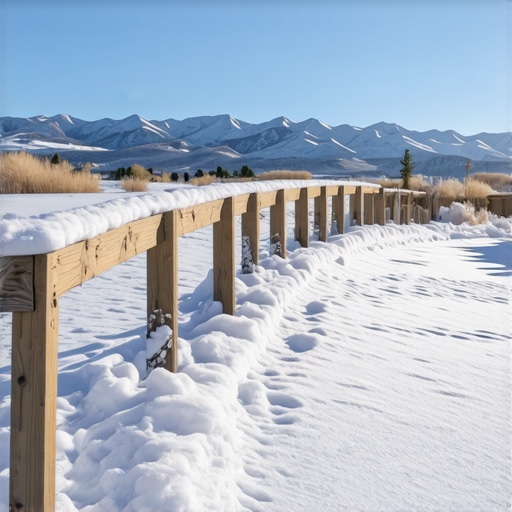
If you’ve spent even one season living along the Wasatch Front, you know that Utah winters are a different breed of beast. We don’t just get “snow”; we get lake-effect dumps that can drop three feet of heavy, wet powder in a single afternoon. For a deck builder like myself, who has spent over 30 years obsessing over the “upper echelon” of outdoor living, these conditions are the ultimate litmus test for any material. When homeowners start searching for decking near me or deck materials near me in the Ogden area, they aren’t just looking for something that looks good in July. They need something that won’t buckle, rust, or shatter when January hits its stride.
In the world of high-end deck construction, we often talk about “artistic flair,” but that flair is worthless if the structural integrity of the project fails after a few freeze-thaw cycles. That is where the timbertech fulton rail comes into play. Over the years, I’ve seen countless wood railings warp under the weight of Utah’s snow and vinyl systems turn brittle and crack in our sub-zero temperatures. The TimberTech Fulton Rail system is a game-changer because it addresses the specific environmental stressors of our high-altitude climate. It’s a marriage of structural engineering and minimalist design that provides a low maintenance deck solution that truly stands the test of time.
The Engineering of the Fulton Rail System: Built for the Long Haul
To understand why the timbertech fulton rail performs so well in Utah, you have to look under the hood – or in this case, under the powder coat. Unlike many railing systems that rely on composite or vinyl sleeves over a wood post, the Fulton Rail is a galvanized steel system. For a builder, galvanized steel is the gold standard for durability. The galvanization process involves coating the steel in a layer of zinc, which prevents rust from forming from the inside out. This is critical in Utah, where moisture from melting snow can seep into every microscopic crevice.
When you are looking for a composite deck railing, you want something that offers more than just a pretty face. The Fulton Rail is a panelized system, meaning it comes in pre-assembled sections. This isn’t just a win for the contractor; it’s a win for the homeowner. Panelized systems ensure factory-level consistency. Every baluster is perfectly spaced and welded, providing a level of shear strength that traditional “kit” railings simply cannot match. When the wind is howling off the Great Salt Lake, you want a railing that feels like a permanent part of the architecture, not something that rattles.
Furthermore, TimberTech backs this system with a 15-year residential limited warranty. In an industry where “wear and tear” is often used as an excuse for product failure, having a manufacturer stand behind their steel in a climate like ours is a significant endorsement. It’s the kind of reliability I look for when sourcing from a deck depot that understands the local market.
Surviving the “Big Freeze”: Snow Loads and Ice
Utah decks face a unique challenge: the sheer weight of snow. A heavy snowpack on a deck doesn’t just put pressure on the trex deck boards; it exerts significant lateral pressure on the railing. If you have a cheap railing, that weight can cause the posts to lean or the balusters to pop out of their tracks. The strength of the steel balusters in the Fulton Rail system ensures that even when the snow is piled four feet high against the perimeter, the railing remains plumb and secure.
We also have to talk about the “salt factor.” Many Utahns use ice-melt chemicals to keep their paths clear. These chemicals are notorious for corroding aluminum and eating away at wood finishes. Because the Fulton Rail is galvanized and then finished with a high-quality powder coating, it is exceptionally resistant to the corrosive effects of these salts. It’s a ruggedness that complements the necessity of deep decking footers. I always tell my clients that a railing is only as strong as what it’s attached to. If you don’t have robust deck foundations, even the best steel railing will struggle. The Fulton Rail’s mounting hardware is designed to integrate seamlessly with the deck’s frame, creating a unified structure that resists the “heaving” common in Utah’s clay-heavy soils.
In my experience, “Why your deck footings need to be deeper than you think” is a conversation every homeowner should have before the first frost. When you combine deep footings with a steel railing like the Fulton, you are building a fortress against the elements.
Aesthetics Meets Performance: The Minimalist View
In high-end design, we often say that “less is more.” The timbertech fulton rail embodies this with its sleek, minimalist profile. In Ogden and the surrounding mountain communities, the view is everything. You didn’t build a deck to look at a thick, chunky plastic railing; you built it to look at the mountains. The narrow balusters of the Fulton Rail provide excellent visibility, almost disappearing into the landscape while still providing a safe, code-compliant barrier.
One of the most popular accessories for deck builds today is the “drink rail.” The Fulton system is designed to accommodate a deck board on top of the rail, allowing you to match your railing perfectly to your composite decking. Whether you are using a classic black finish or integrating a wood-look top rail, the aesthetic is sophisticated and modern. While some homeowners look into cable deck railing systems for that “invisible” look, the Fulton Rail offers a similar modern vibe with significantly less maintenance and tensioning required over time. It’s the perfect fit for ogden decks where style and substance must coexist.
Comparative Analysis: Fulton Rail vs. The Competition
When clients come to me, they often ask about the “big names.” They might be looking at trex decking pebble gray or considering a deckorators venture sandbar board. While these are excellent choices for the surface of the deck, the railing is a different story. In a deckorators review, you’ll find that their composite boards are top-tier, but when it comes to the “bones” of the railing, steel often outperforms composite in extreme cold.
Let’s look at deckorators vs trex railing options. Many composite railings use a “sleeved” system where a plastic or composite shell goes over a 4×4 wood post. Over time, that wood post can rot or warp, causing the sleeve to crack. The timbertech fulton rail avoids this entirely by using a dedicated steel post. When you are choosing the best composite decking material, you should also be choosing a railing that doesn’t rely on organic materials that are susceptible to the Utah freeze-thaw cycle. Even the highest quality Deckorators boards deserve to be framed by a railing that won’t expand and contract at a different rate than the rest of the structure.
I’ve often written about “Why I prefer aluminum railings over wood or vinyl,” but galvanized steel like the Fulton Rail takes that durability a step further by providing a heavier, more substantial feel that many high-end homeowners prefer. It feels “expensive” because it is built with an uncompromising focus on quality.
Installation Insights from “Dr. Decks”
As a master builder, I can tell you that the best product in the world won’t perform if it’s installed incorrectly. In Utah, our building window can be short. We have to deal with mud in the spring and frozen ground in the late fall. This is why I value the timbertech fulton rail’s panelized system. It allows for a much faster installation than “piece-rail” systems, which means less time for my crew to be out in the elements and a quicker turnaround for the homeowner.
When you’re sourcing from a local utah deck supply, you want to make sure you’re getting the complete system. Don’t cut corners on the fasteners. Use the manufacturer-recommended hardware to ensure that the galvanized coating isn’t compromised during installation. I also highly recommend “The Spacing Secret for Installing Composite Decking in Winter” to anyone attempting a DIY build in the off-season. Because materials contract in the cold, you have to be precise with your gaps, or you’ll see major buckling when the July heat hits.
In my thirty years of building, I’ve learned that “upper echelon” builds never skip on the substructure. You can have the most beautiful timbertech fulton rail in the world, but if your frame is rotting, the railing will eventually sag. That’s why I always advocate for “How to Protect Your Deck Frame From Rot for Thirty Years” – using joist tape and proper ventilation is just as important as the railing you choose.
Conclusion: Why Fulton Rail is the Utah Standard
Choosing the right railing for your Utah home is about more than just matching a color palette. It’s about understanding the physics of snow, the chemistry of ice melt, and the reality of high-altitude UV exposure. The timbertech fulton rail stands up to all of it. It offers the strength of galvanized steel, the beauty of a minimalist profile, and the peace of mind that comes with a 15-year warranty.
If you are ready to upgrade your outdoor living space to something that can actually handle a Wasatch winter, I encourage you to visit timbertech fulton rail at Ogden Deck Depot. Whether you are looking for ogden decks supplies or just need expert advice on the best composite decking material, they are the go-to resource for professionals and homeowners alike. Don’t settle for a deck that looks good for one season – build something that lasts a lifetime.