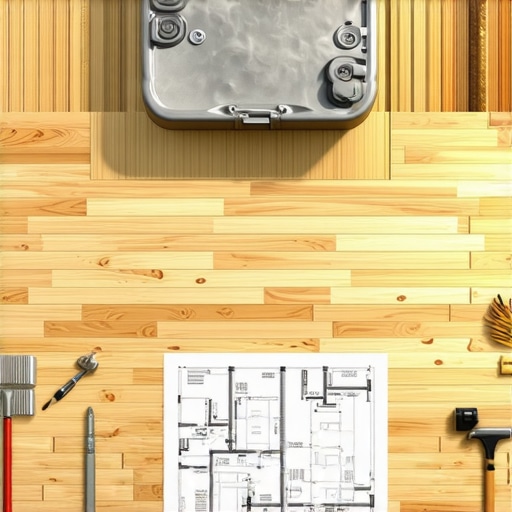
Ever had that moment where you’re about to set up your heavy hot tub on your deck, and suddenly, a warning light in your mind flickers on? I remember the first time I faced this real-world dilemma. I was excited to create a perfect outdoor retreat, but I overlooked a crucial aspect: making sure my deck could handle the weight of that sizable hot tub without risking a disastrous failure. Halfway through the project, I realized I was in deep trouble—couldn’t just slap together some joists and hope for the best. The stakes are high, and this is one detail you can’t afford to overlook.
The Importance of Proper Deck Support for Heavy Hot Tubs
When considering installing a hot tub, weight is a critical factor. A typical hot tub can easily weigh several thousand pounds—more when filled with water and occupants. If your deck isn’t properly supported, you risk catastrophic failure, property damage, or worse. From personal experience, I learned the hard way that understanding how to frame a deck for a heavy hot tub isn’t just about following building codes; it’s about ensuring safety and longevity. According to the experts at Deck Design Build, proper support and load calculations are essential for outdoor structures bearing significant weight.
Have you ever faced the challenge of supporting a heavy hot tub on your outdoor deck?
Many homeowners and even experienced DIYers make common mistakes early in their projects. One of the most frequent errors I initially made was underestimating the importance of thicker beams and a solid foundation—assuming standard framing would suffice. This misjudgment could have led to serious structural issues. But don’t worry, with the right planning and approach, you can avoid these pitfalls.
In the upcoming steps, I’ll guide you through the key considerations—materials, support spacing, and design techniques—that will help your deck support a heavyweight hot tub safely. Ready to turn your outdoor space into a sturdy, beautiful oasis? Let’s dive into the practical details that will keep your hot tub safe and your deck standing tall for years to come.
,
Establish Accurate Support Measurements
Start by assessing the weight of your hot tub when filled—this includes water, occupants, and the tub’s own weight. For instance, I once measured my hot tub, which was around 4,000 pounds filled, requiring me to calculate load capacity meticulously. Use a bathroom scale for smaller components and consult manufacturer specs for the tub to ensure precise data. Remember, underestimating this load is the quickest way to jeopardize your deck’s integrity.
Use Thick Beams and Heavy-Duty Support Posts
Opt for 6×6 inch pressure-treated posts instead of standard 4x4s, which I found necessary when I upgraded my deck for a hot tub. These thicker posts distribute weight more effectively and resist bowing over time. When installing these, dig sturdy footings below frost line, and use concrete pads to prevent shifting. This approach creates a robust foundation that can handle increased loads without failure.
Design for Proper Support Spacing
Spacing between supports is critical; too far apart, and your deck may sag or crack. I recommend a maximum of 8 feet spacing for beams supporting heavy loads, as per local code. I once managed this by measuring carefully and installing extra support posts in the middle of long spans. This prevents stress points and prolongs the lifespan of your decking surface.
Install Reinforced Joists and Cross-Bracing
Use double joists or blocking between joists to add strength, especially under the hot tub’s designated area. Incorporate cross-bracing where necessary to prevent lateral movement—like I did in my project—ensuring stability when the tub is in use. Reinforced framing acts much like struts in a bridge, distributing weight evenly and resisting deformation.
Choose Durable, High-Quality Materials
Select pressure-treated lumber, composite materials, or engineered wood with high load ratings. My experience with composite decking was positive: it maintained shape and didn’t warp under the added weight. For hidden fasteners and joist hangers, invest in stainless steel hardware to prevent corrosion, which is vital in outdoor environments exposed to water and temperature fluctuations. Review specifications carefully to match material load capacities with your hot tub’s weight.
Ensure Proper Anchoring and Foundation Stability
Secure support posts deeply into concrete footings, using anchor bolts to prevent movement. I learned this after noticing slight shifting over winter, which I corrected by adding additional anchoring cages. This step is fundamental; a shaky foundation can lead to uneven weight distribution and deck failure.
Consult a Professional When in Doubt
If you’re unsure about load calculations or structural design, reach out to a licensed deck builder. I did this when my project became complex, and it saved me from costly mistakes. Professionals can provide detailed plans, perform precise load assessments, and ensure code compliance, making sure your deck can support your hot tub reliably for years to come. Visit this contact page to get expert guidance.
When it comes to outdoor living, many homeowners believe they can simply replicate the basics they’ve seen elsewhere or follow simplified rules-of-thumb. However, this often leads to costly mistakes or design flaws. A prevalent myth is that standard construction practices and materials are universally suitable for all outdoor projects, including stairs and decking. But in my experience, overlooking the nuances—such as load-bearing specifics, material compatibility, and advanced framing techniques—can compromise safety and longevity.
Are DIY solutions enough for complex outdoor structures?
Many assume that a quick fix or generic plan will suffice, but neglecting context-specific factors like soil conditions, local climate, or the unique complexity of composite materials can induce failures. For instance, composite decking is often marketed as maintenance-free, but improperly spacing joists or ignoring thermal expansion can cause warping or buckling over time. According to a study by the Forest Products Laboratory, understanding the thermal properties and proper support systems for composite materials is crucial to prevent these issues.
Keeping Your Decks and Outdoor Features in Top Shape
Ensuring long-term performance of your outdoor structures requires more than just good initial craftsmanship; regular maintenance and the right tools are crucial. From cleaning composite decking to inspecting stairs and supporting posts, staying proactive prevents costly repairs down the line.
The Power of Quality Power Tools
I swear by my cordless impact driver when installing hidden fasteners or tightening joist screws. Its high torque and variable speed allow for precision without overdriving, which can damage composite boards. Similarly, a 3/8-inch impact wrench with a long extension simplifies tightening anchor bolts on support posts—saving time and reducing strain on my hands. Always opt for tools that offer adjustable torque settings to protect delicate materials and achieve consistent results.
Investing in Reliable Inspection Equipment
A digital moisture meter helps me identify hidden water intrusion points that could lead to rot or structural weakening. For example, checking beneath support posts regularly reveals moisture build-up before it’s visible upstairs. Laser levels are indispensable when aligning stairs or deck borders precisely, preventing uneven surfaces and tripping hazards. Using high-quality, calibrated tools means your maintenance checks are accurate and effective, extending the lifespan of your outdoor living space.
The Role of Proper Cleaning and Protective Products
For composite decks, I recommend a gentle cleaning solution like a soap-based cleaner combined with a soft-bristle brush. Avoid harsh chemicals that might degrade the surface coating. Regular application of a UV-protective sealant, especially after power washing, shields your deck from sun damage and color fading—preserving that like-new look for years. Staying consistent with cleaning intervals, typically every spring, keeps grime and debris at bay and ensures safety underfoot.
Future Trends in Maintenance and Tool Technology
Looking ahead, I anticipate smarter, IoT-enabled sensors integrated into decking materials that alert homeowners to structural issues or water intrusion in real-time. Also, advancements in battery technology will enable longer-lasting, faster-charging cordless tools, making maintenance more efficient. Embracing these innovations now can help you stay ahead in outdoor living design and upkeep.
How do I maintain composite decking over time?
The key lies in consistent cleaning, applying protective treatments, and periodic inspections with precise tools. Try scheduling quarterly checks using a moisture meter or laser level to spot problems early and address them before escalation. Incorporating high-quality equipment into your routine will save you money and keep your outdoor spaces stunning for years to come. To learn more about expert maintenance practices, consider consulting a professional deck builder at this contact page.
The Learning Curve Nobody Talks About
One of the biggest lessons I’ve internalized is that no shortcut replaces detailed planning when supporting a hot tub on your deck. I once thought a simple beam layout would suffice, only to find it sagging under the weight—an experience that taught me the importance of meticulous calculations and reinforcement. It’s tempting to rely on intuition, but the truth is, understanding load-bearing nuances can save you from costly mistakes and safety hazards.
Top Resources That Elevated My Outdoor Living Skills
First, I highly recommend checking out Deck Builder Insights for expert advice on structural design. Secondly, books like Building Codes for Decks and Hot Tubs have been invaluable for understanding legal and safety standards. Lastly, joining local contractors’ forums provided real-world tips that you won’t find in manuals—nothing beats insights from those who’ve been in the trenches. These resources collectively helped me ensure my deck was resilient against the heaviest loads.
Embracing the Realities of Outdoor Support Systems
Supporting a hot tub is not just a technical task—it’s an act of caring for your family’s safety and your property’s future. My experience has shown me that embracing detailed support planning transforms a risky project into a rewarding upgrade. If you’re ready to elevate your outdoor space with confidence, don’t hesitate to seek professional guidance—reach out to experts at this contact page. Remember, every successful project starts with thoughtful planning and a commitment to quality—your backyard sanctuary depends on it. How will you start ensuring your deck can handle the weight of your dream hot tub? Share your plans below!