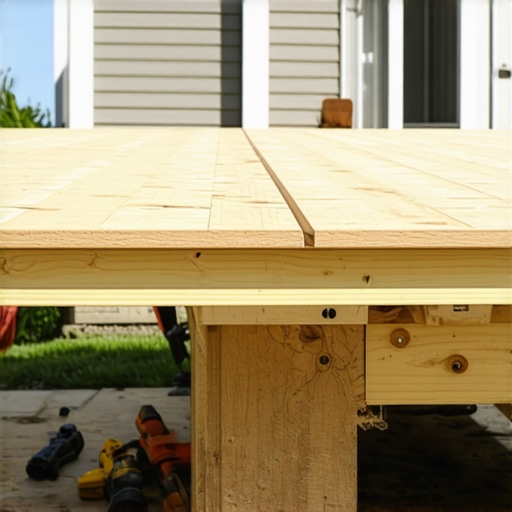
I remember the exact moment I tripped over that seemingly tiny gap between my deck and my house. It was early spring, and after a long winter, I finally decided to enjoy my outdoor space. But instead of the peaceful afternoon I envisioned, I found myself stumbling on the uneven footing, realizing that this small space had become a hazard—and a eyesore. That lightbulb moment made me realize how overlooked this detail can drastically affect safety, appearance, and even the longevity of the entire setup.
Stop the Trickling Chaos: Why Addressing Deck-to-House Gaps Is Essential
Many homeowners don’t give much thought to the gap where their deck meets their house until it becomes a noticeable problem. But trust me, neglecting this tiny space can lead to bigger issues like water damage, pest infiltration, and even structural decay. A properly sealed and integrated deck connection isn’t just about aesthetics; it’s about preserving the durability of your outdoor living area and ensuring safety for everyone who uses it. When I first tackled my own gap, I was surprised to learn that a simple fix could prevent costly repairs down the line. It’s a small project with big benefits—something that homeowners should not overlook. If you’re curious about the best ways to seal and integrate your deck with your home, you’ll find that a little proactive effort makes a world of difference, and it can be a satisfying DIY project or a task worth delegating to a professional for optimal results. Want to know more about choosing the right decking materials that stand up to weather and time? Check out this guide on [composite decking trends for 2025](https://deckdesignbuild.com/composite-decking-trends-2025-the-ultimate-guide-for-outdoor-enthusiasts) to stay ahead of the curve. Before jumping into solutions, though, have you ever faced the frustration of a gap that just won’t seal properly? You’re not alone, and understanding the common pitfalls will help you avoid costly mistakes.
Assess the Gap and Gather Your Tools
Begin by evaluating the size and nature of the gap between your deck and house. Use a measuring tape to determine the width and depth, noting any uneven surfaces or existing damage. Gather essential tools such as a chop saw, power drill, pneumatic caulk gun, masonry bits, sealant compatible with your deck material, and shims if needed. For example, when I tackled my own project, I laid out all materials beforehand to streamline the process and prevent interruptions during sealing.
Prepare the Surface and Clear Debris
Next, clean the area thoroughly. Remove dirt, leaves, and old sealant residues with a stiff brush or pressure washer. A clean surface ensures better adhesion of sealants and fasteners. I found that a quick sweep and wash made a noticeable difference in how well the sealant bonded, preventing future gaps from forming due to debris trapping moisture.
Level the Deck and Adjust Structural Elements
If your measurements reveal unevenness, use shims or wedges to level the deck surface. Think of it like adjusting the foundation of a building before finishing the walls—proper leveling prevents water pooling and structural issues. When I shimmied my deck slightly to compensate for uneven support beams, it not only improved water runoff but also made subsequent sealing much easier.
Apply Sealant and Secure Edging
Apply a high-quality, weather-resistant sealant designed for outdoor use along the entire gap. Use a caulk gun for precision, filling gaps completely without over-application. For wider gaps exceeding ¼ inch, consider installing flashing or rigid backing to support the sealant. After sealing, secure any loose or protruding boards with corrosion-resistant fasteners, ensuring stability and preventing further separation. During my own work, I made sure to press the sealant firmly into the gap and smooth it out with a putty knife for a clean finish.
Consider Future Maintenance and Materials
Choosing the right materials can simplify maintenance. Modern composite decking options offer lower upkeep and enhanced durability. In fact, exploring composite decking trends for 2025 can inspire long-term decisions. Additionally, regular inspections and resealing every few years will keep the integration tight and minimize future gaps.
Enhance Aesthetics with Seamless Transitions
Finally, finishing touches like molding or trim can hide minor imperfections and create a seamless look. Using hidden fasteners and flush-mounting hardware will make transitions less conspicuous, elevating your outdoor space’s appearance. I once added a custom fascia with mitered corners, which not only concealed the gap but also gave my deck a professional, polished finish. Proper sealing and thoughtful design turn a simple repair into an upgrade, making your outdoor living area safer and more attractive.
When it comes to designing outdoor living spaces, many enthusiasts focus on the aesthetics and basic safety measures but overlook subtle yet critical details that can make or break the durability and functionality of their decks. One common misconception is that choosing the right composite decking material is sufficient; however, the true expertise lies in understanding the nuances of installation, moisture management, and long-term maintenance. For instance, not all composite decks are created equal—some materials are more prone to static charging or fading over time, and knowing the distinctions can save you headaches and money. According to experts, properly venting under the deck and selecting materials with mineral cores can significantly enhance longevity in colder climates. If you ignore these details, you risk premature warping, mold buildup, or unexpected repairs. Similarly, many believe that reinforcing staircases is straightforward, yet advanced design considerations—such as riser height, tread width, and graspable handrails—are often underestimated. A misstep here can compromise safety, especially for children or elderly family members. It’s worth noting that even framing techniques influence outdoor stair security; using galvanized fasteners and proper ledger flashing prevents water infiltration, which is a silent enemy of your structure’s integrity. To elevate your outdoor space effectively, collaborating with a skilled deck builder who understands these intricacies ensures your project withstands harsh weather and time. Dive into comprehensive guides on selecting durable composite decking and innovative outdoor stairs solutions for deeper insights. Remember, neglecting these hidden nuances can turn your dream outdoor oasis into a costly nightmare. Have you ever fallen into this trap? Let me know in the comments.
Investing in Reliable Tools for Stairs and Decks
Maintaining your outdoor structures over time requires precision and quality. I personally swear by a high-quality cordless impact driver like the Milwaukee M18 Fuel for securing fasteners quickly and accurately, especially when working with composite decking. Its power and battery life minimize interruptions, ensuring you can complete projects efficiently. For precise cuts, I rely on a dual-bevel sliding miter saw such as the DeWalt DWS779. This tool helps me achieve perfect angles on stair stringers and fascia boards, reducing visual imperfections and structural weaknesses.
For sealing gaps and applying sealants, a pneumatic caulk gun is indispensable. I prefer the Milwaukee M12 Cordless Caulk & Sealant Gun because its consistent trigger pull prevents over-application, saving material and ensuring a clean finish. When it comes to inspecting the integrity of my decks or stairs, a digital level like the Bosch Digital Self-Leveling Cross-Line Laser is invaluable for verifying accuracy over long spans, especially on uneven ground or multi-level installations.
Software and Planning for Long-Term Results
Beyond tools, choosing the right software can streamline your outdoor renovation projects. I recommend using deck design tools like SketchUp or the specialized deck builder insights platform to visualize your layout and ensure seamless transitions before physical work begins. These programs help you plan for proper joist spacing, railing placement, and drainage slopes, crucial elements for durability and safety.
Moreover, keeping a detailed maintenance schedule in a digital planner or app helps track sealant reapplication and inspections, preserving your investment. I personally set reminders every two years to reseal and clean my decks, which keeps the composite surfaces looking fresh and minimizes long-term deterioration.
Future Trends and Scalability
Looking ahead, I believe the integration of smart technology—such as sensors that monitor moisture or structural shifts—will become a standard in outdoor living upgrades. Additionally, advancements in composite materials, like mineral-core boards, promise even greater resistance to weathering. As your outdoor space evolves, scalable solutions like modular decking and adjustable stairs will allow you to adapt seamlessly without major overhauls.
How do I maintain outdoor structures over time?
Consistency is key. Regular inspections, timely resealing, and using the right tools make maintenance manageable. For example, using fasteners with excellent corrosion resistance—like those recommended in industry standards—prevents structural failures and prolongs your deck’s lifespan. Try applying a maintenance checklist utilizing digital tools and see how it simplifies long-term upkeep. With a systematic approach, your outdoor living area will remain functional and beautiful for years to come.
Lessons Hidden in My Deck Journey
One of the most profound lessons I learned was that even tiny gaps can signal underlying issues that, if ignored, could snowball into costly repairs. I once thought sealing a small crack was enough, only to find water gradually seeping into unseen crevices, causing rot years later. This taught me that attention to detail, especially in outdoor living spaces, is essential for longevity. Additionally, I realized that choosing materials like mineral-core composites might seem like a minor detail, but it dramatically improved my deck’s resistance to harsh weather, saving me money and frustration. The biggest surprise? Regular maintenance, when approached with the right tools and mindset, becomes less of a chore and more of an investment in your home’s future.
Tools and Resources That Make a Difference
My go-to toolkit for outdoor projects includes the Milwaukee M18 impact driver, which handles hefty fasteners effortlessly and reduces project time—trust me, efficiency matters when working outdoors. For precise cuts, I rely on the DeWalt DWS779 miter saw; its accuracy ensures perfect angles, which might seem trivial but makes a huge visual difference. I also swear by the Bosch Digital Self-Leveling Laser for verifying alignment across uneven terrains—because a level deck isn’t just aesthetic; it’s a safety necessity. For inspiration and detailed guidance, I frequently consult this comprehensive guide on composite decking. It helped me understand material nuances that can prolong your outdoor space’s appeal and durability, turning DIY ambitions into reality.
Your Deck’s Future Starts Today
Building or fixing an outdoor space isn’t just about aesthetics—it’s about creating a safe, durable retreat that stands the test of time. Remember, every small detail, from sealing gaps to selecting the right materials, counts toward that goal. Don’t hesitate to embrace the challenge; your future self will thank you for investing in a well-designed, resilient outdoor living area. Whether you’re doing it yourself or collaborating with a professional, keep pushing to elevate your space beyond the ordinary. After all, a seamless transition from deck to house isn’t just a practical fix—it’s the foundation for countless memorable moments to come.
What’s been your biggest challenge in maintaining or building outdoor living spaces? Share your story below and inspire others on their journey to better decks and stairs!