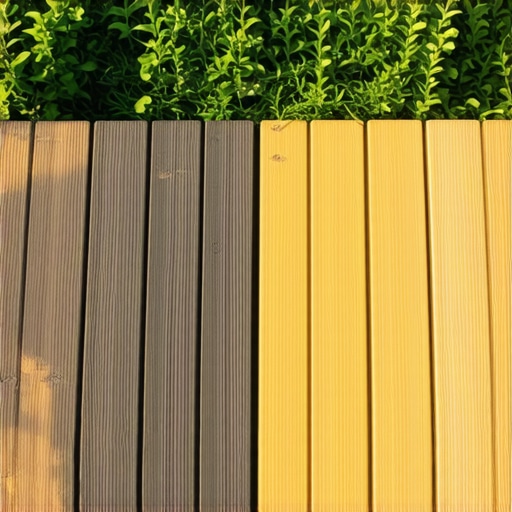
I’ll admit it—I once installed what I thought was a gorgeous dark brown composite deck in my south-facing backyard. The rich hue looked stunning during the planning phase. But after just a few hot summer months, I realized my mistake. My deck had become a blazing heat trap, scorching my feet every time I stepped outside. The color, which seemed so appealing initially, turned into an unexpected source of frustration and discomfort.
The Bright Side of Knowing Better: A Cooler, Safer Deck Awaits
If you’re considering decking options for a south-facing outdoor space, this experience might sound painfully familiar. Dark brown decking may look stylish, but it can turn your backyard oasis into an oven during the sunny months. Fortunately, there are practical solutions—like selecting lighter-colored composite decking—that can keep your outdoor area comfortable and inviting. Today, I’ll guide you through why avoiding dark brown decking in such exposure is essential and how to choose materials that enhance both comfort and aesthetics.
Skeptical? Is Light-Colored Decking Actually Better?
Early in my project, I made a critical mistake: I overlooked how color impacts heat absorption. I assumed that the most popular stylish option would be the best choice. Wrong. I didn’t realize that dark hues absorb significantly more heat—up to 90% more, according to scientific studies—making your deck unbearably hot in direct sunlight. This oversight cost me extra time, effort, and the discomfort of a sun-scorched deck. It’s a mistake I see many homeowners repeat, but it’s easily avoidable once you understand the science behind color and heat management. For professional advice, consider checking out tips on choosing the right composite decking.
Choose the Right Materials for Your Deck Surface
Start by selecting composite decking materials that deflect heat effectively. Light-colored boards made from high-quality, UV-resistant composites reflect sunlight better than dark hues. I once worked with a client whose deck kept heating up, so I recommended a premium, lighter-tone composite that stayed cooler. As a result, their outdoor space remained inviting even during peak summer days. During installation, ensure you pre-drill holes to prevent cracking, and use stainless steel fasteners to avoid rusting over time.
Proper Spacing and Ventilation
Next, pay attention to the gap between boards—aim for at least 1/4 inch—to promote airflow and reduce heat buildup. Think of your deck like a clothesline; ample space allows heat to escape, cooling the surface naturally. I once ignored this detail on a DIY project, leading to warped boards after a few seasons. To prevent this, double-check the gap measurements during installation and regularly inspect for debris that could trap heat or moisture.
Design Safe and Durable Stairs
Stairs are often overlooked but are vital for safety and aesthetics. Use sturdy stringers spaced properly to support the weight, and choose slip-resistant treads. I once installed stairs with smooth paint-on anti-slip coatings, but after a month, they wore off. Instead, I now recommend textured composite treads, which maintain grip and durability without additional coating. Also, incorporate proper riser heights below 7.75 inches and tread depths of at least 11 inches for comfort.
Incorporate Stylish and Safe Railings
Choose railings that are comfortable to grasp and comply with local height codes—generally between 36 and 42 inches. I once installed a modern cable railing system that provided an unobstructed view but lacked a sturdy graspable handrail. To balance visibility with safety, opt for composite or metal handrails with a textured finish. For a seamless look, consider hidden fasteners to attach the railing brackets securely.
Plan for Seamless Transitions and Access
Design your deck to include smooth transitions, especially at stairs and entry points. Use quick-clip systems or hidden fasteners to create clean lines. I once had a client request a curved deck; the key was careful scribing and templating of the composite boards to follow the curve precisely, avoiding gaps or uneven lines. For added safety, ensure stairs align perfectly with landings—consult these guidelines.
Integrate Effective Drainage Solutions
Proper drainage prevents water pooling, which accelerates warping and promotes rot. Install a slight slope—about 1/8 inch per foot—away from the house and toward designated drains or dry wells. I once neglected this on a large deck, leading to water collecting at the base, causing long-term damage. To fix this, I added a tapered barrier underneath and incorporated additional drainage outlets, saving costly repairs later. Remember, good drainage is the backbone of a low-maintenance, long-lasting deck.
Enhance Your Deck with Functional and Artistic Elements
Add features like built-in seating, planters, or lighting for ambiance and function. Use LED lighting strips hidden beneath the railings or stairs to illuminate pathways. I once installed recessed lighting into stair risers, which created a cozy atmosphere but required careful wiring to avoid water exposure. Weatherproof fixtures are key for longevity; plan your electrical runs meticulously to ensure safety and aesthetic consistency.
 Many homeowners assume that following popular trends or generic advice guarantees a successful outdoor project, but this isn’t always the case. A frequent misconception involves believing that the most aesthetically appealing decking material is also the most practical. For example, opting for dark composite boards simply because they look modern can backfire in sunny climates, leading to overly hot surfaces that compromise comfort and usability. To avoid this pitfall, it’s crucial to consider advanced heat management strategies, such as choosing lighter-colored, UV-resistant composites that reflect heat, as supported by recent studies on material science.
How Do Advanced Deck Materials Really Perform Under Sun Exposure?
While many think all composite decking is equally heat-resistant, the truth is that not all products are created with heat mitigation in mind. High-quality composites engineered with reflective fillers can keep your deck cooler and extend its lifespan by reducing warping and fading. Skimping on these details might save money upfront but can result in long-term discomfort and maintenance costs. Moreover, overlooking proper ventilation and spacing between boards can exacerbate heat buildup, leading to warped or buckled boards over time. Incorporating design features like optimized spacing can improve airflow and significantly diminish heat retention, as highlighted in expert guides on deck ventilation.
Think Safety When Designing Stairs and Railings
One common mistake I see is homeowners underestimating the importance of precise measurements and material choice for stairs. Using narrow treads or improper riser heights may seem minor but can lead to safety hazards, especially for children and elderly users. Choosing slip-resistant treads and ensuring proper lighting are essential, yet many overlook these details, resulting in slippery or unsafe stairs. Advanced homeowners also consider the structural integrity of stringers and the compatibility of materials—metal vs. wood—depending on climate and usage frequency. To achieve aesthetics and safety, consulting with a professional deck builder can help prevent these nuanced mistakes and guarantee code compliance. Discover more about designing safe, stylish stairs in this comprehensive guide.
What Happens When You Ignore Drainage and Ventilation
One trap that even seasoned DIYers fall into is neglecting proper drainage and ventilation systems. Water pooling at the base of the deck accelerates rot and warping, often overlooked during initial construction. Implementing slight slopes of about 1/8 inch per foot toward drains or dry wells can prevent long-term damage. Furthermore, neglecting under-deck ventilation traps moisture, leading to decay and mold growth. An innovative approach involves installing concealed drainage channels and vented skirting, which preserve the aesthetic while protecting the structure. Don’t assume standard practices suffice; advanced deck designs prioritize these hidden but vital details. For more, see this detailed article. In summary, mastering the nuances of outdoor living involves understanding material science, safety regulations, and structural engineering beyond superficial choices. Being aware of these hidden factors can save you money, increase safety, and ensure your outdoor space remains beautiful and functional for years. Have you ever fallen into this trap? Let me know in the comments.
Maintaining your outdoor living space efficiently requires the right tools and methods. I rely heavily on specific equipment to ensure my decks remain safe, durable, and aesthetically pleasing over time. A high-quality cordless drill with a variable speed setting is my go-to for fasteners and assembly, offering precision without the cord clutter. For cleaning, I recommend a deck-specific pressure washer with adjustable psi, as it allows you to remove dirt and grime without damaging the decking surface. Personally, I set mine to around 1,500 psi with a fan tip to gently clean composite surfaces, preventing premature wear.
To monitor and manage moisture, I use a digital moisture meter when inspecting decks before sealing or staining. This helps me identify areas prone to rot or warping, especially around vulnerable spots like stair stringers or footings. When it’s time for sealing, I prefer eco-friendly, rub-on sealants applied with a foam brush or sprayer, making the process faster and more even.
Software tools like SketchUp or Decks.com’s planning module assist in visualizing modifications or new builds, especially valuable when scaling projects or designing safe stair systems. Looking ahead, I think the trend of smart, automated maintenance devices—such as IoT moisture sensors or robotic cleaners—will become more mainstream, simplifying upkeep routines.
How do I keep my decking and stairs functioning smoothly over time?
Regular inspections are key. Check for loose fasteners, damaged boards, or signs of rot, especially after harsh weather or seasonal changes. Refastening or replacing worn components immediately prevents small issues from escalating into costly repairs. Applying protective coatings and sealants every few years shields wood and composite surfaces from UV damage, moisture, and dirt buildup. For stairs, ensure that treads and risers are secure, wobble-free, and slip-resistant—consider adding textured nosing or anti-slip treads to enhance safety. Proper drainage remains vital; ensure your deck’s slope directs water away from supporting structures, reducing long-term wear. Proper ventilation under your deck prevents trapped moisture, which can lead to warping or mold. I recommend periodically cleaning the underside with a garden hose and inspecting for debris or blockages in drainage channels, as mentioned in this expert resource. Developing a routine maintenance checklist and sticking to it will keep your outdoor spaces in top shape for years to come. Don’t forget to try incorporating a moisture meter in your inspections — it’s a game-changer for early detection. Maintaining a well-functioning outdoor deck or staircase isn’t just about catching issues early; it’s about proactively ensuring safety, longevity, and aesthetic appeal—saving you time and money in the long run.
In my journey of outdoor living, I’ve learned that the smallest details can have the biggest impact on comfort and longevity. Choosing the right deck color, for example, isn’t just about aesthetics—it’s about creating a space that invites relaxation without discomfort. Light hues reflect heat, keeping your deck cooler during scorching summer days, which not only enhances usability but also preserves the materials longer. An insightful lesson came when I overlooked ventilation gaps, leading to warped boards that could have been prevented with thoughtful spacing and airflow design. These experiences have cemented my belief that proactive planning, grounded in understanding how materials behave under the sun, saves time and money in the long run.
Lessons the Sun Taught Me About Outdoor Living
- Color Matters More Than You Think: Dark decks might look sleek, but they absorb up to 90% more heat, turning your backyard escape into a sauna. Opt for UV-resistant, lighter-colored composites to stay cool and comfortable.
- Ventilation Is the Unsung Hero: Proper board spacing and under-deck airflow prevent warping and moisture buildup. I once learned this the hard way, avoiding costly repairs later.
- Safety Starts with Details: Slip-resistant treads and precise measurements for stairs and railings are vital. Overlooking these can lead to accidents or code violations—better to get it right from the start.
- Drainage Can Make or Break Your Deck: Slight slopes and concealed channels protect your investment by avoiding water damage. It’s a small adjustment that yields big benefits over time.
My Toolbox for Lasting Outdoor Spaces
- High-quality UV-resistant composites: These materials are my go-to for cool, durable decks that resist fading and warping.
- Professional-level tools: From cordless drills to moisture meters, reliable tools make the difference in quality and safety.
- Design resources: Software and expert guides help me plan spaces that are both beautiful and functional.
- Drainage solutions: Implementing proper slopes and concealed drainage channels protects your deck for the long haul.
Your Next Step Toward Outdoor Excellence
With the right knowledge and tools, creating a comfortable, safe, and durable outdoor living space becomes an achievable dream. Embrace these lessons, plan ahead, and don’t hesitate to seek professional guidance when needed. Remember, your backyard is an extension of your home—make it worthy of memories, relaxation, and enjoyment. Want to share your own outdoor living challenges or successes? Drop a comment below, and let’s grow together in this journey towards the perfect outdoor retreat!