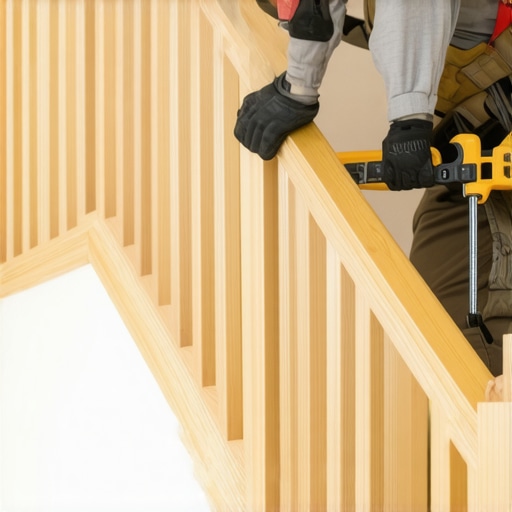
I remember the first time I stepped onto my deck and noticed it: the handrail was leaning just a little too much, wobbling with the slightest touch. At first, I thought it was a temporary issue—maybe the wind or just normal wear. But as days went by, that slight sway turned into a noticeable sag. It was a lightbulb moment for me; my outdoor space, my refuge, was no longer safe nor appealing.
Why does a sagging railing matter so much? Well, not only does it compromise safety, especially for kids or guests, but it also drags down the entire aesthetic of my deck. A wobbly handrail screams neglect, and honestly, I didn’t want to tackle a full post replacement if I could find an easier fix. If you’re like me, you might think, “Is there really an alternative that doesn’t involve ripping out those sturdy-looking posts?”
Absolutely. Over the years, I’ve discovered simple yet effective methods to tighten and stabilize railings without the headache—and expense—of replacing entire posts. And the good news is, with a little know-how, you can do it too. In the next sections, I’ll walk you through practical strategies that worked wonders for my deck, saving me time, money, and frustration.
Why Address a Wobbly Railing Before It Gets Worse
A loose or sagging railing isn’t just an aesthetic issue—it’s a safety hazard waiting to happen. Over time, even minor movements can lead to greater instability, increasing the risk of accidents. Plus, a compromised handrail can violate local building codes, potentially causing issues with insurance or home inspections. Addressing these problems early isn’t just about maintaining beauty; it’s about protecting your loved ones and your investment.
One mistake I made early on was assuming that tightening the bolts alone would fix the problem. While it helped temporarily, I realized that the root cause was often wear or damage to the post attachments. That’s why understanding the underlying issue is crucial. For more insight into how professional deck builders approach such fixes, check out this comprehensive guide on [installing safe and stylish stairs and railings](https://deckdesignbuild.com/designing-safe-and-stylish-stairs-for-outdoor-decks-in-2025).
Ready to learn how I managed to stabilize my railing without costly replacements? Let’s dive into the foolproof methods that can save your deck—and your peace of mind.
Identify the Root Cause of Wobbliness
During my repair, I first examined each post and connection point. I found some bolts had loosened over time, and others showed signs of wood decay at the base. Think of your railing like a boat: a loose bolt is like a loose sail—until fixed, it jeopardizes the entire deck’s stability.
Check Tightness and Integrity of Fasteners
Start by securing all visible screws and bolts with a drill or wrench. For example, I used a socket set to tighten the existing hardware, but some bolts were corroded and needed replacement. Wear safety goggles—loose fasteners can fly off unexpectedly. Remember, some corrosion can hide behind the posts, so dig deeper if things look suspect.
Replace Damaged or Rusted Hardware
If bolts are stripped, corroded, or missing, replace them with galvanized or stainless steel fasteners designed for outdoor use. I chose stainless-steel carriage bolts for their strength and rust resistance, ensuring a long-term fix for my deck. Matching the hardware not only strengthens the connection but also maintains the aesthetic.
Reinforce Weak Posts
If a post is wobbly at the base, you may need to add an extra support. One effective method I used involved inserting a metal post bracket and anchoring it securely into the concrete footing. This is akin to adding braces to a house’s foundation—solid support prevents future sagging. Use a level to ensure the post remains straight during reinforcement.
Secure Posts with Anchors
Shake the post gently after anchoring; it should feel solid. For added stability, I used expansion anchors by drilling into the concrete and screwing in with a hammer drill. The key is to ensure that the post can’t wobble horizontally or vertically, preventing future sagging.
Apply Post Stabilizers or Support Braces
For posts that require extra stability, installing post stabilizers is quick and effective. I attached metal braces from the post to the deck surface using lag bolts, which function like the braces on a ladder—preventing side-to-side movement. This technique is particularly useful when the ground shifts or the post base is compromised.
Use Proper Fasteners
Always select support brackets that match your deck’s material—stainless steel or galvanized metal. Proper fastening ensures that the support works efficiently. In my case, I aligned the braces carefully to maintain the handrail height and prevent awkward angles that could cause additional stress.
Test and Finalize the Stability
Once all fixes are in place, give the handrail a firm tug and push from different angles. If it feels solid, you’ve succeeded. I tested mine by applying pressure at the middle of the railing; it remained stable, giving me peace of mind. Regular checks every few months can prevent small issues from becoming major hazards.
Consider Upgrading if Necessary
If your posts are extensively damaged or if repairs seem insufficient, it may be time to upgrade entire posts or consult a professional deck builder. They can assess your deck’s structure comprehensively and recommend permanent solutions that ensure safety and durability.
Many homeowners assume that installing a deck is a straightforward task, but the reality is more nuanced. A common myth is that choosing the most popular composite decking brand guarantees durability; however, expert insights reveal that material installation and environmental factors can significantly influence longevity. For example, improper spacing of deck boards can trap moisture, accelerating decay, despite using high-end materials. It’s crucial to understand the detailed nuances of deck construction to avoid costly mistakes.
Another misconception involves outdoor stairs. Many believe that standard stringer spacing and riser heights suffice, but subtle inaccuracies can lead to trip hazards or structural weakness over time. Professional deck builders emphasize precise measurements and support, especially on multi-level decks where uneven steps can disrupt smooth transitions. For advanced users, understanding how to scribe stairs around irregular terrain is vital for safe, seamless designs. You can learn more about this in our guide on creating seamless outdoor stair transitions.
Advanced enthusiasts also recognize the importance of integrating outdoor lighting into deck design. Underestimating the impact of properly planned lighting can result in uneven illumination or safety issues. LED strip lights hidden beneath stair treads or railings can enhance ambiance without glare, but incorrect wiring or placement can cause flickering or electrical hazards. A comprehensive understanding of outdoor electrical safety and lighting techniques is essential, as detailed in building safe outdoor lighting systems.
The choice between capped polymer and wood-plastic composite decking often sparks debates. While many believe that all composites are equally low-maintenance, experts warn that differences in core materials affect UV resistance and color stability. For example, the latest trends highlight that selecting the right composite enhances the deck’s aesthetic and lifespan, especially under intense sunlight.
From my experience, one of the most overlooked aspects is the significance of proper flashing and drainage details. Failure to install effective flashing can cause water intrusion, leading to rot and structural issues. Here, professional guidance during design or consultation is invaluable—don’t underestimate the long-term cost of shortcuts. If you want to ensure your deck is both beautiful and durable, working with a qualified deck builder makes all the difference.
Have you ever fallen into this trap? Let me know in the comments. The more we share these insights, the better equipped we are to create safe, stunning outdoor spaces that last.Maintaining your outdoor living spaces requires more than just visual inspections; it demands precision tools and reliable methods to ensure long-term durability. I’ve found that investing in quality equipment not only simplifies routine checks but also extends the lifespan of your deck components. For example, a good digital moisture meter helps detect hidden rot behind posts and under decking boards, catching problems early before they become costly repairs. I personally prefer the Wagner MMC220 because of its accuracy and user-friendly interface, which allows me to regularly monitor wood moisture levels, especially during seasonal transitions.
Power drills with adjustable torque settings are essential when tightening fasteners or replacing hardware; I use a Makita XDT13 for its lightweight design combined with high power, reducing fatigue during extended projects. A cordless impact driver accelerates tasks like attaching support braces or installing new railings, and its reliability saves time. For measuring angles or ensuring posts are perfectly plumb, a Bosch Digital Level offers precision and ease of use, critical when reinforcing sagging or unstable rails.
When it comes to long-term results, applying high-quality sealants and UV-resistant stains can dramatically improve maintenance intervals. I recommend the Behr premium deck stains because of their excellent penetration and fade resistance, which I’ve observed makes reapplication less frequent. Additionally, routine inspections should include checking for signs of pest infestation or rot in hidden areas—using a flashlight and a mirror can reveal issues obscured from plain sight.
In terms of future trends, advancements in smart tools and outdoor diagnostics are shaping how we care for our decks. Devices that sync with smartphones for real-time moisture or structural integrity data will become commonplace, making maintenance more proactive than reactive.
**How do I keep my deck and stairs in top shape over time?** Establishing a regular maintenance schedule combined with these specific tools can significantly extend your outdoor space’s life. For example, quarterly moisture testing with a digital meter can prevent minor issues from escalating. I strongly encourage you to try integrating a moisture meter into your routine—investing in the Wagner MMC220—or similar device, can save you time and money while safeguarding your investments. For more info on professional approaches, consider reaching out to a trusted deck builder.
Lessons that Changed My Approach to Deck Repairs
One hard-earned lesson was realizing that quick fixes like tightening bolts are often just temporary patches. True stability comes from understanding the root cause—whether it’s wood decay, ground movement, or hardware failure—and addressing it comprehensively. I learned to think like a deck engineer, assessing each post and connection point thoroughly before making adjustments.
Another insight I gained is the importance of using quality materials, especially when replacing hardware or reinforcing posts. Investing in stainless steel bolts and secure anchors might cost more upfront but pays off by preventing future issues and ensuring safety. Cutting corners on hardware is a shortcut to disaster under the stress of weather and time.
Finally, patience and precision matter. Rushing to stabilize a wobble without proper measurements or support can result in more instability later. Taking the time to level posts correctly and test the fix from multiple angles saved me from future headaches. It’s a reminder that in outdoor projects, meticulousness creates lasting results.
Tools and Resources That Elevated My Deck Maintenance Game
A good digital moisture meter, like the Wagner MMC220, became my best friend. It helped me spot hidden rot and areas vulnerable to decay before they became major problems. I trust it because it provides reliable readings and is easy to use, making routine checks practical rather than intimidating.
For fastener replacements and reinforcement, I rely on high-quality, corrosion-resistant hardware from brands like Simpson Strong-Tie. Their products are designed for outdoor durability, which gives me confidence that my repairs will stand the test of time.
Additionally, consulting detailed guides on safe and stylish stairs and deck design fundamentals helped refine my approach. Learning from experts’ insights saved me from common pitfalls and inspired me with creative ideas for enhancements.
Your Next Move Towards a Safer, Stunning Outdoor Space
Remember, every wobble or sag in your deck is more than an aesthetic issue—it’s a safety concern that deserves attention. With the right knowledge, tools, and patience, you can repair and reinforce your outdoor space, extending its life and your enjoyment. Don’t shy away from tackling these projects; each small improvement brings you closer to a backyard oasis you can be proud of.
Have you ever struggled with stabilizing a wobbly railing? Share your experiences below—let’s learn from each other’s journeys toward safer outdoor living!