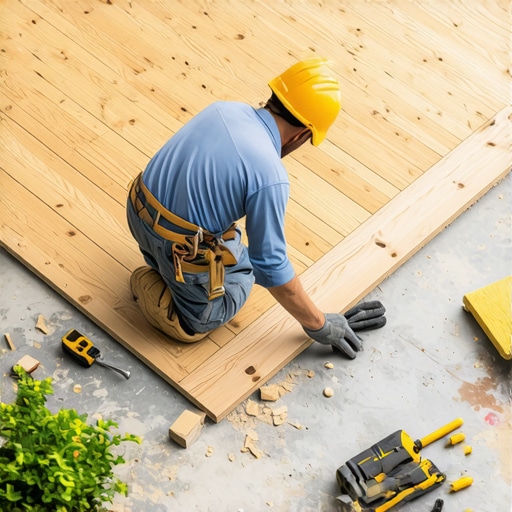
Have you ever stepped onto your existing concrete patio only to feel the harsh, uninviting surface beneath your feet? Or maybe you’ve dreamed of a charming outdoor space but are overwhelmed by the thought of bulky, unsightly supports or complex framing that seems to scream, “Messy, expensive, and high-maintenance!” I sure have. When I first considered building a low-profile deck on my solid concrete slab, I dove headfirst into a maze of confusing materials and conflicting advice, which led to more frustration than progress.
The Real Struggle Behind That Flat, Uninviting Concrete
My initial mistake was underestimating how much support and planning it took to elevate a deck without making it look like a giant scaffolding. I didn’t want a bulky, lumber-heavy structure that would overpower my yard or block my view. Instead, I craved a sleek, modern look that seamlessly blended into my outdoor space. The challenge? Achieving a low-profile attachment that feels sturdy, looks beautiful, and doesn’t require ripping up my concrete entirely.
That’s when I discovered solutions for building a modern low-profile deck that sits just inches above the concrete, giving a clean, seamless appearance without sacrificing strength or safety. Today, I want to share the tried-and-true methods I learned through personal trial, error, and speaking with experts, to help you turn that concrete slab into a stunning outdoor oasis.
What You’ll Learn
We’ll cover everything from choosing the right foundation supports to proper attachment techniques and finishing touches that ensure your deck is durable yet unobtrusive. If you’ve ever hesitated because you worried about the support system looking bulky or compromising your aesthetic, this post is your game-changer. Now, before we jump into the details, let’s address a common concern—
Question: Is a Low-Profile Deck on Concrete Actually Worth the Hype?
Some skeptics argue that building a minimal, sleek deck on a solid slab isn’t practical or long-lasting. Trust me, I made this mistake early on. I once tried just laying a few beams on concrete blocks without proper reinforcement, only to find my plans collapsing with the first heavy rain. The key is understanding the structural essentials and avoiding superficial solutions that won’t hold up over time. Thankfully, professional techniques, like those outlined in innovative outdoor living ideas, can prevent these pitfalls. It’s about smart planning, not sacrificing aesthetic appeal for safety.
Now that we’ve tackled the concerns and set your expectations, let’s explore how to create a strong, stylish, low-profile deck that’s perfectly suited for solid concrete surfaces. Ready? Let’s get started!
}】}}]}
{
Start with a solid foundation for your low-profile deck
Think of your deck’s support system as the shoes for your outdoor space—if the shoes are unstable, everything else collapses. Begin by choosing the right supports, such as aluminum framing or adjustable steel pedestals, which are lightweight yet incredibly sturdy. I remember my first attempt where I used basic concrete blocks; they sank and shifted, leading to an uneven surface. Switching to adjustable pedestals transformed my project—making leveling a breeze and ensuring a flat, secure base. To see which supports best fit your goals, check out composite decking options.
Leveling and spacing—get it right from the start
Achieving a sleek transition from your concrete slab to the deck requires precise leveling. Use a high-quality laser level or a long spirit level to ensure your supports are uniform height. I once spent hours adjusting pedestal heights, only to discover a 1/8-inch discrepancy caused visible sags. Remember, tight spacing—about every 12 inches—is crucial, especially with heavier materials like composite, to prevent bounce or sag. Proper spacing also helps distribute weight evenly, a vital factor in supporting outdoor furniture or hot tubs. For innovative solutions, consider latest deck trends.
Construct the frame with precision and durability
The frame is the skeleton of your deck; it bears all loads and must be rock solid. Use corrosion-resistant hardware, such as stainless steel screws and brackets, to ensure longevity. My experience? Rushing through the framing stage led to squeaks and wobbling. Using a framing square and taking the time to double-check measurements ensures square corners and proper joist alignment. If you’re installing stairs or built-in features, consult stair design guides. Proper framing also involves attaching ledger boards securely to the house or concrete, utilizing flashing to prevent water intrusion.  integrated stair transitions. Keep an eye on expansion gaps—usually about 1/8 inch—to allow for material movement. This simple step prevents buckling when temperatures fluctuate.
Finish with detailed styling and safety features
Now, to elevate your low-profile deck into an outdoor haven, incorporate lighting, railings, and decorative elements thoughtfully. Use low-profile LED lighting to enhance safety without cluttering the sleek profile. When installing stairs, prioritize safety and compliance; professional guidance from stair safety tips can make a difference. For added privacy, attach custom screens or planters that blend with your design. These finishing touches turn a functional structure into a personalized outdoor retreat that stands the test of time.
When it comes to enhancing your outdoor living space, many homeowners focus on the big picture—choosing beautiful composite decking, creating inviting seating areas, or adding aesthetic lighting. However, beneath these visually appealing layers lies a complex web of nuances that can make or break the safety, durability, and overall harmony of your deck, especially when it involves stairs. Here’s where most people stumble: they assume that following standard guidelines is enough, but I’ve seen time and again how overlooked details can turn a dream deck into a maintenance nightmare.
Why Following the Crowd Might Hurt More Than Help
One common misconception is that embossed or pre-made stair treads are foolproof. The truth? Many of these products require precise installation and adherence to specific codes that, if ignored, could compromise safety. For example, installing standard stringers without considering the load they need to support—like a hot tub or heavy furniture—can lead to bowing or, worse, structural failure. The key is to understand that each component must be tailored to your unique setup. Advanced techniques, such as properly framing for heavy loads, are detailed in guides like how to frame a deck for a hot tub.
The ideal approach fuses code compliance with practical engineering, and beware of shortcuts. Many DIY builders neglect proper ledger flashing or misjudge the significance of correct joist spacing—precise measurements and reinforcement matter. An overlooked decay-resistant support or improper anchoring can lead to wobbling or costly repairs down the line. Remember, your stairs do more than connect levels—they are also a safety point, demanding extra attention to detail and proper design, as I explain in safe and stylish stairs.
What Does Sophisticated Deck Design Involve?
For the advanced DIYer or homeowner investing in a professional build, understanding the nuances of decking materials is vital. A notable example is the difference between basic pressure-treated wood and high-grade composite decking; the latter, while low-maintenance, can still distort or warp if improperly installed. One often-ignored aspect is joist spacing—crowd-pleasingly spaced at 16 inches on center might not suffice for the densified cores of newer composite boards, which require a tighter 12-inch spacing for optimal support. For insights on selecting the right composite decking, I recommend tapping into the latest trends outlined in decking trends 2025.
Another critical but often missed element is the proper treatment for junctions—where stairs meet landings or ledgers—ensuring water runoff doesn’t accelerate decay. Implementing flashing and sealing these junctions can prolong the life of your entire structure. Never underestimate the importance of correct fastener selection and placement, as highlighted in hidden fasteners. This attention to detail is what distinguishes a functional outdoor feature from a liability waiting to happen.
Have you ever fallen into this trap? Let me know in the comments.
In conclusion, mastering the art of building stairs and outdoor decks involves much more than picking pretty materials. It demands an understanding of structural nuances, code intricacies, and long-term maintenance. Ignoring these can lead to costly repairs, safety hazards, and poor aesthetics. The good news? Armed with the right knowledge and expert guidance, you can avoid these pitfalls and create an outdoor oasis that lasts. Ready to elevate your project? Reach out through our contact page. Remember, a well-built deck isn’t just beautiful—it’s safe, durable, and a source of pride for years to come.
Invest in Quality Tools for Longevity
Building and maintaining a deck isn’t just about choosing the right materials; it heavily relies on the tools you employ. I personally swear by a high-quality cordless impact driver for fastening composite decking, as it provides consistent torque and reduces the risk of overdriving fasteners. A reliable combination square is indispensable for ensuring your framing aligns perfectly, preventing uneven surfaces that could lead to long-term issues. For smoothing out surfaces or quick touch-ups, a cordless orbital sander with variable speed settings makes the job efficient and precise. Investing in durable, corrosion-resistant shimming tools and spacers helps maintain consistent gaps between boards, which is crucial for drainage and expansion—this is something I learned after multiple rework attempts. For an updated approach, check out hidden fastener systems that can save hours during installation and provide a sleek finish.
Embrace Software for Accurate Planning
Using advanced design software has revolutionized my approach to outdoor projects. Programs like SketchUp or dedicated deck design tools allow you to visualize your project in 3D, assess material quantities, and plan support placements with precision. I also rely on measurement apps that utilize augmented reality to double-check dimensions on-site, preventing costly miscalculations. These digital methods reduce waste and ensure your project complies with local building codes—saving you from headaches later. Looking ahead, AI-powered design tools are beginning to analyze structural stability and suggest optimized layouts, making future deck design even smarter. To see what these innovations bring to the table, explore professional deck builder insights.
Tackle Maintenance Before it Becomes a Problem
One thing I’ve learned over years of outdoor living is that proactive maintenance is key. Regularly cleaning your composite decks with a gentle wash using a mild detergent and a soft brush preserves the surface and prevents buildup of grime or algae that can lead to mold. Applying a protective sealant tailored for composite materials, like a UV-resistant varnish or coating, can significantly extend your deck’s lifespan. Also, make it a habit to inspect your supports and fasteners annually; tight connections prevent wobbling and structural issues down the line. A tip I recommend is keeping a maintenance log—a simple checklist or app reminder helps you stay on top of tasks without missing critical intervals. As composite decking trends evolve toward more sustainable and self-cleaning surfaces, the right tools and a disciplined maintenance routine ensure your deck remains a stunning, safe feature for years. For detailed maintenance strategies, check out best practices for long-term care.
Question: How do I maintain my deck over time?
The secret lies in regular inspections, timely cleaning, and strategic upgrades. Equipment like telescoping brushes or pressure washers with adjustable settings make cleaning quick and effective without damaging the surface. Upgrading support components with corrosion-resistant materials ensures your structure withstands weather and wear. Staying informed about new trends, such as self-healing sealants or smarter lighting controls, can keep your outdoor space ahead of the curve. Remember, maintenance is an ongoing process—dedicating a few hours each season can save you countless costs and preserve the beauty of your deck for decades. Ready to give your deck that professional touch? Reach out through our contact page for expert advice or tailored service.
The Hardest Lessons I Learned About Building Low-Profile Decks on Concrete
- Skipping professional support can lead to costly mistakes: I once tried to save time by skipping consultation with experts, only to encounter structural issues down the line. Engaging with experienced deck builders early can save you frustration and money.
- Overlooking water management compromises longevity: I underestimated the importance of proper flashing and drainage at junctions, which resulted in early decay. Proper waterproofing is essential to ensure your low-profile deck lasts over time.
- Choosing the right supports makes all the difference: Using adjustable pedestals transformed my project, providing stability and a sleek appearance. Investing in quality supports is a game-changer.
- Don’t neglect leveling precision: Even minor discrepancies can cause uneven surfaces. Employing a laser level and double-checking measurements prevent future problems.
- Material selection impacts maintenance and durability: I found that composite decking with tighter joist spacing and proper installation minimized adjustments and prolonged deck life.
Where to Go from Here to Elevate Your Outdoor Space
Invest in reliable tools—such as impact drivers and spacers—which I rely on for smooth installation. Explore software that helps visualize your deck, ensuring all support points are optimized. For advanced solutions, check out latest deck trends to keep your project modern and efficient.
Your Next Step in Creating a Low-Profile Deck on Concrete
Remember, turning your design vision into reality hinges on meticulous planning, quality materials, and attention to details like flashing and support spacing. With these insights and the right resources, you’re well on your way to crafting an outdoor space that’s both stunning and built to last. Ready to elevate your project? Reach out through our contact page for personalized guidance or professional assistance. A well-constructed low-profile deck is more than an addition; it’s a personal oasis that enhances your home’s value and your outdoor living experience.