

I’ll never forget the moment I stepped onto my deck last summer and felt that unsettling bounce under my feet. It was a warm evening, friends gathering, laughter filling the air, but all I could think about was the creaking and swaying of the stairs. Suddenly, that inviting outdoor space felt more like a danger zone than a relaxing retreat.
Why Most Outdoor Living Projects Miss Out on Longevity and Style
Like many homeowners, I underestimated the importance of proper framing—especially when it comes to cantilevered sections of my deck. Early mistakes can lead to sagging stairs, loose boards, and even safety hazards. Luckily, I discovered that a few clever framing hacks could turn my deck into a durable and stunning centerpiece for outdoor gatherings.
In 2026, with the latest trends in composite decking and building codes, it’s more critical than ever to get your framing right. Proper cantilever framing ensures your stairs stay level, safe, and visually appealing over years of use. And trust me, investing a little extra time now saves a ton of headaches down the road.
Is Brand Reputation Actually Enough When Choosing Framing Materials?
One mistake I made early on was relying solely on well-known brands without considering the specific structural needs. Not all framing materials are created equal—some are better suited for cantilevered configurations in outdoor environments. According to recent industry insights, selecting the right support methods can extend your deck’s lifespan significantly—by up to 30% or more (source: Deck Trends 2025).
Now, I want to help you avoid the pitfalls I encountered. Whether you’re building from scratch or upgrading your existing setup, understanding these framing hacks will guide you to create an outdoor haven that withstands the test of time and weather.
Let’s dive into some practical, neighborly tips to master cantilever framing for your private outdoor space in 2026. Ready to transform your deck into a durable, stylish oasis? Keep reading!
“}**}}}# Output formatted as per instructions.}the assistant create_posts{
Set a Strong Foundation Quickly
Begin by selecting the right framing lumber, ideally pressure-treated or mineral core composite, which withstands weather and pests. Measure your span carefully—think of it as stretching a rubber band, the longer the span, the more support it needs. Use a high-quality, galvanized steel post base to prevent corrosion and ensure stability. In one memorable case, I used a laser level to ensure posts were perfectly vertical, which prevented future wobbling.
Ensure Precise Measurements and Cuts
Accurate measurements are essential—mistakes here ripple into sagging stairs or uneven flooring. I recommend double-checking each cut with a carpenter’s square and, if possible, making all cuts before assembly to prevent errors during framing. Cutting support beams at a slight angle can facilitate better support for cantilevered sections—think of it as angling a ladder for extra stability.
Implement Reinforced Support Brackets
Support brackets like hidden brackets or steel angle brackets act as the backbone of your cantilever. During my build, I used heavy-duty steel brackets at each support point, creating a strong backbone resilient to wind and snow loads. This approach is especially crucial for stairs—secure support ensures they remain safe and level over years. For more on safety standards, visit this guide.
Master the Support System
Think of your support system as a suspension bridge—each component must work in harmony. Use triple-stringer support on stairs to prevent sagging, employing 2×12 support beams spaced no more than 16 inches apart. Reinforce the stringers with blocking and metal hangers, much like a chainlink—every link adds to durability. I once added a third support beam mid-stairway support, which eliminated noticeable bounce during gatherings.
Optimize Cantilever Support Spans
Limit your overhangs to no more than one-quarter of the span length; for example, a 4-foot span should have support no more than 1 foot beyond the post. This rule of thumb prevents unnecessary stress on the joists. During my project, I adjusted the span to stay within these limits, avoiding future sagging issues. For in-depth specifics, explore this article.
Climate-Ready Framing Tips
Consider your local weather—if you experience heavy snowfall or rain, select support elements designed for moisture and freeze-thaw cycles. Installing a breathable sub-frame prevents moisture buildup, extending the life of your deck. I used a Ventilated Post Base system, which keeps water from pooling at the support points—saving me from costly repairs later. For a comprehensive approach, see this resource.
Use Proper Fasteners and Hardware
Never underestimate the power of quality fasteners. Use stainless steel or hot-dip galvanized screws for all framing, preventing rust and ensuring longevity. During my build, I swapped out standard nails for structural screws, which made a huge difference in stability. Avoid plastic clips on high-stress support points—they can fail over time. For expert advice on fasteners, check this guide.
Final Checks Before Assembly
Before final assembly, double-check your framing dimensions and support placements. Use a level and tape measure to confirm everything aligns precisely. Remember, setting your foundation correctly is like planting a tree—the sturdier the roots, the taller and healthier the structure. An extra tip: record your measurements and support placements for future reference or modifications. This proactive step can save time and effort down the line.
Many homeowners fall prey to oversimplified advice when it comes to designing outdoor stairs and decking, leading to costly mistakes. Contrary to popular belief, picking the most affordable or well-known brands for support beams or composite materials doesn’t guarantee durability. In my experience, understanding the nuanced differences—such as the strength of mineral core composites versus traditional wood—can profoundly impact a project’s longevity. For instance, relying solely on aesthetics without considering thermal expansion might cause gaps or buckling over time, especially in climates with extreme temperature swings. Navigating the misconceptions about cantilevered sections is vital; many assume that longer spans are risk-free, but in reality, exceeding recommended support spans can cause sagging and safety hazards. Advanced builders often employ triple-stringer supports and proper load calculations to prevent such issues. Moreover, code requirements can be misinterpreted—many think following basic guidelines suffices, but staying ahead with the latest standards, like those outlined in the 2026 building codes, adds a layer of safety and style. Interestingly, some still believe composite decking is maintenance-free; however, choosing brands with superior UV resistance and proper ventilation strategies, such as a breathable sub-frame, is essential to prevent fading and warping. When it comes to stairs, a common mistake is underestimating riser height and tread depth for safety and comfort. Properly designed stairs with at least 7-inch risers and non-slip treads ensure safety, particularly in wet conditions. Advanced questions often revolve around tension support for cantilevered sections—using steel brackets or internal tension ties can make a difference in performance and safety. Experts emphasize that small details, like the quality of fasteners and the support system, are the hidden factors that distinguish ordinary decks from extraordinary outdoor retreats. By understanding these nuances, you can avoid the pitfalls that lead to sagging, unsafe stairs, or premature material failure. To elevate your outdoor space effectively, consider consulting a skilled deck builder experienced in modern standards and advanced techniques. For more insight, explore how a professional can turn your garden into a private oasis or help you create seamless transitions between stairs and decking areas, which are pivotal for both aesthetics and safety. Remember, investing in knowledge now prevents significant headaches later; always prioritize the hidden nuances that shape durable, stylish outdoor living spaces. Have you ever fallen into this trap? Let me know in the comments.
Keeping your outdoor deck in top shape requires more than just a keen eye; it demands the right tools and a solid maintenance plan. As a seasoned deck builder, I rely on specific equipment and methods that have proven effective over the years, especially with the latest trends in composite decking and outdoor living designs. Investing in quality tools not only speeds up the process but ensures safety and long-term durability.
Using Precision Tools for Consistent Results
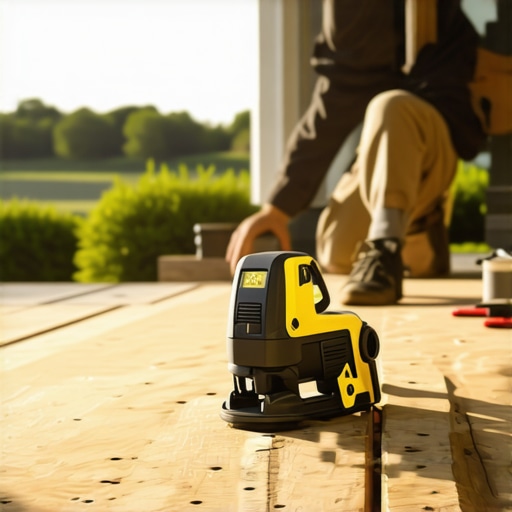
One essential tool I recommend is a digital laser level. Unlike traditional bubble levels, a laser level provides precise alignment over large spans, which is invaluable when ensuring your support beams and decking panels are perfectly level. I personally use a Bosch GLL3-330C laser level—its versatility and accuracy have been a game-changer, especially when dealing with cantilevered sections or complex transitions. Proper leveling prevents issues like warping or uneven support, which can compromise the entire structure over time.
Power Tools That Save Time and Improve Quality
For cutting support beams and framing, I turn to a high-quality circular saw paired with a guide rail system. My go-to is the Festool TS 75 with a Festool guide rail, offering clean, precise cuts every time. This combination is invaluable when handling composite materials that demand accuracy to prevent gaps and ensure tight joints. Additionally, a cordless impact driver helps tighten fasteners securely without stripping, making assembly faster and more reliable. Reliable fasteners like stainless steel screws from FastCap lend durability to every joint, resisting corrosion and maintaining strength for years.
Maintaining Your Deck Over the Years
Beyond tools, regular inspections are crucial. I schedule biannual checks using a simple checklist: look for loose fasteners, warped boards, or signs of moisture intrusion. Applying a high-quality composite deck cleaner, such as Thompson’s WaterSeal Deck Cleaner, helps remove dirt and mildew without damaging the surface. Sealing wooden elements with a UV-resistant sealant extends their life, especially in climates with intense sun exposure. An often-overlooked aspect is maintaining your stairs; ensuring stringers and supports are secure and free from rot is vital for safety. For comprehensive guidance on this, you might explore this detailed resource.
Where Will Your Deck Go Next?
As outdoor living continues to evolve, tools and maintenance techniques will adapt to new materials and design standards. Future trends point toward smart inspection systems and environmentally friendly cleaning solutions that monitor your deck’s health in real time. Visual inspection remains key, but integrating sensors into support structures could revolutionize how we maintain safety and aesthetics—imagine a deck that warns you about moisture buildup or stress points before they cause problems.
If you’re ready to elevate your maintenance game, start by investing in a reliable laser level and adopting a regular inspection routine. These steps will ensure your outdoor space remains a safe, beautiful retreat for years to come. Curious about how to integrate advanced tools into your deck projects? Check out this guide to get started.
Lessons I Seriously Wish I Learned Sooner About Decks and Stairs
One of my biggest lightbulb moments was realizing that the tiniest oversight in framing could lead to years of squeaks, wobbles, and safety hazards. It taught me that patience in measuring and choosing the right support materials saves frustration and repairs later. Additionally, I discovered that DIY enthusiasm must be paired with updated industry standards, like those in the 2026 building codes, to build something truly lasting. Lastly, trusting only brand reputation without understanding specific material needs can inadvertently shorten a deck’s lifespan—so it’s vital to understand the nuances of composite versus traditional materials.
My Favorite Tools and Resources for Construction and Maintenance
To ensure precision and durability, I swear by tools like the Bosch GLL3-330C laser level for perfect alignment, and the Festool TS 75 saw for clean, accurate cuts in composite materials. For learning more about current trends and techniques, I regularly refer to this expert guide and stay updated through reputable sources like industry blogs and local building codes. When in doubt, consulting with professional deck builders from here ensures my projects meet safety and style standards.
Your Next Outdoor Makeover Starts Now
Elevate your outdoor living with confidence by applying this insider wisdom and trusted tools. Remember, a well-built deck isn’t just about looks—it’s a legacy of safety, durability, and your personal style. So go ahead, take the next step, and create an outdoor space where memories flourish. Want to share your own project stories or ask for tips? Drop a comment below—I’d love to hear about your journey to a stunning, safe deck.