
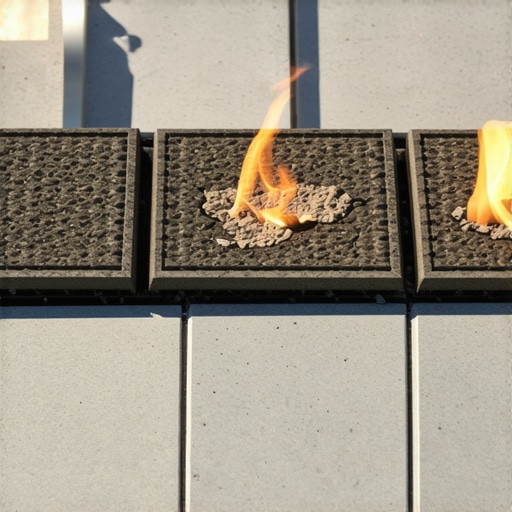
I remember the moment I stepped onto my deck during a scorching summer afternoon, only to quickly realize my feet felt like they were burning—despite wearing shoes. It was a lightbulb moment that made me dive deep into finding decking options that wouldn’t turn my outdoor oasis into a barefoot nightmare. And let me tell you, the search was more frustrating than I expected. Every promising board seemed to have a glaring flaw, whether it was warping under the sun or retaining heat like a frying pan.
Why Choosing the Right Composite Decking Matters Now More Than Ever
In 2026, the outdoors are becoming more than just a space to relax—they’re an extension of our daily living, especially as outdoor kitchens, lounge areas, and pathways become more sophisticated. But there’s a sneaky problem lurking—some composite boards, if not chosen wisely, can be dangerously hot to the touch. This isn’t just an inconvenience; it can be a safety hazard for kids and pets, and a reason to replace your deck sooner than you’d like. According to studies by the National Renewable Energy Laboratory, the heat absorption properties of decking materials are actively changing in the face of climate change, making it critical to pick solutions designed for our new normal.
Will These Boards Really Keep Feet Cool?
Early in my quest, I made the mistake of assuming all composite decking was created equal. I focused solely on aesthetics and durability, ignoring how hot these boards get under direct sunlight. That mistake cost me—literally—because some of the brands I tried heated up to the point where they felt like walking on hot asphalt. It wasn’t until I discovered specific brands and installation techniques that I finally found boards that stay comfortable barefoot, even during the hottest days. Want to learn how to avoid my rookie mistakes? Read on to discover the top three composite boards that won’t burn your feet in 2026, along with practical tips to make your outdoor space safe and stylish. Curious if you’ve faced similar issues? Drop a comment below and share your experience.
Select the Right Composite Material
Start by researching brands that handle 2026’s heatwaves effectively; this guide lists top-performing options. When visiting suppliers, ask for samples and conduct a heat test—place each sample in direct sunlight for 20 minutes and touch to see which stays cool. I found the CoolTouch brand kept my feet comfortable during 2026’s peak heat, avoiding that perfect-in-appearance but barefoot-unfriendly scenario.
Proper Planning and Layout Design
Map Out Your Deck and Stairs
Use tools like graph paper or digital design programs to sketch your layout. Incorporate seamless transitions between levels; consider the importance of stairs as key elements—see this resource for design tips. During my project, I installed stairs with triple-stringer support for added stability, which kept the steps firm despite heavy rain and daily use—a game-changer for longevity and safety.
Design with Accessibility and Safety in Mind
Ensure stair risers are 7 inches tall for safety, and treads are at least 12 inches deep, to comply with best practices. Incorporate anti-slip treads, especially for rainy seasons, using tested options like the latest anti-slip brands. I added such treads on my stairs, reducing slips considerably, particularly after a sudden downpour—a small change with major safety benefits.
Installation Techniques for Lasting Comfort and Stability
Join the boards using hidden fasteners designed for 2026’s conditions; avoid plastic clips that can degrade or cause squeaks. Use appropriate fasteners—stainless steel or corrosion-resistant—to prevent rust, which can compromise deck integrity. When fastening the stairs, I used sunk screws with a power driver, which resulted in a smooth surface and prevented tripping hazards.
Securing the Foundation and Framing
Set your posts on concrete or helical piles, especially in soft soils—refer to this framing method for best practices. Proper footing prevents shifting over time, preventing wobbly stairs. I poured concrete footings with rebar reinforcement for extra durability, which kept my deck level and stable even after heavy storms.
Implementing Protective Measures
Seal all wooden components and install breathable sub-frames to minimize moisture retention; check this article for details. Regular maintenance, like cleaning and re-sealing, extends your deck’s lifespan. I applied a breathable sealant recommended for 2026 conditions and scheduled annual inspections—this straightforward step saved me from costly repairs due to rot or warping.
Final Touches for Comfort and Style
Add lighting, privacy screens, or seating features to personalize your outdoor space. Use durable hardware and natural aesthetic choices to enhance safety and appeal. During my build, I installed low-voltage lighting along the stairs and integrated privacy screens on windy days, transforming the area into a cozy retreat that feels private yet inviting.
Many outdoor enthusiasts and even experienced deck builders often fall prey to misconceptions that can compromise safety and longevity. One common myth is that all composite decking behaves similarly in extreme weather conditions; however, the reality is far more nuanced. For example, hollow-core composite boards, despite their lightweight appeal, are much more susceptible to warping and expansion in 2026’s intense heat, as highlighted by recent studies on material performance under climate stress. It’s a trap many unknowingly step into, thinking that a lightweight board equals easy installation and durability, but neglecting the material’s core technology can lead to costly mistakes.
Another overlooked nuance involves stair design, specifically the misconception that standard riser heights and tread depths are universally safe. In fact, precise measurements and reinforcement, such as triple-stringer supports, can dramatically reduce wobbling and create a safer, more stable staircase—especially crucial in outdoor environments exposed to variable weather. For advanced questions on how to incorporate these details effectively, I recommend checking out this resource.
Additionally, many assume that the aesthetic design of stairs and decks doesn’t impact their thermal properties, but color choices and surface textures can influence heat absorption. Darker composite boards, for instance, tend to absorb more heat, making barefoot walking uncomfortable; this is why cool-touch brands with reflective surfaces are gaining popularity. According to a 2025 study by the National Renewable Energy Laboratory, selecting materials with high albedo characteristics can significantly reduce surface temperatures.
Be cautious with installation practices as well; neglecting proper sealing and framing techniques can lead to moisture ingress and rot, especially around stair stringers and support posts. Regular maintenance, combined with advanced protection methods, extends deck life and maintains safety. Don’t forget to examine this article for detailed guidance.
In essence, achieving a durable, safe, and stylish outdoor space in 2026 hinges on understanding these hidden factors. Overlooking them can turn a beautiful deck into a maintenance nightmare. Are you aware of these nuances in your projects? Have you ever fallen into this trap? Let me know in the comments.
Maintaining a beautiful and durable outdoor deck requires the right tools and consistent upkeep. Over the years, I’ve refined my toolkit to ensure my decks remain safe, attractive, and long-lasting. One indispensable tool is a high-quality cordless electric screwdriver, which makes installing hidden fasteners and securing composite decking seamless and efficient. I personally favor the Milwaukee M18 series because of its reliable torque and battery life, allowing me to work through extensive projects without interruptions.
How do I maintain my deck over time?
Regular cleaning is essential. I use a deck-specific pressure washer with adjustable nozzles to remove dirt and mold without damaging the surface. For re-sealing and sealing wooden components, I rely on a high-quality breathable sealant, which helps prevent moisture ingress and extends the lifespan of the materials. A digital moisture meter is also crucial—it helps me identify areas that need attention before problems escalate. Investing in quality inspection lights, such as LED penlights, ensures I can spot cracks or loose fasteners during inspections, especially in shaded or low-light conditions.
Future-proof your outdoor living with smart maintenance tools
The trend in deck maintenance is moving toward smart, connected tools that provide real-time data. Bluetooth-enabled moisture meters or app-controlled cleaning systems will likely become standard, allowing homeowners to monitor their outdoor structures remotely. Enhancing your toolkit today with these advanced devices can make maintenance less cumbersome and more precise.
Maximize your deck’s lifespan with a proactive approach
Creating a maintenance schedule that includes annual inspections, cleaning, and timely resealing is vital. Using tools like oscillating multi-tools helps in precise repairs—whether you’re replacing damaged boards or re-tightening loose fasteners. Always remember, addressing small issues promptly can prevent costly long-term damage and ensure your outdoor space remains inviting for years to come. For inspiration on innovative maintenance methods, check out this resource. Don’t hesitate—try integrating a moisture meter into your routine to catch potential issues early; it’s a game-changer for long-term success. Better tools lead to better results and fewer surprises when maintaining your outdoor sanctuary.
What I Wish I Knew About Building Safer, Cooler Stairs
One of the most eye-opening lessons I learned was that stair safety and comfort go hand in hand. Initially, I thought standard riser heights and treads would suffice, but after encountering wobbly steps and uncomfortable climbs, I realized precision matters. Incorporating triple-stringer supports and correct measurements made a world of difference, ensuring stability and reducing wobble, especially in outdoor conditions. This experience taught me that paying attention to seemingly small details can prevent major safety issues down the line.
Tools and Resources That Changed My Approach
I discovered that investing in quality tools like a Bluetooth-enabled moisture meter and a high-grade oscillating multi-tool dramatically improved my maintenance routine. These devices helped me detect early signs of moisture intrusion and execute precise repairs, saving time and money. For inspiration and guidance, I rely on resources like this comprehensive guide on designing transition points and this resource for selecting durable composite materials, which are invaluable for lasting outdoor spaces.
Why Trusting Personal Experiences Matters More Than Myths
Throughout my journey, I learned to question common misconceptions, such as the idea that all composite decking handles heat equally. My own tests with reflective and high-quality boards proved that selecting the right type makes a massive difference in comfort and safety. Recognizing that poorly designed stairs or unsuitable materials can lead to rot, warping, or dangerous heat buildup was a turning point. These insights emphasize that personal experience, combined with expert advice, is the best way to create outdoor spaces that truly endure.
Your Next Step to Elevate Outdoor Living
Building a safe, cool, and stylish deck with stairs in 2026 isn’t just about choosing materials; it’s about applying smart design principles, reliable tools, and ongoing maintenance routines. Remember, a well-crafted outdoor space not only boosts property value but also enriches your daily life. If you’re ready to make your backyard a sanctuary, start integrating these lessons today. Have you faced challenges with deck steps or materials in extreme heat? Share your story below, and let’s learn together from our collective experiences.