
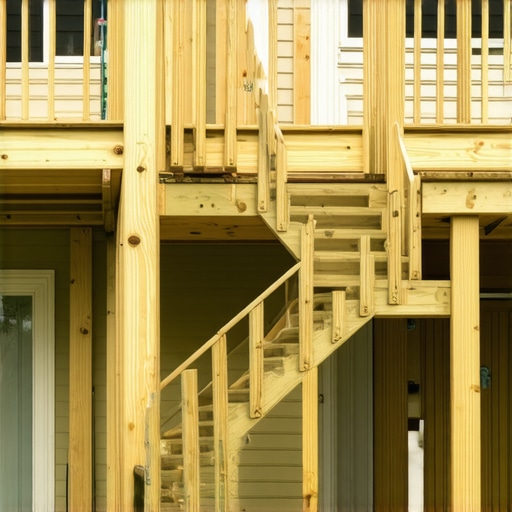
I remember the sinking feeling I had when I stepped onto my deck one spring morning and noticed that my stairs seemed to have taken a tiny step away from the house overnight. It was a small shift—barely perceptible—but enough to make me worry. Soon, I realized this wasn’t just an isolated incident; many outdoor enthusiasts like us face the same nagging issue: deck stairs pulling away over time. It’s frustrating, visually unappealing, and worse, a safety hazard that can’t be ignored.
Why Your Deck Stairs Are Moving and What It Means for Safety
Understanding why stairs pull away from your house isn’t just about aesthetics. It’s about safety, structural integrity, and protecting your investment. When stairs begin to shift or detach, it often signals underlying problems like soil movement, improper framing, or water damage. These issues can compromise the whole deck if left unaddressed. Early on, I made the mistake of thinking it was just minor settling—until one winter, a stair sagged so badly it became a tripping hazard. That was a wake-up call.
Research shows that poorly attached stairs are among the leading causes of deck-related injuries. According to the Consumer Product Safety Commission, thousands of trips and falls occur annually due to unsecured or deteriorating deck stairs. This isn’t just annoyingly cosmetic; it’s dangerous. Regular inspections and timely repairs are essential.
Is your deck experiencing similar issues? Have you noticed gaps forming, or perhaps a slight wobble whenever you descend those steps? If so, you’re not alone—and there’s good news. Today, I’ll share with you three practical, proven ways to keep your deck stairs firmly attached for years to come. Before we dive into the solutions, it’s worth considering whether attempts to fix this problem yourself might be enough—or if it’s time to call in a professional. For more expert insights, I recommend checking out [how a skilled deck builder can turn your garden into a private oasis](https://deckdesignbuild.com/how-a-skilled-deck-builder-can-turn-your-garden-into-a-private-oasis). Now, let’s get into the heart of the matter—how to stop those stairs from pulling away permanently.
Assessing the Root Cause of Movement
Start by inspecting your stairs to identify why they are pulling away. Check for uneven soil, water damage, or loose fasteners. I once noticed a small gap developing at the bottom of my stairs after a rainy week—soil erosion beneath the footing was the culprit. Use a level, gloves, and a flashlight to examine the attachments and surrounding soil for signs of instability or rot.
Strengthening the Foundation and Support
Foundation issues are often the main reason stairs shift. Dig around the post footings to verify they sit on stable, compacted soil—consider adding gravel or concrete pads if needed. Reinforce weak or compromised posts with metal post anchors or by replacing rotted sections. Think of your stairs as the backbone of your outdoor space—if the base isn’t solid, everything above will wobble.
Securing the Stringers with Proper Fasteners
Use high-quality, weather-resistant screws or bolts specifically designed for outdoor use—like stainless steel or coated fasteners. Remove old, rusted nails and replace them to prevent wobbling. When attaching stringers to the ledger board, ensure proper lag bolts are used at appropriate intervals—generally every 16 inches—to distribute weight evenly. I applied these tactics during a weekend project, which transformed my shaky stairs into a sturdy set that can handle winter storms.
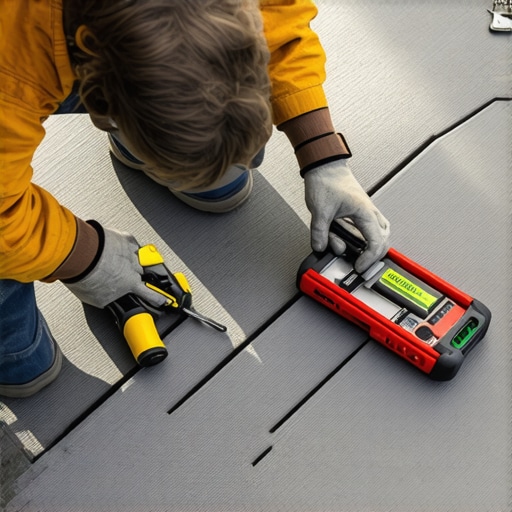
Insert an image showing a DIY inspection of deck stairs with tools like a level and flashlight.
Adding Lateral Bracing for Stability
Install diagonal bracing or post-supported lateral ties between the stairs and the deck structure. These act like the braces on a tent—preventing sway and wobble. Using steel or pressure-treated lumber, secure braces to distribute forces evenly. For my deck, adding a metal lateral brace eliminated the noticeable wiggle, making the stairs feel rock-solid.
Regular Maintenance and Future Checks
Schedule periodic inspections—especially after storms or harsh weather. Tighten loose fasteners, reapply sealant if necessary, and look for signs of rot or shifting. Consistency keeps your stairs safe over time. I set reminders to revisit these checks quarterly, avoiding costly complications later.
Many homeowners believe that installing composite decking or outdoor stairs is a straightforward process, but there are nuances and common misconceptions that can lead to costly mistakes. One widespread myth is that all composite decks are maintenance-free—while they do require less upkeep than wood, neglecting regular inspections for issues like expansion gaps or fastener integrity can cause unexpected problems. In reality, not all composite materials perform equally in extreme weather; selecting a high-quality, UV-resistant product backed by independent testing is crucial, as highlighted in recent [composite decking trends for 2025](https://deckdesignbuild.com/composite-decking-trends-2025-the-ultimate-guide-for-outdoor-enthusiasts).
Another misconception involves the common belief that deck framing is a minor detail, when in fact, improper framing can lead to stair wobbling, uneven surfaces, and structural failure over time. Using the right fasteners and supporting elements—such as hidden steel stringers or corrosion-resistant hardware—can dramatically increase the lifespan of your outdoor stairs. Avoid the trap of over-relying on surface-level fixes like superficial tightening; instead, focus on addressing foundational issues. Even for experienced DIYers, consulting a professional deck builder ensures that these advanced nuances are handled correctly, preventing future safety hazards. For comprehensive guidance, check out [designing safe and stylish stairs](https://deckdesignbuild.com/designing-safe-and-stylish-stairs-for-outdoor-decks-in-2025) designed for durability.
A delicate aspect often overlooked is the importance of thermal expansion in composite decking. Many assume that gaps are unnecessary or signs of poor installation, but allowing for material movement during temperature fluctuations prevents warping and buckling. This is particularly relevant in climates with hot summers and cold winters, where expansion and contraction are most pronounced. Research from industry experts confirms that neglecting this nuance can lead to irreversible damage within a few seasons.
Are you aware of these hidden details that can make or break your outdoor project? Ensuring that you know the complexities involved—like properly supporting your stairs and choosing the right materials—not only enhances safety but also maximizes your investment for years to come. If you’ve ever fallen into these traps or want tips on advanced deck building techniques, let me know in the comments! Remember, paying attention to these details distinguishes amateur DIY from professional craftsmanship, which is critical for creating outdoor spaces that last.
For more insights into professional outdoor living design, explore ideas on [building stunning outdoor spaces with expert guidance](https://deckdesignbuild.com/transform-your-space-expert-deck-builder-tips-for-stunning-outdoor-living). Let’s dig deeper into crafting outdoor environments that are both beautiful and resilient.Maintaining a durable and beautiful outdoor space requires more than just good construction; it demands the right tools and methods for regular upkeep. I personally depend on specialized equipment that enables me to spot issues early and address them efficiently. For example, a high-quality digital moisture meter helps me detect moisture intrusion in wooden components before visible signs appear, preventing rot and structural failure. Using a laser level ensures precise measurements when replacing or adjusting stairs, maintaining safety standards without guesswork. I also rely on cordless impact drivers with specialized bits—such as tamper-proof screws—making it easier to tighten fasteners firmly, especially in hard-to-reach areas. For cleaning composite decking, I use a soft-bristle brush attachment on my power washer, which cleans thoroughly without damaging the surface.
Furthermore, software tools like SketchUp allow me to plan modifications or extensions before physical work begins, ensuring everything fits perfectly and adheres to building codes. When considering future-proofing, I often consult industry standards, like those outlined by the International Residential Code, which emphasize the importance of proper joist spacing and load-bearing support. For ongoing maintenance, a durable, weather-resistant sealant spray—applied with a pump sprayer—provides long-term protection against water damage. Regular inspections and prompt repairs, using these specialized tools, keep outdoor structures stable and attractive.
Predicting where the trend is headed, I believe integrating smart technology—like moisture sensors connected to home automation systems—will become standard practice for proactive maintenance in outdoor living spaces. This allows homeowners to be alerted immediately to potential issues, saving time and money.
**How do I maintain my outdoor stairs over time?** Consistent inspections combined with targeted tools make all the difference. Regularly checking fasteners with impact drivers and monitoring moisture levels with digital meters helps prevent small issues from becoming major repair jobs. Implementing this proactive approach is the best way to extend your deck’s lifespan and preserve safety.
If you haven’t tried using a moisture meter yet, I highly recommend making this small investment—it can save you hundreds in avoidable repairs. For comprehensive ideas on upgrading your outdoor living space, visit [Transform Your Space with Expert Deck Builder Tips](https://deckdesignbuild.com/transform-your-space-expert-deck-builder-tips-for-stunning-outdoor-living). Incorporate these tools into your routine, and you’ll see the benefits in peace of mind and long-term performance.
Over the years, I’ve learned that the key to long-lasting outdoor living spaces lies in paying close attention to the subtle details and embracing continuous learning. One revelation was understanding that soil erosion beneath deck posts can silently cause stair wobble, reinforcing the importance of foundation checks before any aesthetic upgrade. I also discovered that using stainless steel fasteners dramatically prolongs the lifespan of stairs, especially in humid climates—this small change made a huge difference in durability. Moreover, I realized that proactive maintenance, like inspecting for expansion gaps in composite decking, prevents costly repairs down the road. Lastly, working with a professional deck builder brought insights into hidden framing flaws that amateurs often overlook, reminding me that expertise saves time and enhances safety. These lessons have shaped my approach, making my outdoor spaces safer, more beautiful, and resilient for years to come.
Reading this post really resonated with my own experience. I remember one winter when I noticed a slight wobble in my deck stairs, and it turned out that soil erosion beneath the footing was the culprit. It’s easy to overlook foundational issues until they become hazards. I started inspecting my stairs more regularly and found that reinforcing the supports with metal post anchors really helped. What’s interesting is how small issues like loose fasteners or minor soil shifts can escalate into serious safety risks if not addressed early. I’m curious—has anyone tried using pressure-treated lumber combined with galvanized or stainless steel hardware to prevent future movement? I think choosing strong, weather-resistant materials can make a difference in durability, especially in humid climates. Overall, proactive maintenance and foundation reinforcement seem like the best approaches to keep those stairs sturdy through the seasons. Would love to hear others’ tips or experiences on preventing soil-related issues from causing deck instability.