
I vividly remember the moment I stepped onto my outdoor stairs and felt that telltale wobble underfoot. My heart sank—years of beautiful weather, good intentions, and a lack of the right support had taken their toll. That sinking feeling wasn’t just about inconvenience; it was about safety and the looming threat of rot ruining my entire deck. It hit me then—I needed a real, lasting solution, not just quick fixes that fade away.
Confronting the Hidden Threat in Your Outdoor Stairs
But before diving into the how-to, I must confess—I made a costly mistake early on: I ignored regular inspections and trusted just any materials without checking their resistance to the elements. That oversight led to rot creeping in from beneath, almost overnight. Learning from those errors has fueled my passion to explore better solutions, and I want to help you avoid the same pitfalls.
Now, if you’re tired of patching up rot or worrying about costly repairs down the line, keep reading. In the sections ahead, I’ll walk you through exactly how these 2026 undermount brackets can turn your deck’s vulnerability into a thing of the past—ultimately giving you safe, durable outdoor stairs that last for years to come.
Start with a Detailed Inspection
Begin by removing debris and examining each stair component for signs of rot, especially around the support stringers and treads. Use a screwdriver to probe wood for softness—if it yields easily, replacement is necessary. I once spent an afternoon with a flashlight and a small hammer, discovering hidden damage behind peeling paint, which saved me from a potentially dangerous collapse.
Remove Damaged Materials
Carefully detach compromised support posts, stringers, and treads. Use reciprocating saws for precise cuts and gloves to prevent splinters. This step is critical; overlooking even minor rot can propagate further decay. Remember, rot often starts internally, so thorough cleaning and removal are essential before installing new supports.
Choose Durable Replacement Materials
Select composite decking with high heat resistance and moisture barrier properties, perfect for 2026’s climate challenges. Brands that handle the anticipated heatwaves—like those discussed in this guide—are ideal. I opted for capped polymer boards after testing several, and they proved to resist warping and fading, ensuring longevity.
Install Reinforcing Brackets
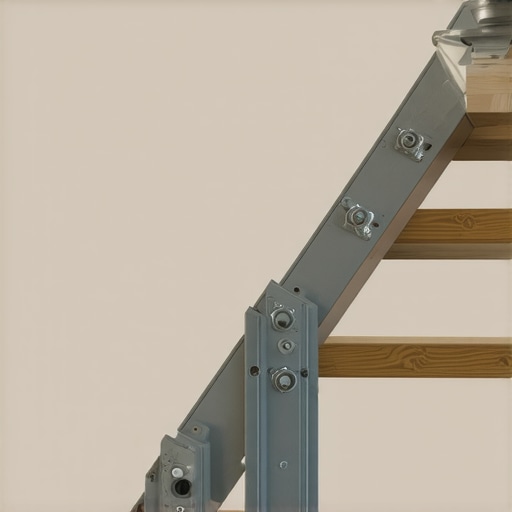
Secure undermount brackets designed for 2026, which replace traditional unsupported posts. Position them precisely to distribute weight evenly. Use a level and proper fasteners; this setup acts like a backbone, preventing movement and reducing stress on the entire staircase system. I installed my brackets one afternoon, working carefully to align each piece; the result was a rock-solid staircase that still looks sleek.
Seal and Protect
the Support Structure
Apply waterproof sealant to all wood components, focusing on joints and cut edges. Use sealants rated for high temperatures to prevent moisture ingress and rot. Regularly reapply every couple of years, especially before severe weather seasons. I learned this the hard way when ignoring sealant led to moisture pooling and accelerated decay.
Finalize with Proper Fastening
Use corrosion-resistant fasteners like stainless steel or coated screws to withstand exposure. Preferring hidden fasteners creates a cleaner look, but I found it essential to ensure each was tight to prevent wobbling. Secure each tread firmly onto the frame, testing stability before finishing. My first attempt with loose fasteners resulted in squeaks that took weeks to resolve.
Routine Maintenance and Inspection
Set a schedule to inspect your stairs biannually, looking for signs of wear or damage. Clean the surface with gentle, non-abrasive cleaners, avoiding harsh chemicals. Never skip this step, as early detection prevents costly repairs. This habit has saved me from emergency replacements on multiple occasions, especially after harsh winters.
 Many homeowners and even seasoned deck builders fall prey to misconceptions about composite decking, especially when it comes to outdoor stairs. While it’s tempting to assume that choosing a popular brand or following generic advice guarantees durability, the reality is far more nuanced. Let’s explore some common myths and advanced pitfalls that can undermine your outdoor living project, so you can build with confidence.
Myth: All composite decking is equal in weather resistance. This misconception often leads homeowners to select the lowest-priced options, unaware that certain brands or core materials perform drastically differently under the intense heat and moisture fluctuations of 2026. For instance, hollow-core composite boards tend to warp and swell more than dense, solid-core products, as highlighted by experts analyzing deck longevity (source). Knowing this subtle yet crucial distinction can save you from expensive repairs.
Common Mistake: Ignoring the importance of proper installation techniques. Even the best composite boards will falter if not installed correctly. Overlooking precise joist spacing or neglecting to use corrosion-resistant fasteners can cause squeaks, creaks, or worse, structural failure. A professional deck builder will emphasize the significance of hidden steel stringers and proper flashing, which are often overlooked by DIYers eager to cut costs (more on advanced framing).
How does temperature affect composite stair safety?
Understanding how rising temperatures influence composite materials is critical, especially for outdoor stairs. In 2026, heat is expected to cause expansion, leading to gaps, warping, or slippery surfaces if non-thermal resistant options aren’t chosen. The high heat capacity and expansion properties of capped polymer decking help mitigate this risk, but only if these factors are considered during design. For a detailed guide, see this resource. Neglecting to account for thermal expansion can compromise safety and durability.
Another nuanced aspect relates to stain resistance. Many assume that composite decking won’t stain, but some brands with porous cores or certain surface finishes can absorb spills or stains, especially in humid or rainy climates. Choosing a high-quality, stain-resistant material and implementing proper sealing practices can maintain aesthetics over decades. Regular inspections and cleaning, as I recommend, will help identify early signs of staining or damage, preventing long-term issues.
Remember, the devil is in the details. Overlooking these advanced nuances can turn a promising outdoor project into a maintenance nightmare. Invest in quality materials and precise installation, and prioritize ongoing inspections. This proactive approach will ensure your deck and stairs withstand the challenges of 2026 and beyond. Have you ever fallen into this trap? Let me know in the comments.Maintaining your outdoor living space, especially composite decking and stairs, requires investing in the right tools and adopting effective methods. Over the years, I’ve refined my toolkit to ensure longevity and safety, and I recommend specific equipment that makes the job not only easier but also more effective. Regular maintenance isn’t just about cleanliness; it’s about proactive care that prevents costly repairs in the future.
Durable Power Tools for Inspection and Repairs
First, a high-quality cordless drill with a set of stainless steel or coated screws is indispensable. I prefer brands like Milwaukee or Dewalt because their batteries last longer and their fasteners resist corrosion, especially important for outdoor projects. When inspecting support structures or repairing fasteners, a cordless reciprocating saw simplifies removal of damaged components without disturbing the surrounding area. Additionally, a digital moisture meter helps detect hidden rot behind surfaces—something I rely on to catch problems early before they escalate. For detailed assessments, I carry a small LED flashlight with adjustable brightness, illuminating obscure areas under the stairs or within support joists. Proper lighting reveals early signs of decay, making preventive actions straightforward.
Specialized Cleaning Equipment for Long-Term Results
Cleaning composite decking effectively without damaging it calls for specific supplies. I recommend a soft-bristled brush attachment for your power washer and a biodegradable cleaner tailored for composite materials. Using an agitating brush prevents scratching while removing dirt and mildew. For stubborn stains or mold buildup, applying a cleaning solution with a pump sprayer ensures even coverage and control. Regular cleaning with these tools maintains aesthetic appeal and prevents moisture retention, which can lead to rot or warping—especially critical in climates prone to humidity or rain. Remember, applying a waterproof sealant after cleaning prolongs your deck’s lifespan; I suggest reapplying sealant every two to three years, adhering to manufacturer instructions.
Embracing Tools for Future-Proof Decks
Looking ahead, technological advancements like smart moisture sensors and remote inspection cameras are becoming increasingly accessible for homeowners. Installing moisture sensors in critical structural points allows for continuous monitoring, notifying you via smartphone if potential issues arise. Remote cameras afford visual inspections of hard-to-reach areas, saving time and ensuring no damage goes unnoticed. For instance, companies like Fibaro are developing durable, weatherproof sensors that integrate with home automation systems, providing real-time alerts that help you act swiftly. Incorporating these tools anticipates future needs and ensures your outdoor living spaces stay safe and beautiful.
How do I maintain outdoor stairs over time?
Consistent inspection and prompt upgrades are your best defense. Firmly securing all fasteners with corrosion-resistant screws, checking for signs of rot, and resealing surfaces annually are critical steps. Don’t forget to monitor expansion gaps and ensure support brackets remain tight. Using a moisture meter periodically offers peace of mind that internal structures stay dry. As the trend shifts toward smarter outdoor management, integrating sensors and remote diagnostics will become standard practice—so consider experimenting with these innovative solutions now to stay ahead. For detailed guidance on waterproofing and sealing, visit this resource. Take the initiative today and try installing a moisture sensor in a hidden support area; it could save you from unforeseen damage and expensive repairs later.
Lessons That Changed How I Approach Deck Support
One of the toughest lessons I learned in the world of outdoor stairs is the importance of never skipping regular inspections. It’s easy to assume that a fresh coat of sealant or premium materials are enough, but ignoring internal decay and systemic issues can lead to sudden failures. I also realized that trusting quick fixes over durable solutions often sets you up for future headaches. The shift to using innovative undermount brackets taught me that understanding the nuances of climate effects and material behavior is crucial—what works in one year might falter in the next, especially with 2026’s predicted heatwaves. Lastly, I discovered that involving professionals early, rather than attempting DIY repairs, can save time and money in the long run, ensuring safety remains uncompromised.
Tools and Sources That Make the Difference
Over the years, I’ve come to rely on specific tools and resources that truly transform outdoor stair maintenance. A high-quality cordless drill with corrosion-resistant fasteners ensures your repairs stand the test of time. I trust brands like Milwaukee and Dewalt for their durability. A digital moisture meter is indispensable for detecting hidden rot behind surfaces, preventing surprise collapses. When it comes to sustaining my deck, I lean on comprehensive guides like this ultimate guide, which offers insights into selecting heat-resistant composite materials and proper installation techniques. For cleaning, gentle power washers with soft brushes and biodegradable cleaners help maintain aesthetics without damage. As technology advances, smart moisture sensors and remote inspection cameras are becoming game-changers, providing proactive monitoring that I can’t recommend enough for future-proofing your outdoor stairs.
Your Next Step Towards Safer, Lasting Outdoor Living
Building and maintaining stairs that stand the test of time isn’t just a task—it’s a commitment to your safety and your home’s beauty. Embracing expert techniques, investing in quality materials, and staying vigilant through regular inspections will keep your outdoor stairs robust and inviting. Remember, the details matter—every fastener, sealant application, and support bracket counts. Now is the perfect time to take action; with the right knowledge and tools, you can transform your outdoor space into a durable, stylish retreat that endures the challenges of 2026 and beyond. Are you ready to make that leap and give your outdoor stairs the attention they deserve? Share your experiences or questions below—let’s build better outdoor spaces together.