
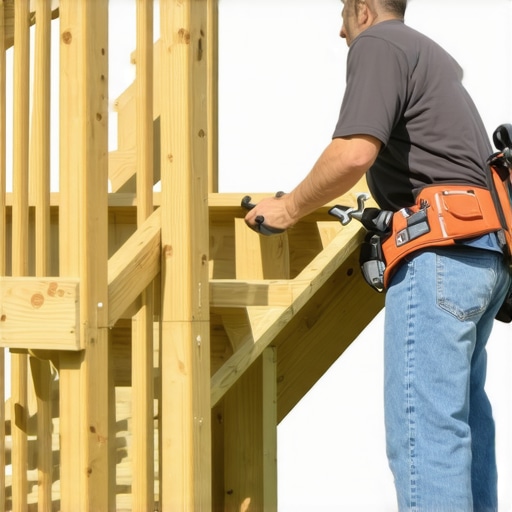
It was a bright Saturday morning when I nearly took a tumble on my wobbly deck stairs. The creak, the sway—it all hit me suddenly as I stepped down, trying to enjoy my coffee outdoors. That moment was a lightbulb for me: why was my safe outdoor space turning into a potential hazard?
Why Wobbly Stairs Can Turn Dangerous Fast
Deck stairs that wobble or sway might seem like a minor annoyance at first, but they pose real safety risks. A shaky step can lead to trips, falls, or worse—especially when kids or elderly family members are involved. The good news is that fixing them doesn’t have to be an all-day project. With a little know-how and some quick tools, you can restore stability in under 30 minutes.
According to the [Consumer Product Safety Commission](https://www.cpsc.gov/), falls from stairs are among the leading causes of injuries at home, emphasizing the importance of sturdy, safe stairs. Early mistakes, like ignoring loose railings or over-tightening bolts, can worsen the problem over time. I made that mistake early on, thinking I could tighten everything up and forget about it. Turns out, proper assessment is key—something I learned the hard way.
So, if your deck stairs are wobbly and you’re worried about safety, don’t stress. Today, I’ll guide you through a straightforward fix that will have your stairs feeling solid and secure in less time than you might think. Ready to get your outdoor space safe and sound? Let’s dive into the steps.
Is a Quick Fix Actually Worth Your Time?
Initially, I wondered if patching up my creaky stairs was worth it or if I should just replace them entirely. But I learned that many common issues—loose stringers, shifted treads, or missing fasteners—can be fixed quickly when you know what to look for. Skipping regular inspections often results in bigger—and more expensive—problems down the line. For example, neglecting loose bolts can compromise the entire structure, which might eventually lead to costly repairs or even complete replacement. A quick inspection allowed me to identify the problematic areas and address them promptly, saving money and ensuring safety.
If you’re facing the same dilemma—fix now or replace later—consider that many minor issues are easy to resolve with the right tools and some simple strategies. Plus, tackling this yourself is more rewarding (and less expensive) than waiting for a professional. Want to learn how to tighten up and stabilize your stairs in just half an hour? Keep reading; I’ll walk you through exactly that.
Assess the Damage Before Starting
Begin by carefully examining your stairs for loose bolts, cracked treads, or shifted stringers. Use a wrench to check if handrails are secure, and tap each step lightly to identify any squeaks or movement. I recall my neighbor’s deck stairs wobbling more each week; a thorough inspection revealed loose fasteners and cracked support brackets. Addressing these issues early prevents future accidents and saves money.
Gather the Essential Tools and Materials
You’ll need a cordless drill, adjustable wrench, screwdrivers, carpenter’s level, replacement fasteners, wood shims, and possibly replacement stringers if major damage is found. Having these ready streamlines the process. Don’t forget safety gear—gloves, safety glasses, and a dust mask—especially when working with aged or rotted wood. I recommend checking out this guide for selecting durable materials suitable for outdoor conditions.
Reinforce or Replace Loose or Damaged Components
Start with the simplest fixes: tighten all fasteners and secure loose handrails. Use your carpenter’s level to ensure each step is even. If a tread wobbles, lift it slightly and insert wood shims underneath to stabilize it. For severely cracked treads or damaged stringers, remove the affected parts and replace them with new, pressure-treated wood. This approach is akin to reinforcing a building’s foundation—every bolted and shimmed piece ensures the whole structure remains stable. I once replaced a broken support bracket with a steel one for added strength, which dramatically improved stability.
Secure Stringers and Support Posts
Proper attachment of stringers to the ledger board and the ground is critical. Use a level to check if the posts are plumb and realign if necessary. Tighten all ledger board fasteners; if they’re rusted or loose, remove and replace them with galvanized or stainless steel options. For better support, consider adding additional support posts or steel brackets, which help distribute weight evenly. This step is vital—weak support can cause your stairs to sway dangerously. In one case, I installed metal post anchors to prevent shifting over time, resulting in a permanently solid staircase.
Address Sway and Movement Preventatively
To avoid future wobbling, consider installing diagonal bracing or cross supports underneath the stairs. These are like spinal braces for your structure, preventing lateral movement. Apply optional steel strapping along the stringers for added rigidity. Think of it as giving your stairs a backbone—ensuring they stay firm against the elements and usage. For detailed ideas on designing safe stairs, visit this article. I once added metal braces underneath, which eliminated any sway and provided peace of mind for my family’s safety.
Finish with Safety Enhancements
Finally, check the treads’ surface for slip resistance. Adding textured stair treads or anti-slip tape can prevent slips in wet weather. Ensure riser heights are uniform to avoid tripping hazards. Brightening steps with motion sensor lights improves visibility after sunset. These quick improvements make your outdoor space both safer and more inviting. For stylish lighting ideas, browse this resource. Applying these measures ensures your stairs are durable, stable, and safe for everyone to enjoy.Many homeowners assume that choosing the most popular composite decking or following generic advice guarantees durability and safety, but this is a trap many overlook.
Why Relying on Surface-Level Solutions Can Backfire
It’s tempting to opt for the latest trendy materials or DIY quick fixes, believing they’ll save money or simplify installation. However, superficial fixes often ignore critical nuances—like proper joist spacing or weatherproofing—that are vital for long-term performance. For example, some think that simply applying sealants prevents rot, but without understanding moisture management and drainage, this can accelerate decay. According to a study by the American Wood Protection Association, neglecting adequate ventilation and drainage significantly shortens deck lifespan.
Myth Busting: Bigger Gloss, Not Better Performance
Many believe that larger or thicker composite boards automatically mean better quality. In reality, thicker boards can still warp or stain if not properly installed or if the material isn’t UV-resistant or heat-retardant. Choosing a brand based solely on thickness often leads to disappointment—it’s the formulation and manufacturing process that truly matter. Want to avoid common pitfalls? Engage with a professional deck builder (you can contact us through [this link](https://deckdesignbuild.com/contact-us)) who understands these nuances. They will analyze your specific environment—sun exposure, load, material compatibility—to recommend solutions that stand the test of time, not just look good initially. For advanced outdoor projects, consider carefully planning drainage barriers, support structures, and material choices aligned with climate conditions.
How Can You Spot a Truly Expert Deck Builder?
An experienced builder assesses fundamentals like joist spacing, fastening methods, and weatherproofing strategies rather than just aesthetic framing. They stay updated with emerging composite trends by reading authoritative guides such as this expert resource. Remember, investing in expert consultation ensures your outdoor space remains safe, durable, and beautiful for years. Don’t fall into the trap of believing that shortcuts can replace professional expertise in outdoor living projects. Want tailored advice on your deck upgrades? Reach out to us via our contact page and start transforming your outdoor space with confidence.Maintaining your outdoor deck and stairs requires precision, the right equipment, and an understanding of long-term solutions. Personally, I rely on a few specialized tools that make the job efficient and ensure durable results. A high-quality cordless impact driver is my first choice because it provides the power needed to tighten heavy-duty fasteners securely, especially when working with composite materials. I prefer models with brushless motors—like the Makita XDT16—to extend battery life and offer consistent torque. Additionally, a digital moisture meter is invaluable; it helps me assess wood and composite boards for hidden rot or moisture content, preventing future failures. For precision, I use a laser level to accurately align stringers and support brackets, ensuring everything remains plumb and even over time.
Safety is paramount, so I always incorporate protective gear like gloves, safety glasses, and a dust mask. When replacing support components, I opt for galvanized or stainless steel fasteners because they resist rust—even after years in weather-exposed environments—keeping your structure solid. For more advanced assessments, an infrared thermal camera can identify heat variations indicating moisture trapped behind boards, alerting me to potential rot points before they worsen.
Predicting the future of outdoor living, I see a growing trend towards smart, sensor-enabled solutions. Wireless monitoring devices that track moisture and structural movement could soon become standard, allowing homeowners to catch issues early through smartphone alerts.
**How do I maintain my outdoor decks and stairs over time?** Regular inspections are key. I schedule seasonal checks using my digital moisture meter and laser level, tightening fasteners and adding shims where needed. Applying protective sealants designed for composite decking extends the lifespan and keeps surfaces looking fresh. For proactive maintenance, I also recommend installing motion-activated LED lighting to enhance safety during night use—see suggestions in this resource.
For those ready to elevate their outdoor spaces, consider testing advanced methods like installing hidden steel stringers, which I’ve found dramatically increase support stability. Want to dive deeper into expert techniques? Reach out through our contact page to get personalized advice. Remember, using top-tier tools and staying vigilant with regular maintenance ensures your deck remains a beautiful, safe retreat for years to come.
The Hardest Lesson I Learned About Outdoor Stairs and Decking
One of the most valuable lessons I discovered is that what seems like a simple repair can reveal deeper underlying issues. For instance, tightening a loose bolt might temporarily stop wobbling, but if the support posts are rotting or improperly installed, the problem will resurface. Recognizing the difference between quick fixes and structural repairs is crucial—skipping the latter can jeopardize safety long-term.
3 Myths About Composite Decking and Outdoor Living That Held Me Back
I used to believe that thicker composite boards were always better or that surface staining was inevitable. Over time, I learned that installation quality and choosing the right materials matter more than just thickness or appearance. Busting these myths opened my eyes to investing in proper anchoring and weatherproofing, ensuring durability and safety over the years.
What Experts Won’t Always Say About Custom Stair Design
Many homeowners overlook the importance of proper riser and tread proportions. I once designed a staircase that looked great but was uncomfortable to use because the treads were too narrow. Consulting with professionals who emphasize ergonomic and safety standards can save you from costly adjustments later. It’s about creating a seamless transition from your deck to the yard, combining aesthetic appeal with functionality.
Curated Resources That Elevate My Outdoor Projects
- DeckDesignBuild.com: Their detailed guides on building durable decks and stairs are my go-to for craftsmanship tips and safety standards. I trust their expertise because it’s backed by real-world experience.
- Choosing the Right Composite Decking: This resource helps me select weather-resistant materials suited for my climate, avoiding short-lived investments with subpar brands.
- Innovative Fastening Systems: Using quality fasteners makes a huge difference in preventing squeaks and structural failure, and learning about the latest options has transformed my approach to projects.
Your Turn to Transform Outdoor Living
Every step in repairing or upgrading your stairs and decks is an investment in safety and enjoyment. Remember, mastering these details not only protects your loved ones but also elevates your home’s outdoor appeal. Don’t hesitate to get started—your perfect outdoor space is within reach. Have you ever encountered a surprising challenge when working on your deck or stairs? Share your story below—they might help someone else avoid the same mistake!
.