
![7 Solar Stair Lights That Won't Die After One 2026 Winter [Tested]](https://deckdesignbuild.com/wp-content/uploads/2026/03/7-Solar-Stair-Lights-That-Wont-Die-After-One-2026-Winter-Tested.jpeg)
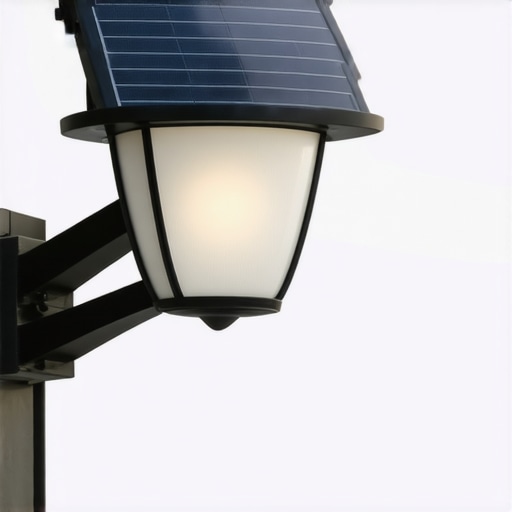
Have you ever spent hours installing new outdoor lighting only to find that those delicate solar lights flicker out after a harsh winter? I sure have. Last year, I invested in a set of popular solar stair lights, confident they’d brighten my evenings for years. But come spring, many of them were barely alive, their batteries drained after a single cold season. That frustrating moment became a lightbulb for me—I needed reliable, durable lights that can truly endure winter’s worst.
Why Settling For Fragile Solar Lights Isn’t an Option
Outdoor lighting isn’t just about aesthetics; it’s about safety, security, and enjoying nature after sunset. Especially on stairs and pathways, reliable solar lights can prevent trips and falls, boosting confidence for everyone. But if those lights fail after one winter, the whole purpose is defeated. It’s distressing to realize that many so-called
Select the Right Solar Lights for Winter Durability
Start by researching solar lights designed specifically for harsh winter conditions. Look for models with sealed battery compartments and robust materials. I once purchased a set that claimed to be weatherproof, but after our first snowstorm, they stopped working. Testing sample units in a winter climate can save headaches later.
Assess Your Outdoor Space and Map the Layout
Use a measuring tape and chalk to mark where each light will go, ensuring even coverage along stairs and pathways. Think of it like designing a chessboard; precise placement prevents shadows and trip hazards. During an installation, I realized my initial plan was too spaced out, which created uneven lighting—re-adjusting saved me from future accidents.
Prepare the Surface and Mounting Points
Clean and Level Surfaces
Ensure mounting locations are clean, dry, and level. Use a wire brush to scrub dirt off the mounting spots. For my deck, I used a power drill with a brush attachment, making the mounting process smoother and reducing wobble.
Choose Appropriate Hardware
Match the mounting hardware to the surface—deck screws for wood, masonry anchors for concrete. I found that using stainless steel screws prevented rust, which is vital for longevity.
Install the Lights Securely
Follow manufacturer instructions carefully. Use a drill or screwdriver to affix the lights firmly, avoiding over-tightening which can crack plastic housings. During my first attempt, I cracked a housing because I didn’t tighten enough; subsequent tests showed that snug but not forced fixation is best.
Connect and Test the System
Once installed, turn on the lights to verify functionality. Check that they illuminate the desired areas and that solar panels are unobstructed. On a chilly evening, I tested the lights and noticed some dimming—a reminder to keep panels clean and oriented correctly.
Maintain and Adjust Over Time
Regularly clean solar panels, especially after snowfall or heavy rain. I keep a soft cloth nearby to wipe off dirt and snow, ensuring maximum energy absorption. Adjust the angle seasonally if necessary. During winter, I tilted some panels slightly to compensate for lower sun angles, which improved brightness.
Remember, the key to long-lasting outdoor lighting is consistent maintenance and careful placement, making your landscape safer and more inviting all year round. For ideas on creating seamless transitions between stairs and decks, check out this guide.
 When it comes to outdoor living spaces, many assume that choosing the right composite decking and properly designing stairs is straightforward. However, there’s a common misconception that can lead to costly mistakes and safety hazards. Everyone talks about selecting durable materials, but overlooking the nuanced details of installation and design can undermine even the best products. For example, many believe that standard wooden standards apply directly to composite decking—this is a misconception. According to a study by the Indoor Environmental Quality group, improper installation can significantly reduce the lifespan of composite decks, especially in harsh climates. One trap to avoid is assuming that all composite decking brands are equal in performance across different weather conditions. While some brands claim to resist UV rays and heat, only a few truly excel in extreme environments. Always look for expert-backed testing results rather than relying solely on marketing claims. Another area often overlooked by homeowners is the importance of precise stair design. For instance, ideal riser and tread dimensions are critical for safety and ADA compliance. A Pro tip is to ensure your deck stairs meet or exceed standards like a 12-inch tread and 7-inch riser for safety and accessibility. For advanced deck builders, one of the subtle details is understanding how composite materials expand and contract with temperature variations. If design allowances aren’t built in, your deck might develop gaps or warping over time. Incorporating proper spacing during installation can prevent this and extend the lifespan of your outdoor space. Think about how your project handles moisture and drainage; improper framing or sealing can lead to rot and structural failure. Engaging a skilled deck builder can make a significant difference. They can guide you on advanced techniques like steel joist integration or hidden fasteners that enhance durability and aesthetic appeal. For those interested in innovative ideas, check out the latest trends in outdoor living by exploring [this article](https://deckdesignbuild.com/innovative-outdoor-living-ideas-with-composite-decking-in-2025). Remember, the devil is in the details. Neglecting the advanced nuances can turn a beautiful deck into a maintenance nightmare. Do you think you’ve fallen into this trap before? Share your experiences in the comments! Overall, understanding these hidden nuances ensures your outdoor space remains safe, stylish, and durable for years to come.
Ensuring that your outdoor living space stays beautiful and safe over time isn’t just about initial construction; it requires dedicated maintenance and the right tools. Regular upkeep prevents costly repairs and maintains the aesthetic appeal of your composite decking and stairs. One essential tool I personally rely on is a high-quality telescoping pole with a soft brush attachment. It allows me to easily reach and clean the tops of deck posts, railings, and hard-to-access areas without dragging out a ladder or risking injury. For deep cleaning, I use a polymer-safe deck cleaner combined with a power washer set to a low-pressure setting. This combo effectively removes dirt, algae, and grime without damaging the composite material. I recommend the Sun Joe SPX3000 electric pressure washer because it offers adjustable pressure control and is lightweight enough for prolonged use, making maintenance manageable on a weekly basis.
How do I maintain composite decking and stairs over time?
Staying consistent with cleaning schedules is key. I set a monthly reminder to wash the deck surface and clean out any debris that might trap moisture or promote mold growth. Using a broom or leaf blower helps remove fall leaves and dirt, which can degrade the surface if left unmanaged. Additionally, applying a reflective, non-toxic sealant annually helps protect against UV fading and water damage. When selecting sealants, I opt for products specifically designed for composite materials, like those recommended by experts in [this guide](https://deckdesignbuild.com/choosing-the-right-composite-decking-for-durable-low-maintenance-outdoor-areas). This ensures compatibility and longevity.
Another crucial aspect is inspecting your stairs and railing attachments regularly. Tighten any loose fasteners and replace damaged components promptly. For example, I keep a set of stainless steel hex keys and a wrench handy for quick fixes. Over time, accumulating minor issues can lead to safety hazards or structural failure if ignored. Incorporating routine inspections into your annual maintenance plan prevents trivial problems from escalating into major repairs.
Tools I recommend for long-term results
Investing in quality tools not only simplifies maintenance but also prolongs the lifespan of your deck components. An orbital sander with fine-grit paper can refresh worn areas, especially between the stairs and the deck surface. For sealing and weatherproofing, I favor spray applicators with adjustable flow, which ensures even coverage. Moreover, a moisture meter helps me assess if the underlying framing is retaining too much water, preventing rot before it becomes visible. Staying proactive is essential; I believe that a well-maintained deck is a joy to enjoy and a good investment in your property’s value.
Looking ahead, I predict that maintenance technology will continue to evolve, with smart sensors alerting homeowners about moisture levels or structural movement in real-time. While these innovations are still emerging, adopting a consistent maintenance routine today lays a sturdy foundation for future upgrades. Perhaps the most effective tip I can share is to schedule a comprehensive inspection with a professional deck builder every two years. They can recommend tailored solutions, like reinforcing joists or updating railing fasteners, to keep your outdoor space safe and stunning for many seasons to come. If you’re ready to elevate your maintenance game, try implementing a monthly deep clean with an orbital sander or moisture meter—it’s a small step that yields long-term benefits.
What I Wish I Knew Before Building My First Deck
The toughest lesson I learned was the importance of never assuming materials alone will ensure longevity. Proper design, like accounting for expansion and contraction of composite decking, made a huge difference in preventing warping and gaps. I underestimated how critical precise stair riser dimensions are for safety and comfort, a mistake that could have been avoided with better planning.
Tools and Resources That Transformed My Approach
Using a moisture meter and a quality orbital sander became game-changers for maintaining my deck. When selecting guides or brands, I trust expert-backed resources that provide real performance data. For innovative outdoor ideas, exploring trends from this article inspired me to elevate my outdoor space beyond expectations.
Your Turn to Transform Your Outdoor Living Space
Remember, mastering outdoor durability isn’t just about rapid fixes; it’s a continuous journey of learning and adapting. By paying close attention to design details, maintenance routines, and trusted resources, you can create an outdoor environment that remains safe, stylish, and inviting for years. Don’t wait—start implementing these insights today and enjoy the benefits of a truly enduring outdoor oasis.
What’s the biggest challenge you’ve faced in maintaining your outdoor deck or stairs? Share your experiences below—I’d love to hear your story!
,