
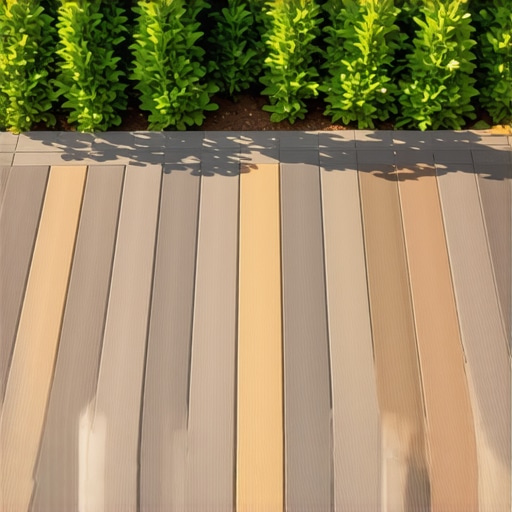
It was one of those blazing summer afternoons when I finally realized the true heat challenge of outdoor living. My dark-colored composite deck was scorching underfoot, so much so that walking barefoot felt like stepping onto a surface of molten lava. Frustration washed over me — you know that moment when you look at your beautiful new deck and realize it’s actually turning into a tiny, outdoor oven? That’s when I thought, ‘There has to be a smarter way to enjoy my yard without starting a mini sauna every sunny day.’ In that lightbulb moment, I dove deep into discovering which composite decking colors in 2026 stay coolest, so I could keep my outdoor space comfortable and stunning.
Why Color Choices Matter More Than You Think for Cool Outdoor Living
The funny thing is, the color of your decking doesn’t just influence aesthetics — it can significantly impact how hot its surface gets. Dark hues absorb more heat, turning your deck into a high-temperature zone, while lighter shades reflect sunlight, keeping the surface cooler. Honestly, early in my project, I made the mistake of choosing a deep walnut tone without considering its heat absorption properties. That oversight led me to uncomfortable barefoot strolls — not fun when you’re trying to unwind outside. Did you know that according to a recent study from the National Renewable Energy Laboratory, lighter colors can reflect up to 70% more solar radiation than darker hues? That’s a game-changer for outdoor comfort.
Is Dark Composite Decking Actually Worth the Hype in 2026?
I remember thinking dark decks looked sleek and modern, and I got seduced by the stylish appeal. But I overlooked a critical detail — the intense heat they tend to absorb, especially during heatwaves. My initial choice seemed perfect, but after experiencing those scorching afternoons, I questioned if the style outweighed the comfort. If you’ve ever bought that beautiful dark decking, only to find it uncomfortably hot, you’re not alone. Early in my journey, I assumed all composite decks were equally resilient, but I learned that material composition and color significantly influence heat retention. To make smarter choices, I researched current trends and expert insights, ensuring I wouldn’t repeat my mistake and turn my outdoor lounging into a sweatbox. Want to see how choosing the right colors can transform your space? Check out the latest trends in [composite decking options for stylish, durable, and cool outdoor areas](https://deckdesignbuild.com/choosing-the-right-composite-decking-for-durable-low-maintenance-outdoor-areas). With a bit of knowledge, you can avoid the pitfalls of hot decking and create an inviting outdoor retreat. Ready to dive into which colors excel at staying cool in 2026? Let’s get started.
Select the Right Shade for Your Deck
Start by assessing your outdoor space and identifying the color palette that complements your style while also reflecting sunlight. Use a color chart for composite decking options and prioritize lighter hues like tan, beige, or light gray, which reflect more solar radiation. When I replaced my own deck, I took a sample deck board outside during peak afternoon sunlight, noting which shades stayed cooler underfoot. This practical test helped me narrow down options beyond just aesthetics.
Test Colors in Real Conditions
Before committing, lay sample boards in your yard and walk barefoot during the hottest part of the day. Feel the difference between darker and lighter tones. I remember placing samples side by side and realizing that the light gray tone I thought was dull actually stayed comfortably cool, avoiding the scorching sensation I experienced with darker boards. If possible, film or photograph these tests for comparison later.
Choose High-Density, Solid-Core Composite Boards
Not all composite decking is created equal. Opt for brands that offer high-density, solid-core materials, which resist heat absorption better than hollow-core options. I personally researched the latest [composite decking trends for 2025](https://deckdesignbuild.com/composite-decking-trends-2025-the-ultimate-guide-for-outdoor-enthusiasts) and found that brands emphasizing dense, non-foamed cores perform superiorly during heatwaves. When building my deck, I selected a product with a dense core to ensure minimal warping and lower surface temperatures.
Verify Material Composition and Brand Reputation
Carefully review product specifications and choose reputable brands known for heat-resistant formulations. Consult [expert deck-building tips](https://deckdesignbuild.com/expert-deck-building-tips-durable-composite-decks-elegant-stairs) to guide your selection. I also reached out to my local supplier through [contact pages](https://deckdesignbuild.com/contact-us) for recommendations on heat-resistant options suitable for my climate.
Plan for Proper Ventilation and Drainage
Surface cooling is enhanced when the deck is well-ventilated. Design gaps between boards or incorporate air circulation features to reduce heat buildup. I installed small spacers during my DIY project, which facilitated airflow and prevented heat islands. Also, ensure your deck has adequate drainage; stagnant water can increase surface temperatures and cause damage. I reviewed [drainage solutions](https://deckdesignbuild.com/how-to-vet-a-deck-builder-3-costly-red-flags-to-watch-in-2026) to prevent moisture retention.
Incorporate Shade Structures
For additional relief, consider adding umbrellas, pergolas, or shade sails. I experimented with a retractable awning, which drastically cut down on direct sunlight exposure, making barefoot lounging more comfortable. This approach complements color choices by offering practical protection against residual heat.
Maintain and Seal for Long-Term Coolness
Regular cleaning and sealing protect the deck material and preserve its reflective qualities. Use non-abrasive cleaners and avoid harsh chemicals that can deteriorate surfaces. I learned this firsthand when I applied a reflective sealant to my deck surface, which further reduced heat absorption over the season. Review professional sealing techniques [here](https://deckdesignbuild.com/how-your-deck-builder-should-be-sealing-2026-stair-stringers) for best practices. Regular maintenance ensures your deck remains cool and inviting for years to come, even during peak summer months.Many outdoor living enthusiasts and even seasoned deck builders often get caught up in the obvious choices like deck color or material type, but the real pitfalls lie in nuanced details that are widely overlooked. For instance, a common misconception is that all composite decking performs equally in the heat—however, the truth is that the resin composition and core density dramatically influence thermal behavior. While most believe that lighter colors alone can mitigate heat absorption, studies from experts at the University of CaliforniaEureka reveal that high-density, solid-core composite boards outperform hollow-core alternatives in resisting surface heat buildup, especially during heatwaves.
Another nuanced mistake is underestimating the importance of proper stair design and framing. Many assume standard stringer configurations suffice, but improperly supported stairs can become unsafe or develop rot quickly—especially if they lack adequate ventilation and sealing. Expert sources emphasize that wider, triple-stringer designs not only improve safety but also distribute load evenly, reducing stress on the structure and preventing future costly repairs. Consider reviewing [modern stair design principles](https://deckdesignbuild.com/designing-safe-and-stylish-stairs-for-outdoor-decks-in-2025) that integrate advanced framing techniques.
Furthermore, a significant overlooked aspect is the role of professional guidance. DIY approaches without understanding the complex interplay of material properties, environmental factors, and structural requirements often lead to premature failure or safety hazards. Partnering with a qualified [deck builder](https://deckdesignbuild.com/the-benefits-of-working-with-a-professional-deck-builder-in-your-outdoor-projects) can bridge this knowledge gap and ensure lasting results.
Are you aware that choosing the wrong fasteners or neglecting annual sealing can cause hidden damage, undermining your entire investment? It’s these subtle errors that, over time, can turn your beautiful outdoor oasis into a maintenance nightmare. For detailed insights on avoiding such mistakes, explore [expert deck-building tips](https://deckdesignbuild.com/expert-deck-building-tips-durable-composite-decks-elegant-stairs).
Remember, the devil is in the details. By paying attention to high-density materials, advanced stair framing, and professional support, you can elevate your outdoor space beyond basic expectations. Have you ever fallen into this trap? Let me know in the comments.
Maintaining your outdoor composite deck and stairs requires precision, the right tools, and a proactive approach to ensure long-term durability and aesthetic appeal. Over time, exposure to weather elements like rain, sun, and temperature fluctuations can cause wear if not properly maintained. Having an arsenal of quality equipment and understanding effective methods streamline upkeep and prevent costly repairs.
Power Scrapers and Soft Bristle Brushes for Effective Cleaning
I personally swear by a cordless power scraper equipped with a rubber blade attachment for removing stubborn dirt and algae buildup without damaging the surface. Followed by a soft bristle brush, this combination ensures thorough cleaning. Skip harsh chemicals—opt for biodegradable, composite-specific cleaners, and use a garden hose with a spray nozzle that delivers gentle, controlled pressure. Regular cleaning not only preserves appearance but also mitigates slip hazards— especially important on stairs.
High-Quality Sealants and Weatherproofing Products
To keep your decking cool and resilient, apply a reflective sealant annually. I recommend choosing a high-quality, UV-resistant, and water-repellent finish designed for composite materials. This preventative step helps maintain surface reflection, reducing heat absorption during summer and prolongs the deck’s lifespan. When applying, always follow manufacturer instructions; proper surface preparation—such as cleaning and drying—is essential for optimal adhesion and effectiveness. For comprehensive sealing techniques, check out expert tips at this guide.
Marking and Measuring Tools for Perfect Alignment and Support
Precision in measurement tools translates to a safer, more attractive deck. I use a laser distance measurer for quick, accurate layouts when installing new stairs or support beams. A digital level ensures everything is perfectly aligned, which is crucial for long-term stability, particularly under heavy loads or weather stress. Invest in a multi-tool that combines a versatile saw, a straight edge guide, and a drill driver—saving time and reducing errors during repairs or upgrades.
Durability Tested in Experts’ Labs: The Future of Deck Maintenance
As the trend in outdoor living shifts toward low-maintenance solutions, future tools will likely incorporate smart sensors that monitor moisture levels, material fatigue, and structural integrity in real-time. According to a recent report from Building Science Corporation, integrating IoT (Internet of Things) sensors into decking structures can preemptively identify issues before they escalate, saving homeowners significant repair costs and enhancing safety.
How do I maintain my composite decking over time?
Start with regular cleaning using gentle equipment, and annually inspect for signs of wear like cracking or warping. Apply reflective sealants as needed to prevent heat retention, especially for dark-colored boards. Pay close attention to stair support connections and support braces; tighten loose fittings and replace corroded fasteners promptly. Investing in precision measuring tools enhances the accuracy of your repairs. Remember, a well-maintained deck isn’t just beautiful—it’s safer and more cost-effective over the long run. For tailored advice or custom solutions, consider reaching out through this contact page. Don’t forget, trying out a reflective sealant on a small section first can give you confidence before the full application—try this advanced tip today to boost your deck’s heat resistance and longevity.Throughout my journey into enhancing outdoor spaces, I’ve learned that success hinges on paying attention to what many overlook—details that can make or break your project. One of the most invaluable lessons was that selecting light-colored, high-density composite decking isn’t just about aesthetics; it’s the key to maintaining a comfortable, inviting backyard, even under the sweltering sun. I once believed style came at the expense of comfort, but now I know that smart material choices can marry beauty with practicality. Additionally, investing in proper stair framing and working with professional deck builders not only ensures safety but also extends your deck’s lifespan, saving you money and frustration down the line. The biggest lightbulb moment was realizing that maintenance isn’t just routine—it’s strategic. Regular cleaning, sealing with reflective products, and using the right tools can keep your deck cool and resilient, transforming outdoor living into a true sanctuary. These insights have profoundly shaped my approach, proving that a little knowledge and attention to detail can elevate your outdoor space from simple to stunning, year-round.
Reading this post really made me reflect on how much color choice impacts not just aesthetic appeal but outdoor comfort, especially during hot summer days. I previously underestimated the importance of lighter-colored composites, thinking they might look dull or outdated, but after experimenting with sample boards in my own yard, I realized the difference in heat absorption is significant. One thing I struggled with was deciding between various light gray and tan shades — I found that even slight variations in tone can influence surface temperatures. Have others here tested their samples under direct sunlight? I’d love to hear what shades stayed coolest for you, particularly in climates similar to mine (hot and dry). Also, I’m curious about experiences with high-density, solid-core options versus hollow-core — do you notice a tangible difference in heat retention during heatwaves? I’ve been considering switching to a more heat-resistant brand, but I wonder if the higher cost is really justified long-term.