
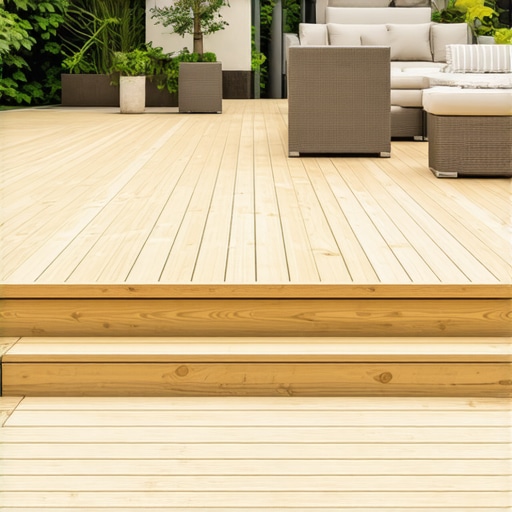
Imagine finally finishing that outdoor project you’ve been dreaming about, only to realize the stairs wobble when you walk up, or the deck surface starts showing signs of wear after just a single season. I remember my first attempt at building a composite deck—thinking I was saving money and effort—only to end up with squeaky stairs and faded planks within a year. That lightbulb moment taught me a valuable lesson: investing in expert tips and quality materials makes all the difference.
When it comes to outdoor living, your deck and its stairs are the gateways to creating a welcoming and functional space. But even the most beautiful design can be undermined by poor implementation or choosing the wrong materials. Over the years, I’ve seen countless DIY efforts fall flat because of overlooked details—like inadequate support for stairs or selecting decking that doesn’t withstand weather as promised. These mistakes often lead to costly repairs and frustration, especially when you’re eager to enjoy your backyard retreat.
Fortunately, the solution is not as complicated as it might seem. Whether you’re aiming for elegant stairs that elevate your aesthetic or seeking durable composite decking that stands up to the elements, expert advice exists to help you get it right the first time. In fact, studies have shown that professionally installed decks and stairs can significantly extend their lifespan, saving you money and hassle in the long run ([source](https://deckdesignbuild.com/benefits-of-working-with-a-professional-deck-builder-in-your-outdoor-projects)).
Are you tired of dealing with wobbly stairs or fading decking? Do you wonder if DIY can really compete with professional craftsmanship? You’re not alone. As someone who has faced these very questions, I’m here to share what I’ve learned from experience and research. We’ll explore step-by-step how to select the best materials, design your stairs for safety and style, and ensure your deck withstands the test of time.
So, let’s take the mystery out of building stunning, durable outdoor spaces, starting with the essentials you need to know to avoid common pitfalls and achieve that elegant look you’ve always wanted.
Select the Right Materials
Start by choosing high-quality composite decking that can withstand weather and foot traffic. I once rushed into buying an inexpensive material, thinking cost-saving was smart, but after one harsh winter, the boards warped and faded. After that experience, I opted for a durable, low-maintenance composite as outlined in this guide—it proved to be a game-changer, resisting wear and retaining its color for years.
Design for Stability and Safety
Proper design is crucial. For stairs, calculate the rise and run meticulously—imagine it like building a ladder that’s comfortable to climb. I had a moment where I misjudged the step height, resulting in a wobbling staircase. To prevent this, use a carpenter’s square and follow these detailed instructions for seamless, safe transitions. Ensuring the stringers are sturdy and properly anchored prevents wobbling and enhances safety.
Use the Right Tools and Techniques
Precision matters. When installing support posts and stringers, I used a Level and a drill to ensure everything was perfectly aligned—think of it as tuning an instrument. Employ screws rather than nails for a more secure connection, and pre-drill holes to avoid splitting. Watching a tutorial on expert techniques helped me avoid common mistakes and achieved a professional look.
Plan Transitions for Visual Flow
Create a seamless flow between your deck and surrounding landscape using carefully designed stairs. I remember transforming an awkward added-on staircase into a stylish feature by choosing the right railing and step pattern from this resource. The result was a natural extension of my outdoor space that looked both inviting and cohesive.
Ensure Proper Support and Foundation
Think of your deck and stairs as a building—without a solid foundation, it’s doomed to wobble. I learned this firsthand when a poorly supported post shifted over time, causing instability. Using treated wood or concrete footings to support posts guarantees longevity. Consulting a professional guide helped me plan the support structure meticulously, which paid off during rough weather.
Many homeowners believe that choosing composite decking alone guarantees a maintenance-free and durable outdoor space. However, in my experience, there are numerous nuanced pitfalls even seasoned DIY enthusiasts overlook. For instance, a common myth is that all composite decking is created equal; in reality, different brands and formulations offer vastly different resistance levels to UV damage, moisture, and temperature fluctuations. An advanced mistake I’ve seen is neglecting proper ventilation and airflow beneath the deck—without proper airflow, moisture pools, accelerating decay and leading to costly repairs, even with high-quality materials. Experts emphasize that selecting the right product is just part of the equation; installation techniques and environmental considerations are equally critical for longevity.
Are There Hidden Factors That Influence Composite Deck Performance?
Absolutely. The hidden nuance often lies in substrate preparation. A perfectly engineered deck surface won’t perform well if the supporting foundation isn’t stable or properly engineered to handle load distribution and thermal expansion. For example, failing to incorporate expansion gaps or choosing inappropriate support materials can cause warping, buckling, or loose fittings over time. Additionally, applying incorrect fastening methods—like using nails instead of corrosion-resistant screws—can compromise structural integrity, especially in areas prone to saltwater or heavy rainfall. As highlighted in expert resources, these advanced mistakes are what differentiate a durable, professional-quality deck from one that begins to deteriorate prematurely ([source](https://deckdesignbuild.com/expert-deck-building-tips-durable-composite-decks-elegant-stairs)).
Beyond materials and foundation, a common oversight is ignoring the importance of seamless transitions and integrating stairs that blend flawlessly with the overall design—something that elevates both aesthetic appeal and safety. Regular maintenance and vigilant inspection for signs of wear—like checking for loose fittings or fading boards—are often neglected but vital steps to prevent small issues from becoming major repairs. Engaging a professional deck builder can help you navigate these complexities, ensuring your outdoor living space remains inviting and resilient over the years ([learn more here](https://deckdesignbuild.com/how-a-skilled-deck-builder-can-turn-your-garden-into-a-private-oasis)).
If you’re considering an upgrade or new installation, remember that understanding these nuanced factors can save you time, money, and frustration. Have you ever fallen into this trap? Let me know in the comments. For more insights, explore my recommended guides on choosing the right composite materials and designing safe, stylish stairs that complement your outdoor haven.Maintaining your outdoor living space requires more than just selecting the right materials—it involves using the proper tools and methods to ensure longevity and safety. One of my go-to tools is a high-quality cordless drill equipped with magnetic screwdriver bits. I personally prefer the Milwaukee M18 Fuel Drill for its power and reliability, especially when securing deck boards or tightening support brackets without stripping screws. Its portability makes it easier to access tight spots during maintenance tasks. Alongside this, I always keep a digital moisture meter, like the Protimeter Aquant, to monitor humidity levels beneath the deck. This tool helps me catch potential issues early, such as trapped moisture that could lead to rot, even when using durable composite materials.
How do I keep my outdoor living space in top shape over time?How I Realized Experience Trumps Everything
One of my biggest lightbulb moments was during a winter when my first DIY composite deck warped and faded faster than I expected. That taught me that rushing without proper knowledge and quality materials can lead to costly mistakes. It set me on a journey to learn from seasoned professionals and invest in best practices, making my outdoor spaces not just beautiful but resilient.
Navigating Hidden Pitfalls That Can Wreck Your Project
I soon discovered that not all composite decking is created equal—some brands resist UV and moisture better than others. Moreover, overlooking proper ventilation beneath the deck led to trapped moisture, accelerating decay despite using high-quality materials. These hidden factors taught me to plan meticulously, ensuring airflow and support structure are just as vital as the decking itself.
Why Support and Foundation Make or Break Durability
Initially, I underestimated the importance of a solid foundation. A poorly supported post shifted over time, causing wobbling stairs. After consulting expert guides, I learned that treated lumber and concrete footings are essential for longevity. Proper support not only maintains stability but also saves money by preventing early repairs—a lesson I wish I hadn’t overlooked.
My Personal Approach to Creating Seamless Outdoor Transitions
Transforming awkward stairs into stylish, cohesive features involved careful planning of railing, step pattern, and support. I found that matching materials and design elements creates a natural flow, making your outdoor space inviting and polished. This attention to detail is what elevates a good deck to an outdoor masterpiece.
Tools and Techniques That Elevate Your Craft
Using the right tools, like a reliable cordless drill and moisture meter, has made a significant difference. I trust my Milwaukee M18 Fuel Drill for precision, and a moisture meter helps me catch hidden issues before they become costly. These tools empower DIY enthusiasts to achieve professional results and extend the lifespan of their outdoor spaces.
Beware of Overconfidence: Why Professional Help Adds Value
I learned that even minor overlooked details—like incorrect fasteners or improper support spacing—can compromise the integrity of your deck. Consulting a professional or following expert guides, such as the benefits outlined on this resource, can save you time, money, and headaches.
Embrace the Journey to Outdoor Excellence
Building durable composite decks and elegant stairs is a rewarding process that combines craftsmanship, planning, and patience. With insights gained from experience and expert advice, you can create outdoor living spaces that withstand weather, age gracefully, and look stunning for years to come. Remember, every mistake is an opportunity to learn and refine your skills.