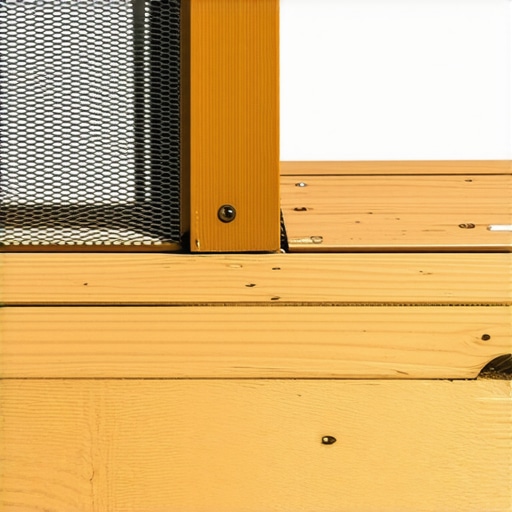
The Stainless Mesh Trick for Keeping Mice Out of Your Deck Substructure
You’ve spent weeks planning the perfect outdoor oasis. You’ve selected the finest composite boards, debated the orientation of the grain, and perhaps even invested in high-end lighting. But as you sit on your deck during a quiet Long Island evening, you hear it: a rhythmic, persistent scratching sound coming from directly beneath your feet. It isn’t the wind, and it isn’t the house settling. It is the sound of a rodent colony turning your expensive deck substructure into a luxury apartment complex.
I’m Scott P., owner of Long Island Bedbug Inspections, LLC. Over the years, my work in the NYC and Long Island areas has put me face-to-face with every imaginable pest scenario. While many residents know me for specialized bed bugs treatment nyc, my broader experience with biotech pest management has taught me one universal truth: if you provide a warm, dry, and protected cavity, nature will fill it. Decks are the ultimate “luxury hotel” for mice and rats, offering protection from predators like hawks and owls, proximity to the crumbs from your backyard BBQ, and a direct staging ground for entering your home.
In New York City and the surrounding boroughs, pest exclusion isn’t just a matter of comfort; it’s often a legal necessity. Landlords and homeowners are frequently held responsible for maintaining a vermin-free environment. While many biotech pest control strategies involve reactive measures, the only permanent solution for a deck is physical exclusion. This is where the “Stainless Mesh Trick” comes in – a technical construction standard that separates professional-grade builds from DIY projects that will eventually require a mice exterminator.
Why Decks are Rodent Magnets
To understand why the stainless mesh trick is necessary, you have to understand the biology of the enemy. A mouse only needs a gap the size of a dime (about 1/4 inch) to squeeze its body into a space. Rats need slightly more, about the size of a quarter. Once they are under your deck, they are shielded from the elements. The space beneath a deck often traps heat from the ground and the house, creating a microclimate that is significantly warmer than the open yard during a New York winter.
Furthermore, the substructure provides the perfect “highway” system. Rodents are thigmotactic, meaning they prefer to move while touching a vertical surface. The joists and beams of a deck provide an endless network of paths where they feel secure. Most homeowners realize they have a problem only after the population has exploded. By the time you see a mouse on your patio, there are likely dozens living beneath the boards. This is why mice pest control that relies solely on bait stations or snap traps is a losing battle. You are treating the symptom, not the structural vulnerability.
Many nyc pest control companies report that rodent infestations in kitchens and crawlspaces often begin with a deck that was not properly excluded. The rodents nest under the deck, then find a utility penetration – a gas line, an AC conduit, or a dryer vent – that leads directly into the house. If you don’t stop them at the deck perimeter, you are essentially inviting them into your living room.
The “Stainless Mesh Trick” Explained
The “Stainless Mesh Trick” is a method of creating a chew-proof, rust-proof, and burrow-proof barrier around the entire perimeter of the deck substructure. While some contractors suggest using plastic netting or standard galvanized hardware cloth, these materials eventually fail. Rodents can chew through high-density polyethylene (HDPE) plastic in minutes. Galvanized steel, while tougher, will eventually succumb to the high moisture levels found near the ground, rusting away and leaving gaps that mice will quickly exploit.
Stainless steel mesh is the gold standard. It is impervious to the gnawing of incisors and will not corrode, even when buried in damp soil or in contact with pressure-treated lumber (which contains copper that can accelerate the corrosion of lesser metals). For effective rodent control pest control, you should use a 304 or 316-grade stainless steel mesh with a 1/8-inch or 1/4-inch opening. This size is small enough to stop even the smallest juvenile mice and most large insects.
The “trick” isn’t just the material; it’s the installation geometry. Simply hanging the mesh from the side of the deck isn’t enough. Rats and mice are prolific diggers. If they hit a wall, they will simply dig under it. To prevent this, we use an “L-shape” burial technique. The mesh is attached to the deck’s rim joist, runs vertically down to the ground, and then bends 90 degrees outward to run horizontally under the soil or gravel for 6 to 12 inches. When a rodent attempts to dig down at the base of your deck, it hits the horizontal “shelf” of the mesh and gives up. Just as termites new york require specific physical or chemical barriers to protect a structure’s integrity, rodents require this “chew-proof” perimeter to be truly excluded. This is a core tenet of biotech pest control: physical barriers are always superior to chemical reliance.
Step-by-Step Installation Guide
Whether you are building a new deck or retrofitting an existing one, the process for the stainless mesh trick remains largely the same. If you are in the planning stages, I highly recommend coordinating this with your builder. If you’re doing it yourself, follow these steps to ensure a professional-grade result.
1. Trenching the Perimeter
The first step is the most labor-intensive. You must dig a trench around the entire perimeter of the deck where the substructure meets the ground. The trench should be approximately 8 to 12 inches deep and about 6 inches wide. This depth is crucial because it accounts for the burrowing depth of Norway rats, which are common in the NYC and Long Island areas. If you find your deck is built on a slope, ensure the trench depth remains consistent relative to the soil surface.
2. Preparing the Mesh
Measure the distance from the top of your rim joist (or the bottom of your decking boards) down to the bottom of your trench, then add 8-12 inches for the horizontal “L” bend. Use high-quality tin snips or aviation snips to cut your stainless steel mesh rolls to the appropriate height. Wear heavy-duty gloves; the cut edges of stainless mesh are incredibly sharp and can cause significant injury.
3. Attaching to the Rim Joist
Secure the top of the mesh to the back of the rim joist. If you are building a high-end deck, you might be using a double rim joist for picture-frame borders. This provides an excellent, sturdy surface for attachment. Use stainless steel staples or, better yet, stainless steel lath screws with integrated washers to ensure the mesh doesn’t pull away over time. Ensure there are no gaps at the top; a mouse can walk up a vertical surface and squeeze over the top of the mesh if it isn’t flush against the decking boards or the joist.
4. Forming the “L-Footer”
Bend the mesh at the bottom of the trench so that it flares away from the deck. This horizontal section should be at least 6 inches long. If you encounter large rocks or roots, do not simply skip that section. Cut the mesh to fit around the obstruction and use stainless steel wire to “sew” any seams together. A mice exterminator will tell you that a single gap is all it takes for the entire system to fail.
5. Backfilling and Finishing
Once the mesh is secured and the L-footer is in place, backfill the trench. While you can use the soil you dug out, I recommend using crushed stone or heavy gravel. Not only does this improve drainage around your deck posts – preventing the issues discussed in the post-base trick that prevents rot at the concrete line – but it also adds another layer of discouragement for digging pests. For a clean look, you can cover the exposed vertical mesh with a decorative lattice or a composite fascia board, provided the fascia doesn’t create new gaps.
Beyond Mice: Protecting Against Other Substructure Pests
While the primary goal of the stainless mesh trick is rodent exclusion, it serves as a multi-purpose barrier for various other pests that plague homeowners in the Northeast. The moisture that naturally accumulates under a deck creates a prime habitat for wood-destroying organisms and nuisance insects.
Carpenter ant pest control is a major concern for deck owners. Unlike termites, carpenter ants don’t eat the wood; they hollow it out to create nests. A deck that is constantly damp and accessible is an open invitation for a colony to establish itself. While the mesh won’t stop an ant, the improved drainage from the gravel backfill and the separation of wood from direct soil contact (using the post-base trick) significantly reduces the moisture levels that attract these ants. Similarly, pest control termite efforts are bolstered by any measure that reduces soil-to-wood contact and allows for easy inspection of the foundation line.
Furthermore, cockroach pest control becomes much easier when you eliminate the “harborage” areas under your deck. In urban environments like the Bronx or Brooklyn, the Oriental cockroach (often called a “water bug”) loves the dark, damp voids under outdoor structures. By sealing these areas off and managing the moisture, you are removing the environmental factors they need to thrive. When ant pest control or roach treatments are needed, they are far more effective if the pests aren’t protected by an inaccessible deck substructure.
When to Call a Professional
The stainless mesh trick is a fantastic preventative measure, but there are times when DIY efforts aren’t enough. If you are already hearing heavy activity under your deck, or if you’ve seen signs of rodents inside your home (droppings, gnawed wires, or greasy rub marks along baseboards), the infestation has likely moved beyond simple exclusion. At this point, you need a professional to clear the existing population before you seal the “exit” doors.
If you are in the tri-state area, nassau county exterminators and exterminators bronx can provide a comprehensive assessment. Sealing a deck with rodents still inside can lead to them chewing through your home’s actual foundation or siding in a desperate attempt to find food or escape, causing even more damage. A professional can use commercial-grade tracking powders and specialized baiting systems to ensure the area is vacant before the final mesh is secured.
Additionally, if your deck is already showing signs of structural instability – such as being bouncy stairs or a creaking deck – the cause might be more than just poor construction. Rodents and wood-destroying insects can compromise the integrity of joists and posts over time. A pro can help identify if you’re dealing with a simple pest issue or a structural safety hazard that requires more than just a roll of mesh.
Conclusion: An Investment in Peace of Mind
Building or maintaining a deck is a significant financial investment. In the competitive real estate markets of Long Island and NYC, outdoor living space adds tremendous value to a home – but only if it isn’t a liability. Choosing the right materials, like durable composite decking, is only half the battle. The other half is protecting the “guts” of the structure from the local wildlife.
The Stainless Mesh Trick is a one-time installation that pays for itself by preventing the need for recurring mice pest control services and protecting your home’s perimeter. It bridges the gap between high-quality carpentry and expert pest management. By taking the time to trench, bend, and secure stainless steel hardware cloth, you are ensuring that the only guests on your deck are the ones you actually invited.
Don’t wait until the scratching starts. Inspect your deck today. Look for the gaps, the burrows, and the signs of entry. If you suspect an active infestation, reach out to an expert who understands the unique challenges of our local environment. Whether it’s bed bugs treatment nyc or a complex rodent exclusion project, the goal is the same: a safe, clean, and pest-free home.