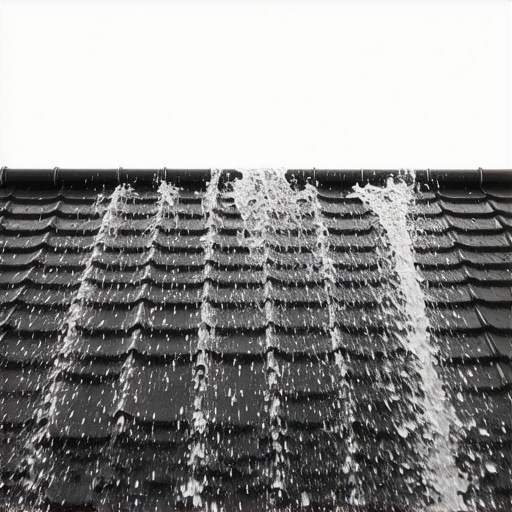
The Simple Trick to Prevent Roof Ridge Leaks During Heavy Storms
If you have ever stood in your living room during a classic Gauteng afternoon thunderstorm, listening to the rhythmic drumming of rain on your roof, you know the sudden anxiety that comes with a dark spot appearing on the ceiling. In the Highveld, our storms aren’t just rain; they are atmospheric events characterized by extreme pressure, wind-driven moisture, and rapid temperature shifts. While many homeowners look to their gutters or tiles as the source of trouble, the true culprit is often the highest point of the structure. Effective roof ridge waterproofing is the most critical defense a property owner has against the elements.
The “ridge” is the horizontal line where two roof planes meet at the peak. It is the crown of your home, but it is also the most vulnerable joint. Whether you are in the heart of the city or managing properties in the suburbs, understanding how to secure this point is vital. As one of the leading waterproofing companies Johannesburg residents trust, we have seen thousands of failed ridge caps. Today, I am going to share the “Simple Trick” that professional contractors use to ensure a leak-free roof for a decade or more: The Multi-Layer Flexible Membrane Seal.
Why Traditional Ridge Capping Fails in Gauteng
To understand why the “Simple Trick” works, we first have to look at why traditional methods fail. In areas like Lynnwood and Hatfield, the sun can be brutal. During a typical October day, the temperature of a metal roof can soar to over 70 degrees Celsius. When a sudden storm hits, that temperature can drop by 40 degrees in a matter of minutes. This creates massive thermal shock.
Traditional ridge capping often relies on rigid materials. On tiled roofs, this usually means a cement-based mortar (bedding and pointing). On metal roofs, such as IBR or corrugated iron, it involves metal flashing secured with screws and perhaps a bead of silicone. The problem? Steel and tile expand and contract at different rates than cement or silicone. In the intense heat of Silverton, a steel IBR roof waterproofing system that relies on rigid seals will eventually snap. The metal moves several millimeters, the rigid seal cracks, and the next storm drives water into those microscopic fissures.
Furthermore, many waterproofing companies Johannesburg frequently encounter “capillary action.” This is a physical phenomenon where water is essentially “sucked” upward into small gaps between the roof sheet and the ridge cap. If your seal isn’t perfectly airtight and flexible, wind-driven rain will find its way under the cap and into your roof cavity, regardless of how “downhill” the slope seems.
The “Simple Trick”: The Multi-Layer Flexible Membrane Seal
The secret to permanent roof ridge waterproofing isn’t a “super glue” or a “magic spray.” It is the creation of a flexible, reinforced gasket that moves with the building. We call this the Multi-Layer Flexible Membrane Seal.
1. Preparation: The Foundation of Success
You cannot waterproof a dirty surface. In the industrial corridors of the East Rand, roofs accumulate soot, dust, and bird droppings. The first step is a high-pressure wash followed by a wire-brushing of the ridge area. If we are working on corrugated iron roof waterproofing, we also ensure that any rusted screws are replaced with oversized “bond-e-vator” screws that provide a fresh seal.
2. The Priming Stage
Once clean, a specialized primer is applied. This isn’t just paint; it’s a bonding agent that bites into the substrate. For metal roofs, we use an anti-corrosive metal primer. For tiled roofs, a masonry primer ensures the subsequent layers don’t peel off when the Gauteng sun starts beating down.
3. The “Trick”: The Non-Woven Polyester Membrane
This is where the magic happens. Instead of just painting a waterproof coating over the ridge, we bed a non-woven polyester membrane into a thick “wet” layer of acrylic or polyurethane sealant. This membrane acts like the rebar in concrete – it provides tensile strength while allowing the sealant to remain flexible. We saturate the membrane until it becomes a single, cohesive skin that bridges the gap between the ridge cap and the roof sheets.
4. The Final Shield
Once the membrane is embedded, we apply two to three heavy topcoats of the waterproofing compound. For high-end residential or commercial projects, we might even suggest EPDM (Ethylene Propylene Diene Monomer) strips for extreme durability, but for most Gauteng homes, a high-quality UV-stable acrylic system with a membrane is the gold standard.
Tailoring the Solution: IBR vs. Corrugated vs. Tile
Every roof in Pretoria and Johannesburg is different, and the “trick” must be adapted to the material. At Phoenix Waterproofing, we categorize these into three main types:
IBR and Corrugated Metal Roofs
Metal roofs are the most prone to movement. IBR roof waterproofing requires the membrane to be molded into the “valleys” and “peaks” of the box rib profile. This prevents water from being blown sideways under the ridge. If you are looking for roof repairs Midrand, you’ll notice that many warehouses use IBR. The sheer scale of these roofs means that thermal expansion is magnified, making the flexible membrane trick even more essential.
Tiled Roofs
Tiled roofs fail because the mortar (the “pointing”) cracks. The simple trick here is to apply the membrane seal directly over the pointing. This creates a waterproof “bandage” over the cement. Even if the cement underneath cracks due to house settling, the membrane remains intact, keeping the water out. This is a staple service for roof waterproofing Pretoria homeowners request before the summer rains begin.
Concrete Roofs and Flat Sections
For flat concrete roofs often found in modern Johannesburg architecture, we often utilize different systems, such as those found at logilinewaterproofing.co.za, including torch-on bitumen or specialized liquid plastics. However, where a flat roof meets a parapet wall (a “ridge” of sorts), the flexible membrane principle remains the same.
Why Professional Application Matters (The “OR Tambo” Standard)
While the concept of a membrane seal is simple, the execution is where the value lies. Consider the infrastructure at OR Tambo International. In such high-stakes environments, waterproofing isn’t just about stopping a leak; it’s about structural integrity and safety. The same logic applies to your home.
When you hire waterproofing Centurion specialists, you are paying for the precision of the application. If the membrane has a single wrinkle or “fish-mouth” (an opening where the fabric didn’t bond), water will find it. If the weather is too humid or too cold during application, the chemical bond will fail. Professional waterproofing contractors East Rand know exactly when to apply each layer to ensure maximum adhesion.
Furthermore, professionals use industrial-grade products. While a hardware store bucket of sealant might last two seasons, the systems used by logilinewaterproofing.co.za are designed for a 10-to-15-year lifecycle. This is the difference between a “patch job” and a long-term investment.
Maintenance and Storm Prep Checklist
For residents in the East Rand and surrounding areas, prevention is always cheaper than cure. Just as how to stop your deck from creaking every time someone walks requires looking at the fasteners and structural movement, your roof requires a seasonal audit. Here is our professional checklist for storm-proofing your ridge:
- Inspect the Fasteners: On metal roofs, check if the rubber washers on the ridge screws have perished. If they are cracked, they are leaking.
- Clear the Gutter-Ridge Path: Ensure there are no overhanging branches that could drop debris onto the ridge. Debris traps moisture, which accelerates the breakdown of waterproofing membranes.
- Check for “Daylight”: If you can safely access your attic or ceiling crawl space during the day, look up at the ridge. If you see pinpricks of light, you have a gap that needs the “Flexible Membrane” treatment.
- Evaluate Previous Repairs: If a previous contractor used “silver paint” (bitumen aluminum), check if it is flaking. This is a sign of UV failure.
It is also helpful to think of your home as a holistic system. For example, The Drainage Secret for Decks Built Over Concrete Patios teaches us that water must always have a clear, unobstructed path away from the structure. On a roof, the ridge is the start of that path. If the ridge fails, the rest of the drainage system is irrelevant because the water is already inside.
Similarly, the tension of your roof’s components matters. Much like The Shadenet Tension Secret That Prevents Water Pooling During Storms, a properly tensioned and bonded waterproofing membrane prevents “ponding” on the small ledges of your ridge cap.
The Cost of Neglect vs. The Cost of Repair
In the Gauteng market, we often get asked about pricing. For a standard three-bedroom home in Silverton or Midrand, a basic ridge repair might start at approximately R1,200 for minor touch-ups. However, a comprehensive roof ridge waterproofing project using the multi-layer membrane system typically starts around R3,500.
While this might seem like an expense, compare it to the cost of replacing water-damaged gypsum ceilings, repainting interior walls, or – in extreme cases – replacing rotted timber trusses. Just as Why Your Deck Stairs Need a Concrete Landing Pad at the Bottom explains the importance of a solid foundation, a solid ridge seal is the foundation of a dry home. Using the right materials, like those found at logilinewaterproofing.co.za, ensures that you aren’t paying for the same repair every two years.
When selecting hardware for these repairs, we take a page out of the deck-building handbook. Why I use structural screws instead of lag bolts for ledgers highlights the importance of shear strength and pull-out resistance. We apply this same logic to roofing; we don’t just use any screw; we use high-dipped galvanized fasteners that won’t snap under the tension of a shifting roof ridge.
Conclusion: Secure Your Home Before the Clouds Gather
The “Simple Trick” to preventing roof ridge leaks is ultimately about embracing flexibility. In the harsh, high-contrast climate of Gauteng, rigidity is the enemy. By using a Multi-Layer Flexible Membrane Seal, you create a roof that breathes, moves, and – most importantly – stays dry during the most violent thunderstorms.
Whether you are dealing with a complex IBR industrial site or a cozy tiled home in Lynnwood, the principles remain the same: clean, prime, reinforce, and seal. Don’t wait for the tell-tale drip on your forehead to take action. The rainy season in South Africa is unforgiving, and your roof ridge is the first line of defense.
If you are unsure about the state of your roof, contact the expert waterproofing contractors East Rand residents have relied on for years. At Phoenix Waterproofing, we specialize in the specific challenges of the Gauteng climate. Let us apply the “Simple Trick” to your home and give you the peace of mind you deserve when the thunder starts to roll.
For more specialized information on various roofing structures, including reservoirs or industrial joints, feel free to explore the resources at logilinewaterproofing.co.za. Stay dry, stay safe, and remember: a little maintenance today prevents a massive headache tomorrow.