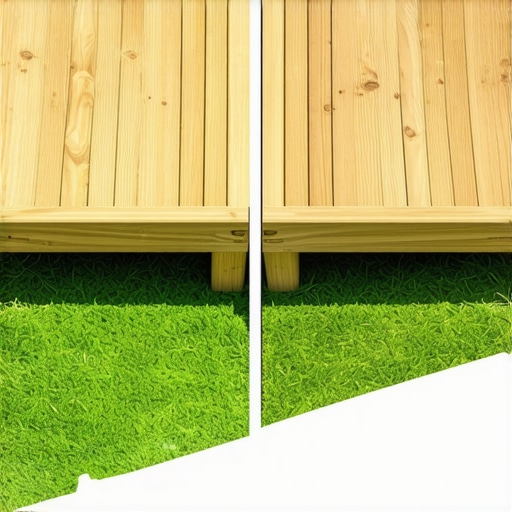
I’ll never forget the first time I stood on a platform I’d built that was ten feet off the ground and felt the whole thing shimmy like a bowl of Jell-O. I’d used 4×4 posts because, honestly, they were cheaper and easier to carry. I figured wood is wood, right? Wrong. That afternoon, I learned the hard way that there is a massive difference between holding weight and providing stability. It was a classic beginner mistake, and it’s exactly why I’m so picky about post sizes now. If you’ve ever walked across a porch and felt that unsettling vibration, you know exactly what I’m talking about. Today, I want to pull back the curtain on why 4x4s are perfect for some spots but a total disaster for others, so you do not end up with a bouncy castle for a backyard.
The Structural Reason Your Deck Feels Bouncy When You Walk
It all comes down to something engineers call the slenderness ratio. Think of a 4×4 like a toothpick; the longer it gets, the easier it is to bend. When I was younger, I thought a bouncy deck was just part of the charm of wood. It is not. It’s actually a sign of lateral movement. For a low-profile deck on a concrete patio, a 4×4 is a tank—it is not going anywhere. But once you start climbing six, eight, or ten feet into the air, those 4x4s start to flex under the weight of people moving around. According to the American Wood Council’s DCA 6 standards, a 4×4 post is generally limited to a much lower height than a 6×6 to maintain safety and stiffness. I’ve seen 4x4s twist over time under high loads, which eventually messes with your railing stability. If you want to avoid that heart-sinking feeling of a loose post, you have to get the bolt pattern right, but even the best bolts won’t save an undersized post.
Is upgrading to 6×6 posts actually worth the extra money?
You might be looking at the price tag and wondering if it is just a way for the lumber yard to make more cash. I get it. Every dollar counts when you are looking at professional deck builder tips. But here is the truth: a 6×6 post isn’t just a little bit stronger; it has more than double the cross-sectional area of a 4×4. That extra meat does not just stop the sway; it gives you a much better surface to notch your beams into, ensuring your deck stays level for decades. Have you ever noticed your deck swaying when the wind picks up or when the kids are running around? Let me know, because that is usually the first sign your posts are working too hard.
Stop the Sway with a Solid Beam Notch
Imagine trying to balance a heavy dresser on a couple of toothpicks versus a sturdy table leg. That is the difference between a 4×4 and a 6×6 when it comes to supporting your deck beam. When you use 6×6 posts, you can actually notch the wood so the beam sits directly on a shoulder of solid timber. This transfers the weight straight down to the footing. On a job I did last summer in a sloped yard, the owner was worried about the height, so we spent the extra afternoon carefully cutting these notches rather than just bolting them to the side. The result? A frame that did not move an inch when we set the first row of boards. If you are struggling with elevation, the trick to a perfectly level deck on a sloped yard starts with this structural foundation.
Ditch the Lag Bolts for Faster Structural Connections
I used to spend half my day pre-drilling holes for massive lag bolts. It was a chore, and honestly, if the hole was not perfect, the connection was weak. Now, why I use structural screws instead of lag bolts for ledgers comes down to speed and superior pull-out resistance. These screws are thinner but made of high-strength steel that bites into the wood without splitting it. It is like the difference between an old-school hammer and a modern nail gun—the technology just makes the deck safer. This is especially vital when you are building a deck for a heavy inflatable hot tub safely; you need every bit of shear strength you can get to handle that extra weight. 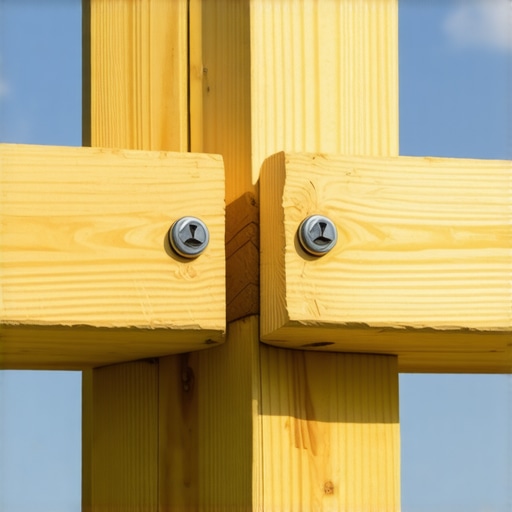
Keep Your Stairs from Feeling Like a Shaky Ladder
Stairs are often the first thing to fail because they take the most consistent abuse. If yours feel like they are leaning or pulling away, it is usually because the stringers aren’t properly tied to the main frame. I once saw a set of stairs literally pull away from a rim joist because the builder used nails instead of the bracket that makes your deck stairs feel rock-solid. To prevent this, always use tension ties or specialized hangers that lock the stringer to the floor joists. Also, pay attention to the treads themselves. I have found that the stair tread depth that feels safest for kids and the elderly is around 11 inches. Anything shallower feels like climbing a ladder, and anything deeper becomes a tripping hazard for anyone with a shorter stride. For extra stability on long runs, why we always double block the middle of a long stair run for stability is a trick I learned after fixing way too many bouncy stringers that were flexing in the middle.One thing that really grinds my gears in the industry is the term ‘maintenance-free.’ If a salesman tells you that, they’re selling you a bridge. I’ve seen homeowners get blindsided by the truth about maintenance-free decking claims after their expensive boards start looking dull or, worse, buckling. The reality is that composite decking is low maintenance, not no maintenance. If you do not account for the fact that these boards move—sometimes up to an inch over a long run—you’ll end up with warped boards. I’ve had to go back and fix dozens of decks where builders didn’t understand why your composite boards are expanding more than expected. They jammed the boards tight against the house, and by July, the siding was literally being pushed off the wall.
Is a 3D model really necessary for a simple staircase?
For a straight run of three steps? Probably not. But when you start looking at innovative outdoor living ideas with composite decking in 2025, like wrap-around stairs or multi-level transitions, things get complicated fast. This is why I never start a complex deck project without a digital 3d walkthrough first. It’s the only way to catch clearance issues before you’ve already spent three grand on lumber.
Stop Your Stringers from Snapping Like Matchsticks
Another ‘trap’ I see constantly is over-notching stringers. Beginners often cut too deep into the wood to get a specific tread height, leaving only an inch or two of solid wood underneath—the ‘throat.’ According to the USDA Forest Service’s Wood Handbook, reducing this effective depth drastically lowers the load-bearing capacity of the member. This is exactly why your deck stair stringers are cracking at the throat. You should always aim for at least five inches of solid timber left after the cut. 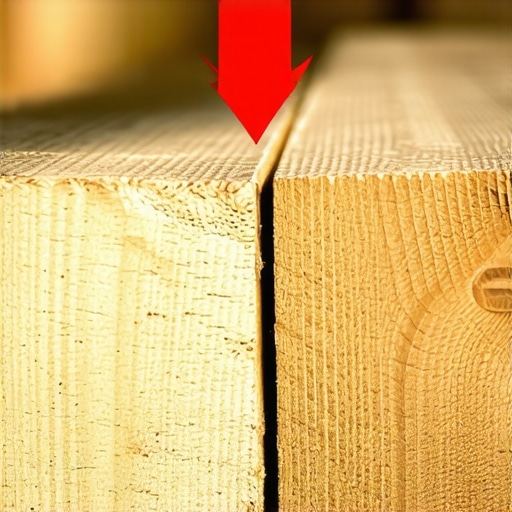 Getting the geometry right is hard, but the trick to cutting perfect deck stringers on the first try is using a set of stair gauges on your framing square so you aren’t guessing on every step. Don’t forget where the stairs meet the ground either. I see so many beautiful builds fail because the wood sits directly on the dirt. I once watched a DIYer try to mount stair treads using standard deck screws. Within two seasons, the wood had swollen and shrunk so many times that the screws just sheared right off. It’s a common mistake—people assume a screw is a screw. But for stairs, you need hardware that can handle the specific shear force of someone stepping down hard. Learning the best way to transition from a composite deck to a green lawn using a proper concrete landing pad will save your stringers from rot and your family from a trip to the ER. Have you ever fallen into this trap where you cut your stringers too deep or forgot the expansion gap? Let me know in the comments.I’ve spent years experimenting with every gadget on the market, but if you want a professional finish without the professional price tag, you need the right hardware. The Camo Marksman tool is my absolute secret weapon for the field of the deck. I use it because it guides the screws into the side of the board at a perfect angle, making the fasteners completely invisible. It’s a game-changer for safety too, especially because why I prefer hidden fasteners for poolside decks is all about preventing stubbed toes on hot screw heads. Using a tool like this ensures consistent spacing, which is the hallmark of a high-end build. If you are aiming for that high-end look, remember that why picture framing your deck is more than just a style choice; it hides those ugly raw edges and gives the whole structure a finished, indoor-room feel.
How do I maintain my composite deck over time?
People often think they can just build it and forget it, but that is how you end up with a mess. I recommend a deep clean at least twice a year. You would be surprised how much damage a simple spill can do if left alone; knowing how to clean grease stains off composite without ruining the finish is essential if you plan on grilling out there. You also have to watch the environment. In my experience, the biggest nuisance isn’t the rain, it’s the wildlife. I’ve had clients call me in a panic because of messes, but learning how to stop bird droppings from staining your composite deck mostly comes down to prompt cleaning and choosing the right board texture. If you do see a scratch or a blemish, don’t ignore it. For small areas of exposed core, the best way to seal the cut ends of composite boards is to use a manufacturer-approved end-coat sealer or paint pen to keep moisture from wicking into the wood-fiber core.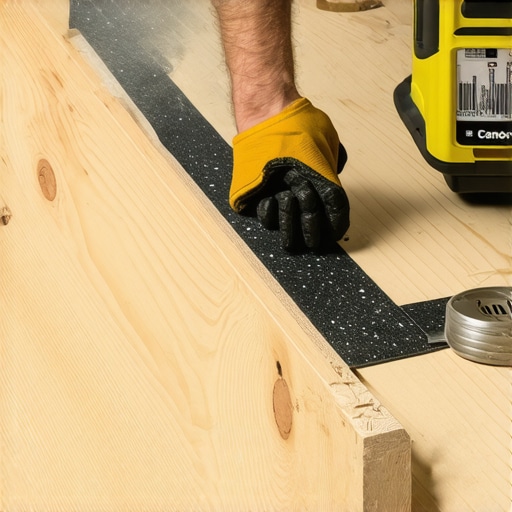
Seal Your Joists Now to Prevent a Total Rebuild Later
The biggest mistake I see pros and DIYers make alike is ignoring the top of the joists. Even pressure-treated wood eventually rots where the screws penetrate. I never build a frame without applying butyl joist tape. It’s a simple peel-and-stick layer that acts as a gasket. According to the Simpson Strong-Tie Deck Connection and Fastening Guide, protecting the ledger and joist tops from moisture is the single most effective way to extend the life of the substructure. This is vital for how to protect your deck frame from rot for thirty years. If you skip this $100 step now, you might be replacing the entire frame in twelve years while your composite boards are still perfectly fine. Looking ahead, I predict that integrated technology will be the next big shift. We are already seeing a massive interest in composite decking trends 2025 the ultimate guide for outdoor enthusiasts, where built-in sensors and automated lighting systems are becoming the standard for luxury builds. My advice? Try the ‘picture frame’ border on your next project. It’s an advanced move that completely transforms the aesthetic and keeps those cut ends protected from the elements.
What Two Decades of Deck Building Taught Me About Cutting Corners
After building hundreds of structures, I have realized that the most expensive mistake you can make is trying to save a few pennies on the components you cannot see. If it feels too light to be structural, it probably is. I’ve seen enough snapped hangers to know that skimping on quality hardware can lead to massive repair bills later. When I share deck builder insights: designing your dream outdoor space, I always emphasize that the frame is the heart of the project. Another lightbulb moment for me was realizing that moisture is the enemy of even the best pressure-treated lumber; using joist tape is not an option, it is a necessity for a thirty-year deck.
#IMAGE_PLACE_HOLDER_E#
The Gear That Never Leaves My Truck
If you are serious about a DIY build that looks like a pro did it, you need the right references and tools. I never start a project without the Simpson Strong-Tie Deck Connection guide—it is the bible for safety. For the actual assembly, I swear by the Camo Marksman system for invisible fastening. When it comes to the stairs, I always rely on the bracket that makes your deck stairs feel rock-solid to ensure those stringers never budge. I also recommend checking out expert deck builder tips for stunning outdoor living to help you visualize the flow before you ever buy a single board.
Build for the Future of Your Backyard
Starting a deck project can feel overwhelming, but when you focus on the structural fundamentals first, the rest of the design falls into place beautifully. Whether you are incorporating innovative outdoor living ideas with composite decking in 2025 or sticking to a classic multi-level wood design, take your time with the foundation. You are building more than just a platform; you are creating a space for memories. Have you ever felt your deck sway during a summer party, or are you just starting your planning phase? Let me know below!